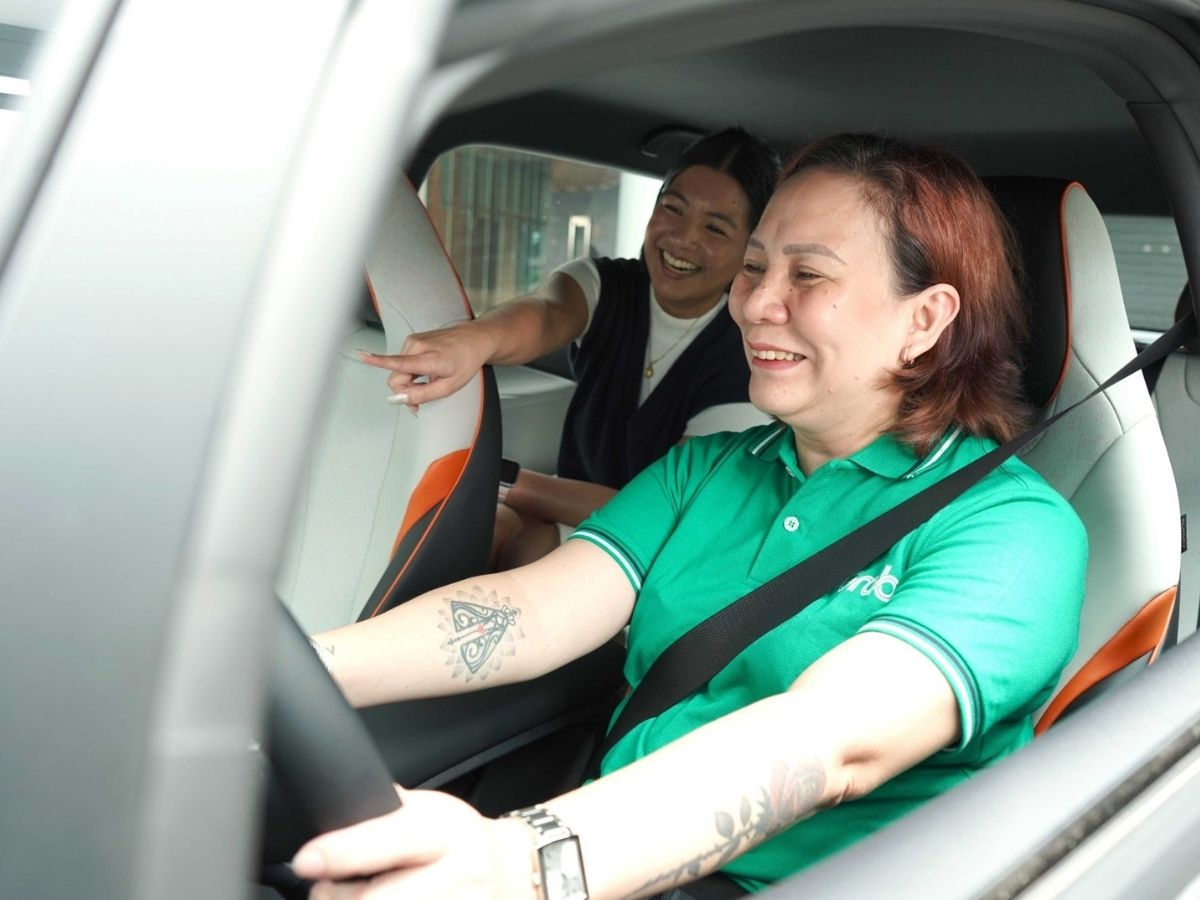


Grab Philippines has launched a pilot of its new Driver AI Ambassador Program. It is a human-led, consent-driven initiative that uses artificial intelligence (AI) to scale brand storytelling built on real-world driver-partner narratives and perspectives.
The program marks a shift from traditional influencer marketing by highlighting Grab partner drivers as brand ambassadors, with AI used to amplify and adapt content rather than replace human voices. Under the pilot testing program, driver-partners participate in a single, human-led content session during which interviews, recorded voices, photos, and personal anecdotes are collected. These materials are then adapted to publishable formats, including short-form videos and social media assets, using AI tools.
The initiative addresses the long-standing challenges in content production, including time, cost, and bandwidth limitations, while maintaining factual and educational storytelling. According to Grab, the program allows it to generate a high volume of content from a single session without compromising accuracy or authenticity, as all outputs are sourced directly from participating driver-partners.

One of the pilot participants is Patrick Pidlawan Duque, a PWD (person with disability) GrabFood delivery partner, who said the program gives delivery partners greater visibility and an opportunity to share their stories online. He noted that participation helps introduce driver-partners to a wider audience while also supporting their families.
Grab added that driver-partners who join the program are treated as legitimate ambassadors and receive industry-standard compensation. This approach helps create additional income streams for drivers and riders beyond their usual platform activities.
The pilot testing incorporates governance measures to address ethical concerns related to the use of generative AI in marketing. In more detail, participation is based on informed consent, with driver partners fully briefed on how their stories, voices, and likenesses may be used. Participants also retain the right to opt out at any stage, reassured that the program is voluntary and respects their rights and privacy. In addition, human oversight is built into the workflow to prevent misrepresentation, and all AI-enabled outputs are subject to mandatory disclosure for transparency.
Finally, Grab said the program aligns with the Venice Pledge: Responsible AI Guiding Principles for PR and Communications, which promotes the ethical, transparent, and human-first use of AI. Industry leaders, including Public Relations Society of the Philippines president Ana Pista, said the initiative could serve as a reference point for reasonable AI adoption in communications.
Autocar’s Take
The heated debate over the use of AI in storytelling often centers on a single question: Does AI dilute authenticity, or does it simply change how stories are told? Grab Philippines’ Driver AI Ambassador Program sits right in the middle of this discussion. On one hand, traditional storytelling values time, intimacy, and the unfiltered presence of the human voice. On the other hand, AI offers scale, consistency, and access that traditional production models struggle to match.
What makes this program notable, aside from the fact that it is still under pilot-testing, which may help improve its ethics and workflow, is its attempt to balance both – using AI as a tool while anchoring narratives in real, consent-driven human experiences. Whether this approach becomes a model for the future or remains a transitional experiment will likely depend on how audiences respond, and where the industry draws the line between efficiency and authenticity.