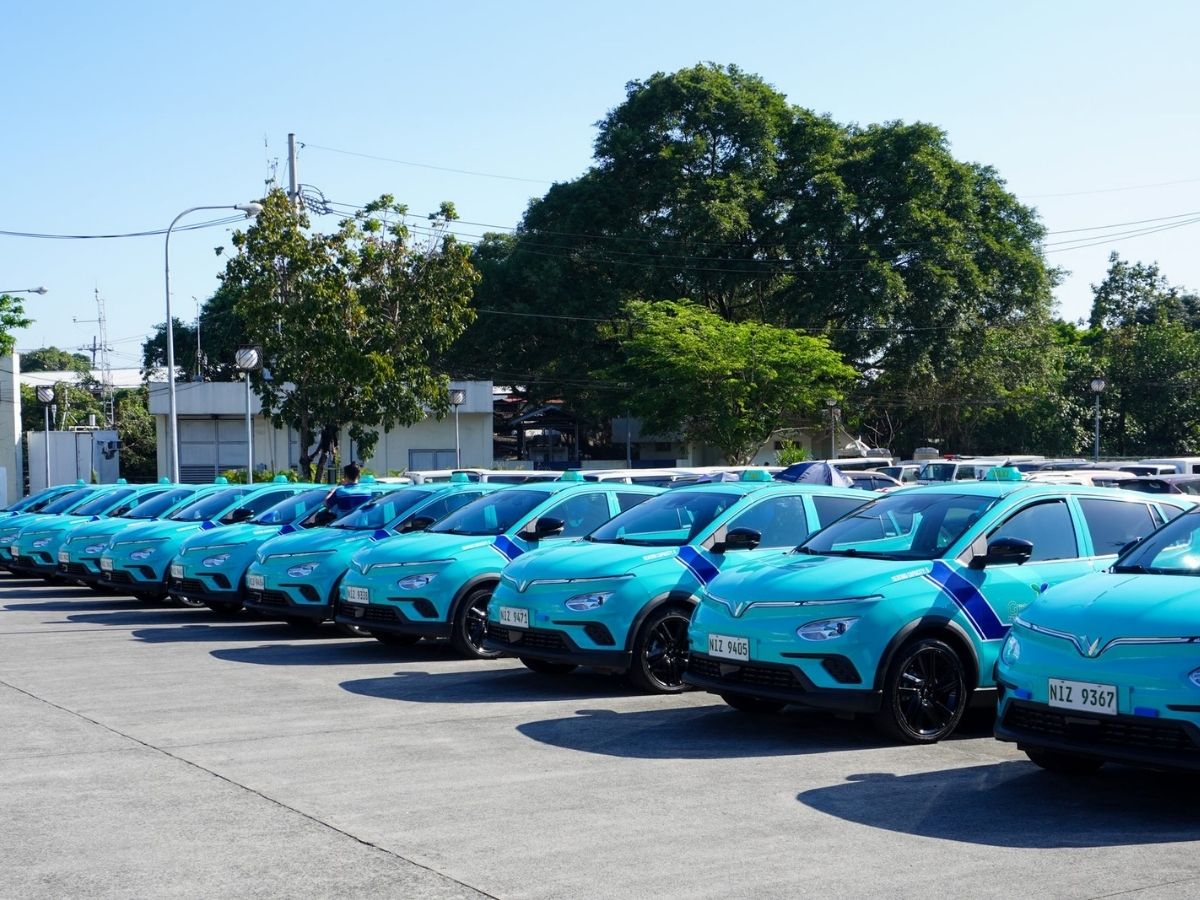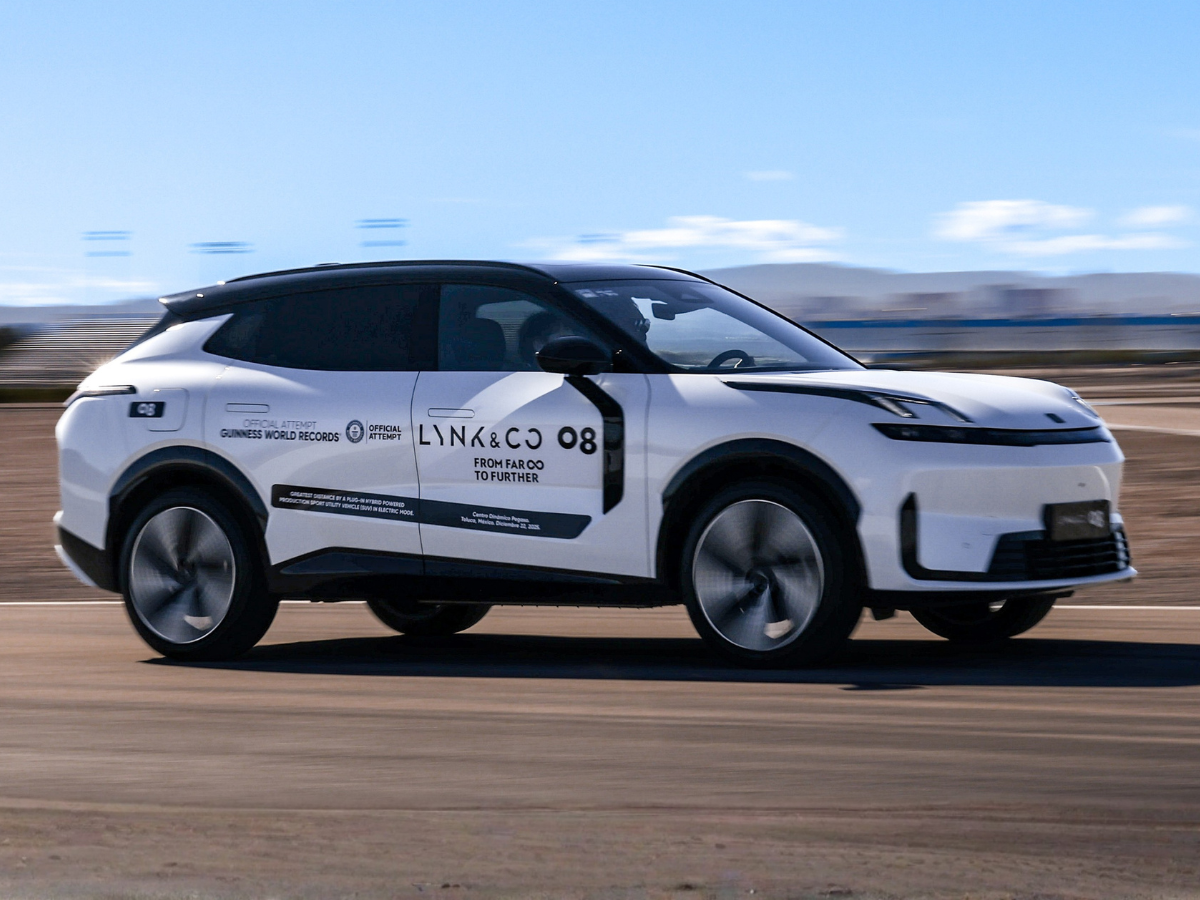


The growing Philippine electrified vehicle (EV) segment is good news, but it can confuse some car buyers about the types of EVs available today, with many brands introducing a multitude of models almost every month. Thankfully, the Department of Energy (DOE) has stepped in to shed light on the matter.
For instance, the government agency recently issued Circular No. DC2025-09-0015, amending the 2023 rule regarding EV classifications. One of the most significant updates is the clearer and expanded definition of EV classifications, ensuring that the recognition system reflects today’s wide range of electric mobility technologies in the Philippines.
Under the revised framework, DOE mandates that EV manufacturers, assemblers, importers, and rebuilders must align their applications with six categories of EVs. These include battery electric vehicles (BEVs) or pure electric vehicles (PEVs), hybrid electric vehicles (HEVs), plug-in hybrid electric vehicles (PHEVs), range-extended electric vehicles (REEVs), fuel cell electric vehicles (FCEVs), and light electric vehicles (LEVs).
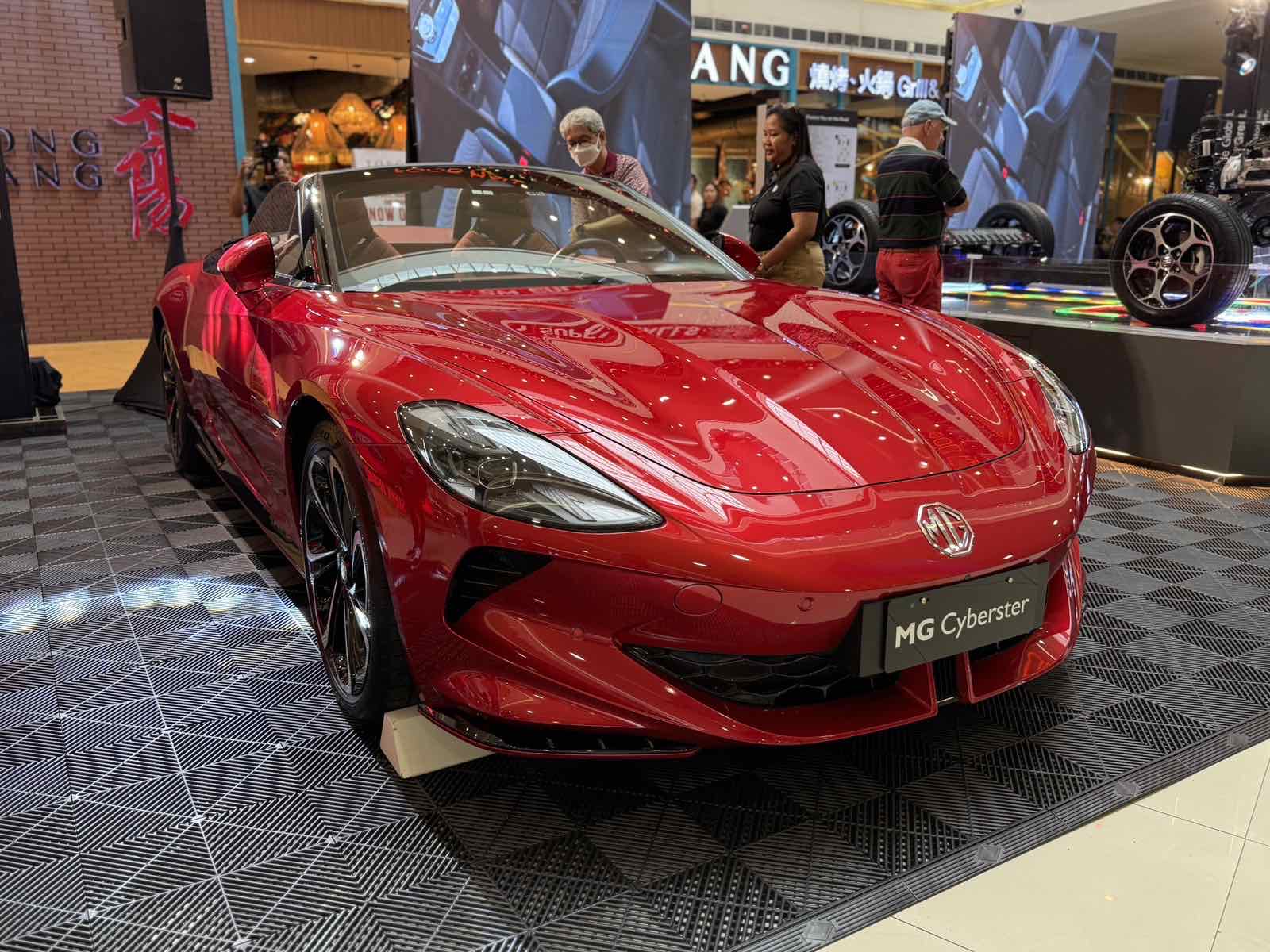
In more detail, DOE defines BEVs or PEVs as vehicles that rely solely on rechargeable electric batteries as a power source. As a result, BEVs produce no emissions, hence their lack of tailpipes. Examples of these include the BYD eMax 7 MPV and the MG Cyberster sports car.
HEVs, meanwhile, combine an internal combustion engine (ICE) with one or more electric motors. HEVs can partly run on pure electric mode, but because they also use ICE, they produce fuel emissions. HEVs recharge their batteries using energy recovery systems, primarily gained from braking, meaning they don’t need an external plug for charging. One such model in this class in the Philippines is the Honda HR-V e:HEV.

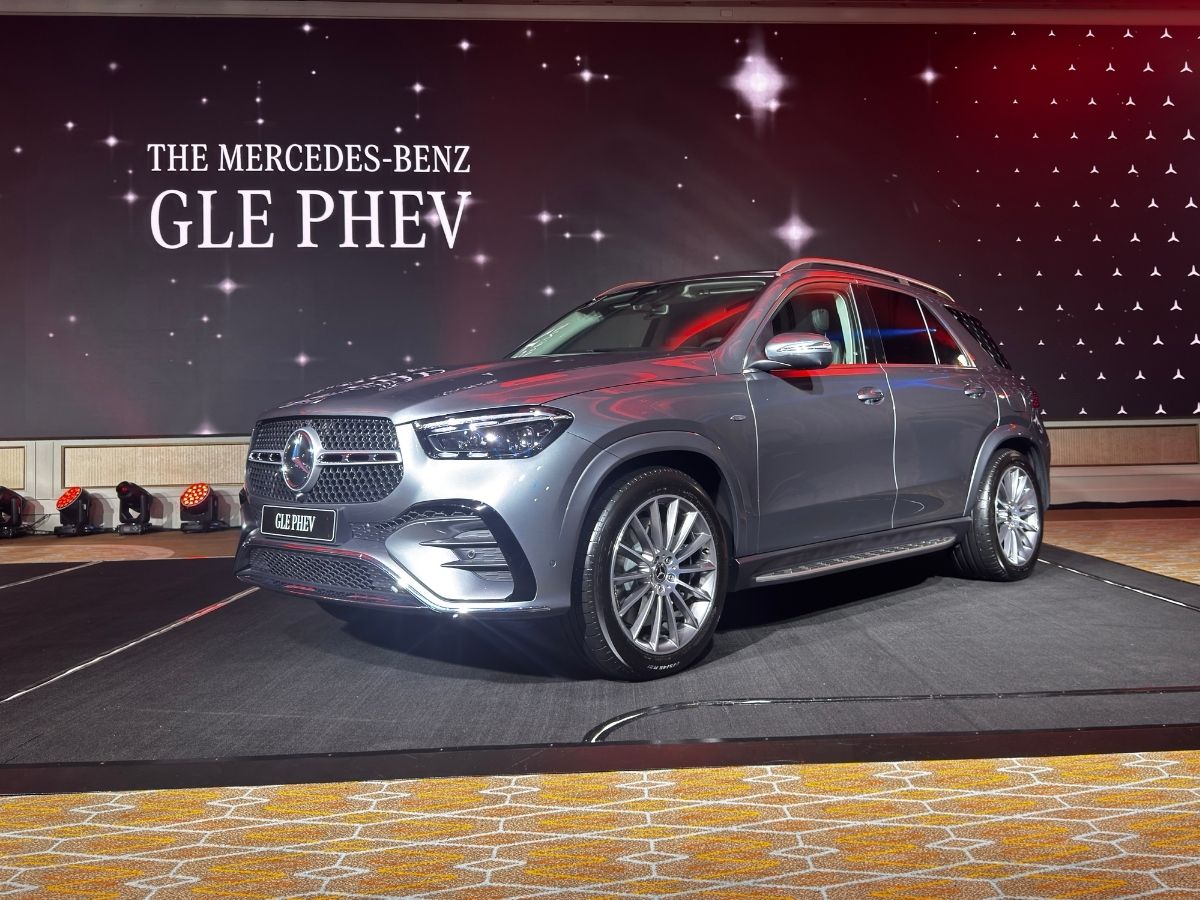
PHEVs, like HEVs, have both an ICE and an electric motor powered by batteries. The difference is that HEVs can be externally charged using AC outlets at home or in establishments that offer AC EV charging. And just like HEV, PHEVs can also run on pure electric mode for a short while before the ICE takes over. The local market has a growing number of PHEVs available, including the recently launched Mercedes-Benz GLE PHEV, Jetour X70 Lightning i-DM PHEV, the Volvo XC60 and XC90 PHEVs, and the Changan Novo Q05.
REEVs, on the other hand, are essentially BEVs, but with small fuel-powered engines that only act as a power generator to extend the driving range. The Changan Nevo Hunter K50 REEV pickup falls under this EV classification.


DOE also mentioned FCEVs. FCEVs utilize fuel cells, primarily hydrogen fuel cells, to generate electricity for propulsion. Instead of the usual fuel emissions, FCEVs emit water vapor and warm air. However, FCEVs are not yet commercially available in the Philippines. Models such as the Toyota Mirai and the Hyundai Nexo are among the most popular names in the FCEV category.
Finally, DOE introduced the LEV classification to categorize smaller, lighter units, such as e-scooters or e-bikes, which generally weigh under 50 kilograms.
By defining these six types of EVs, DOE ensures consistency in how EVs are recognized and recorded in the Philippines. As a result, brands will be able to properly categorize their models. Buyers can also feel more confident that EVs listed under DOE have undergone proper recognition procedures.