The Department of Energy (DOE) will implement a harmonized classification system for electric vehicles (EVs), aiming to set clearer rules for the country’s expanding EV market.
The DOE has amended the EV Recognition Guidelines under DC2023-05-0012 through Department Circular No. DC2025-09-0015, creating a unified framework for EV classification in line with the Electric Vehicle Industry Development Act (EVIDA).
“This policy is an important step toward developing a more organized, accessible, and future-ready EV market in the Philippines,” Energy Secretary Sharon S. Garin said on Tuesday.
“Through harmonized recognition guidelines, we are easing administrative processes, enhancing transparency, and supporting the nationwide adoption of EVs,” she added.
Beginning 20 September, stakeholders must submit EV Charger Monitoring Forms every quarter and may request revisions, except for core details such as EV classification, which will require a new application.
Models no longer marketed will be removed from the Recognized EV List once reported. For units meant solely for promotional or non-commercial use, applicants must file a notice and may receive either a Provisional Certificate or Non-Marketing Certificate.
To address inconsistencies in submitted documents, the DOE will also carry out physical inspections.
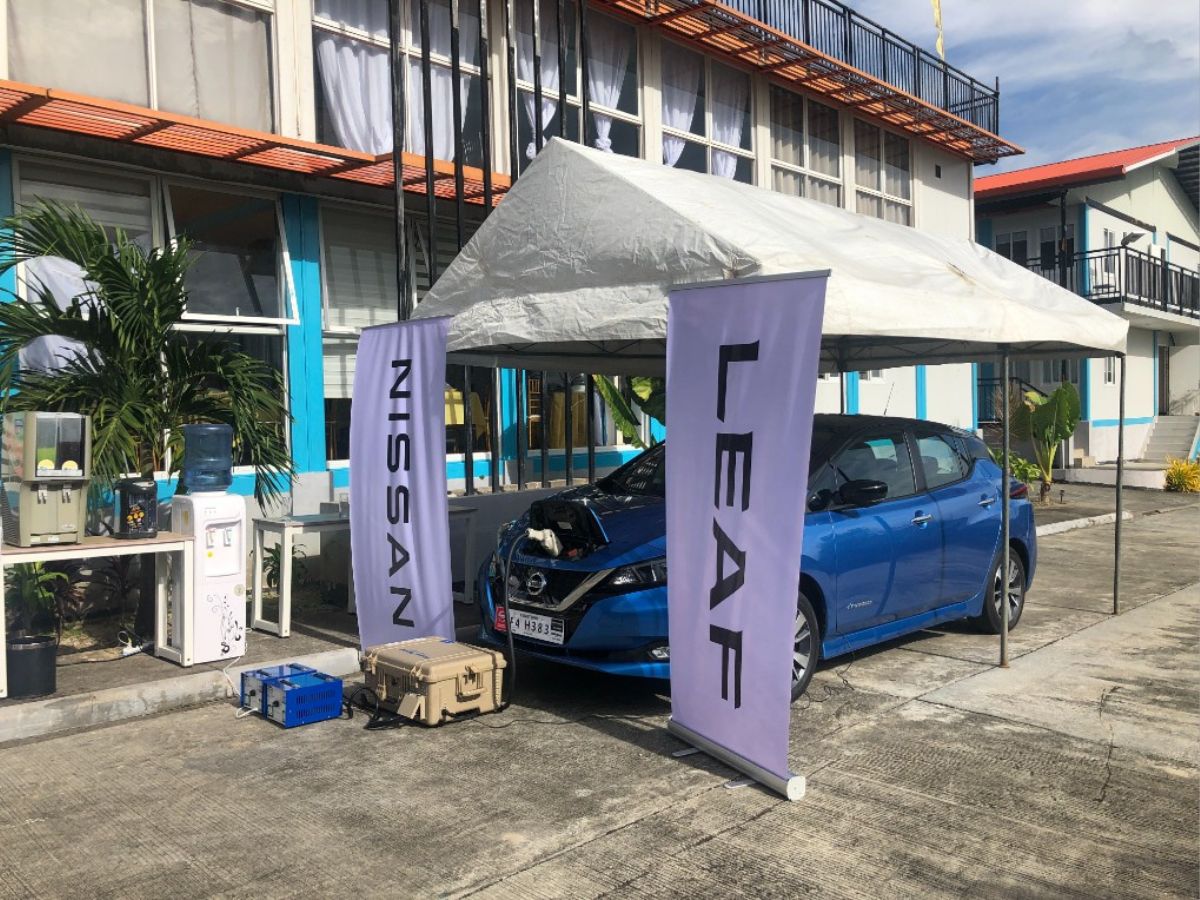
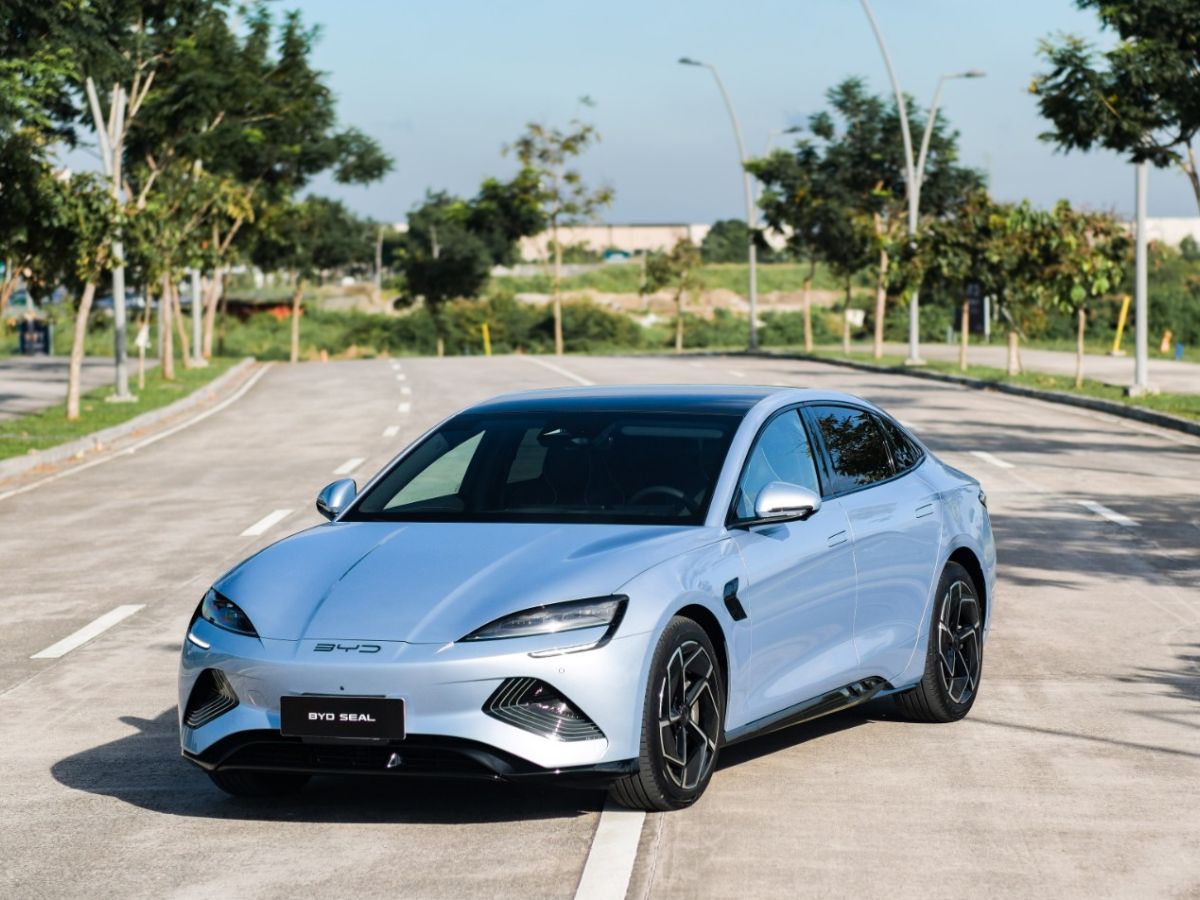
The updated rules outline detailed classifications covering Battery EVs, Hybrid EVs, Plug-in Hybrid EVs, Light EVs, Range-Extended EVs, and Fuel Cell EVs.
EV adoption in the Philippines continues to accelerate. Data from the Department of Transportation–Land Transportation Office show 29,715 EVs registered between January and July 2025, already exceeding the full-year total of 24,286 in 2024.
As of mid-2025, EVs represent nearly five percent of new vehicle registrations—three times the share recorded in 2023.