
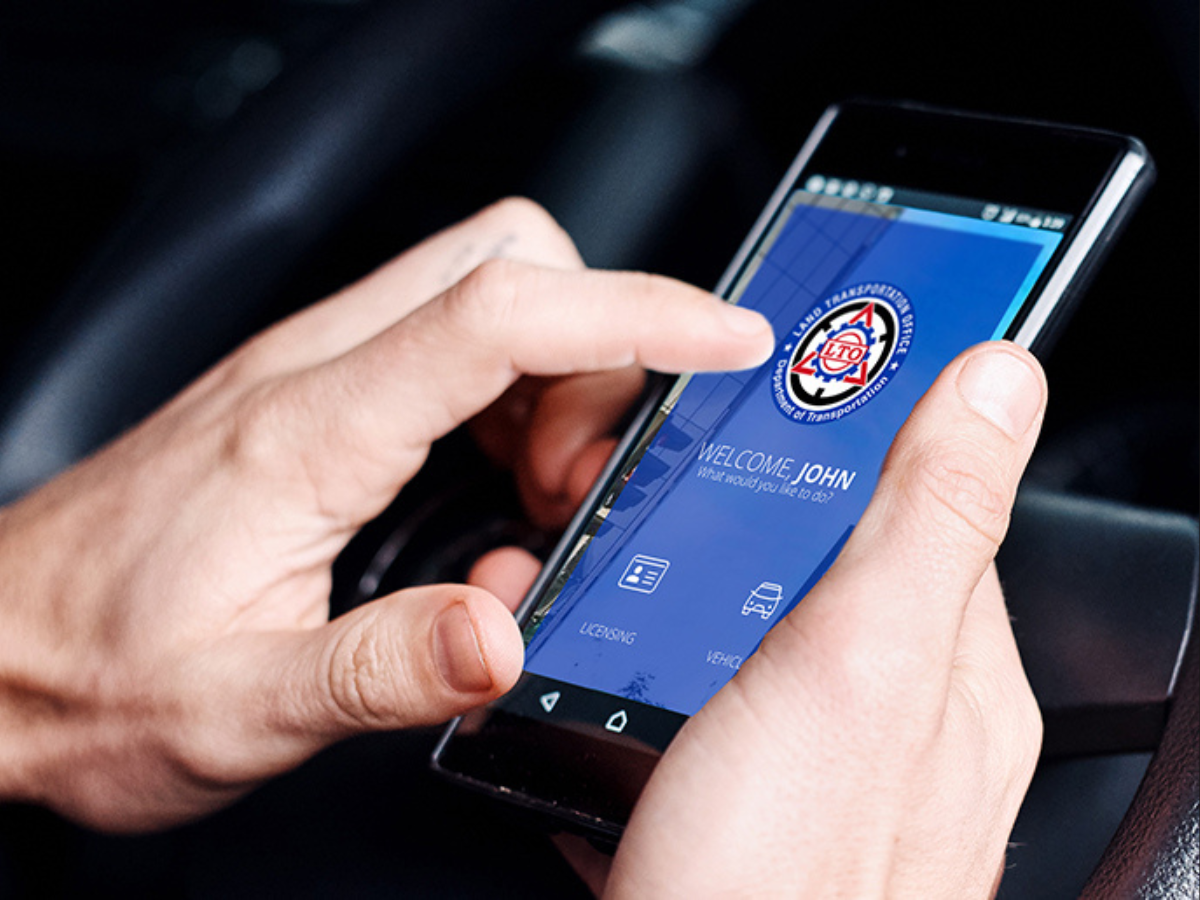
As discussions continue surrounding the future of the Philippines’ Land Transportation Management System (LTMS), German biometrics company Dermalog Identification Systems GmbH has issued a message of appreciation to Filipinos for supporting the country’s flagship digital transport platform.
In a statement released on June 25, the company credited the public’s cooperation and acceptance for helping push the digitalization of land transportation services in the Philippines. According to Dermalog, the LTMS has played a key role in making government transactions faster, safer, more transparent, and more accessible to motorists and transport stakeholders nationwide. The company also emphasized the system’s contribution to improving document security and strengthening the integrity of public services, particularly as government agencies continue to modernize their operations through digital solutions.
Dermalog Chief Executive Officer Günther Mull expressed gratitude to Filipinos for embracing the platform, noting that public participation remains essential in sustaining digital transformation efforts in the transportation sector. Beyond recognizing the public, the company also acknowledged the efforts of government agencies, technical teams, public servants, and stakeholders involved in developing and implementing the LTMS over the years.
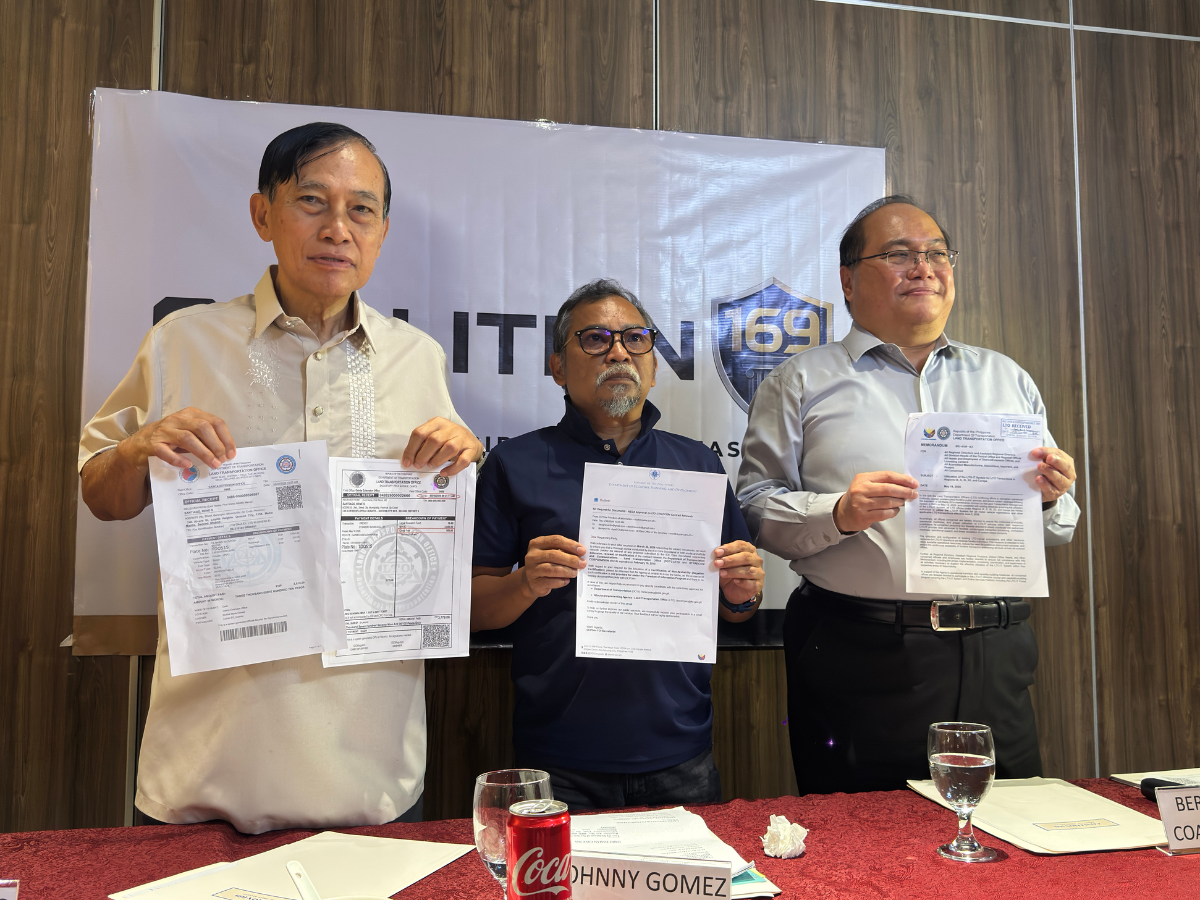
The statement quickly drew a response from Coalition 169, which thanked Dermalog for what it described as professionalism and commitment throughout the implementation of the LTMS project. More importantly, the coalition highlighted what it considers a crucial clarification regarding responsibility for the system moving forward.
According to Coalition 169, Dermalog no longer has access to the LTMS following the expiration of its contract on May 13, 2026. Since then, responsibility for the care, maintenance, and operation of the platform has rested solely with the Land Transportation Office and the Department of Transportation.
The coalition said this distinction is important in determining accountability for any operational issues, service interruptions, data concerns, or incidents affecting the LTMS after the contract’s expiration. On the other hand, Dermalog expressed hope that it may again contribute to future Philippine projects aimed at improving efficiency, integrity, safety, and public trust through technology.
Autocar’s Take
The LTMS has become one of the most visible examples of government digitalization in the Philippines, making the question of accountability just as important as the technology itself. Dermalog’s statement does not merely thank Filipinos for embracing digital transport services; it also clarifies where responsibility now lies, following the expiration of its contract. For motorists who rely on the platform for licenses, registrations, and other transactions, transparency over system ownership and maintenance matters. As digital government services continue expanding, clear lines of accountability will be just as essential as uptime, cybersecurity, and convenience.