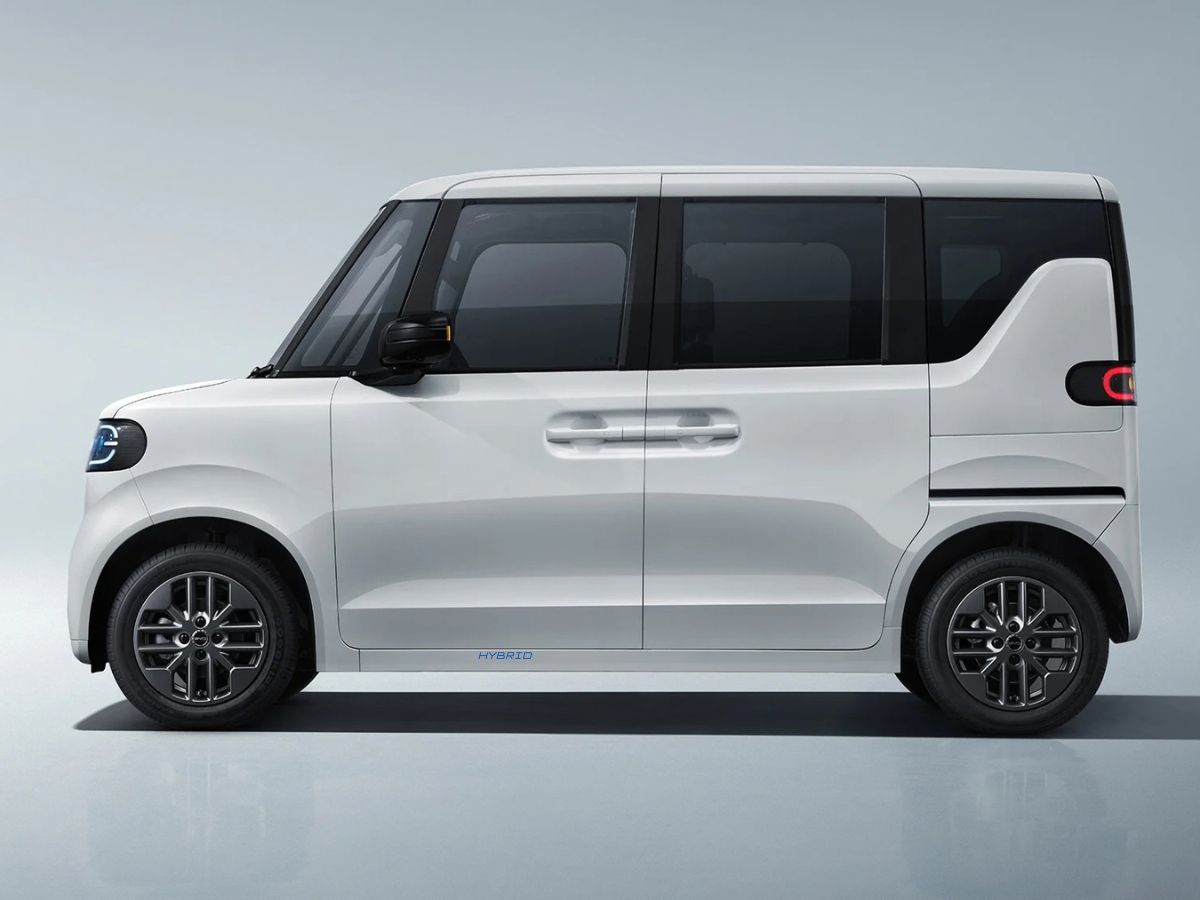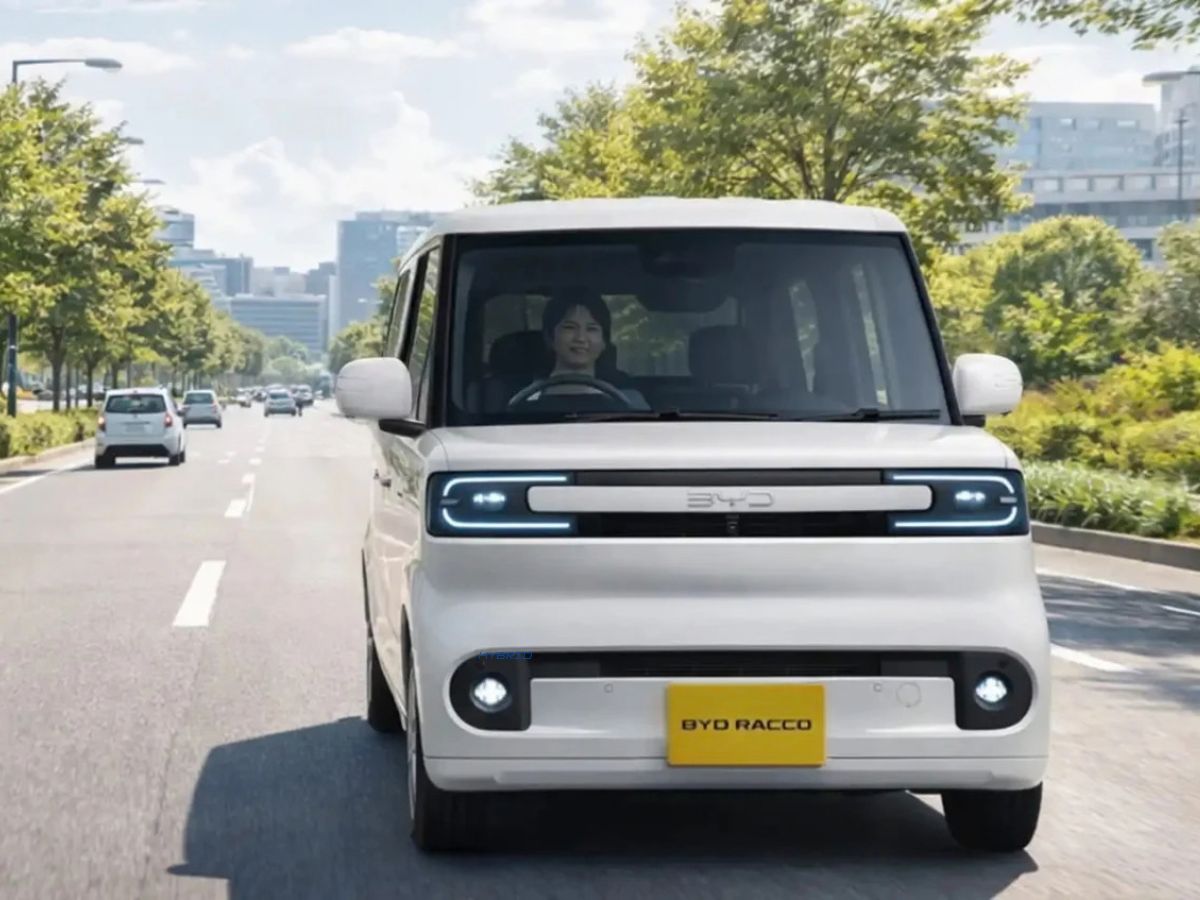
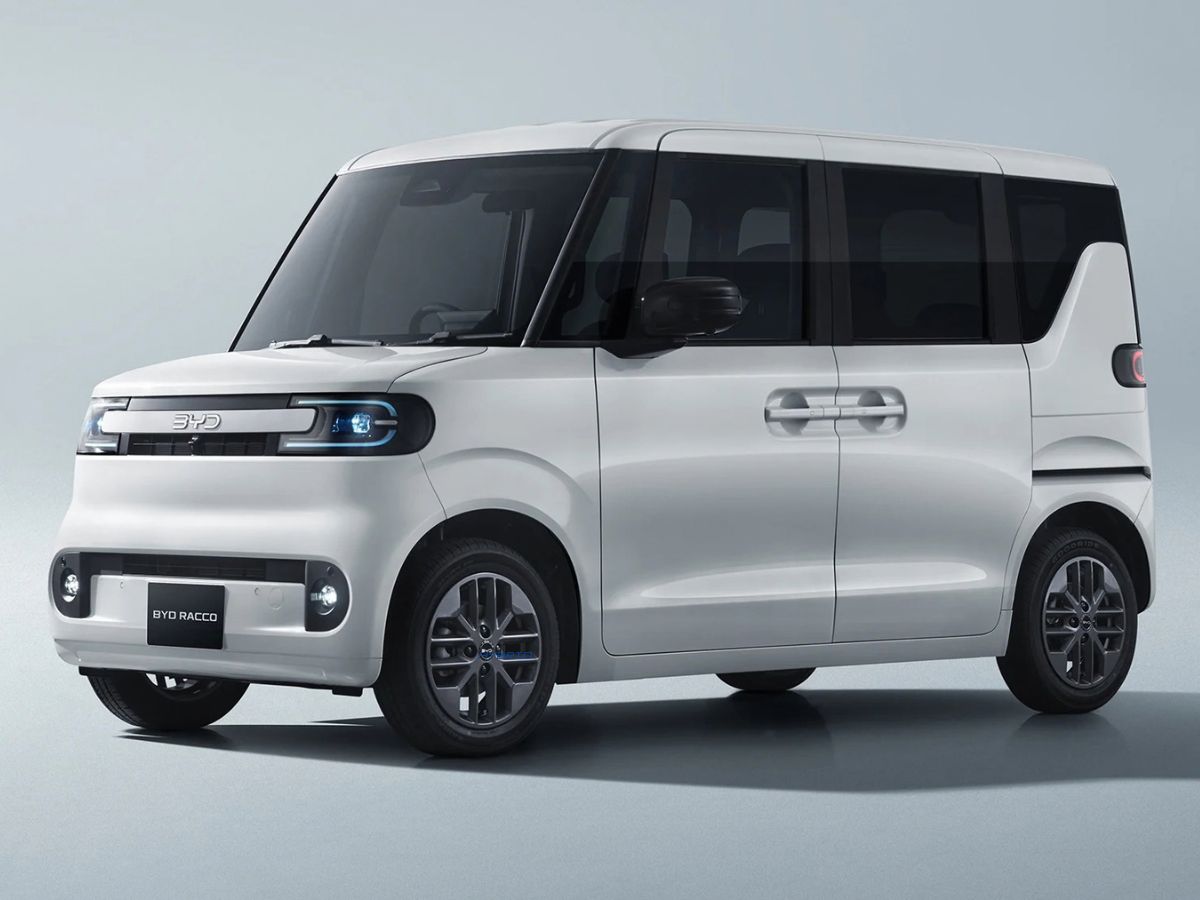
BYD’s smallest electric car is about to become a bigger story. The BYD Racco was developed specifically for Japan, where the kei-car category places strict limits on vehicle dimensions and power. Rather than adapting an existing BYD model, the company created the Racco around those constraints, resulting in a compact electric vehicle designed for dense urban driving.
That Japan-first strategy is now expanding. BYD says it will sell the Racco outside Japan, initially targeting right-hand-drive markets. Macau has already opened reservations, while Sri Lanka is scheduled to begin sales on October 9. The company says it intends to gradually expand the model’s reach according to market requirements.
The move is significant because the Racco is more than just another small EV. Its development gave BYD an opportunity to package its battery and electrical hardware into a highly integrated system called X-PACK. The technology combines several major electrical components within the battery assembly, helping free up valuable space in a vehicle where every millimeter matters. BYD says the system was developed to balance safety, range, interior space, and maneuverability.
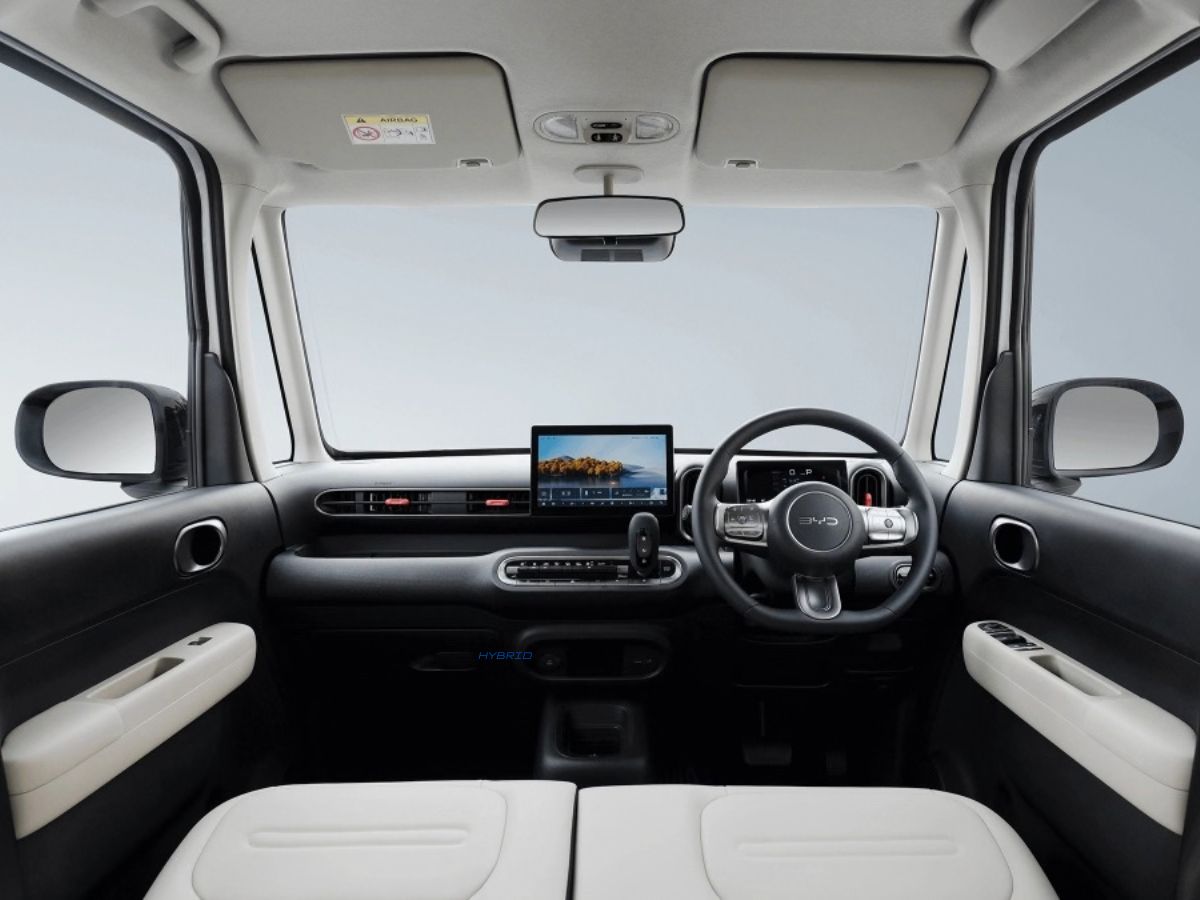
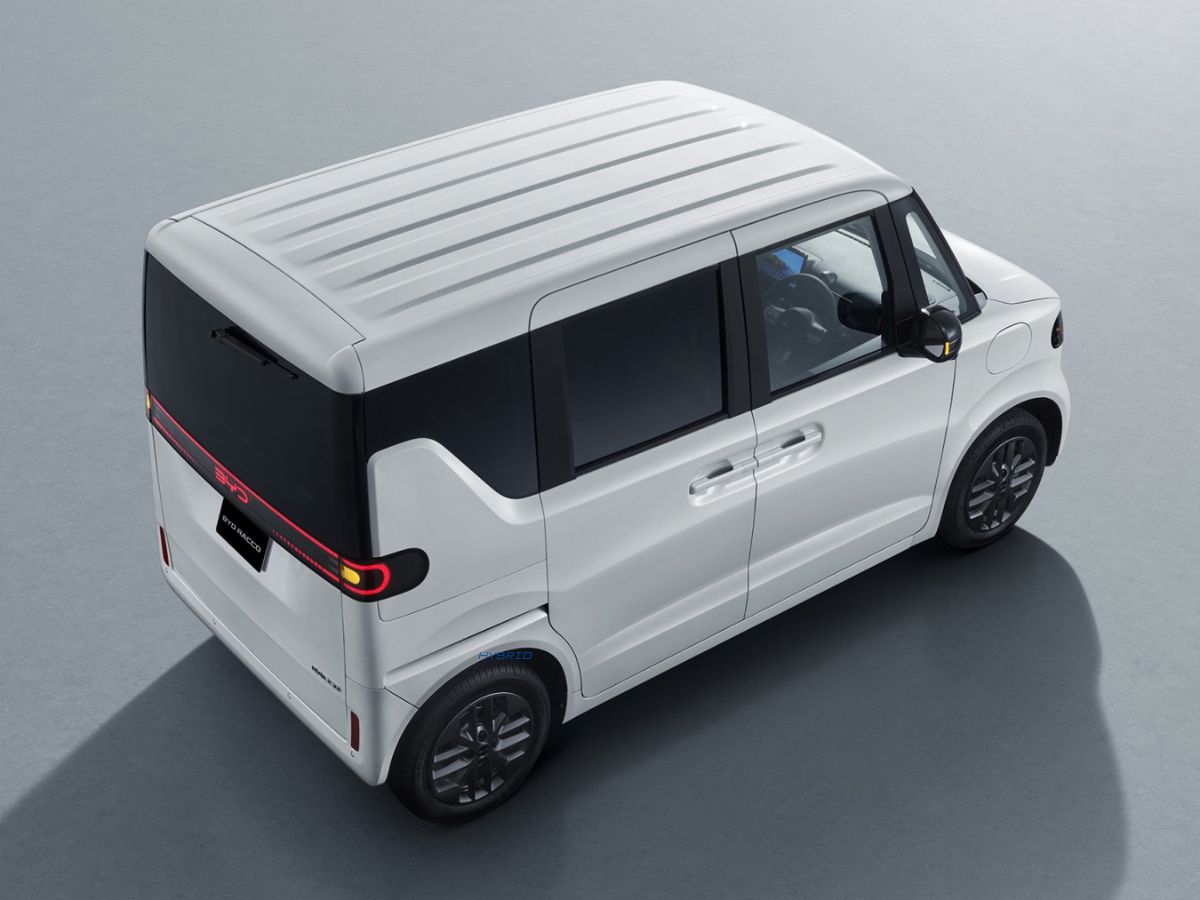
In Japan, the Racco is offered with either a 22.4-kWh or 35.84-kWh battery, depending on the version. Official figures put maximum WLTC range at 210 km for the smaller battery and 320 km for the larger one. The car uses a 47-kW electric motor and measures just 3,395 mm long and 1,475 mm wide.
That footprint makes the Racco interesting beyond Japan. It is also testing whether technology created for an exceptionally compact vehicle can serve other markets looking for affordable urban EVs.
Southeast Asia is an obvious area to watch, particularly because several markets use right-hand-drive vehicles. However, there is no confirmed Philippine launch for the Racco.
For now, BYD’s overseas expansion of the Racco is best viewed as a small-car experiment with big ambitions. If customers in markets outside Japan respond well, this tiny EV could become an important test of how far compact electric mobility can travel.
Autocar’s Take
tocar’s TakeThe Racco is interesting because BYD is turning an engineering exercise into an export opportunity. The kei-car formula forced the company to think differently about packaging, integration, and usability, and X-PACK shows how those lessons can extend beyond one model. The caveat is that overseas expansion has only just begun. Macau and Sri Lanka will provide evidence of whether buyers outside Japan want such EVs.
For the Philippines, it is worth watching rather than assuming a Philippine launch. Our market needs EVs, but size, charging infrastructure, pricing, and buyer preferences would determine whether a Racco-based vehicle makes sense here.