The Philippine automotive industry’s center of gravity continues to shift. In what could prove to be one of the most significant industry developments of 2026, BYD Cars Philippines has formally joined the Association of Vehicle Importers and Distributors (AVID), bringing the country’s fastest-growing automotive brand into one of the industry’s most influential organizations. The move was announced during the recently revived AVID Summit, which returned after years of dormancy following the pandemic.
More than a simple membership addition, BYD’s entry reflects the changing realities of the Philippine automotive market, where electrified vehicles are no longer fringe products but increasingly mainstream alternatives challenging the dominance of traditional internal-combustion brands.
Representing BYD at the summit were BYD Cars Philippines Managing Director Bob Palanca and Denza Philippines Country Head Adam Hu. Industry sources further revealed that Palanca has assumed the role of AVID vice president, placing the executive of the country’s leading new-energy vehicle brand in a key leadership position within the organization.

The timing is notable.
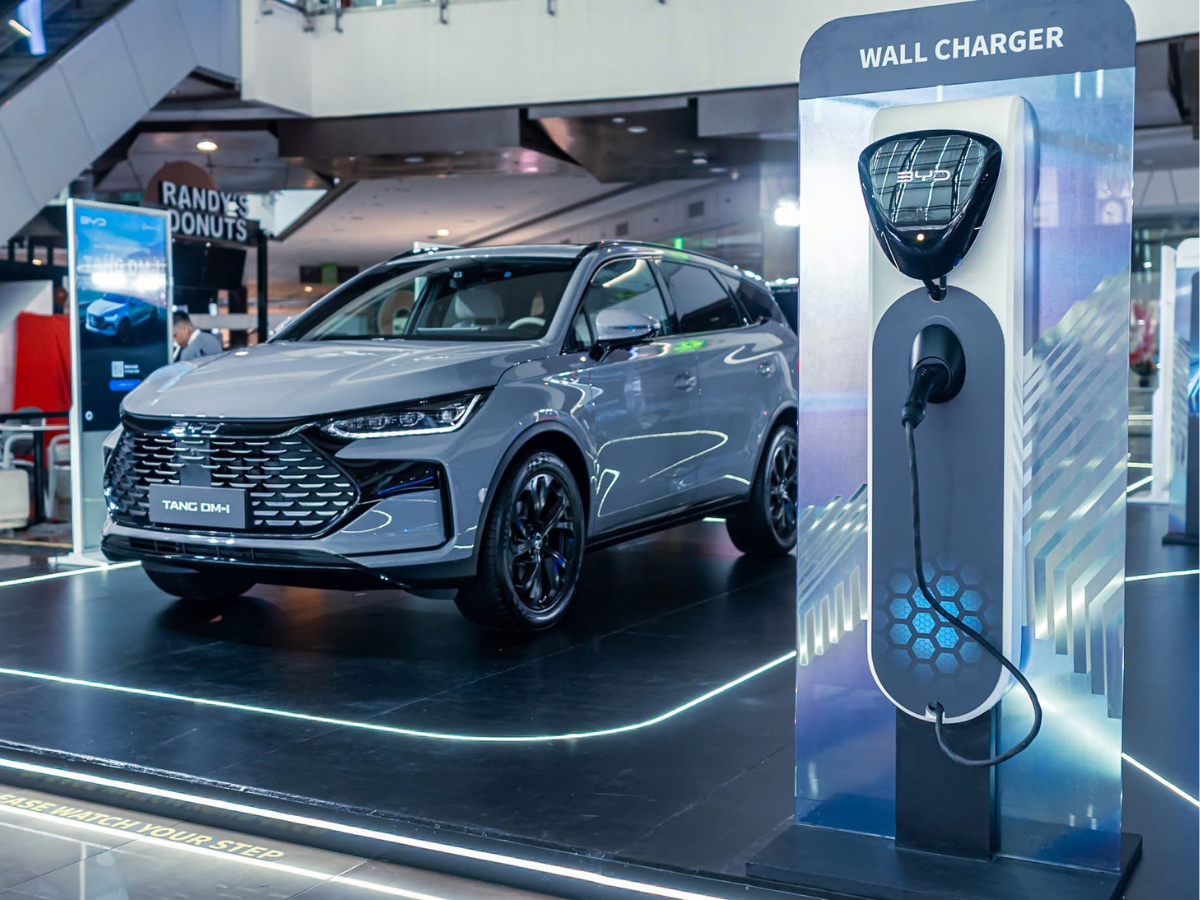
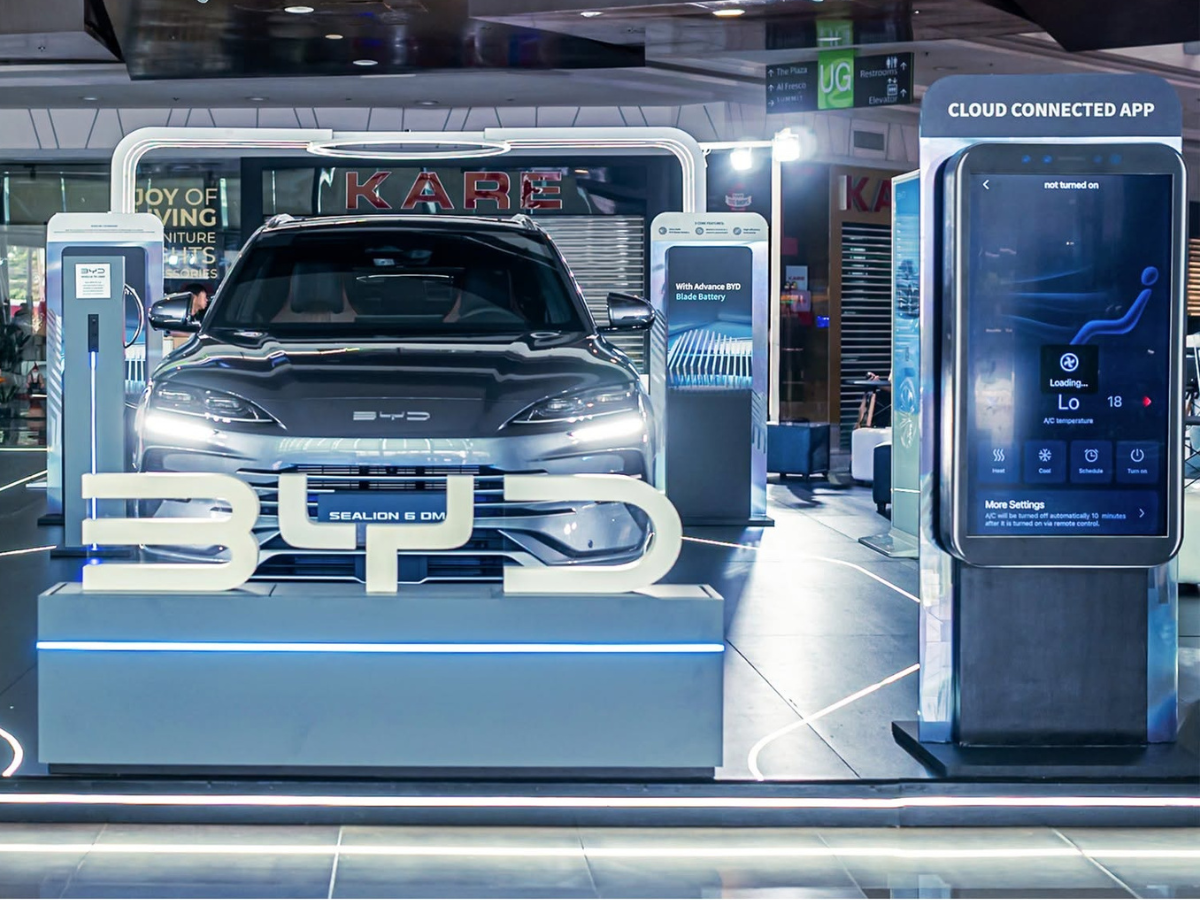
Just a few years ago, Chinese brands were largely viewed as emerging challengers. Today, BYD has become one of the most disruptive forces in the Philippine automotive market. Supported by ACMobility’s growing charging network and dealership expansion, the company has rapidly transformed from a niche EV player into a volume contender with ambitions extending well beyond the electrified vehicle segment.
Its growing influence has become increasingly difficult for the industry to ignore.
For AVID, the addition of BYD strengthens its voice at a time when regulators, manufacturers, distributors, and consumers are grappling with issues ranging from electrification and charging infrastructure to artificial intelligence and software-defined vehicles. AVID President Maria Fe Agudo described the organization’s continuing mission as preparing the industry for cleaner, smarter, and more technology-driven mobility solutions.
Yet the significance of BYD’s membership extends beyond policy discussions.
It signals the arrival of a new competitive era in the Philippine automotive industry. Traditional market leaders now find themselves competing not only against established Japanese, Korean, European, and American rivals, but also against a Chinese manufacturer that has successfully combined scale, technology, aggressive pricing, and rapid product development.
The development also highlights how quickly the conversation around electrification has evolved. Where industry discussions once centered on whether Filipinos were ready for electric vehicles, the debate has increasingly shifted toward how quickly manufacturers, dealers, infrastructure providers, and regulators can adapt to changing consumer demand.
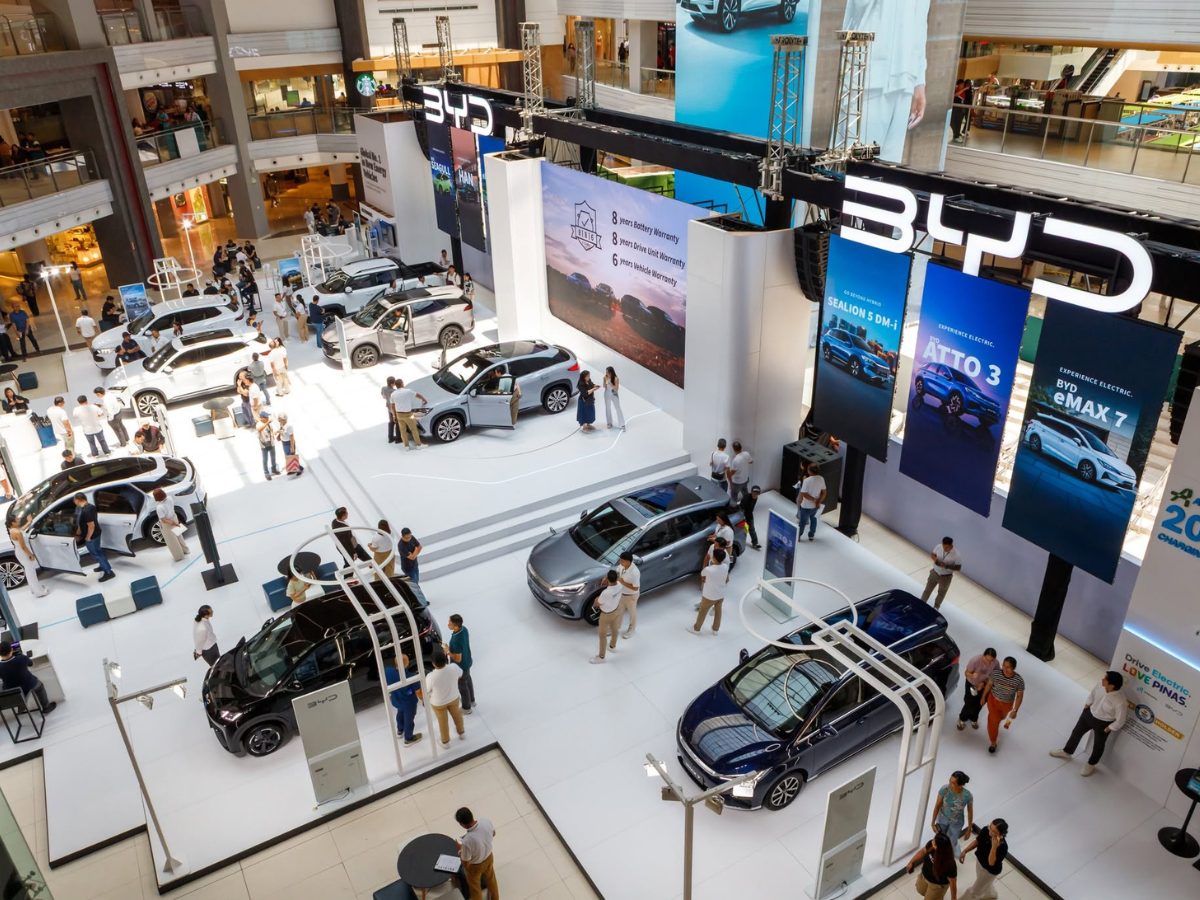
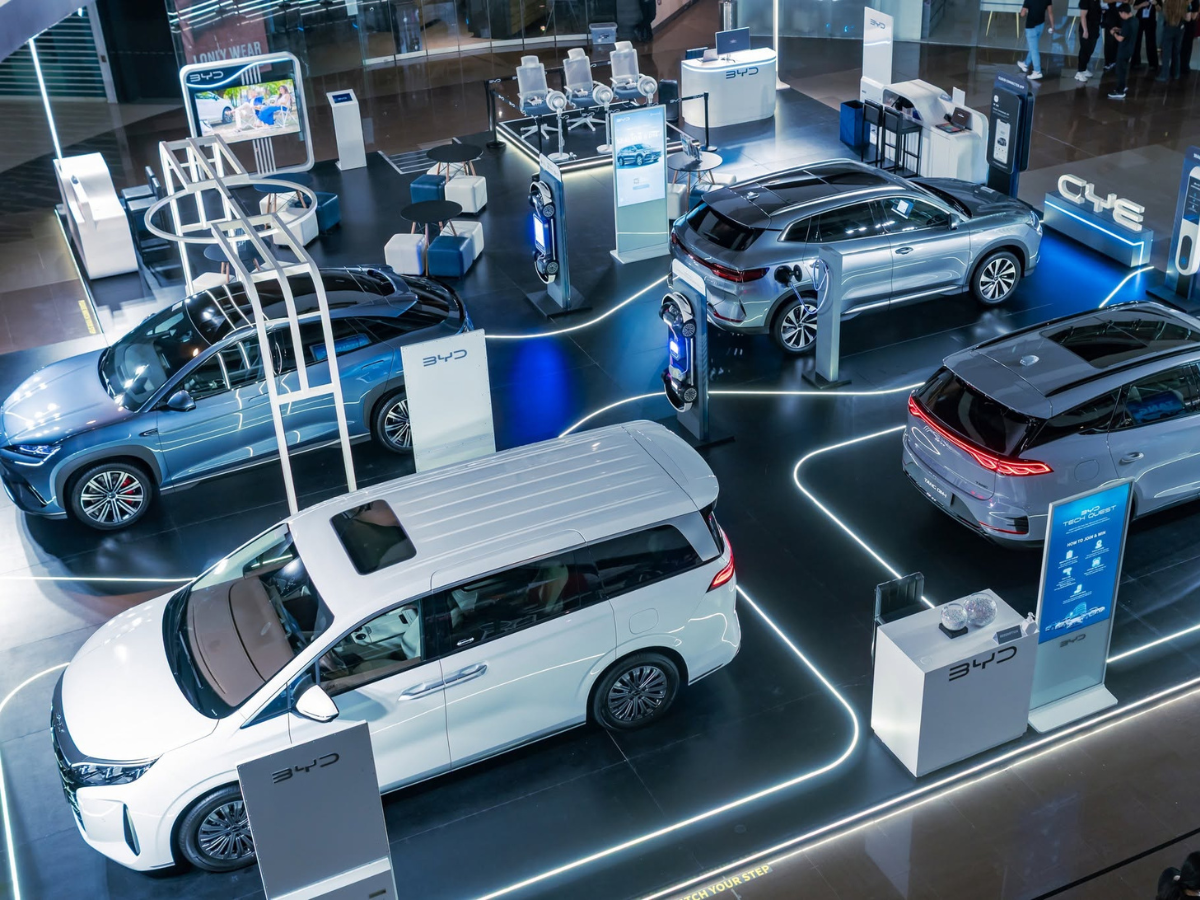
BYD’s rise has been accompanied by an expanding product portfolio, growing dealership footprint, and a nationwide campaign promoting electric mobility. The company’s investments suggest that it sees the Philippines not as a tentative market for electrification, but as a strategic growth market for long-term expansion.
As AVID enters its post-pandemic chapter, BYD’s inclusion may ultimately be remembered as more than just a membership announcement. It may serve as a marker of a broader transition taking place across the Philippine automotive landscape — one where the industry’s future is increasingly being shaped by electrification, software, connectivity, and a new generation of global players.
For legacy manufacturers, the message is becoming difficult to miss: the disruption is no longer coming. It is already here.