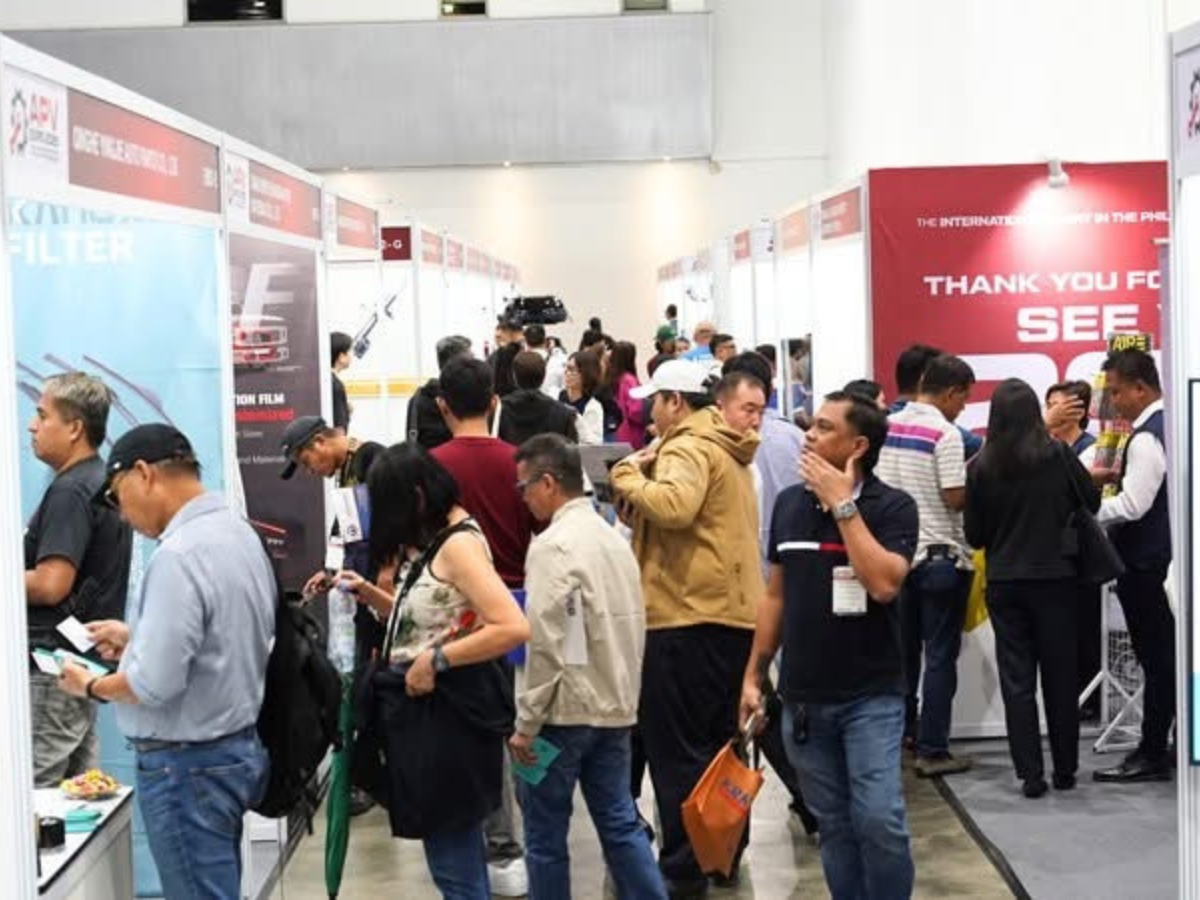

The Philippine Manufacturing Week 2026 is shaping up to be one of the biggest industrial trade gatherings yet, as it aims to become a strategic meeting ground for the country’s automotive, manufacturing, and precision engineering sectors. Leading the charge is the Auto Parts & Vehicles Expo Philippines (APV Expo 2026), which will coincide with the Philippine Die and Mould Machineries and Equipment Exhibition (PDMEX 2026).
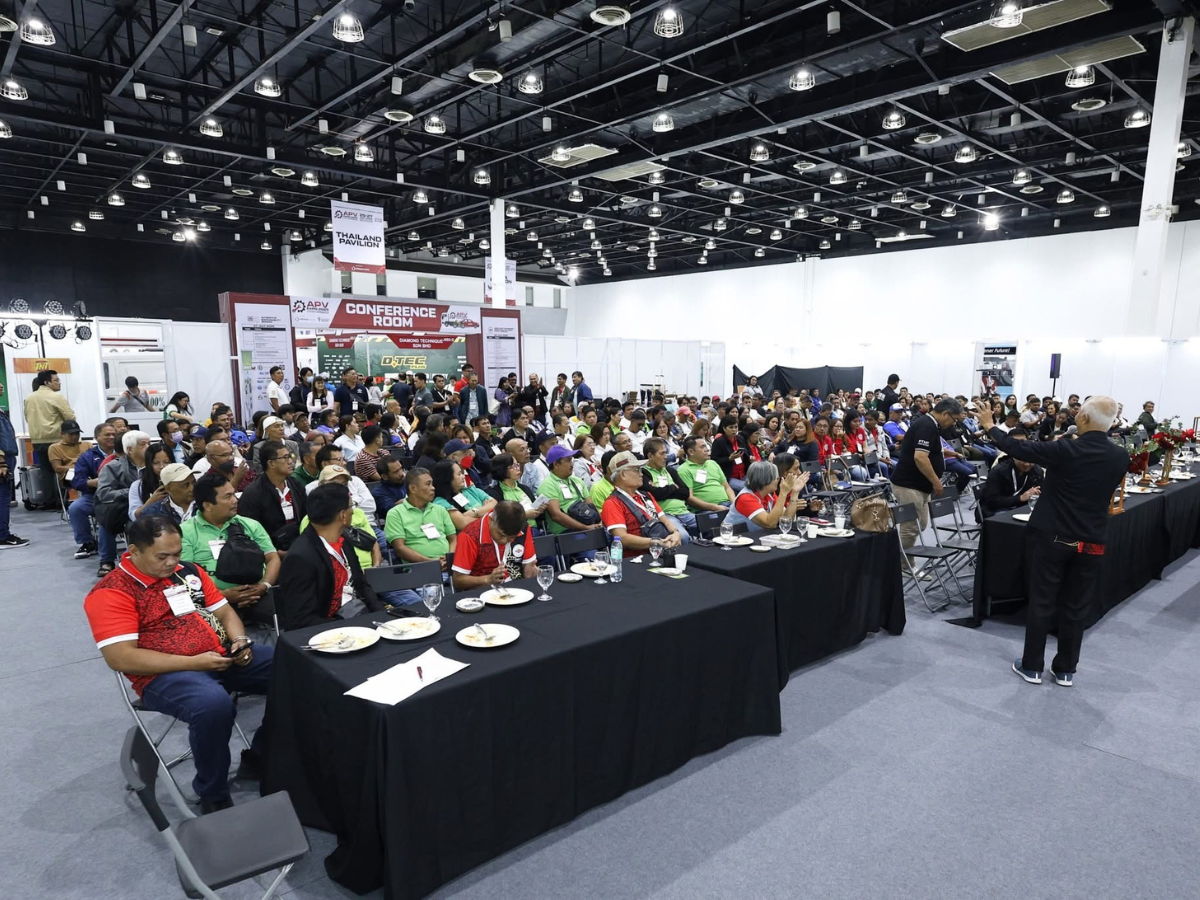
Organized by Informa Markets Philippines, the event is slated to happen at the World Trade Center Metro Manila from July 23 to 25, 2026. It is expected to attract around 13,000 visitors and over 200 local and international exhibitors. The combined expo will serve as a venue for business matching, technical seminars, industry forums, and networking opportunities involving manufacturers, suppliers, investors, and technology providers.
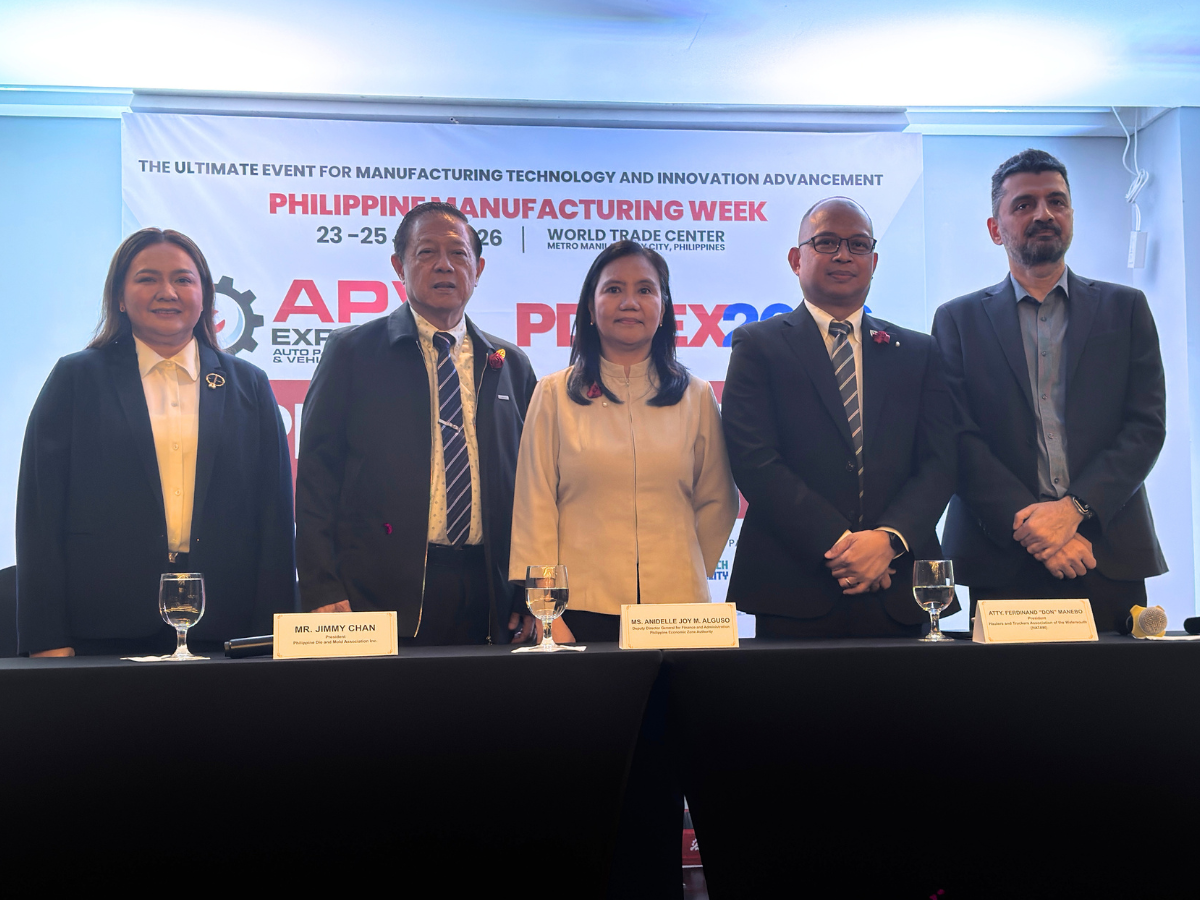
During its pre-event press briefing, Informa Markets Philippines Country General Manager Ms. Rungphech Chitanuwat highlighted how APV Expo 2026 could create opportunities for micro, small, and medium enterprises (MSMEs), especially as industries continue adapting to electrification, automation, and evolving mobility demands.
She noted that the event would allow smaller businesses to explore innovation-driven technologies that could help improve efficiency and reduce operating costs. Chitanuwat also pointed out that logistics and mobility remain deeply connected to manufacturing growth, with electric vehicles becoming increasingly important to the future of industrial development.
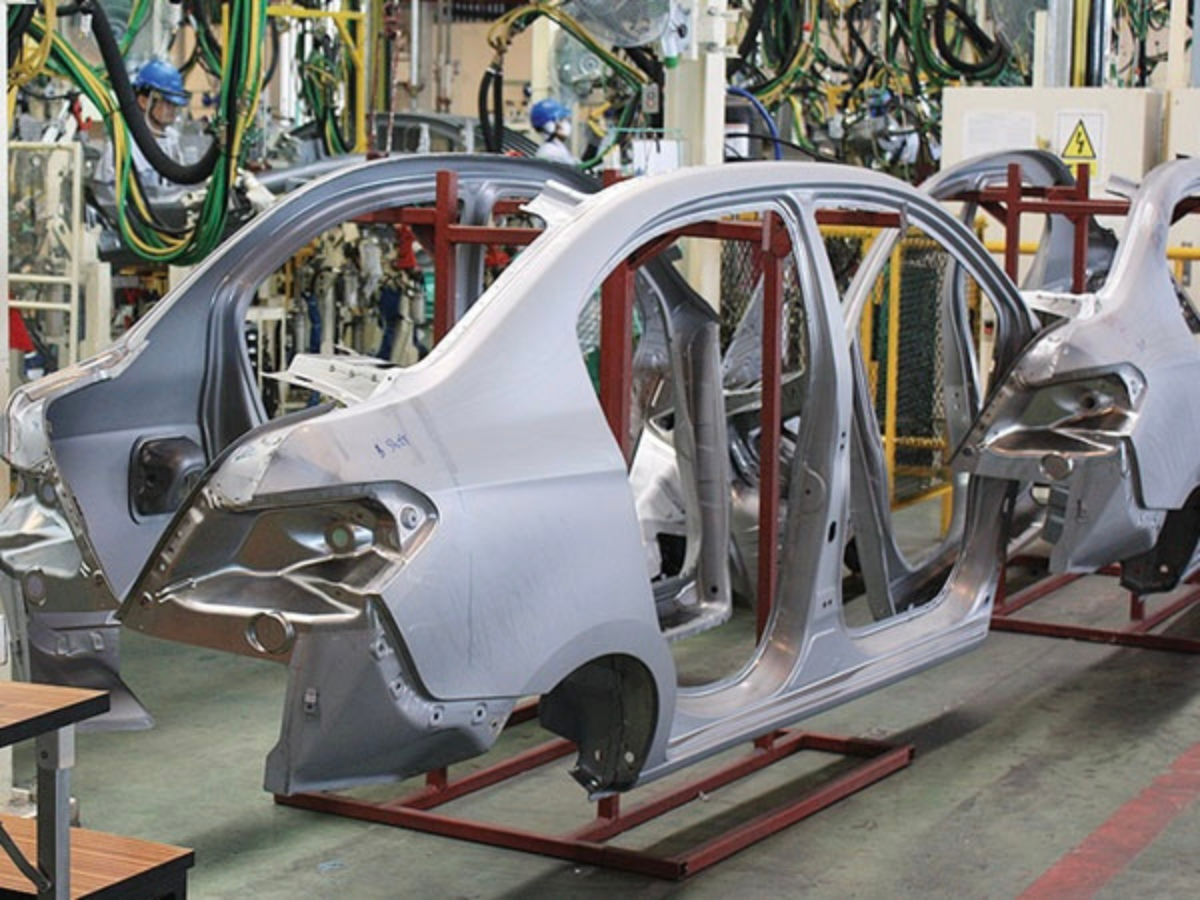
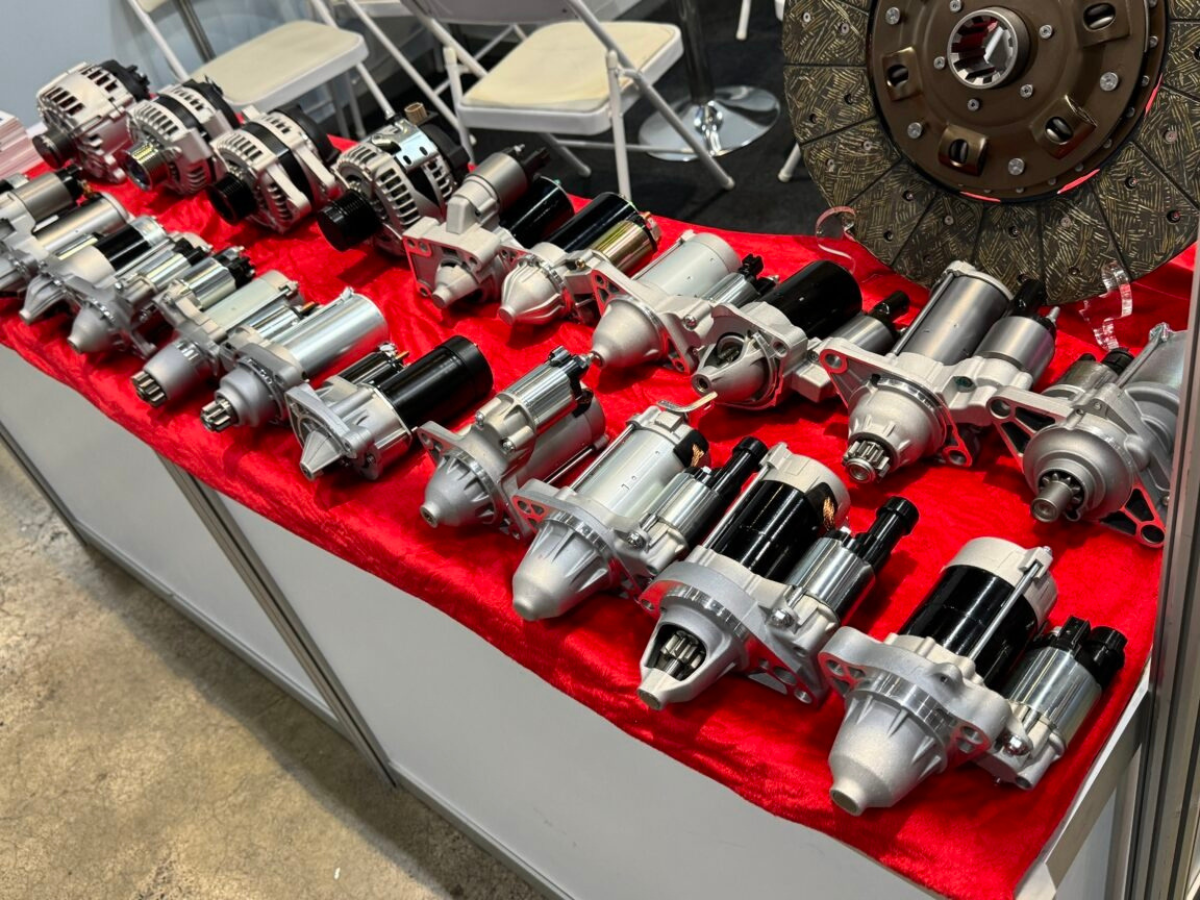
The automotive sector itself continues to show strong momentum. According to figures shared during the launch, the Philippine automotive market reached 515,400 units in 2025 and is projected to grow at a compound annual growth rate of 8.41% through 2034. The local auto parts and accessories market is likewise expected to expand as manufacturers push for greater localization and supply chain development.
Beyond automotive manufacturing, discussions also emphasized the critical role of die and mould technologies across multiple industries. Philippine Die Manufacturers Association President Raymond Chan explained that nearly every manufactured product, from smartphones and cameras to motorcycles and construction materials, depends on mould and tooling processes.
“Anything that is going to be manufactured has to go through a die and mould process,” Chan said, underscoring how precision engineering remains foundational to industrial production despite the rise of newer technologies such as additive manufacturing and 3D printing.
Autocar’s Take
Probably the biggest takeaway from the upcoming Philippine Manufacturing Week 2026 is that the country’s manufacturing sector is no longer just talking about growth — it is actively preparing for transformation. What stood out during the briefing was how strongly the conversation revolved around MSMEs, supply chains, electric vehicles, and technology adoption.
APV Expo 2026 and PDMEX 2026 are not simply trade shows; they are becoming platforms where local businesses can discover practical solutions, form partnerships, and better understand where the automotive and manufacturing industries are headed. The emphasis on die and mould technology also served as a reminder that behind every modern vehicle or gadget is a precision manufacturing ecosystem quietly powering it all.