
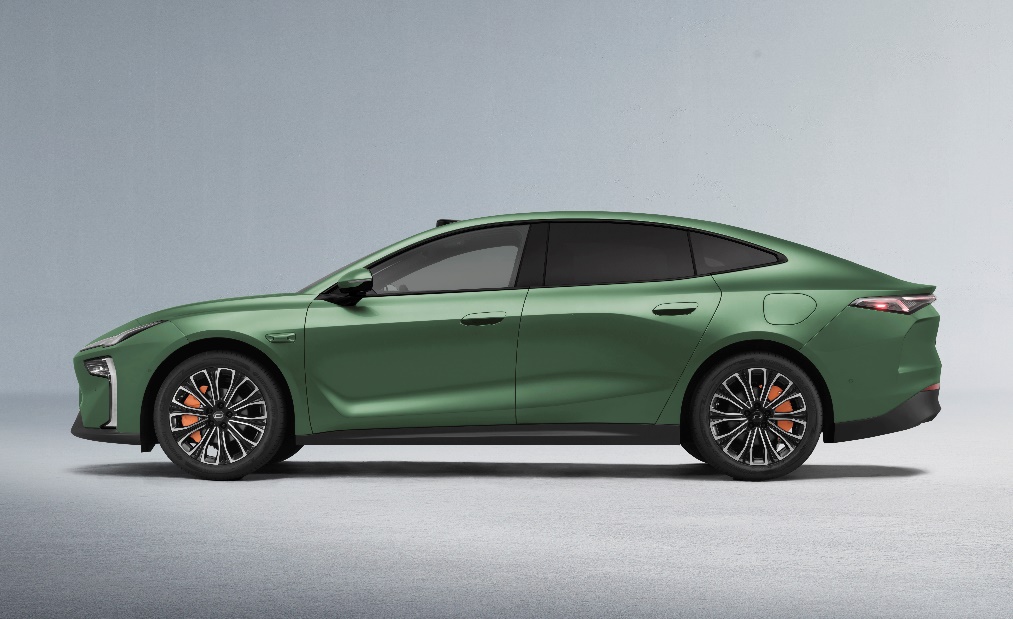
FAWCAR is set to introduce three models under its new-energy vehicle brand JOYEE in the Philippines on October 22, expanding its local lineup with the S04 all-electric SUV, S08 hybrid SUV and N09 flagship coupe.
The launch marks another step in the Chinese automaker’s overseas expansion, with the three vehicles targeting different segments of the family mobility market, from urban commuters to larger households and buyers seeking a premium driving experience.
FAWCAR, the global mobility brand of China’s FAW Group, draws on the latter’s more than 70 years of automotive manufacturing experience. The company operates two brands: BESTUNE, which focuses on conventional fuel-powered vehicles, and JOYEE, which specializes in new-energy vehicles offering electrified powertrain technologies.
FAWCAR said it has been developing products suited to Philippine driving conditions, including high temperatures, heavy rainfall, congested urban roads and varied road surfaces.
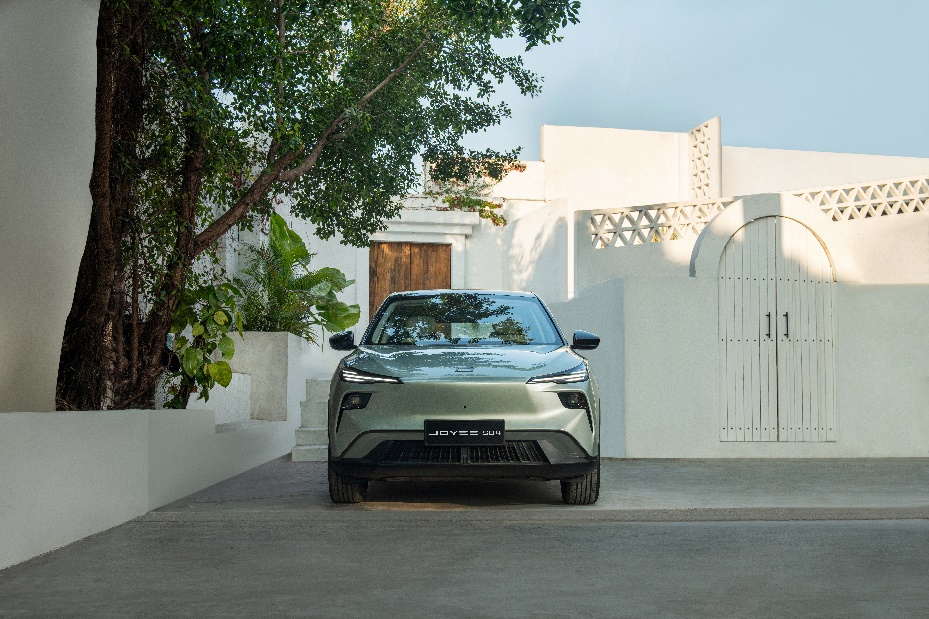
JOYEE S04: All-electric urban SUV
Positioned as an urban SUV for young families, the JOYEE S04 is the brand’s global debut model. It features a claimed driving range of up to 565 kilometers and energy consumption of 11.8kWh per 100km.
The electric SUV has a 2,750mm wheelbase, which should help provide cabin space for everyday family use. Its aerodynamic design achieves a claimed drag coefficient of 0.248, while a panoramic glass roof with heat insulation is intended to improve comfort in tropical conditions.
FAWCAR also highlights the S04’s high-strength steel body structure and 2,000MPa ultra-high-strength door anti-collision beams as key safety features. The vehicle uses a high-polymer carbon nano-coated battery technology, which the company says is designed to address operating conditions in hot climates.
JOYEE S08: Hybrid SUV for families
The JOYEE S08 is aimed at larger families requiring a combination of electric driving capability and long-distance flexibility.
It is powered by a 1.5-liter turbocharged engine developed specifically for hybrid applications. FAWCAR claims an electric driving range of up to 210km and a combined range of 1,555km.
Fuel consumption is rated at as low as 3.9 liters per 100km under low-battery conditions, according to the manufacturer.
Other highlighted features include a reinforced body structure, an IP68-rated waterproof battery system and seats made using bio-based materials that the company describes as zero-formaldehyde.
JOYEE N09: Premium flagship coupe
Completing the lineup is the JOYEE N09, positioned as a B+ segment flagship coupe with both battery-electric and range-extender powertrain options.
Its technology package includes a Qualcomm Snapdragon 8295P intelligent cockpit platform, a 23-speaker Dolby Atmos audio system, frameless power doors and nine airbags.
The N09 also features an 800-volt electrical architecture and supports 6C ultra-fast charging. FAWCAR claims a zero-to-100km/h acceleration time of 6.4 seconds.
The Manila debut will provide the first opportunity for Filipino consumers to see the three JOYEE models officially introduced in the local market. Pricing, specifications and availability details for the Philippines have yet to be confirmed in the supplied announcement.
The launch is expected to strengthen FAWCAR’s local presence as competition in the country’s electrified vehicle market continues to expand.
Author’s Take
FAWCAR’s decision to bring three JOYEE models to the Philippines is an interesting move, particularly as Filipino buyers become more familiar with electrified vehicles. Offering a pure-electric SUV, a hybrid SUV and a premium coupe gives the brand a broader starting point than launching with a single model.
Of the three, the S08 hybrid SUV could be the most relevant to the Philippine market. While its claimed electric range could make daily commutes more economical, its combined range of up to 1,555km addresses one of the biggest concerns among Filipino motorists: the practicality of long-distance travel without having to depend entirely on charging infrastructure. For families who regularly drive beyond Metro Manila, that flexibility could be a compelling selling point.
The S04, meanwhile, will have to compete in an increasingly crowded electric vehicle market. Its claimed 565km range and low energy consumption are promising on paper, but real-world efficiency, charging compatibility, battery performance in tropical conditions and the availability of after-sales support will ultimately matter more than headline specifications.
The N09 presents a different challenge. Its premium features and advanced charging technology may attract buyers looking for something beyond the usual mainstream offerings, but Filipino consumers in this segment will expect more than impressive equipment. Build quality, software reliability, parts availability and the strength of the dealer network will be equally important.
Ultimately, JOYEE’s success will depend on how FAWCAR translates its technical promises into a convincing ownership experience. Competitive pricing, a dependable service network, transparent warranty coverage and accessible parts will be critical to winning the confidence of Filipino buyers.
The three models certainly give JOYEE an interesting proposition. But in a market where value, practicality and peace of mind remain major purchase considerations, the real test begins when the Philippine prices and complete local specifications are announced.