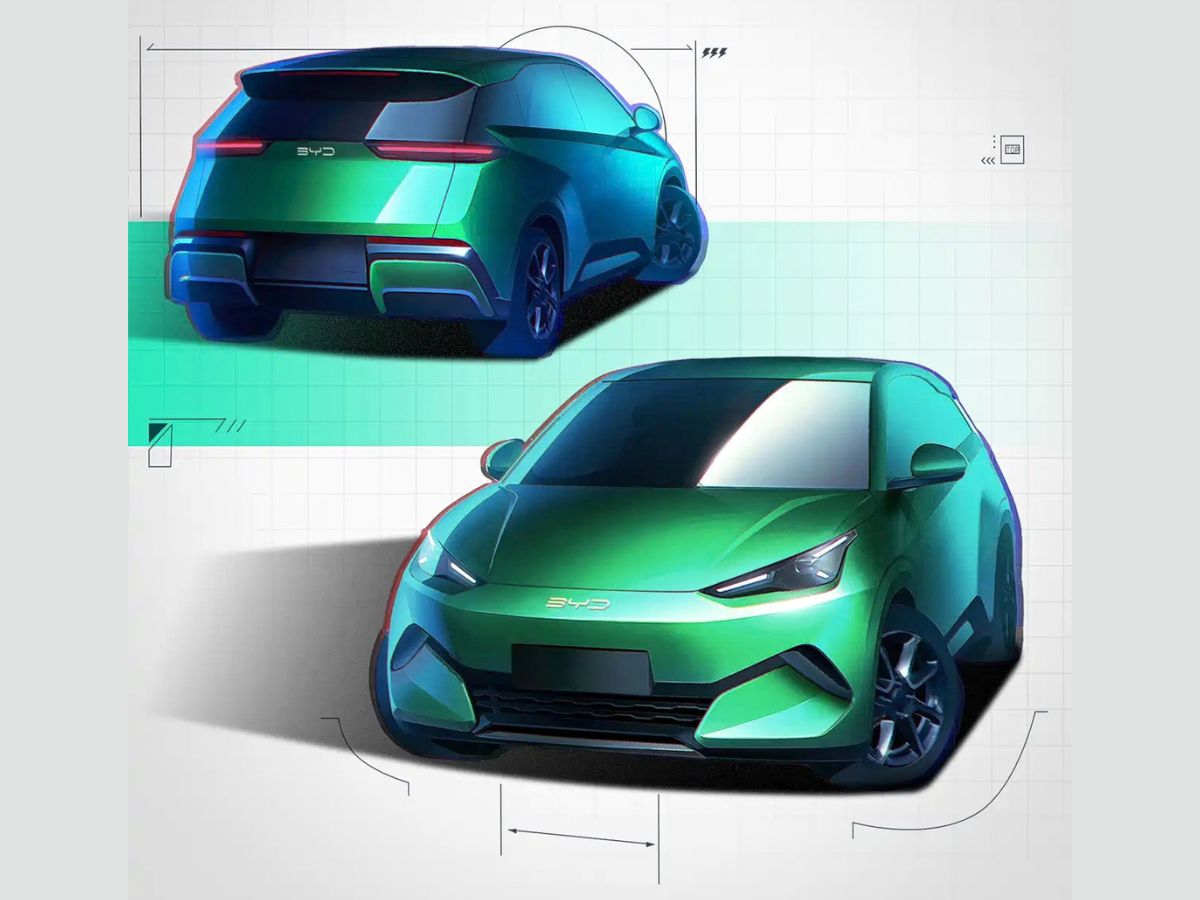
The BYD Seagull is about to become a very different kind of small electric car. Over in China, BYD has released official design sketches of the second-generation Seagull, revealing a model that has grown substantially in almost every direction while keeping enough of the current car’s visual identity to remain recognizable.
The biggest change is its size. The new Seagull stretches 4,205mm long, 1,810mm wide and 1,570mm tall, riding on a 2,650mm wheelbase. Compared with the current model, that represents an additional 425mm in length, 95mm in width and 150mm between the axles.
That is a significant transformation for a nameplate originally positioned as one of BYD’s smallest and most affordable EVs. The longer body and wheelbase also allow the new Seagull to accommodate five occupants, potentially making it considerably more practical as an everyday family car.
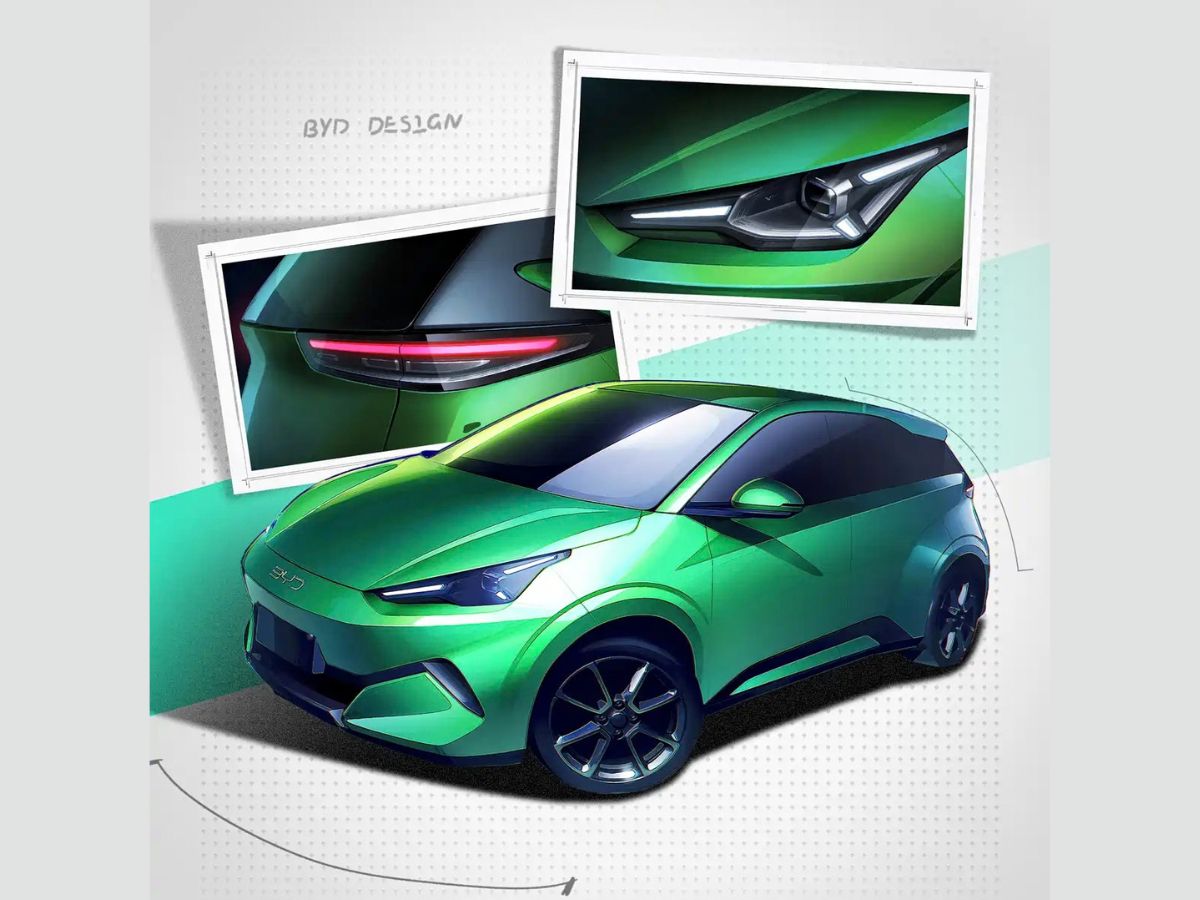
The exterior retains the familiar basic character of the current Seagull, but BYD has given it a sharper appearance. The headlights adopt a distinctive trident-like design, while stronger bonnet contours and a redesigned bumper give the front end a more substantial presence. Air ducts are incorporated into the lower bumper, while some versions are expected to feature a roof-mounted LiDAR sensor.
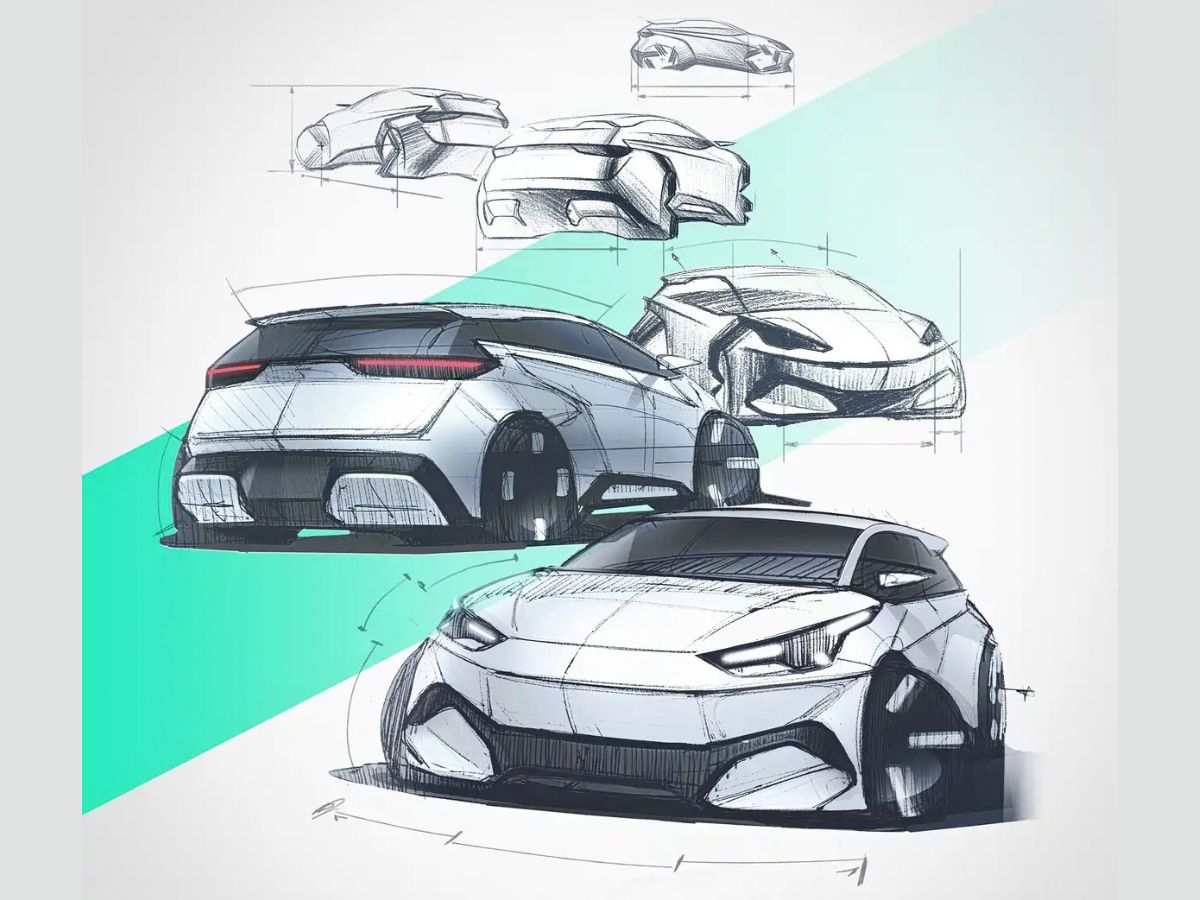
From the side, the Seagull’s recognizable window profile remains, although the body now has cleaner surfacing and a more forward-leaning stance. At the rear, the spoiler and redesigned bumper add a sportier appearance, while the taillights have been separated rather than continuing the full-width treatment seen on the current car.
The interior receives an equally significant makeover. A large central touchscreen dominates the dashboard, while the traditional instrument cluster has been removed from the driver’s immediate view. Physical controls remain, accompanied by a wireless charging pad and additional storage areas. A redesigned two-spoke steering wheel completes the cleaner cabin layout.
Performance is also moving up considerably. The new Seagull is listed with a 95kW permanent-magnet synchronous motor, giving it roughly 127hp and a claimed top speed of 150km/h. That represents a substantial increase over the current model’s 55kW motor. Lithium iron phosphate batteries will continue to provide the energy storage.
For Philippine motorists, the bigger question is where this new Seagull could fit locally. The current model’s compact dimensions make it particularly interesting for urban use, but the second-generation car’s larger footprint and five-seat configuration could make it more relevant to buyers looking for an affordable EV that doesn’t feel quite so compromised on space.
There is no confirmed Philippine launch or specification yet, however. If BYD eventually brings this larger Seagull to the local market, it could give the brand an intriguing new entry point between the smallest urban EVs and larger electric hatchbacks.
Autocar’s Take
The second-generation Seagull looks like BYD is trying to stretch the nameplate beyond its original role as a basic urban EV. The increase in dimensions is particularly notable, because the extra wheelbase and five-seat layout could make the car substantially more useful for everyday driving. The jump to a 95kW motor also gives it considerably more performance headroom, while the available LiDAR suggests that BYD wants to bring more sophisticated driver-assistance technology into this segment. For the Philippines, its eventual positioning will be interesting. A larger Seagull could appeal to buyers who want an EV that remains compact but offers greater practicality and technology.