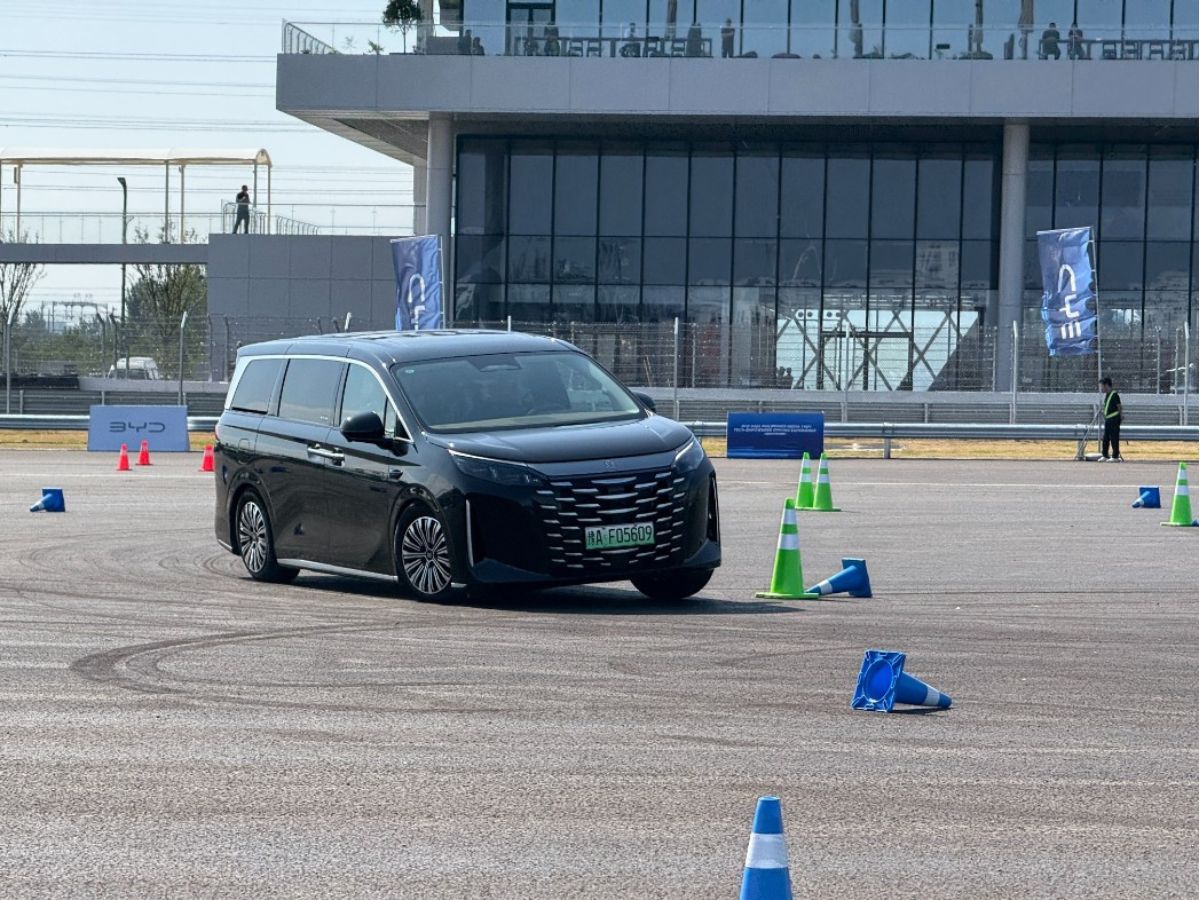
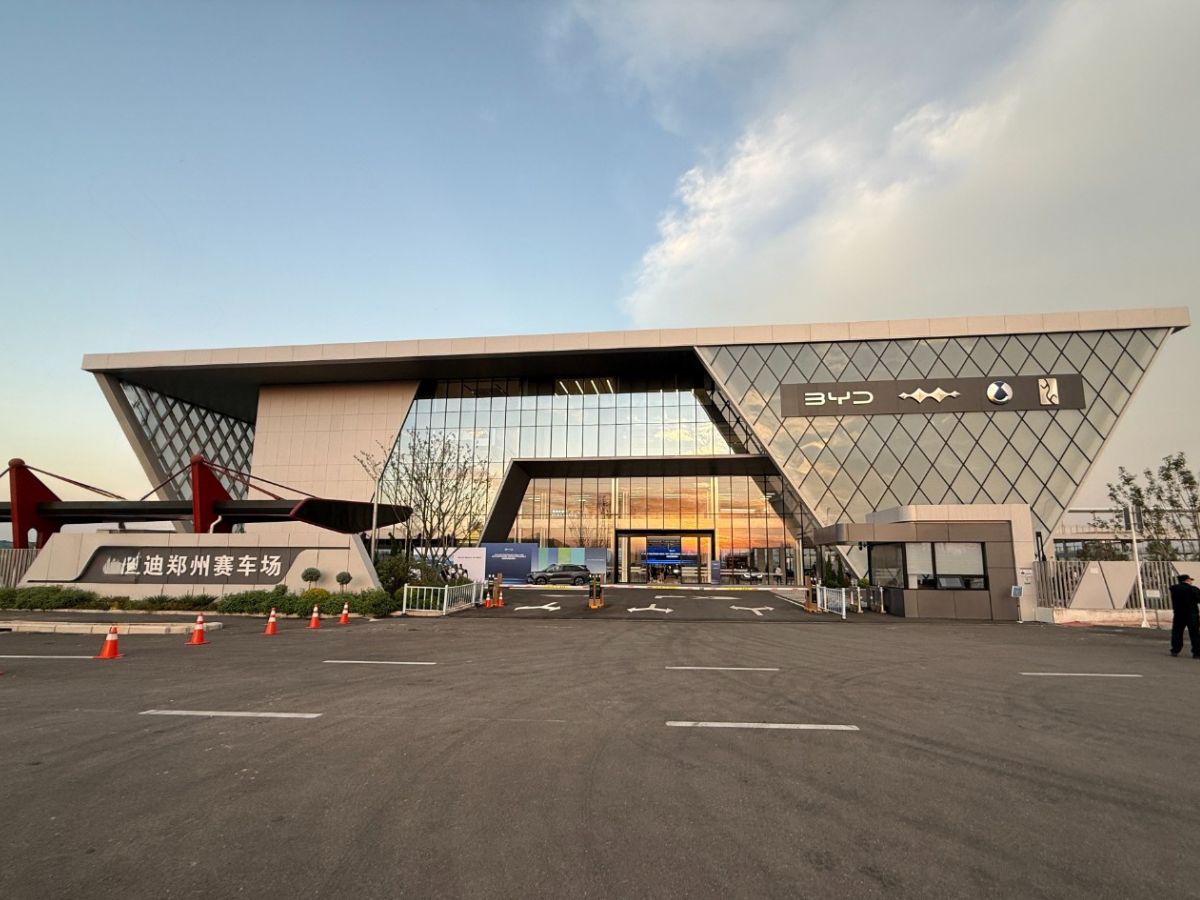
BYD has never been shy about its ambitions, but its latest target may be its boldest yet. During the company’s annual shareholder meeting in Shenzhen, BYD Chairman Wang Chuanfu outlined a vision that would see the Chinese automaker overtake Toyota and become the world’s largest automaker by 2030. The goal highlights how rapidly BYD has grown from a battery manufacturer into one of the most influential automotive companies in the world.
The challenge ahead remains significant. BYD sold approximately 4.6 million vehicles globally in 2025, while Toyota retained its position as the industry’s sales leader with around 11.3 million deliveries. Closing that gap within the next four years would require BYD to dramatically increase production, expand its international footprint, and continue attracting new customers in key markets.
According to Wang, technology will play a major role in that effort. The executive pointed to the company’s latest lithium iron phosphate battery technology, which supports ultra-fast charging and aims to reduce one of the biggest concerns among electric vehicle buyers. BYD believes continued advancements in battery development will help drive future sales growth and strengthen its competitiveness against established global brands.
Beyond technology, overseas expansion is expected to be another critical pillar of the company’s strategy. While competition and softer demand have affected portions of China’s domestic market, BYD has been seeing encouraging results abroad. The automaker reported strong growth in international deliveries, with increasing demand coming from Southeast Asia, Europe, South America, Australia, and the Middle East.
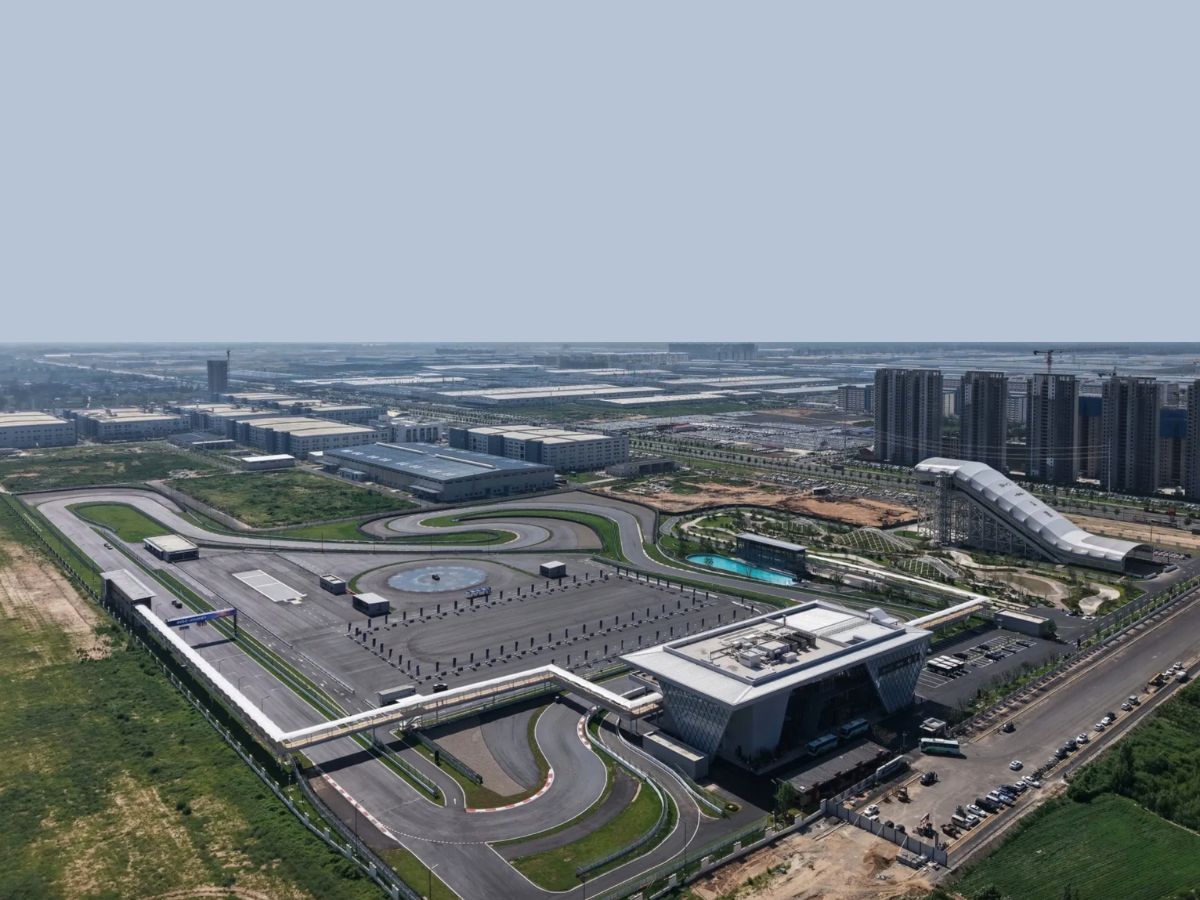
To support that growth, BYD is investing in manufacturing facilities outside China. The company already produces vehicles in several overseas markets and is preparing to expand its European production footprint. Localized manufacturing is expected to improve supply chains, reduce trade barriers, and strengthen the brand’s position in global markets.
Whether BYD ultimately surpasses Toyota remains to be seen, but the announcement reflects a noticeable shift taking place across the automotive industry. Chinese automakers are no longer content with dominating their home market. Instead, they are now positioning themselves as global contenders.
Autocar’s Take
Five years ago, the idea of BYD challenging Toyota for the global sales crown would have sounded far-fetched. Today, it feels like a conversation worth having. The BYD 2030 sales target is surely ambitious, especially considering Toyota’s enormous scale and global presence. Still, BYD’s rapid growth, battery technology leadership, and expanding global footprint points to a reality that the brand is now a serious challenger. Whether the company becomes the world’s largest automaker by 2030 is almost secondary. What’s more important is that BYD has reached a point where such a goal seems plausible. That alone says a lot about how quickly the automotive landscape is changing.