
Coalition 169, a transport and motorists’ advocacy group, has raised fresh concerns over the Land Transportation Office’s (LTO) continued use of Stradcom’s IT System in several regions. The group, which describes itself as an “industry watchdog,” alleged possible regulatory lapses, excessive fees, and potential data privacy risks tied to LTO’s ongoing digital operations.
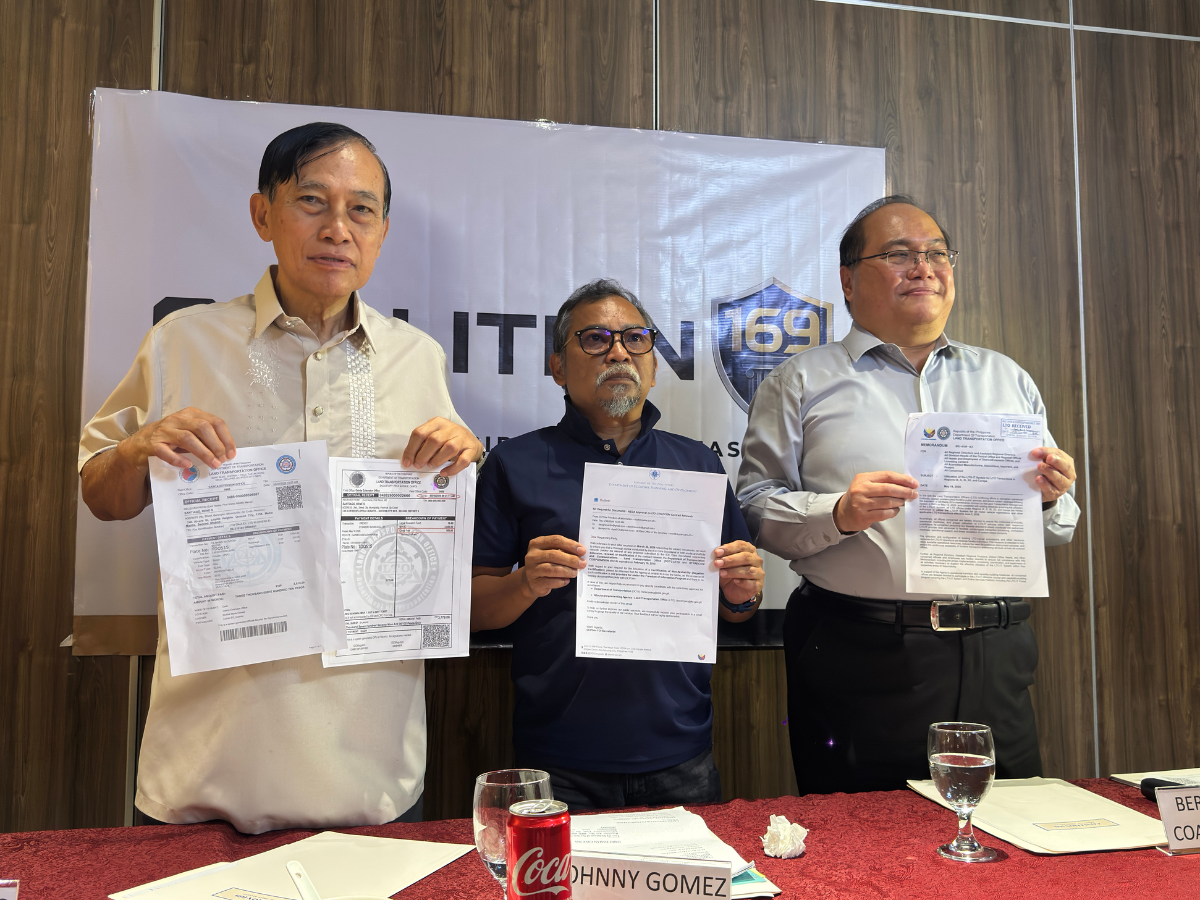
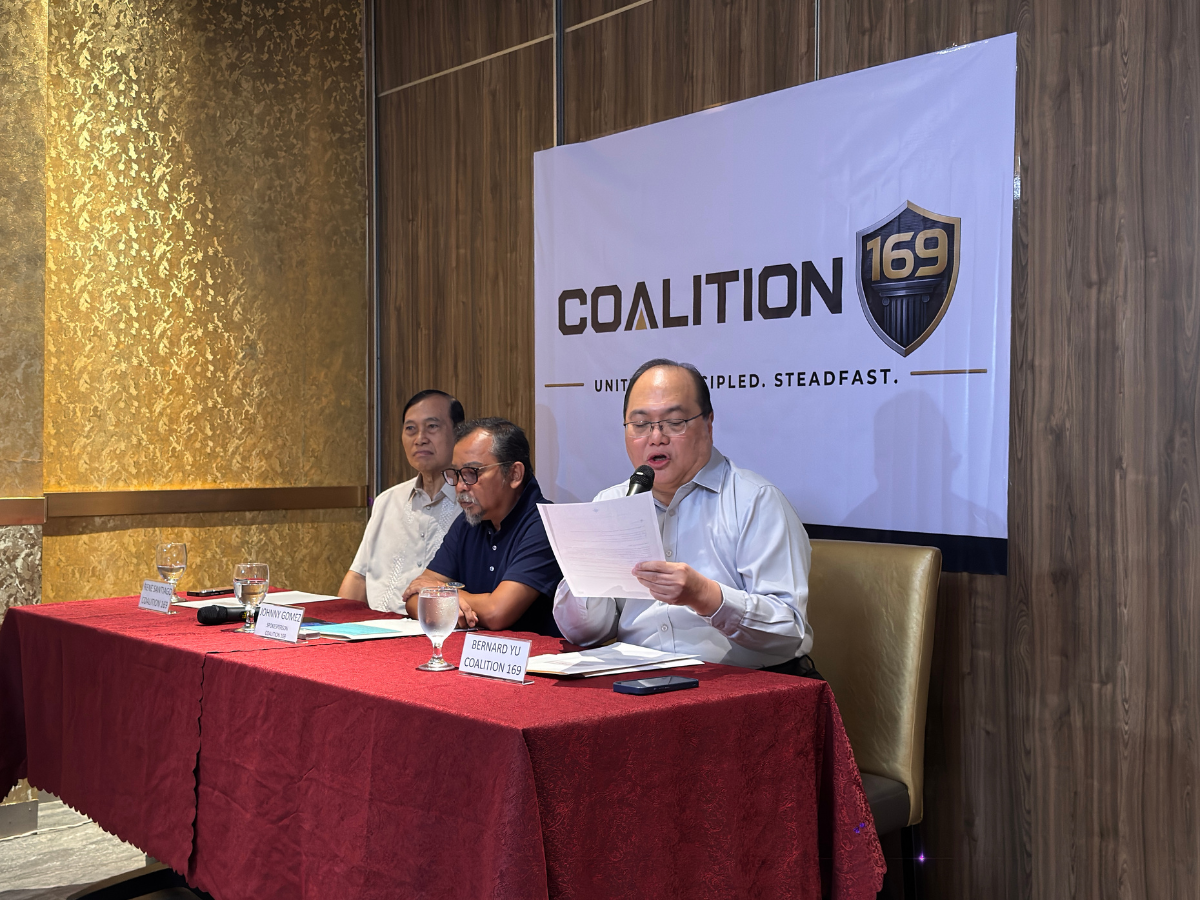
During a recent press conference, Coalition 169, led by Rene Santiago, Johnny Gomez, and Bernard Yu, said it is seeking transparency from the LTO, the Department of Transportation (DOTr), and the Department of Economy, Planning and Development (DepDev), formerly the National Economic and Development Authority (NEDA), regarding the legal basis for the continued rollout of the Stradcom IT system in Regions 9, 10, 11, 12, and CARAGA.
Coalition 169 claimed that Stradcom’s original contract with the government expired in February 2013 and argued that any extension or continued implementation should have undergone proper approval processes through DepDev. The group said it filed a complaint before the Office of the Ombudsman on May 4 against current and former transport officials over the issue.
Bernard Yu, a former LTO IT Consultant, said the coalition obtained a response from DepDev through a Freedom of Information (FOI) request. According to Yu, the document allegedly showed no approval for any extension, renewal, or modification of the agreement involving Stradcom after the original contract expired.
The coalition argued that such approvals serve as safeguards intended to help keep public fees reasonable and properly regulated under the Build-Own-Operate (BOO) agreement. The group also questioned the continued collection of the P169 “computer fee,” which it described as symbolic of what it believes are excessive fees collected from motorists over the years.
Aside from procurement and approval concerns, Coalition 169 also raised questions about data privacy and cybersecurity. The group alleged that some official LTO transactions processed through the Stradcom system use QR codes linked to non-government domains, which they said could expose public information to unnecessary risks.
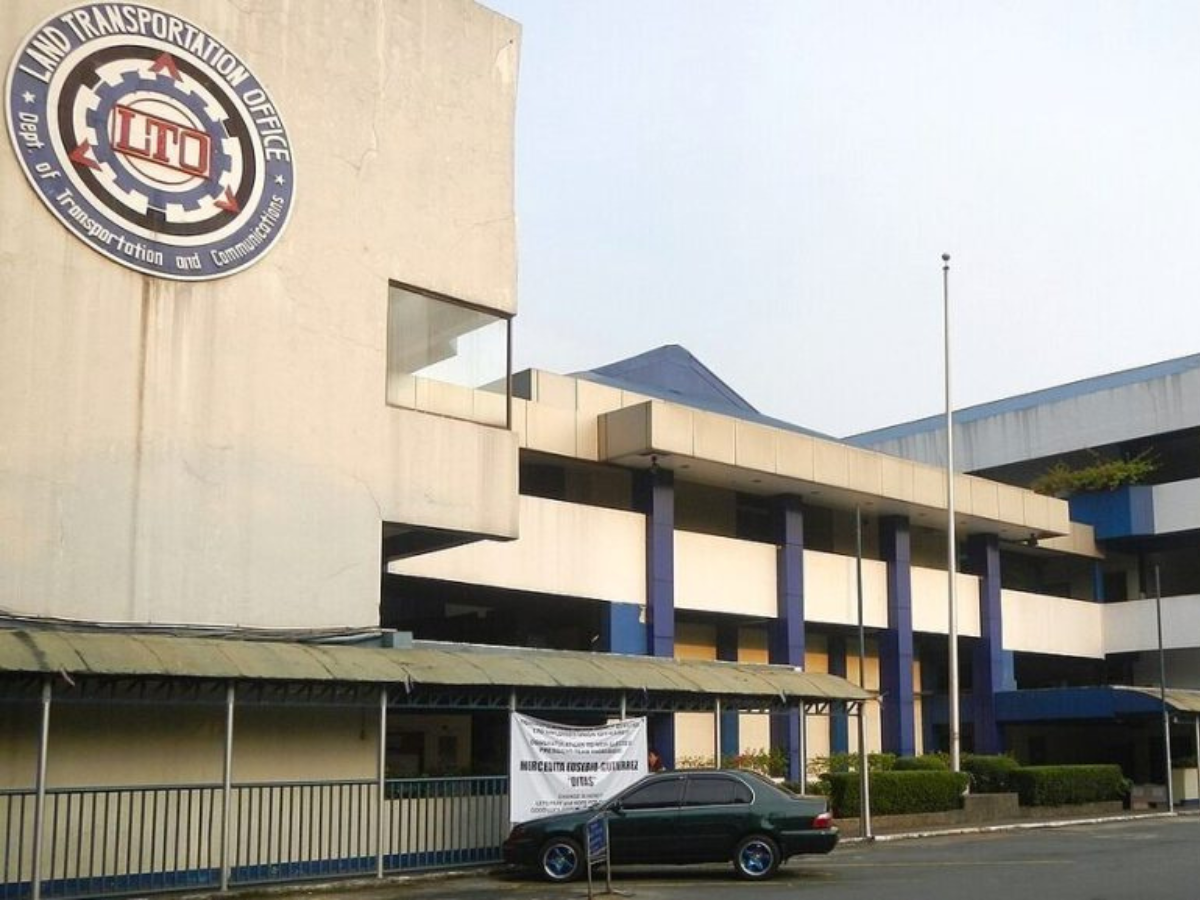
The coalition further questioned why government-owned workstations are allegedly being used for operations tied to a private BOO-type system despite the government’s implementation of the newer Land Transportation Management System (LTMS).
Coalition 169 called on government agencies to publicly disclose all approvals, clarify the legal basis of Stradcom’s continued role, and address concerns surrounding data protection and public accountability. As of posting, the LTO, DOTr, and other agencies mentioned have yet to publicly respond to the coalition’s allegations.
Autocar’s Take
Coalition 169’s allegations highlight broader questions surrounding transparency, regulatory oversight, and cybersecurity in government digital systems. As of this posting, however, the agencies in question have yet to make official responses to address the matter.
A proper dialogue between Coalition 169, LTO, and other concerned parties may help clarify the issues raised. Media briefings and press conferences help bring such issues into public discussion, and a transparent, unbiased dialogue can help address the concerns in the most diplomatic, legal way. Given the scale of public reliance on LTO digital services, a clear dialogue could help address questions related to procurement procedures, operational authority, and data protection measures.
Public disclosure of relevant approvals or documentation may also help provide context regarding the continued implementation of the system in certain regions. As government agencies continue expanding digital services, maintaining public trust will likely depend on transparency, accountability, and the consistent application of regulatory safeguards.