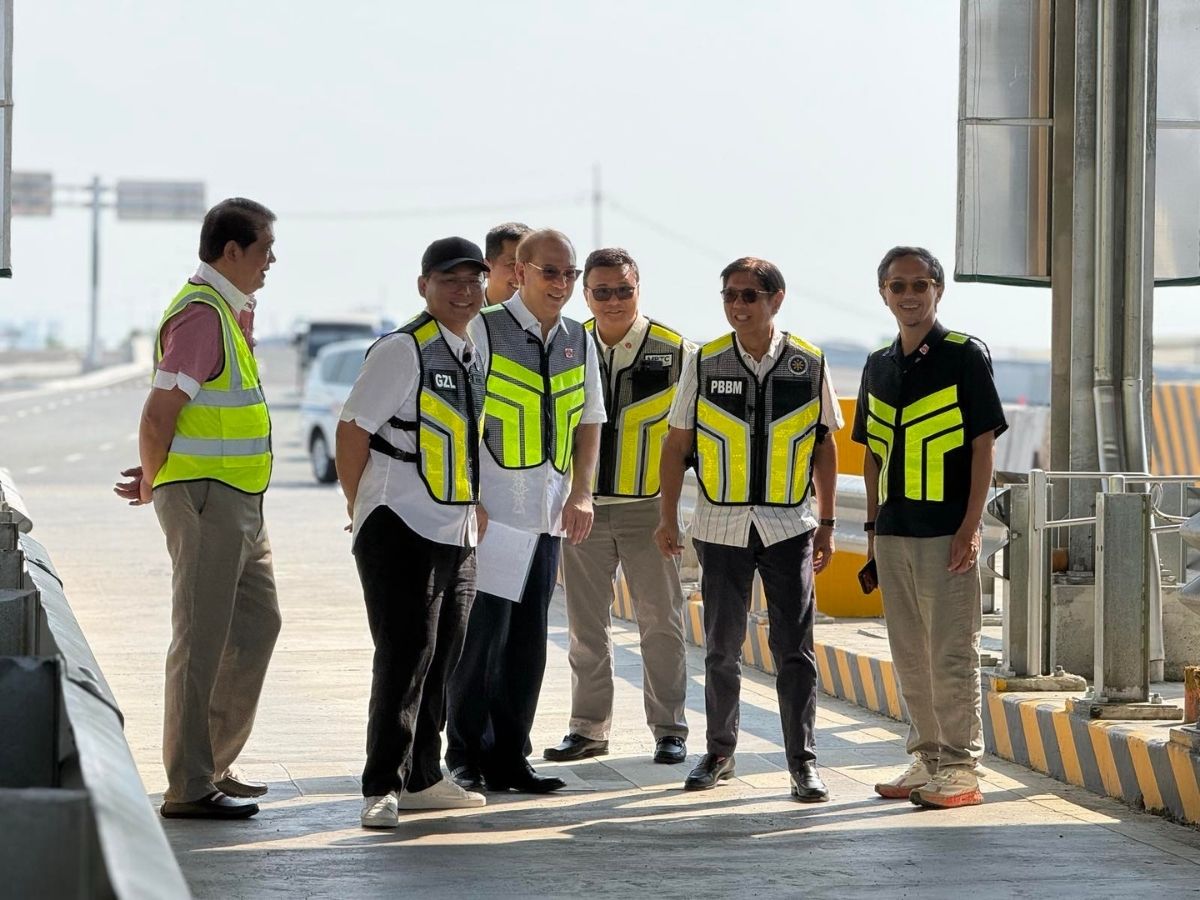


Just in time for the Holy Week holiday travel rush, the new segment of the Manila-Cavite Toll Expressway (CAVITEX) C5 Link was officially opened, marking a key addition to southern Metro Manila’s road network. The new 2-kilimeter segment aims to ease traffic congestion and cut travel time between Parañaque and Taguig.
The stretch is part of a 7.7-kilometer expressway that connects Cavite to C5 and was built in partnership with the Toll Regulatory Board (TRB), the Philippine Reclamation Authority (PRA), and the Cavite Infrastructure Corporation (CIC). It aims to provide motorists with direct access to key urban areas, including Makati, Pasay, Las Piñas, and Taguig. Officials said the project is expected to reduce travel time between Parañaque and Taguig from as much as 90 minutes to around 15 minutes.
Leading the opening ceremony was President Ferdinand Marcos Jr. He emphasized the importance of the new link in decongesting smaller roads and improving commuter efficiency. Marcos added that shorter travel times would translate into meaningful savings for motorists, particularly amid rising fuel costs and ongoing tensions in the Middle East. In line with this, Marcos said that using the new segment will be free of charge up until the end of April to lessen the burden on motorists travelling to vacation spots this Holy Week.
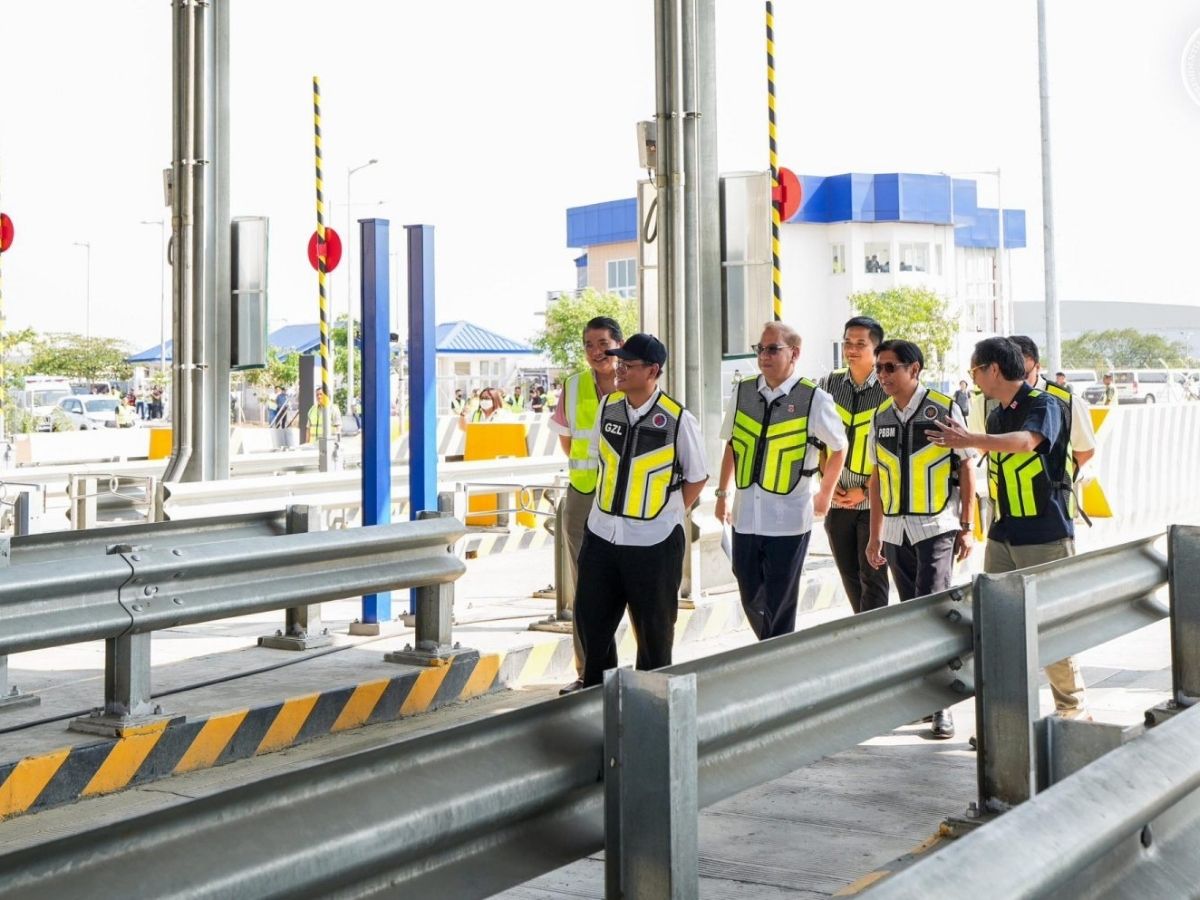
The Chief Executive was joined by Department of Transportation (DOTr) Secretary Giovanni “Banoy” Lopez, Department of Public Works and Highways (DPWH) Secretary Vince Dizon, PRA Board of Directors Chairman Alex Lopez, and Manila Pacific Tollways Corporation (MPTC) Senior Adviser Mr. Jose Maria Lim.
Secretary Lopez highlighted the project’s immediate impact, especially in heavily congested areas such as Kaingin in Parañaque. He added that the new expressway also provides seamless connections to Sucat and Merville, further improving accessibility in the south.
Meanwhile, Secretary Dizon said the government is on the move to accelerate the opening of additional road networks as Holy Week approaches, following directives from the President to reduce travel time and fuel consumption for motorists. The DPWH executive added that the strategy is particularly timely given the continued volatility in global oil supply.
With the new CAVITEX C5 Link now open, officials project that the expressway will serve up to 36,000 vehicles daily. It also provides improved access to Ninoy Aquino International Airport via key interchanges along the R1 Expressway, Sucat Road, and C5. In addition, it is also expected to strengthen logistics links between Cavite’s industrial zones and Metro Manila’s commercial centers.
Autocar’s Take
The opening of the CAVITEX X5 Link is a timely move, seeing the expected high-traffic rush this coming Holy Week, with many motorists spending the long weekend traveling to destinations in the south of the metro. It’s also a practical approach to addressing two persistent issues these days: traffic congestion and rising fuel costs. By cutting travel time significantly, the project offers immediate, tangible benefits to motorists, especially those commuting between Cavite and its surrounding areas.
However, infrastructure alone cannot fully resolve urban mobility challenges. Sustained improvements will depend on equally important measures such as efficient public transport and better traffic management. While the timing of the opening is strategic amid global oil uncertainties, the long-term impact will hinge on the consistent execution of similar projects and ensuring that accessibility gains are felt across all commuter segments.