


With fuel prices once again squeezing margins across the transport sector, Metro Pacific Tollways Corporation is stepping in with a targeted intervention that aims to ease the burden where it hurts most—daily operating costs.
In support of broader government efforts to cushion the impact of rising fuel prices, MPTC has announced the launch of the NLEX KaBiyahe toll rebate program, a time-bound initiative designed to provide immediate financial relief to key transport operators. The program will run from March 23 to May 22, 2026, and is focused on vehicles that play a critical role in moving both people and goods across Luzon.
At its core, the KaBiyahe program is straightforward: qualified transport operators will receive toll rebates ranging from P12 to P88 per passage along the NLEX Corporation network. The rebate amount varies depending on vehicle classification and entry-exit points, effectively rolling back toll rates to pre-adjustment levels.
It’s a small but meaningful reset—one that comes at a time when every peso saved can spell the difference between viability and loss for operators navigating rising diesel prices.

The program covers Class 2 Public Utility Buses (PUBs), modernized jeepneys, and Class 3 vehicles, which include large trucks and logistics carriers. These segments form the backbone of both commuter mobility and supply chain distribution, making them a logical focal point for any intervention aimed at stabilizing costs across the broader economy.
For MPTC, the move is as much about sustaining economic flow as it is about corporate responsibility. By lowering toll expenses, the company is indirectly helping temper transport fares and delivery costs—factors that ripple through to consumer prices and overall inflation.
But access to the program comes with clear conditions.
For Class 3 vehicle operators, eligibility requires an active and compliant Easytrip account with sufficient balance. Participants must also not be enrolled in other toll rebate or discount schemes across MPTC-operated expressways, such as exemptions granted to agricultural trucks.
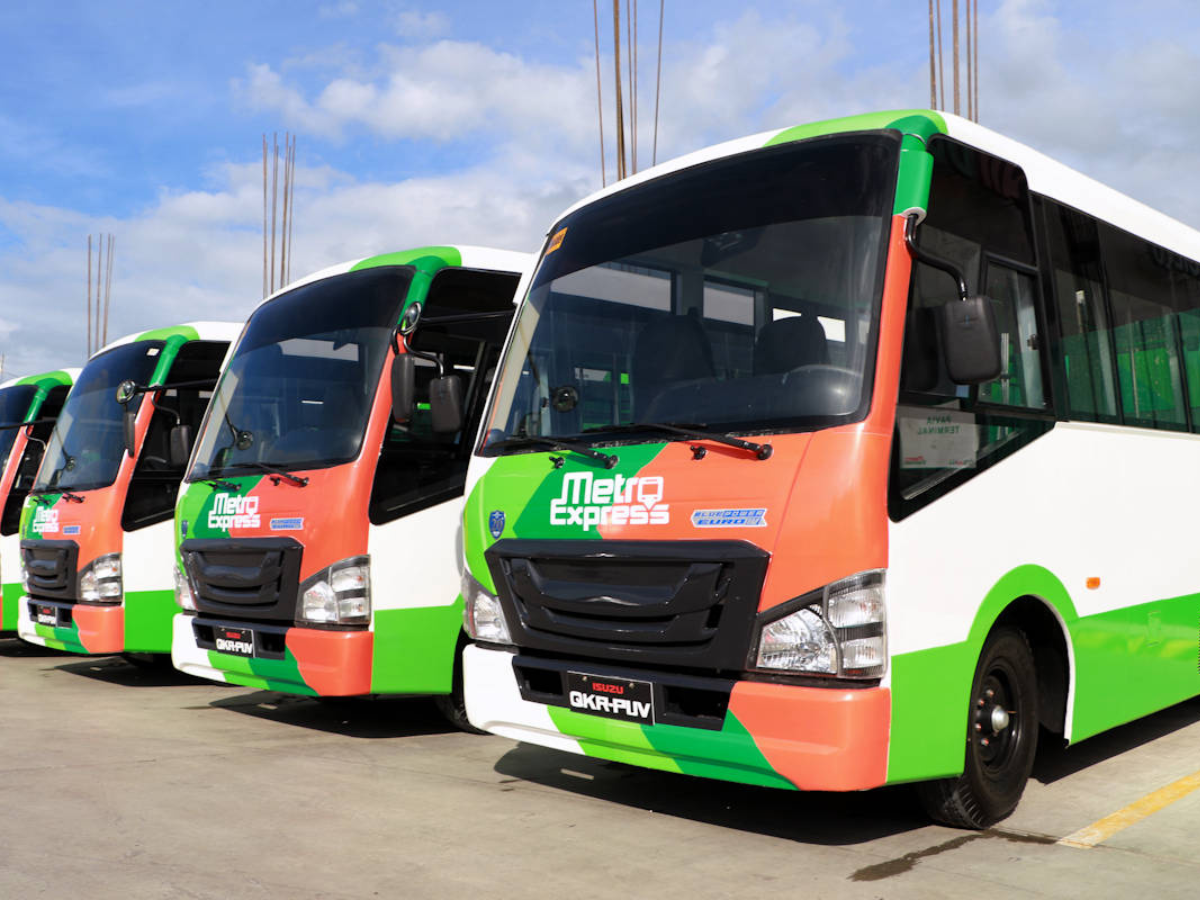
Meanwhile, PUBs and modernized jeepneys face a slightly more structured enrollment process. Operators must register for the KaBiyahe program within the application window from March 23 to April 5, 2026, and submit the necessary documentation via MPTC’s designated customer service channels.
Accreditation is key. Only operators registered with the Land Transportation Franchising and Regulatory Board (LTFRB) will be considered, reinforcing the program’s alignment with formal, compliant transport services. Like their Class 3 counterparts, these vehicles must also maintain active Easytrip accounts and remain outside other discount programs.
There is, however, a compliance catch: any operator with traffic violations or citations incurred during the program period will be automatically disqualified from receiving rebates. It’s a subtle but firm reminder that operational discipline remains part of the equation.

Beyond the rebate initiative, jeepney operators will continue to benefit from the existing Passada Card program, which provides fuel-related assistance for public utility jeepneys operating along northern corridors. Together, these measures form a layered support system—one addressing both toll and fuel cost pressures.
The timing of the KaBiyahe rollout is critical. Transport operators have been vocal about the challenges posed by fluctuating fuel prices, with many warning of potential fare hikes or reduced services if relief does not materialize. By stepping in with a targeted toll rollback, MPTC is effectively buying the sector some breathing room.
More importantly, the program underscores a growing recognition that infrastructure operators have a role to play beyond simply providing road access. In times of economic strain, they can serve as stabilizers—adjusting cost structures to support the industries that rely on them most.
Whether the KaBiyahe program becomes a template for future interventions remains to be seen. For now, it stands as a timely response to a very real problem, offering tangible savings to those who keep the country moving.
And in today’s operating environment, even modest relief can go a long way.