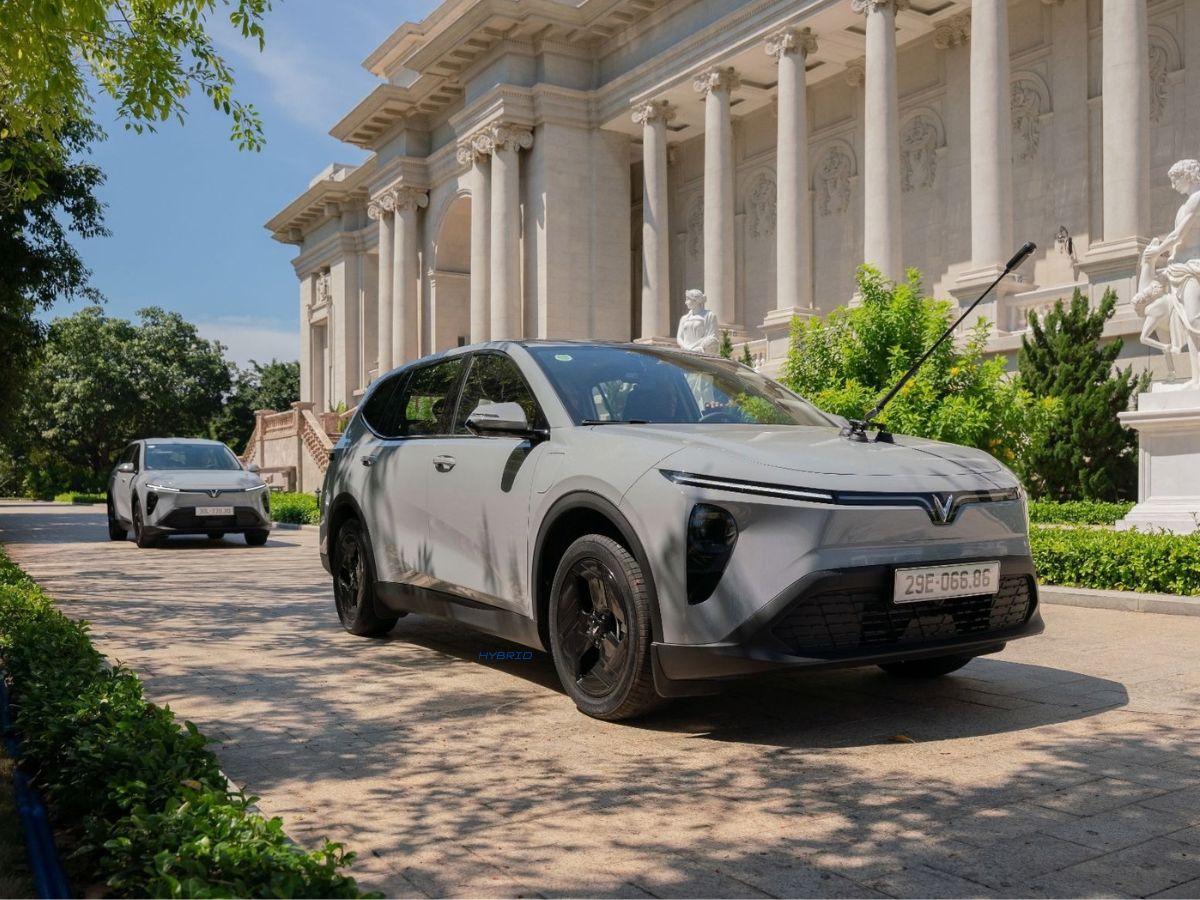


New mobility solutions such as electrified vehicles are now more common on Philippine roads today. Beyond cars and SUVs, electrified mobility is also becoming a common sight in the two-wheel market in the form of electric bikes (e-bikes) and electric tricycles (e-trikes). However, a new ruling by the Department of Transportation (DOTr) and the Land Transportation Office (LTO) may soon ban the use of e-bikes and e-trikes on major public roads starting December 1, 2025.
During the recent senate budget deliberations, Senator JV Ejercito confirmed that as per LTO Chief Assistant Secretary Markus Lacanilao, all e-bikes and e-trikes found operating on high-traffic or major public roads will be subject to apprehension. Under the new policy, any e-bike or e-trike involved in a traffic accident will automatically be impounded. Authorities see this as a necessary measure to enforce safety and regulatory compliance.
Supporters of the new rule see the move in a positive light as it shows fairness on the part of traditional tricycle operators. As mandated by the government, tricycle operators are required to undergo franchise, registration, licensing and insurance procedures; requirements that many e-vehicle operators do not meet or are unable to comply with.
Among the strongest supporters is Senator Raffy Tulfo who advised e-trike operators to not operate on major thoroughfares by December 1. Tulfo clarified that, while he does not oppose the use of e-bikes and e-trikes per se, he believes that these e-vehicles should be limited to safer, low-traffic areas. The senator went on to say, “Siguro sa loob ng mga subdivision, why not? Pero once na humalo ka na sa regular traffic… huwag na silang pumunta dun. (Maybe inside subdivisions that’s fine, but once they mix with regular traffic… they shouldn’t be there anymore).”
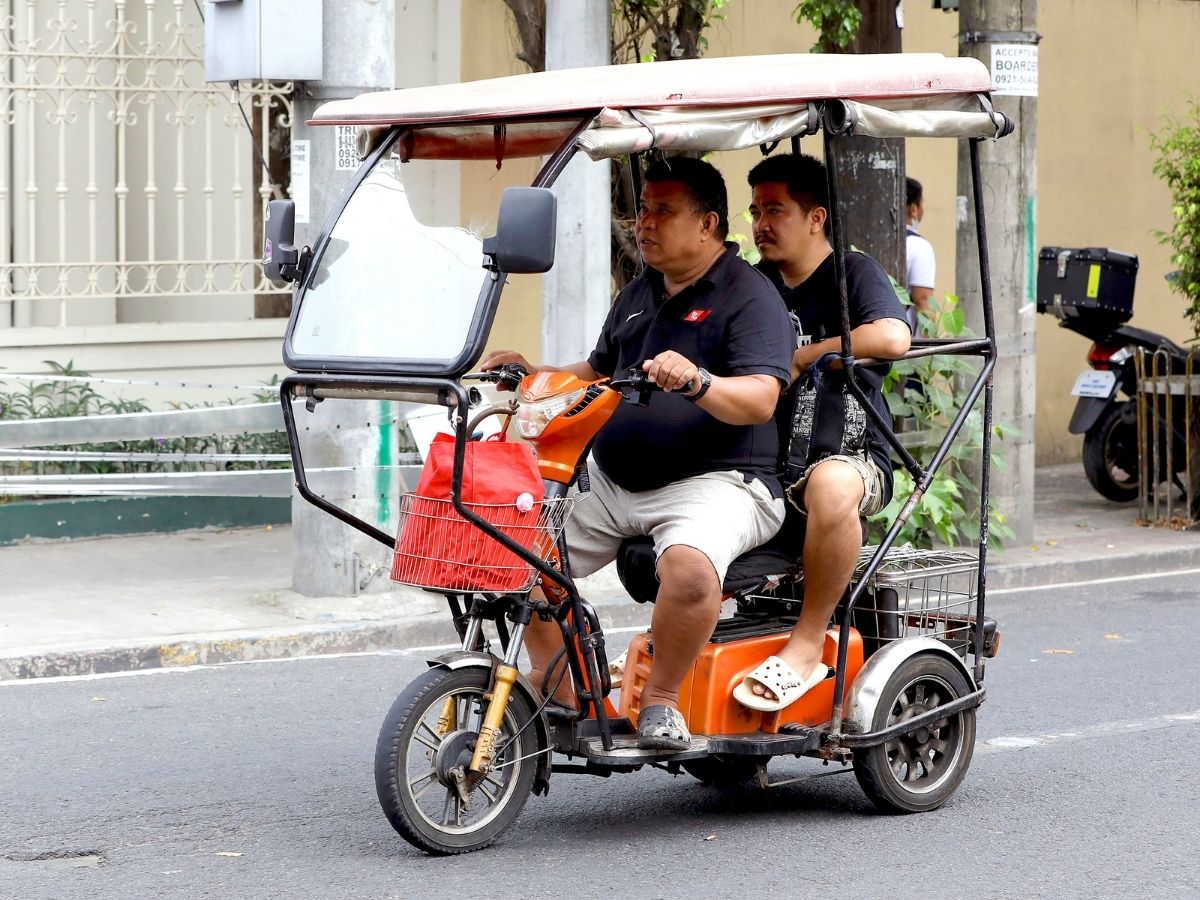
While the ban is strict on main thoroughfares, DOTr and LTO made it clear that operation of e-vehicles may still be allowed in subdivisions, barangays, or similar light-traffic areas. The government agencies noted, however, that this is still subject for future studies and possible regulations for registration, licensing, and roadworthiness. Both the DOTr and LTO are on the course to coordinate with the Department of the Interior and Local Government (DILG) to alert the local government units (LGUs) about the new policy and avoid confusion among riders.