In a bold stance against the Environmental Protection Agency’s (EPA) ambitious projections for electric vehicle (EV) adoption in the United States, Toyota USA’s CEO, Ted Ogawa, has voiced skepticism, asserting that consumer demand for EVs will not align with the EPA’s estimates. Instead, the automaker intends to rely on purchasing emissions credits to meet regulatory requirements, prioritizing prudent investment over potentially futile development ventures.
According to Toyota USA’s internal forecasts, the anticipated uptake of EVs among American consumers by 2030 falls significantly short of the EPA’s ambitious targets. While the EPA initially aimed for a 60 percent market penetration for EVs by 2030, it is speculated that this figure might be revised down to 54 percent before any concrete regulations are enacted.
Contrary to the EPA’s projections, Ted Ogawa disclosed that Toyota Motor North America expects a considerably lower adoption rate, pegged at around 30 percent. Ogawa emphasized that the company’s production strategies will be guided primarily by its own consumer forecasts rather than regulatory mandates.
Ogawa underscored Toyota’s commitment to compliance with regulations while emphasizing the paramount importance of aligning production with genuine consumer demand. Because of the anticipated disparity between its production targets and the EPA’s projections, Toyota is exploring various avenues to bridge the gap, with a particular emphasis on purchasing emissions credits to fulfill regulatory obligations.
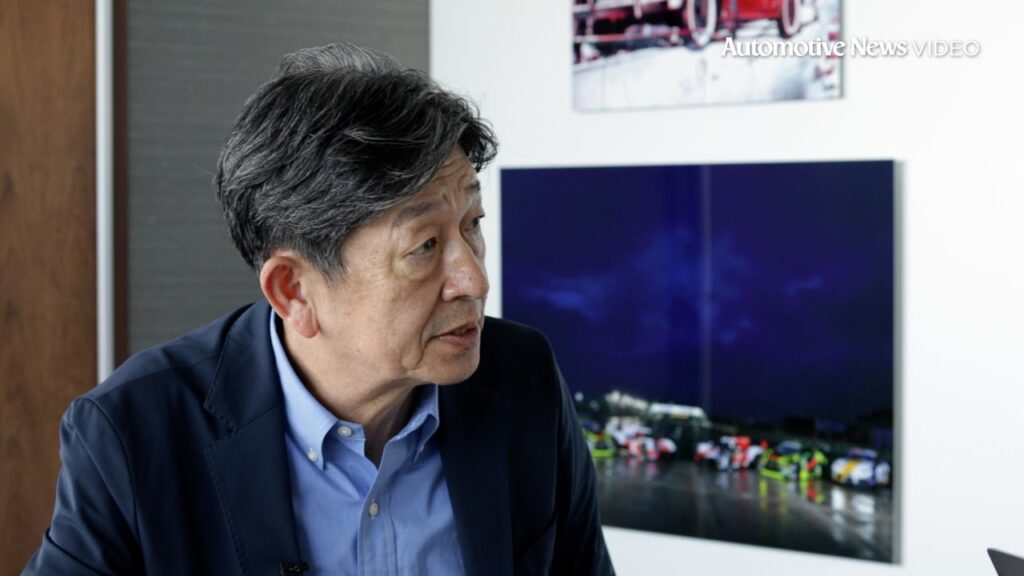
Ogawa acknowledged the necessity of considering credit purchases as a pragmatic solution, highlighting the potential pitfalls of misallocated investments. He emphasized, “Wasted investment is worse than credit purchase,” signaling Toyota’s inclination towards cost-effective measures to meet regulatory standards.
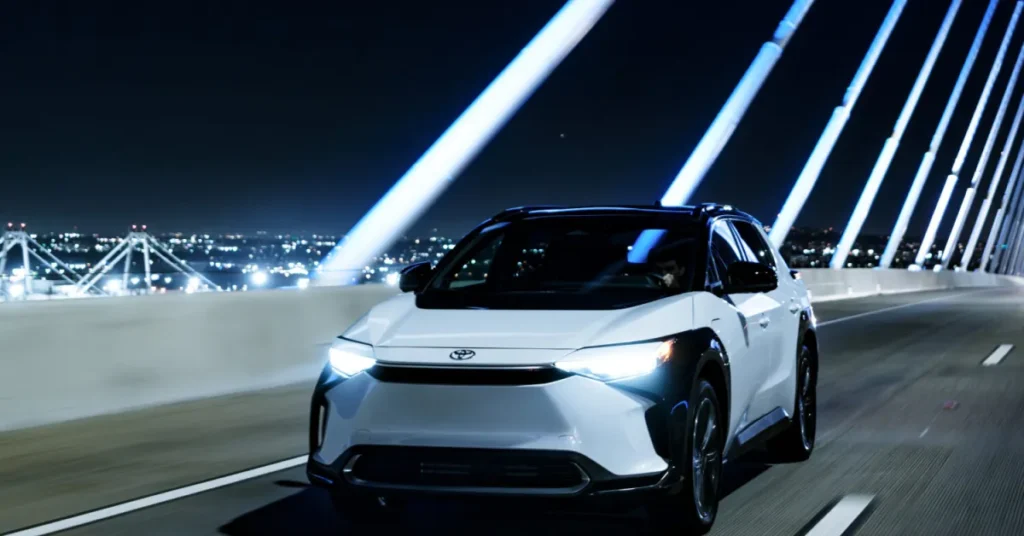
Despite its reliance on credit purchases to offset emissions shortfalls, Toyota remains steadfast in its commitment to bolstering its EV offerings in the American market. Presently, the automaker offers only two EV models, namely the Toyota bZ4X and the Lexus RZ450e. However, Toyota has embarked on ambitious initiatives, including the construction of a $13.9 billion battery complex in North Carolina and earmarking approximately $17 billion for U.S. manufacturing aimed at expanding its EV and hybrid portfolio.
While acknowledging that Toyota may lag behind competitors like Tesla in the EV domain, Ogawa expressed confidence in the company’s progress, citing advancements in technology and infrastructure development, particularly in-home charging solutions. He also asserted Toyota’s superior product quality compared to counterparts from China, although conceding an inability to match Chinese competitors’ pricing strategies.
Toyota’s divergence from the EPA’s EV projections underscores the complexities inherent in transitioning towards electrified transportation. With a pragmatic approach centered on consumer demand and regulatory compliance, Toyota navigates the evolving automotive landscape, strategically balancing investment priorities to ensure sustainable growth in an increasingly electrified future.