
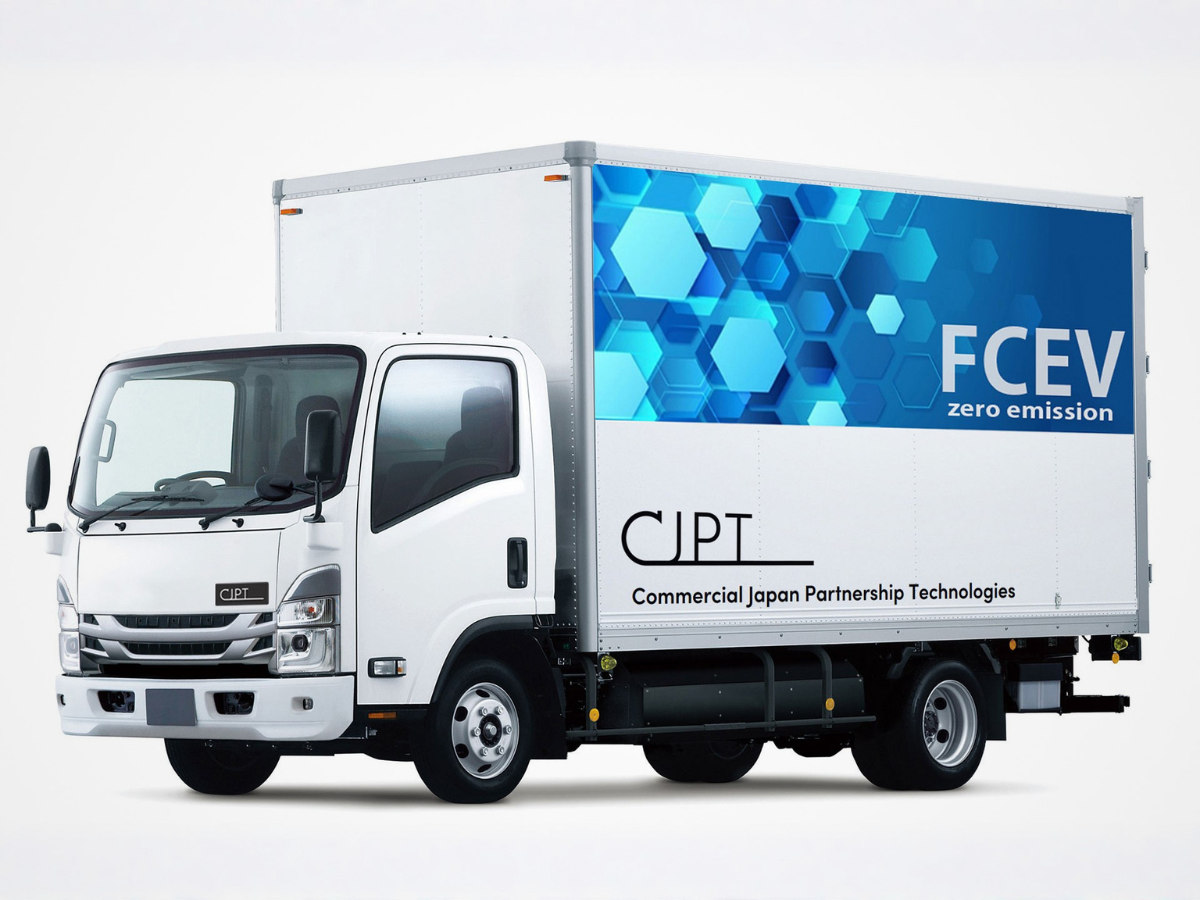
Isuzu Motors and Toyota Motor Corporation continue their partnership when it comes to developing a new fuel cell (FC) electric truck. The two Japanese auto giants shared that they agreed to extend their partnership through collaborating on the development toward the mass production of a next-generation light-duty FC electric truck.
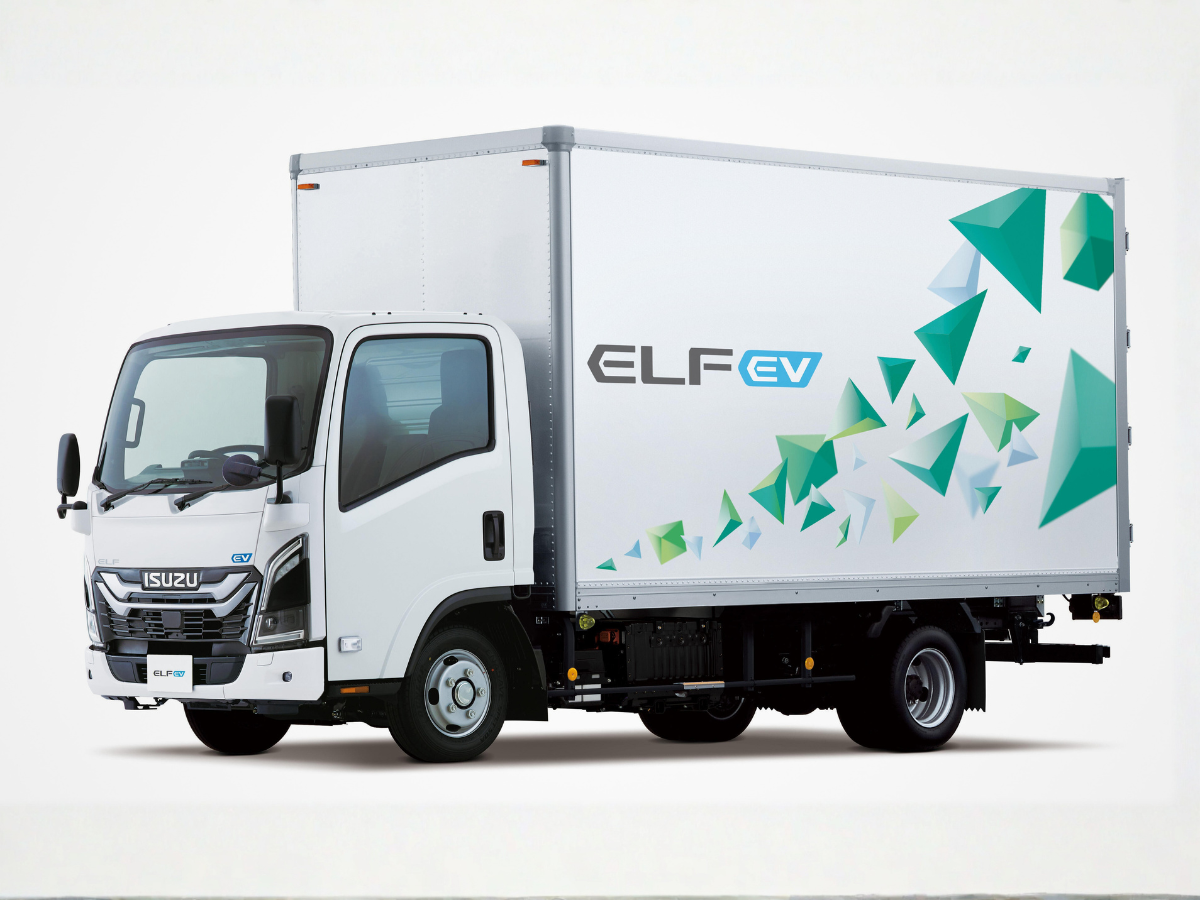
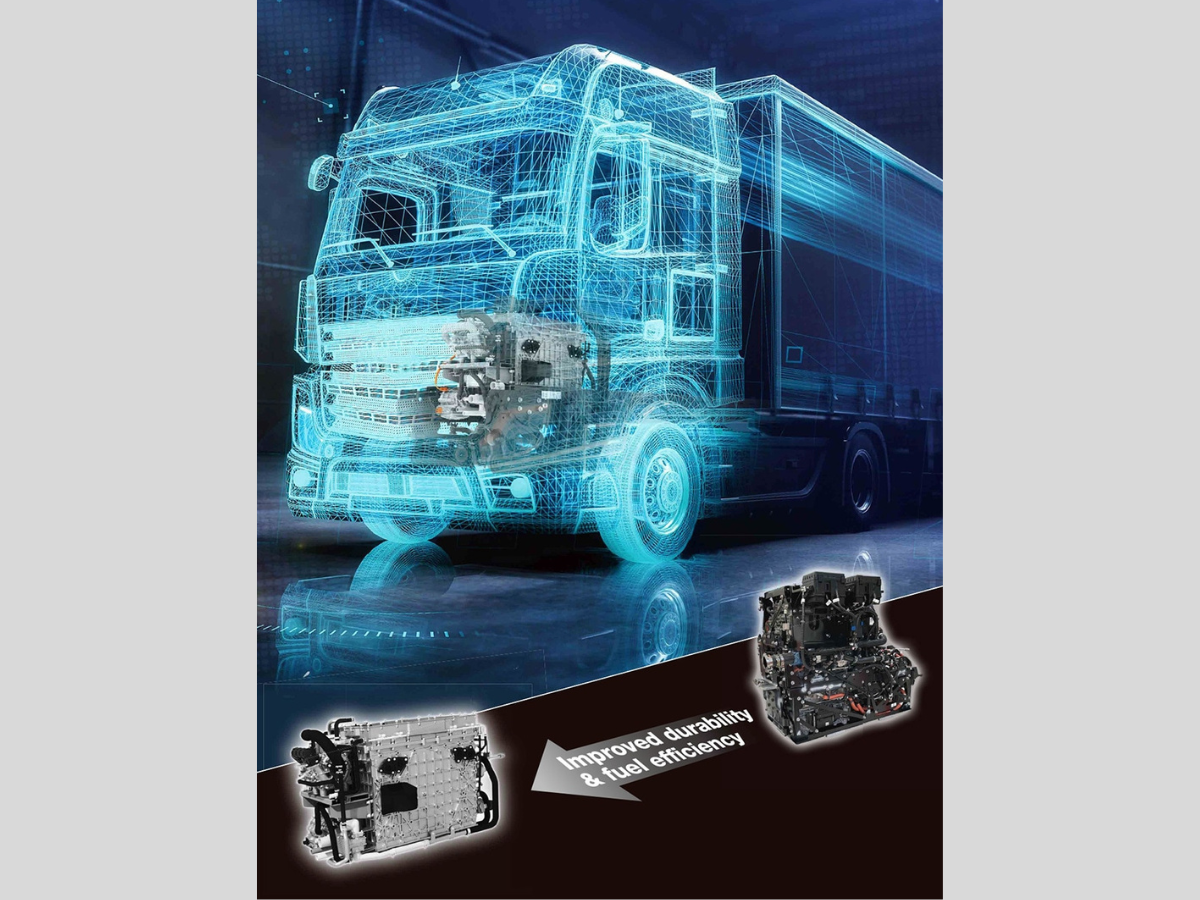
The next-gen light-duty FC truck is based on Isuzu’s Elf EV, which is a battery electric truck. It will be integrated with Toyota’s third-generation Fuel Cell System, which is said to be designed to meet the particular needs of the commercial sector with the same durability as conventional diesel-powered engines.
Toyota claims that its third-gen Fuel Cell System is optimized to achieve significant improvements in performance, including fuel efficiency and a significant reduction in costs compared to the old version.
Isuzu and Toyota will jointly develop the Elf EV-based next-gen light-duty FC truck to ensure its compatibility, and aim to start production in fiscal year 2027. A key area in which the two Japanese brands are particularly focused is integrating the FC truck with technologies that support the high-utilization operating conditions unique to commercial vehicles.
The reason for this is that light-duty trucks are usually used for deliveries, with some equipped with frozen storage capabilities, and make multiple deliveries per day. Under such operating conditions, quick energy replenishment is essential to maintaining operational efficiency.
FC trucks use hydrogen as an energy source, transforming it into a high-energy-density fuel. Isuzu and Toyota said that FC trucks or vehicles can refuel faster than the charging time needed for electric vehicles. This faster energy replenishment is crucial in ensuring efficient operations of light-duty trucks. The two Japanese auto giants added that FC trucks and vehicles also produce minimal vibration and emit no CO2 while in use, which is essentially the same as EVs.
Speaking of which, Toyota has long been pushing for hydrogen-powered cars more than EVs. As a review, Toyota was not that keen on transitioning to full EVs, as it had placed its resources on hydrogen as the next energy source for vehicles.
In fact, Toyota and Isuzu first announced their partnership to jointly develop an FC truck back in 2021. Then, by July 2022, Toyota, Isuzu, and Hino Motors made an announcement that they would jointly plan and develop light-duty FC trucks for mass production.
Autocar’s Take
Isuzu and Toyota are nearing the launch of their jointly developed light-duty FC truck, a partnership that began back in 2021. The upcoming FC truck is something to look forward to as it comes with a powertrain that emits no emissions, translating to cleaner air. It also shows that Toyota remains committed to its bet on hydrogen as the next energy source for vehicles, a proposition that the Japanese automaker had been pushing since the EV hype began.
But regardless, cleaner and more efficient vehicles would always be a welcome option. It doesn’t just allow consumers to have more options, but it also helps the environment as it emit lesser to no emissions.