
After spending time looking at XPENG’s electric vehicles, autonomous-driving technology and humanoid robots, I thought I had already seen the most futuristic side of the company, but there was more.
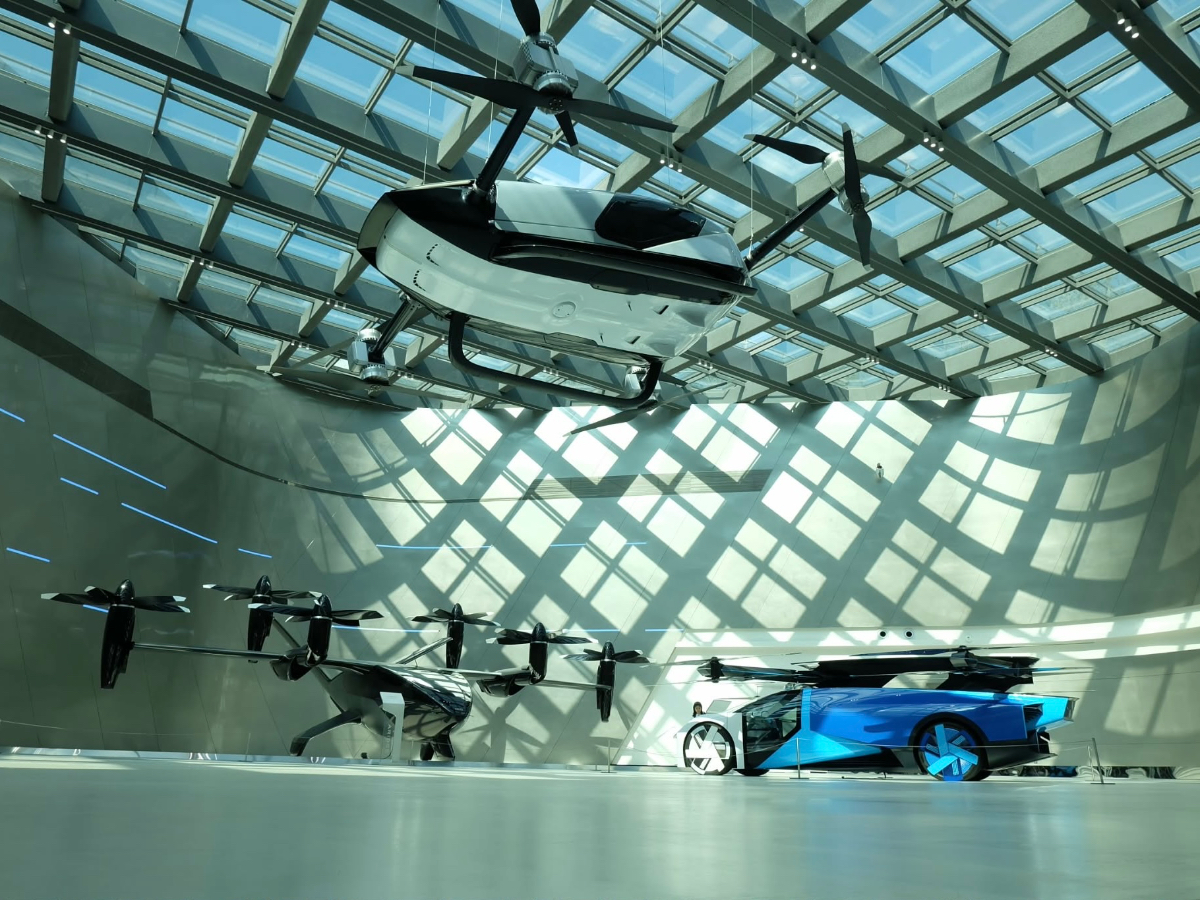
We toured the ARIDGE Exhibition Center, also located at XPENG’s HQ. ARIDGE is XPENG’s flying-car business, and it represents another part of the company’s vision for what it calls Physical AI. Instead of limiting mobility to the road, ARIDGE looks at the space above it. And judging by what was on display, flying cars are not just a concept for XPENG.
The exhibition center brought together several generations and concepts of the technology, including the Traveller X1, Traveller T1 and Traveller X2, along with the A868 high-speed long-range tilt-rotor flying car, an eVTOL flying car concept and the flying car module that forms the basis of the Land Aircraft Carrier. It was quite a sight.
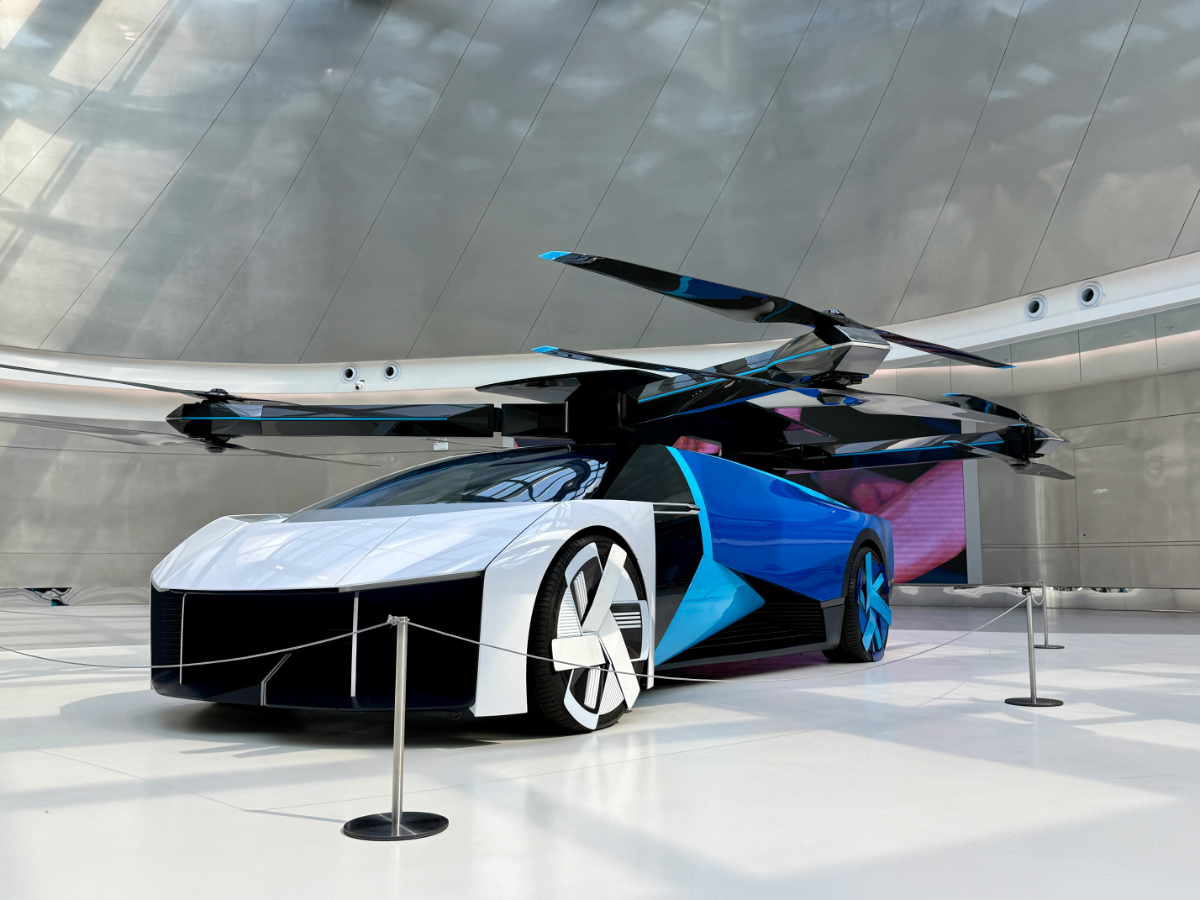
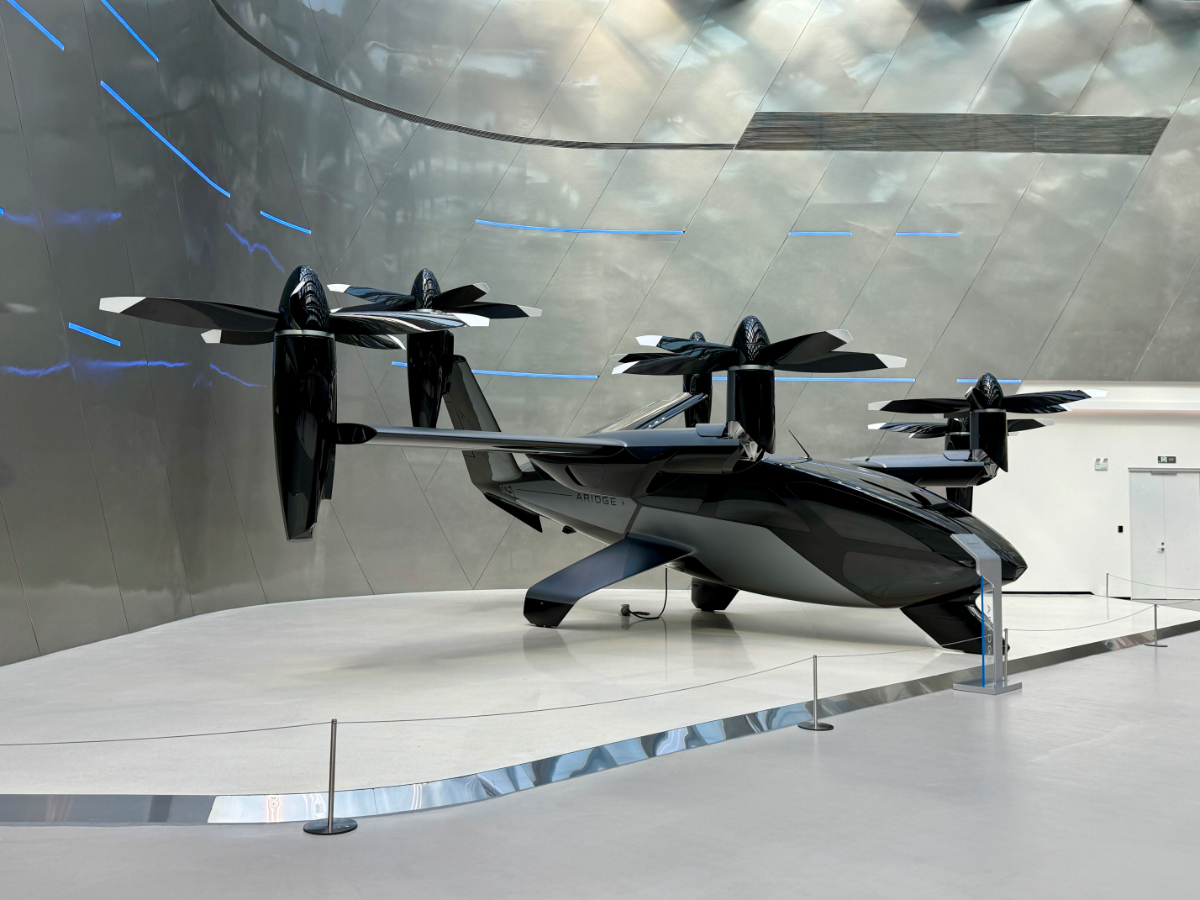
The Traveller prototypes show how ARIDGE has evolved its approach to personal aerial mobility, while the larger flying-car concepts demonstrate where the technology could eventually go. XPENG says its full tilt-rotor A868 is being developed for longer-distance, multi-passenger travel, with a projected range of more than 500 kilometers and a top speed above 360 km/h.
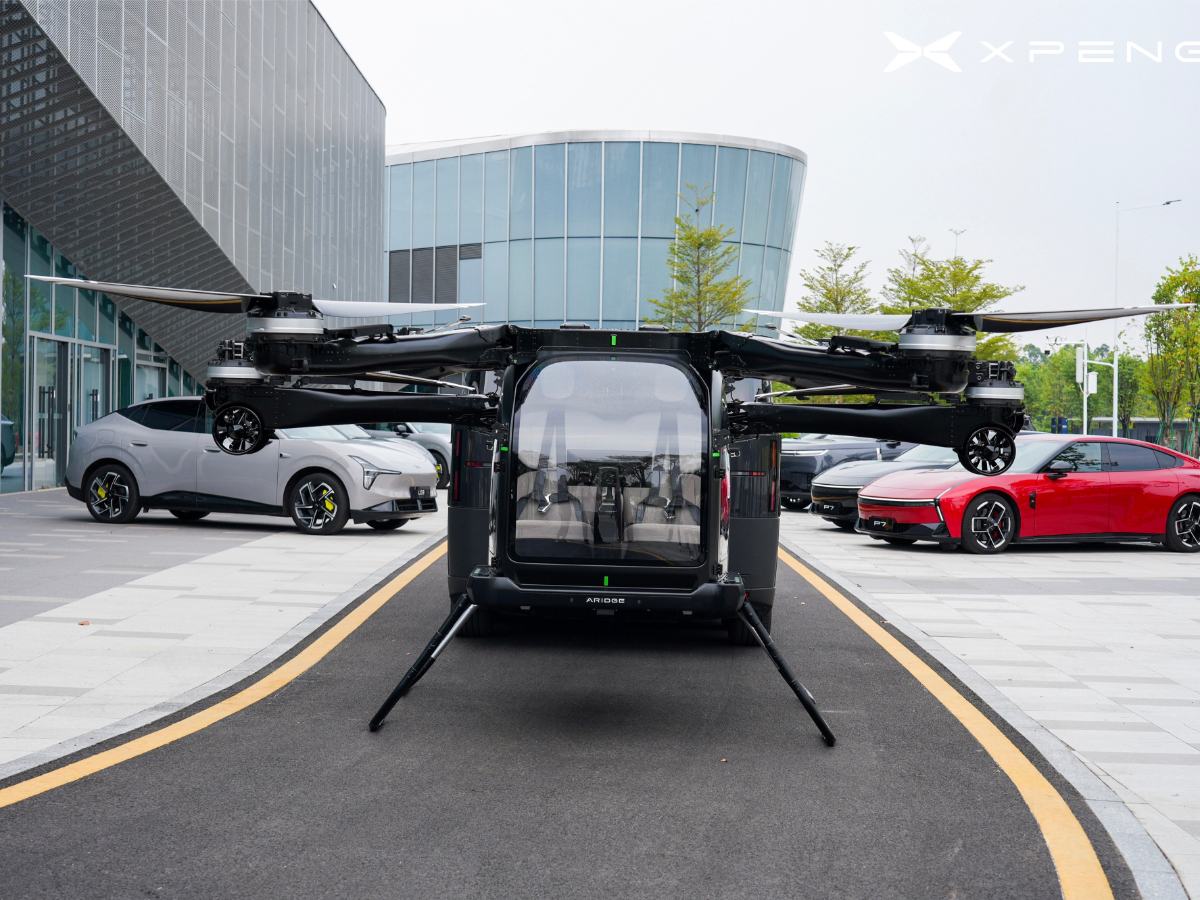
But it was the Land Aircraft Carrier that caught everyone’s attention. Unlike a conventional flying vehicle, which just has to get airborne, the Land Aircraft Carrier takes a different approach. It combines a ground vehicle with a detachable aircraft. Think of it as a large electric vehicle that carries its own aircraft.
And this is where the Unloading and Docking demonstration was interesting. We were shown how the aircraft module can unload itself from the road-going carrier, with the two components separating so the flying section can operate independently. Once the flight is completed, the aircraft can return to the ground vehicle and dock back with the carrier.
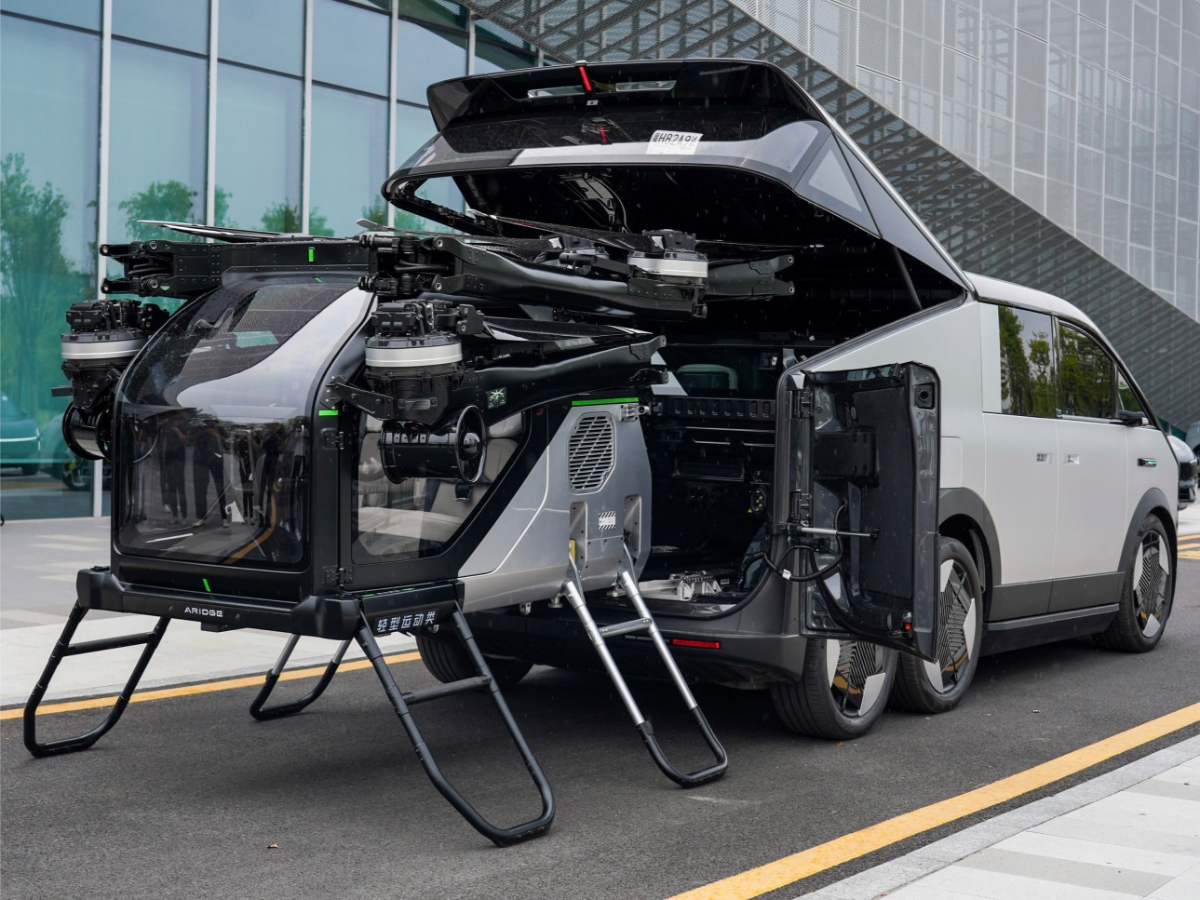
It sounds complicated, but it’s not. The impressive part is how straightforward it is when you actually see it happen. XPENG’s idea is that the wheeled vehicle handles the road portion of the journey, while the aircraft offers the option to take to the skies when the situation calls for it. That modular approach adds practicality to the flying-car concept.
You don’t need the flying vehicle to be airborne for the entire journey. Most often, you’d still need to drive to where you want to go. The Land Aircraft Carrier simply adds another dimension to the vehicle when the road is no longer the most efficient way forward.

The Land Aircraft Carrier features an intelligent air cockpit and a four-axis integrated single-stick control system designed to simplify flight operations. Its six-axis, six-propeller configuration also incorporates redundancy designed to maintain flight and landing capability in certain failure scenarios.
The ARIDGE Exhibition Center, with vehicles that can drive, fly and, in the case of the Land Aircraft Carrier, do both, shows that XPENG’s ambitions extend well beyond the conventional automobile.
XPENG is not just about what the next electric car should look like. It asks what mobility could look like when the road, the air, and artificial intelligence become part of the same ecosystem. It’s a different way of looking at mobility. And after seeing the Land Aircraft Carrier unload its Flight Module, deploy its propellers, and then fold back up and dock back into its carrier, I’d have to admit, the idea seems right on.
The road may still be where most of us spend our time. But XPENG and ARIDGE are already looking ahead, and upward.