
Artificial Intelligence (AI) is everywhere you look these days. It’s making art, writing emails, answering questions – basically, if there’s a screen involved, AI wants in. Whether that’s a blessing or a curse depends on who you ask. Many people love the convenience; others think it’s slowly draining the creativity out of everything.
Naturally, the auto industry embraces AI technology. As cars turn into rolling computers, those traditional voice command systems are becoming old news. Forget memorizing a set list of commands – these new AI systems want to learn your quirks, remember your habits, and maybe even guess what you want before you say a word.
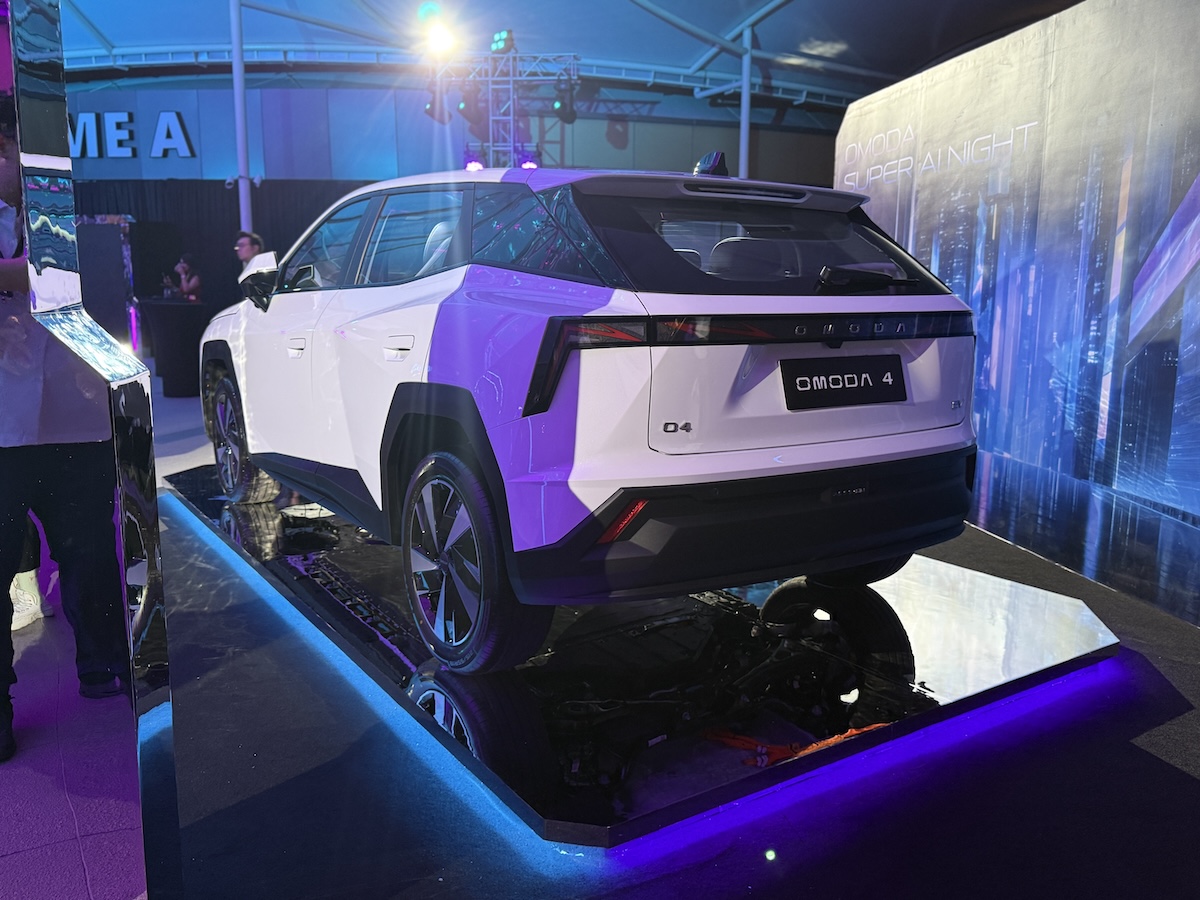
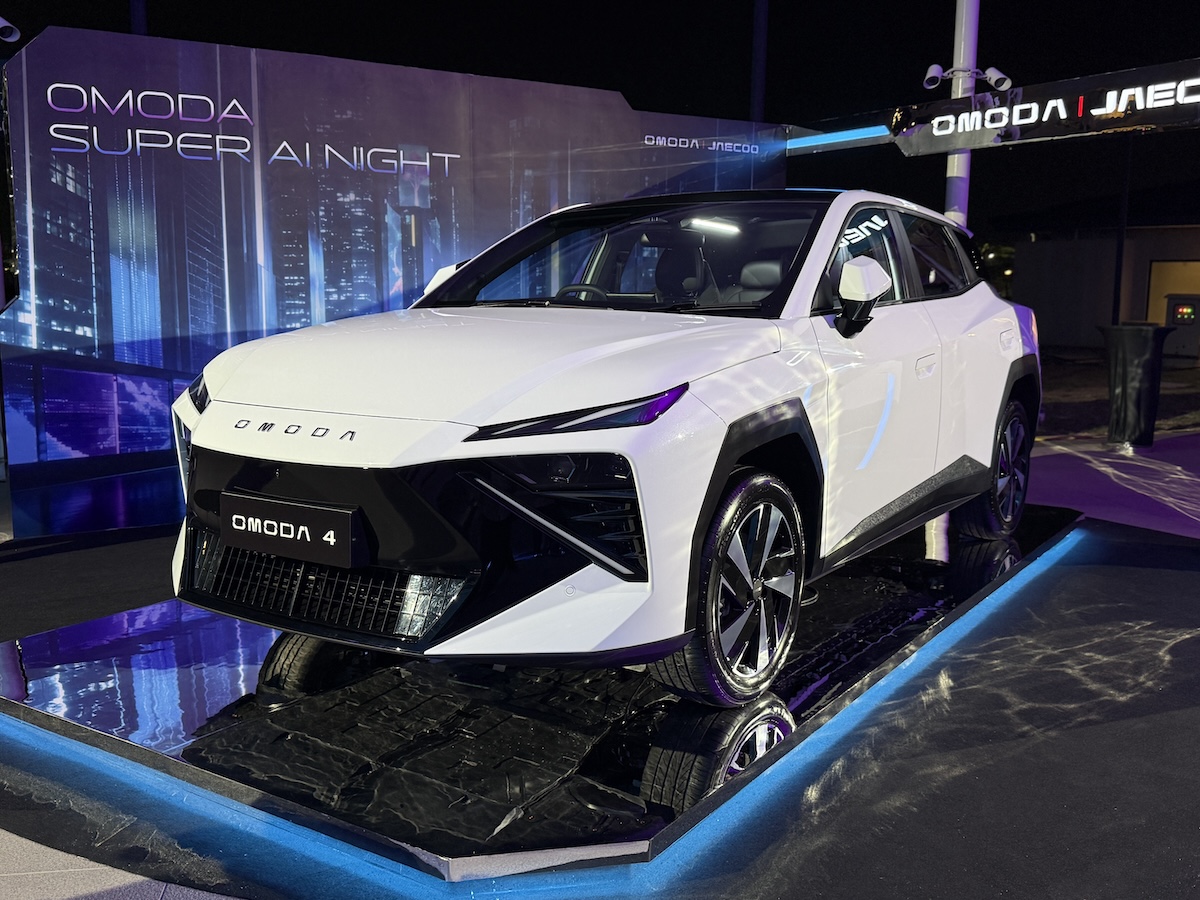
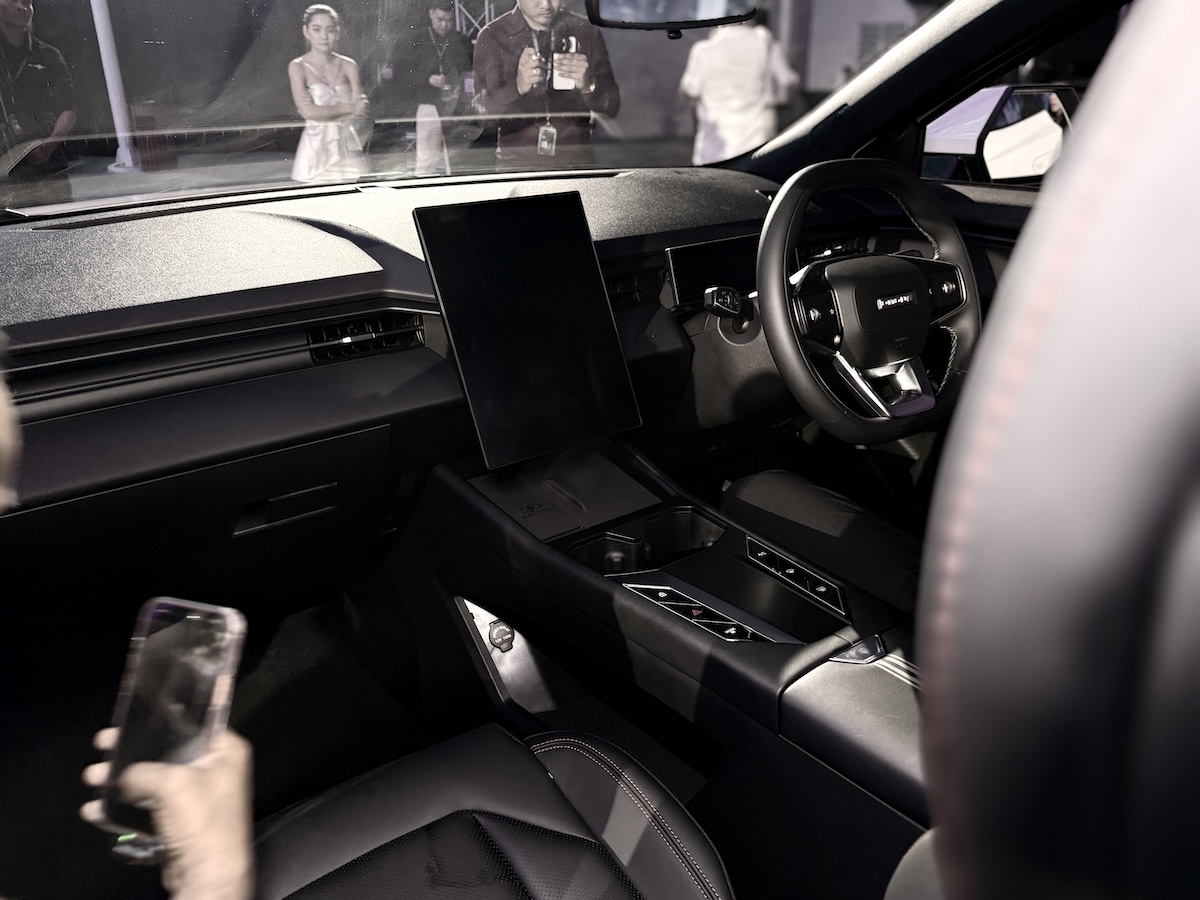
Omoda clearly wants a front-row seat in this tech race. At its glitzy Super AI Night we attended in Indonesia, the brand pulled the covers off its Super AI Cockpit – a cabin that promises to understand what you want, learn your driving quirks, read your mood, and keep up with your ever-changing habits.

What Makes Omoda’s Super AI Cockpit Different?
Most in-car voice assistants today are basically glorified digital switches. Tell them to crank up the AC or play your favorite song, and they’ll do it – just don’t expect them to multitask.
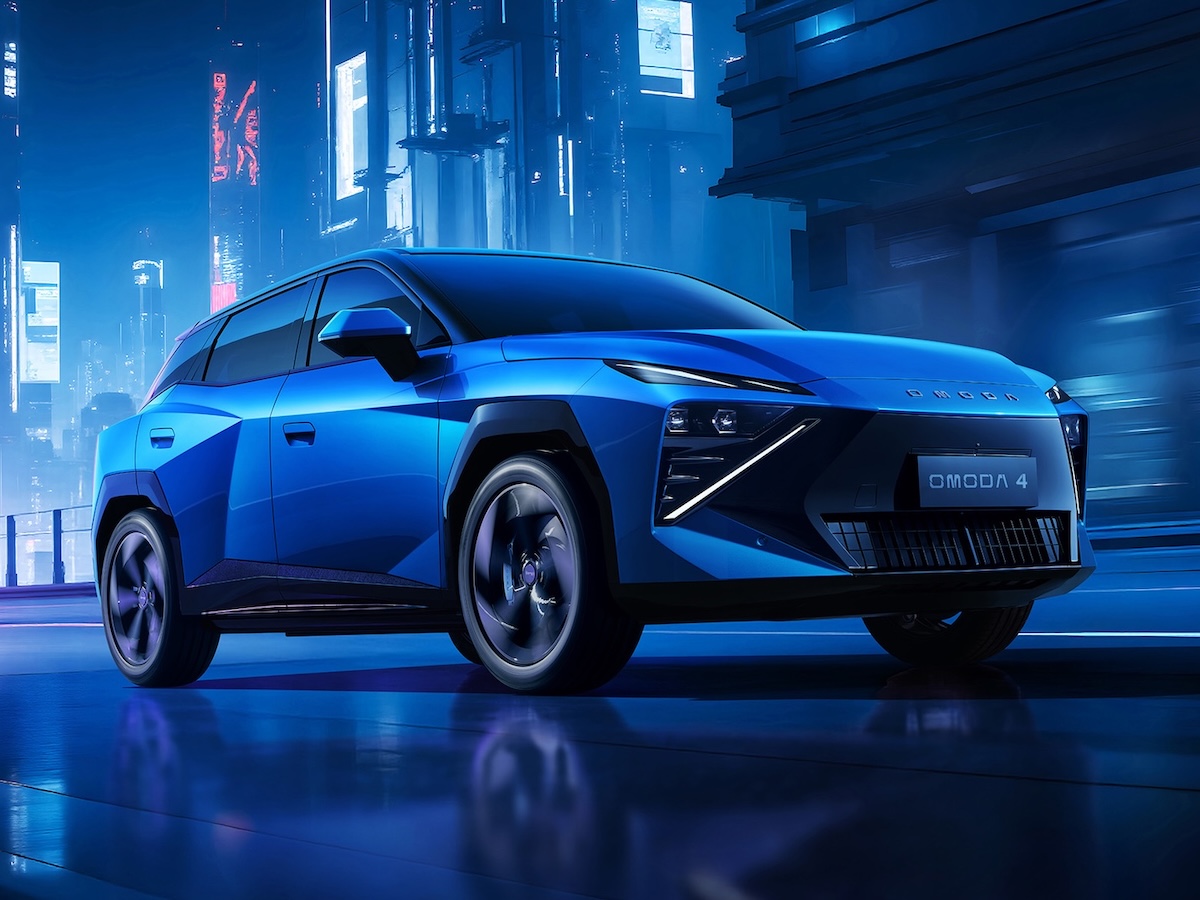
Omoda, though, wants to take things up a notch. Its Super AI Cockpit, which will debut in the wildly styled Omoda 4, packs ten AI agents working together under one digital boss, all ready to tackle complex conversations. Instead of handling your requests one by one, it can split up a sentence and juggle multiple tasks at once.
So you could tell the car to close the windows, drop the AC, start navigation, and move your seat – all in one breath – and it’ll actually keep up.
But it doesn’t stop at just fiddling with the car’s controls. The system can figure out where you want to go even if you’re fuzzy on the address, answer random questions about the car, pick music to match your mood or the weather, sum up the latest news, toss out sports scores, whip up AI wallpapers, and even call you by your favorite nickname.
Omoda says this is just the beginning. Future updates will bring things like remembering your conversations, reading your emotions, planning trips, cloning your voice, giving you a custom pet avatar, and even running AI magic when you’re off the grid.
Omoda Isn’t the Only One Thinking This Way
Omoda’s big reveal does have its own merit, but the company is not the only one chasing the smart cabin dream. BMW is preparing to roll out an upgraded Intelligent Personal Assistant powered by Amazon’s Alexa+, allowing more natural conversations while learning from user interactions over time.
Rivian has also introduced an AI assistant capable of adjusting vehicle settings, changing drive modes, answering troubleshooting questions, and learning driver preferences through continued use.
Volkswagen is pursuing a similar direction in China with the ID. Era 9X, which combines advanced voice interaction, emotion recognition, and AI-assisted vehicle functions as part of its next-generation intelligent cockpit.
Tesla also has its own AI assistant, Grok, and it has already made its way into its EVs. However, what it does is a whole different story from Omoda’s approach. Based on our tests, Grok is mostly a chatty passenger. You can ask it questions and get answers, but don’t expect it to fiddle with the AC or change your playlist just yet.
Omoda’s Super AI Cockpit, on the other hand, is more hands-on. It’s not just there for small talk – it can actually tweak the A/C, roll up the windows, mess with the lights, move your seat, set your route, and handle a bunch of commands all at once.
Put it all together, and it’s clear AI isn’t just another flashy infotainment gimmick anymore. Car brands now see it as the main way drivers will poke and prod every feature inside the cabin.

Autocar’s Take
There’s no question AI assistants are about to flood new cars. From a tech angle, it’s the next logical step. Cars are turning into gadgets on wheels, so of course automakers want systems that actually understand what you’re saying and take over more of the driving chores. For younger buyers glued to their phones and laptops, this stuff could be a real selling point.
But whether everyone else will care is another story. If you’re the type who sticks to the same routes and doesn’t need a digital co-pilot, most of these features probably won’t change your life. Personally, I only fire up Waze when I’m lost. I know my usual roads, I don’t talk to voice assistants, and fiddling with the AC by hand has never bothered me.
That’s why Omoda’s Super AI Cockpit is impressive tech, but not exactly a must-have. Expected to arrive in the Philippines with the Omoda 4 later this year, it’s clever, no doubt, and you can see the work that went into it. But let’s be honest – the people who’ll really care are first-time buyers and younger drivers who want their cars to act like giant smartphones.
For everyone else, it’s probably just a cool party trick – fun to show off, but not the reason you’ll buy the car.