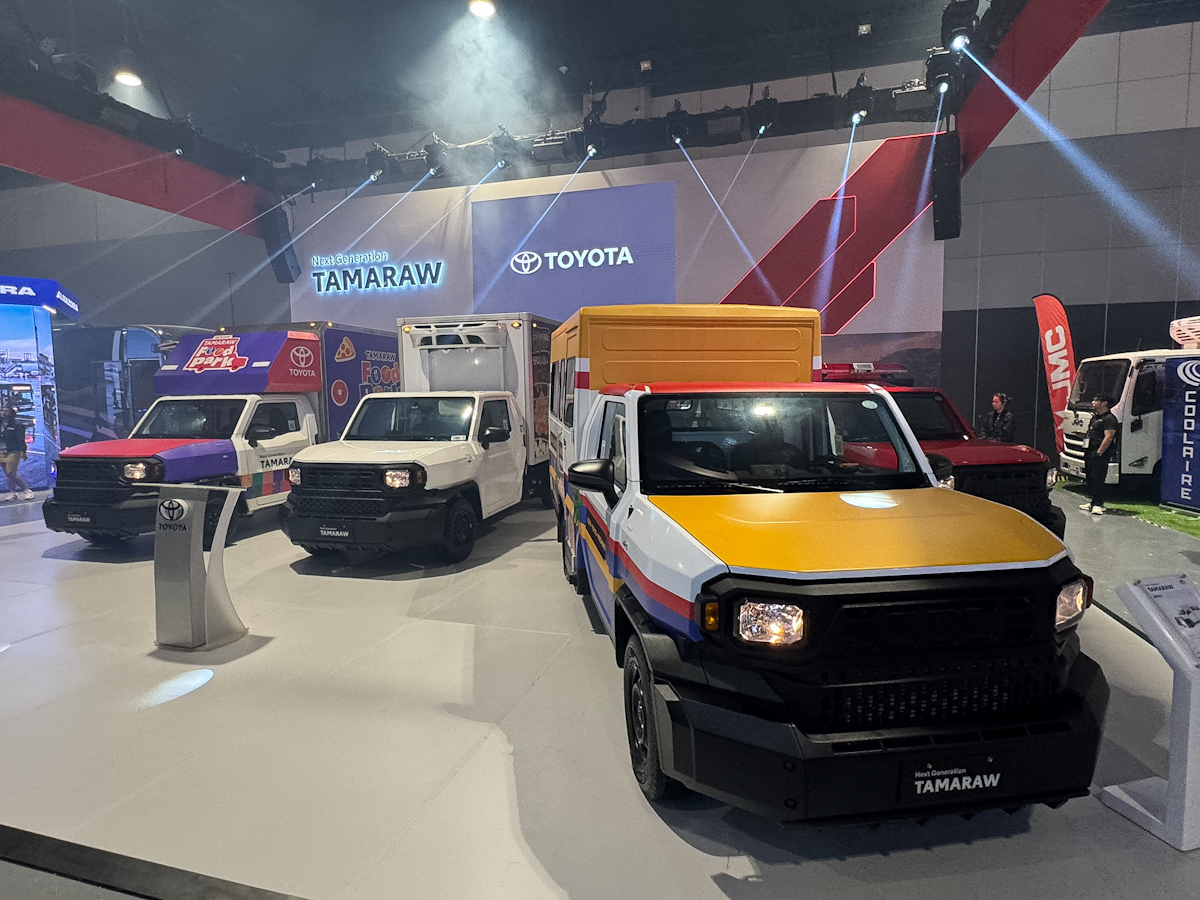
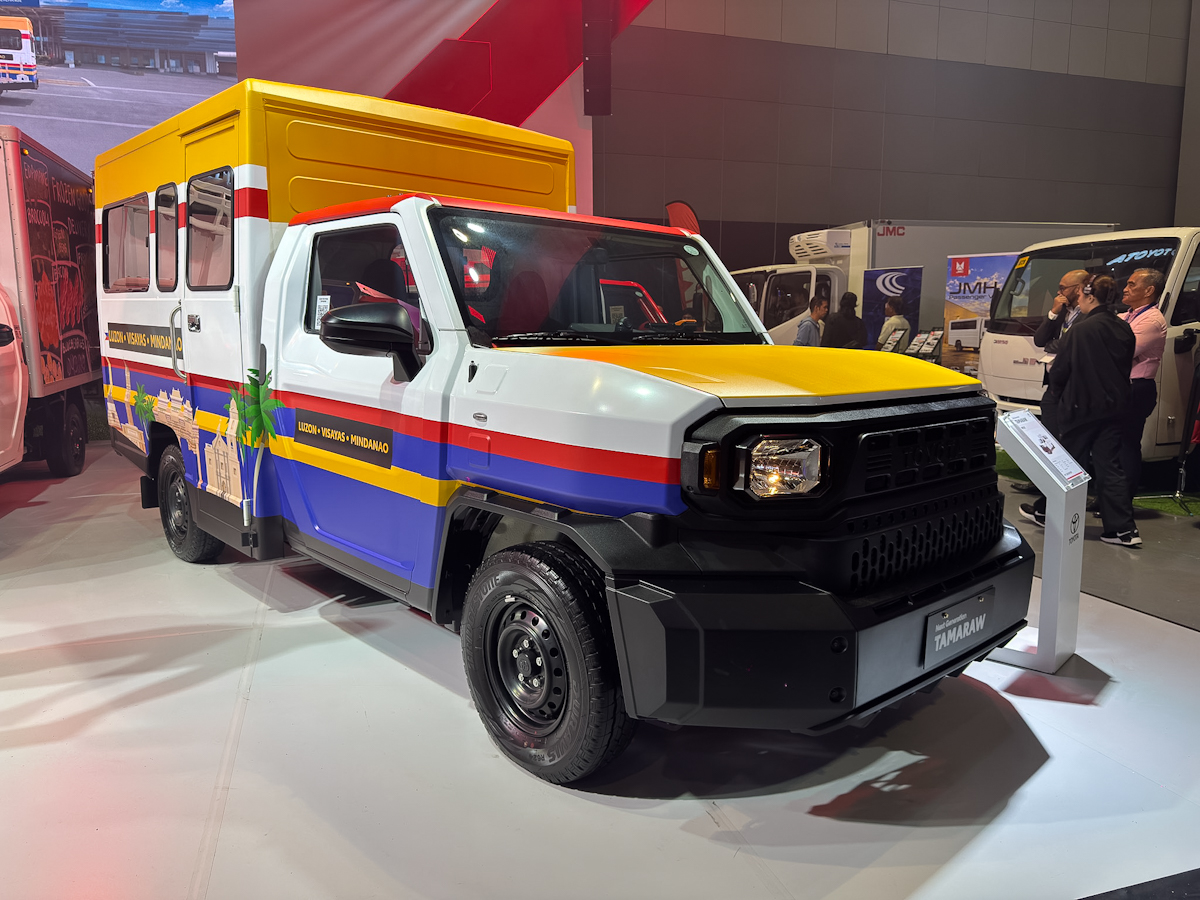
Toyota Motor Philippines is joining the inaugural Philippine International Truck Show (PITS) 2026, bringing a range of commercial vehicle applications to the SMX Convention Center Manila from October 22 to 24.
Among the brand’s highlights is the next-generation Toyota Tamaraw, which is stepping into a new role as a modern public utility vehicle (PUV) designed for the country’s public transportation sector.
The Tamaraw Modern PUV represents another expansion of the nameplate’s versatility. Already established as a workhorse for businesses and entrepreneurs, the Tamaraw is now being positioned as a potential solution for transport operators seeking a vehicle suited to everyday passenger service.
The new configuration also marks an important development for Toyota’s locally manufactured utility vehicle. Following its certification as a modern PUV by the Department of Transportation in 2026, the Tamaraw can now be adapted for public transport operations under the government’s modernization program.
At the heart of the conversion is a passenger cabin arranged to accommodate 12 people, including two occupants in front and 10 passengers seated on rear benches. This layout targets routes where a compact public utility vehicle may be more appropriate than larger-capacity transport options.
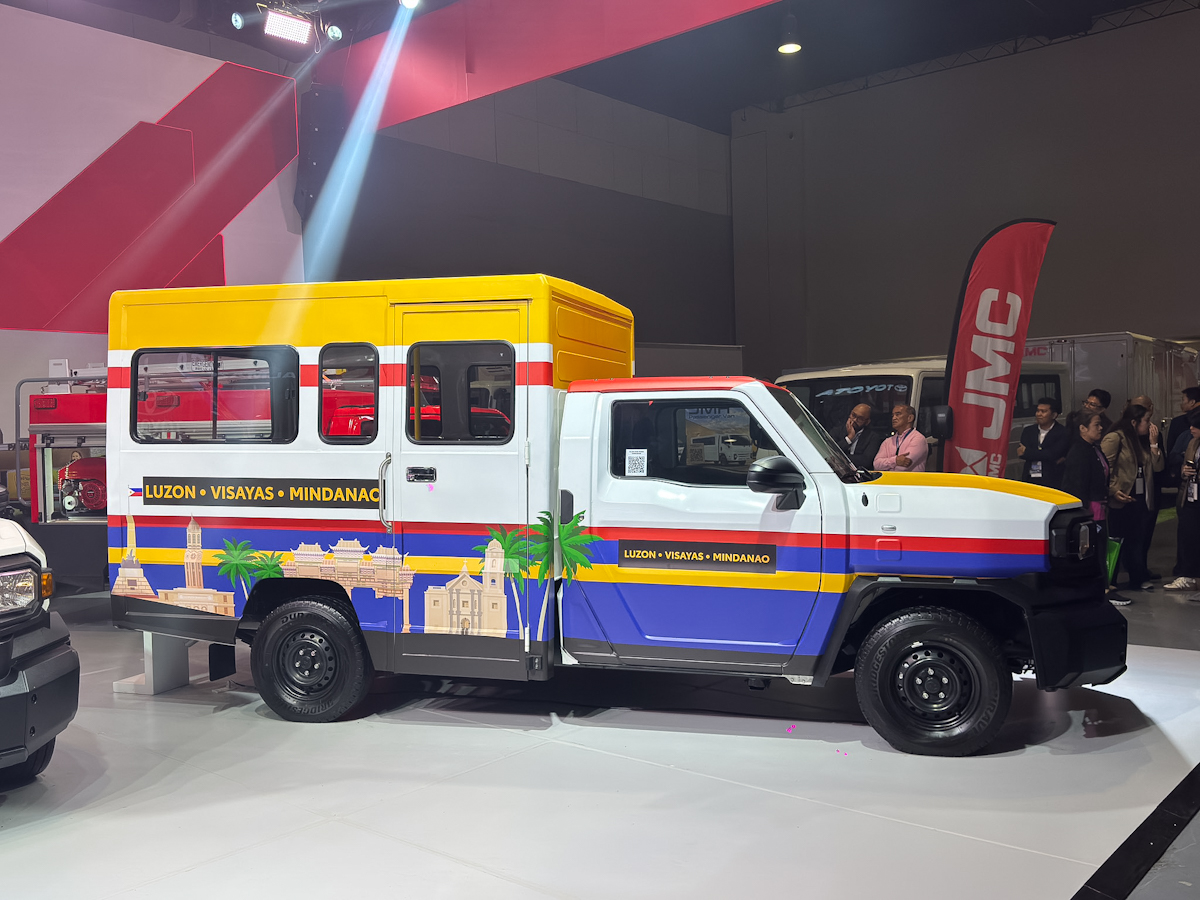
Its dimensions measure 5,068 mm long, 1,785mm wide, and 2,280mm tall. A minimum turning radius of 5.45 meters is another practical consideration, potentially helping the vehicle navigate narrower roads and tighter urban streets.
Power comes from Toyota’s 2.4-liter 2GD-FTV turbodiesel engine, producing 150PS and 343Nm of torque. It is paired with a five-speed manual transmission. The setup prioritizes the utility and torque needed for daily service, although actual operating costs and suitability will depend on the routes, passenger loads, and maintenance practices of individual operators.
The passenger-oriented conversion also incorporates equipment intended to support daily operations. These include air conditioning, built-in Wi-Fi, GPS, an automated fare collection system, and CCTV cameras facing both the road ahead and the passenger cabin. An emergency exit through the rear window and an emergency hammer are included as well.
Local production at Toyota’s Santa Rosa plant also connects the project to the Philippine automotive manufacturing sector. For transport groups, the Tamaraw’s established commercial-vehicle identity and Toyota’s after-sales network may be considerations when evaluating a fleet purchase.
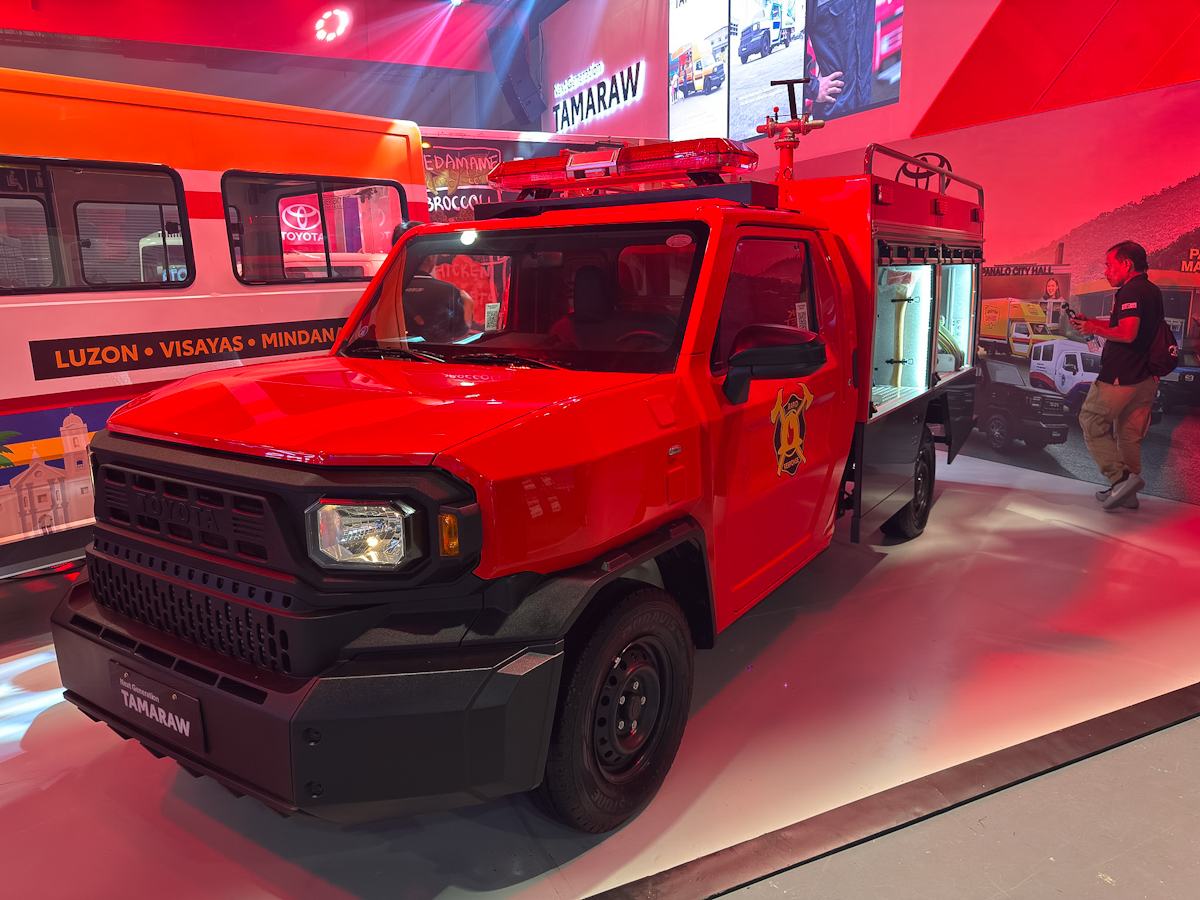
Beyond public transportation, Toyota’s PITS display highlights how the same vehicle platform can serve different industries. Other Tamaraw body configurations on display include a food truck, a fire truck, and a refrigerated delivery van.
Autocar’s Take
car’s TakeThe Toyota Tamaraw Modern PUV shows how a familiar commercial vehicle can take on a more meaningful role in the Philippines’ public transport sector. Its passenger capacity, safety equipment, and onboard technology make it worth considering for operators looking to modernize their fleets. However, the vehicle’s long-term value will depend on more than its specifications.
Purchase price, fuel consumption under actual operating conditions, maintenance expenses, passenger comfort, and parts availability will all influence its viability. Toyota’s established presence in the country could be an advantage, but operators will ultimately need to assess whether the Tamaraw fits their routes and budgets.