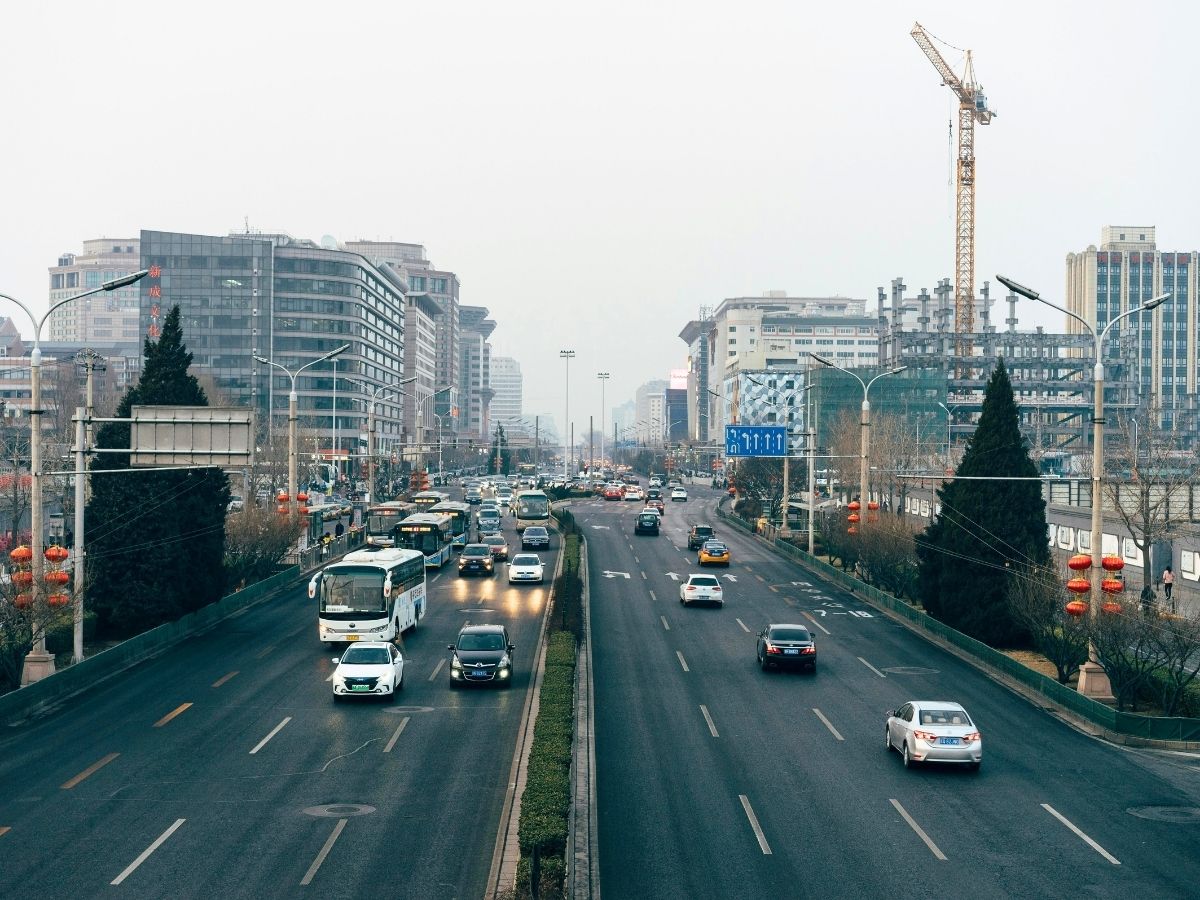

China’s automotive industry opened 2026 with a significant downturn as the country’s vehicle sales in January experienced its steepest decline in nearly two years. Fresh data cited by Japanese business media outlet Nikkei Asia show that weakening consumer demand, policy adjustments, among others combined to weigh the market down at the start of the year.
In detail, domestic vehicle sales dropped 19.5% year-on-year to 1.4-million units, marking the sharpest decline since February 2024. The figures, released by China Association of Automobile Manufacturers, reflect immense pressure on the world’s largest automotive market amid intensifying competition, softer demand, and policy adjustments.
Retail sales of new energy vehicles (NEVs) which include battery-electric and plug-in hybrid models, fell 22.8% in January 2026. The segment had previously outpaced the broader market, but was also affected by slowed consumer demand and regulatory changes.
Seasonal changes, especially during the first few months at the start of the year, may have amplified the downturn. This is a generally common occurrence in the global auto industry, and China’s automotive market is no exception. Sales patterns in the first two months of the year are often volatile due to the shifting timing of the Lunar New Year holiday. This year, the holiday begins in mid-February, compared to 2025’s late January holiday.
Policy revisions have also played a role. A reworked trade-in program reduced subsidies for lower-priced vehicles, which account for a large share of total vehicle sales. Official data showed that subsidized trade-ins exceeded 11.5 million vehicles in 2025, representing nearly half of overall vehicle sales.
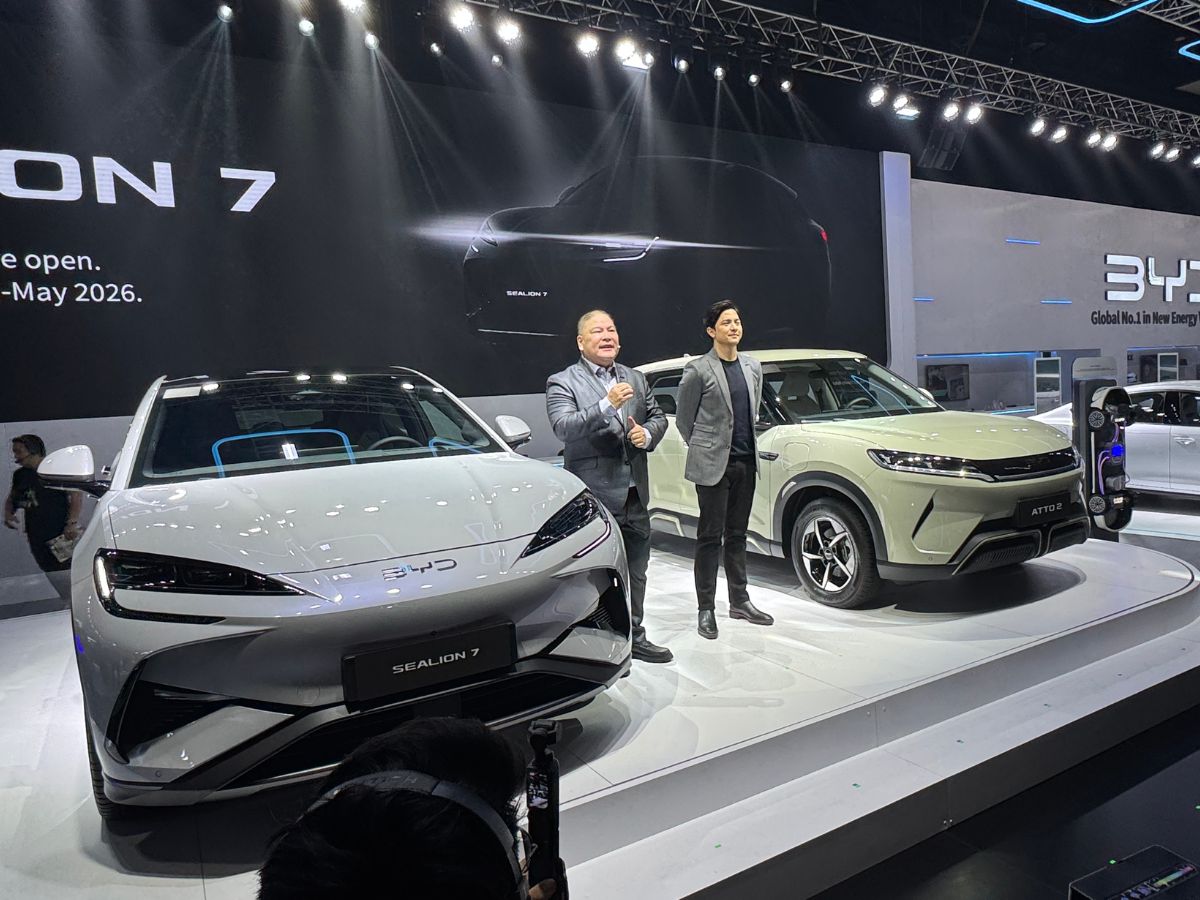
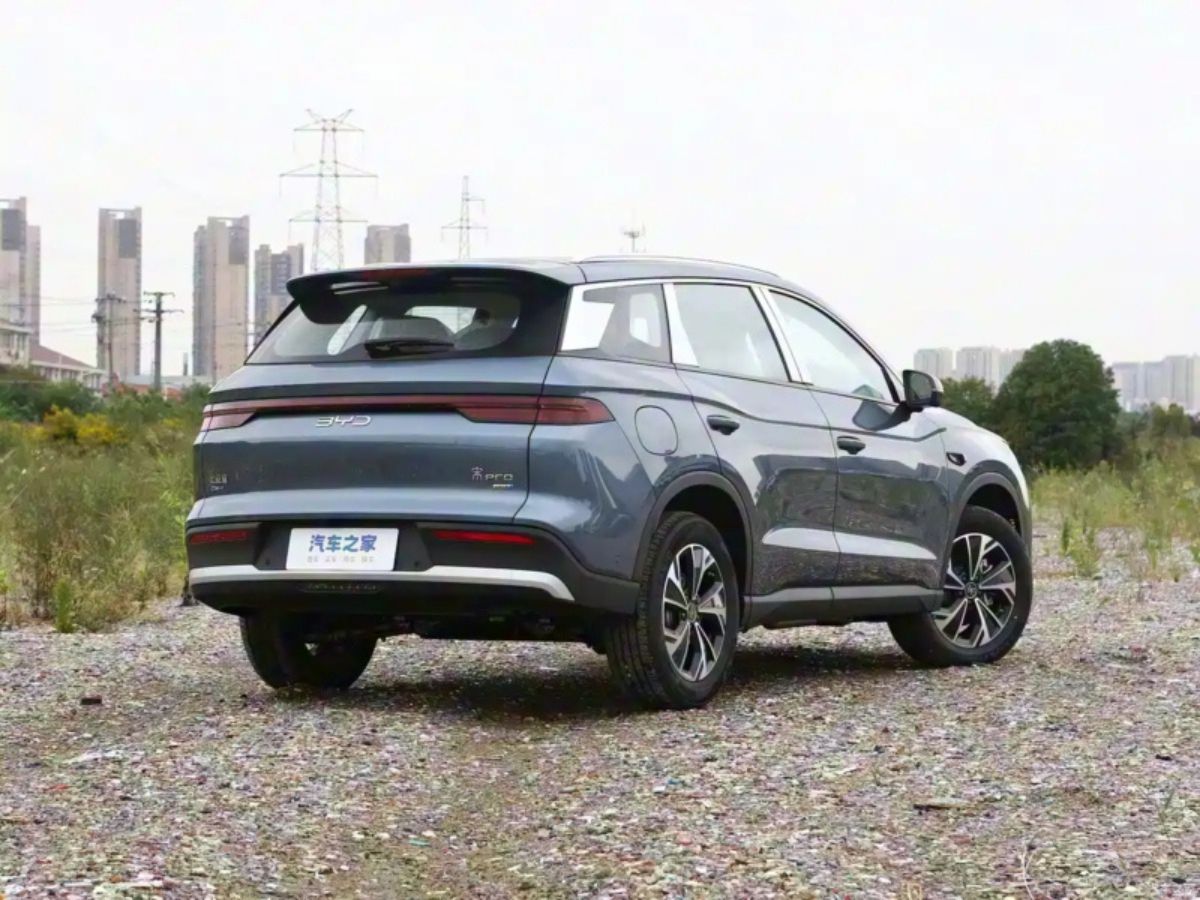
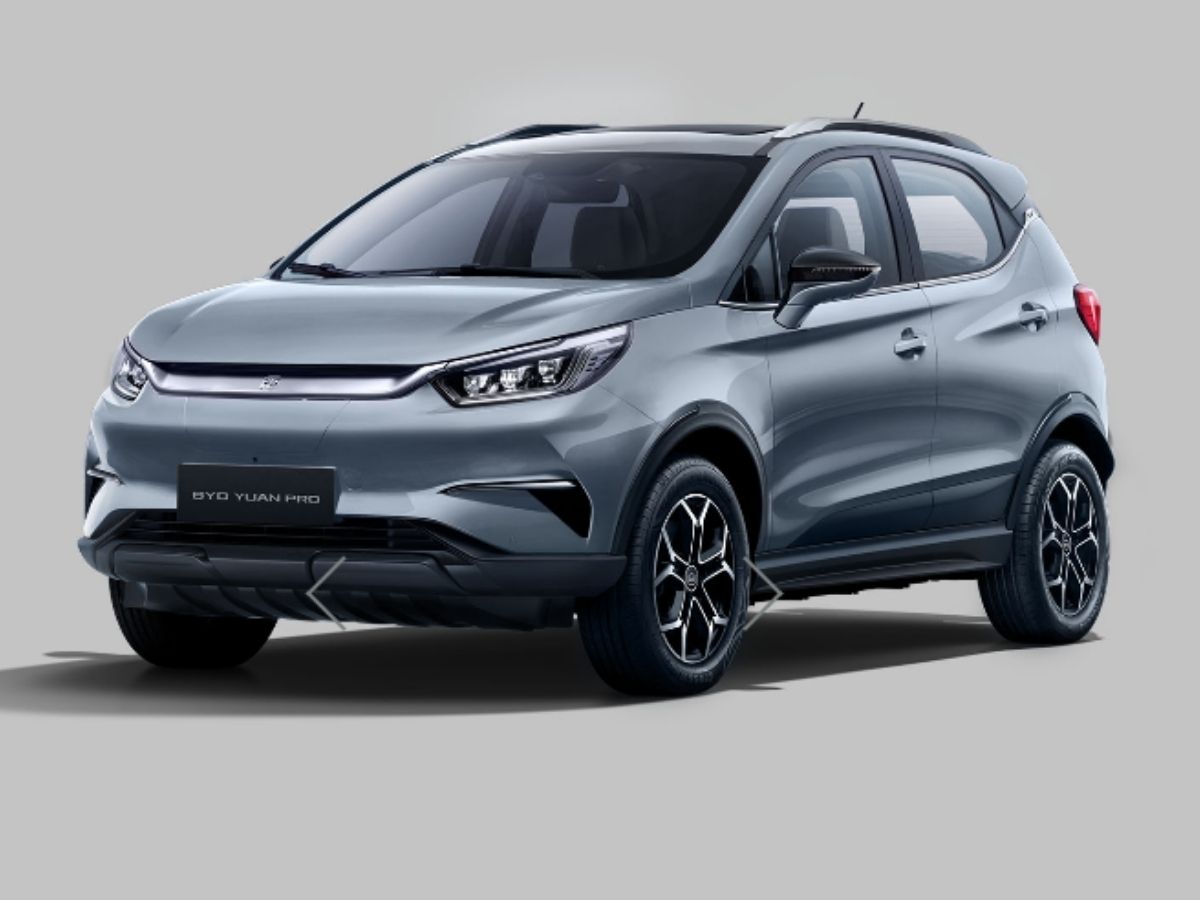
Among manufacturers, BYD recorded a 30% drop in January 2026 sales. The January sales crawl led BYD and other automakers operating in China to remedy the situation by extending repayment terms to as long as eight years to attract cost-conscious buyers.
Regulatory charges are also reshaping the industry. Authorities have tightened EV requirements following high-profile accidents in 2025. Among these regulatory changes is the ban on “hidden” door handles and potential limits on acceleration, rules planned for implementation starting January 2027.
Despite weaker domestic performance, exports provided a counterbalance. NEV exports more than doubled in January, with manufacturers increasingly targeting overseas markets for growth. In particular, nearly half of BYD’s sales in January came from international shipments.
Autocar’s Take
January 2026’s sharp decline highlights how sensitive China’s auto market remains to policy shifts and consumer confidence. The drop in overall vehicle sales and NEV demands shows that growth is no longer guaranteed these days, even in segments that once thrived rapidly.
At the same time, the performance surge in exports proves that Chinese automakers are not standing still just to watch it all happen and do nothing. Their ability to pivot toward overseas markets could restore the balance and stabilize performance in the months ahead. If policy adjustments are implemented smoothly and demand recovers after the holiday period, the industry may yet regain momentum as 2026 progresses.