
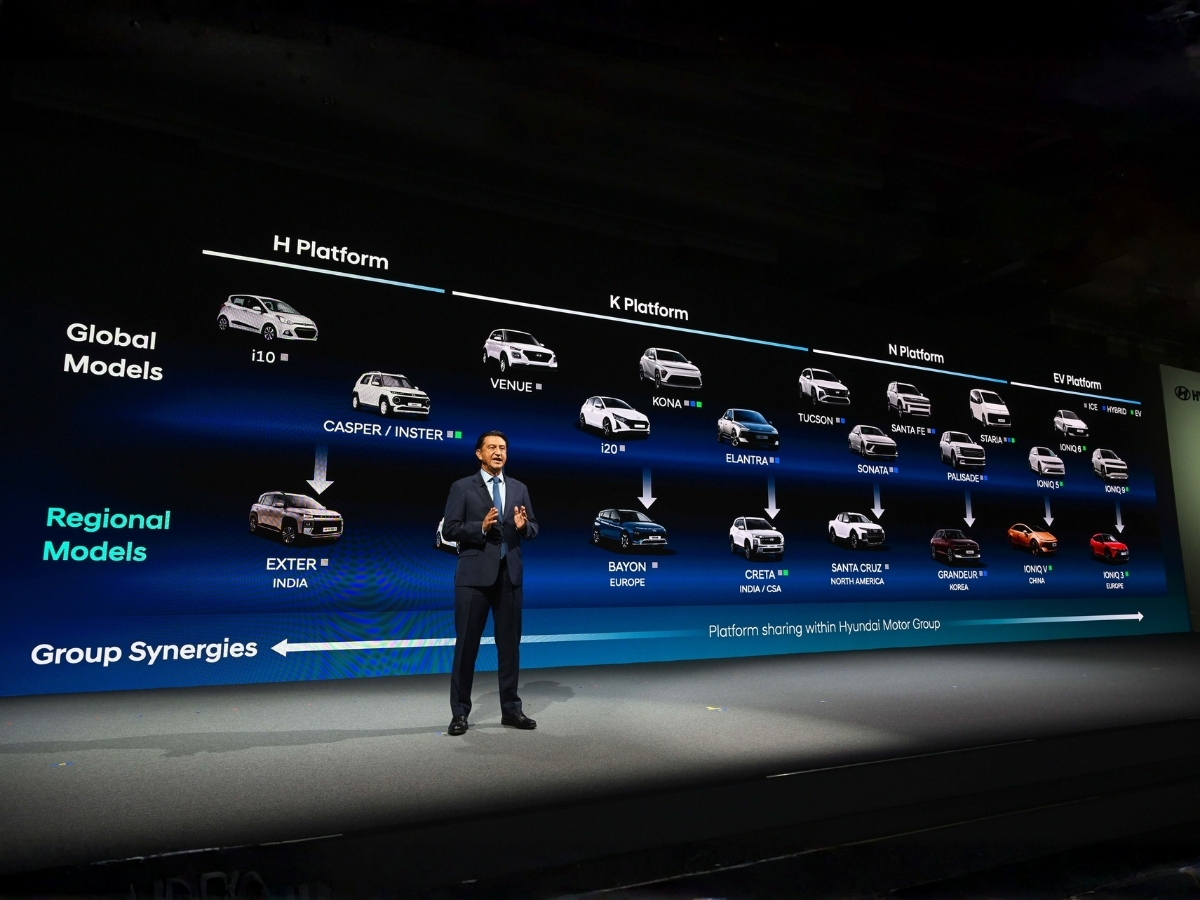
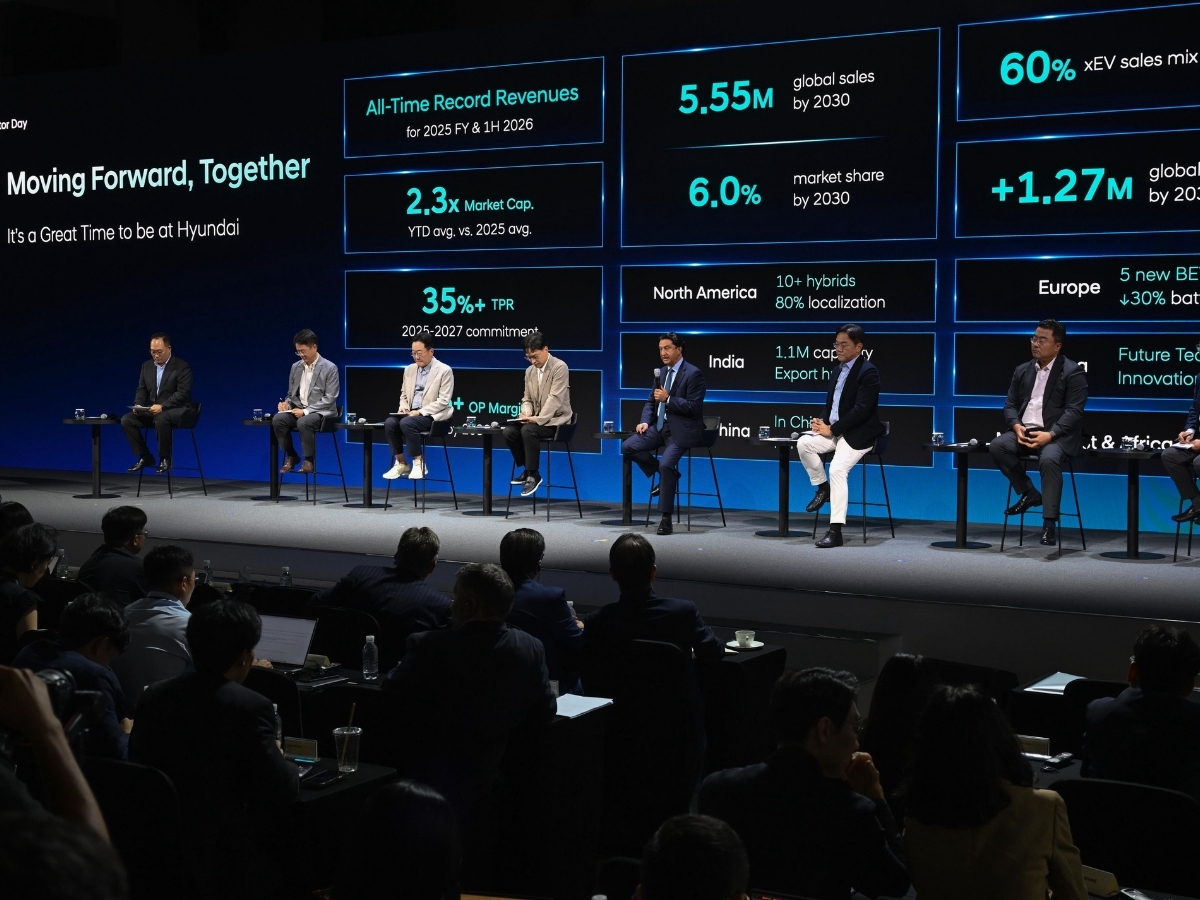
Hyundai Motor Company announced that it aims to launch or refresh more than 100 vehicles globally by 2030, a target that was revealed during the Korean automaker’s 2026 CEO Investor Day. The target is expected to help bolster Hyundai’s goal of achieving 5.55 million units in global sales by 2030.
To do that, Hyundai said that it will have 58 vehicle launches in North America, 49 in Korea, 41 in Europe, 26 in India, and 22 in China. The automaker added that many of the vehicles to be launched will be “new products or entries into new market segments.”
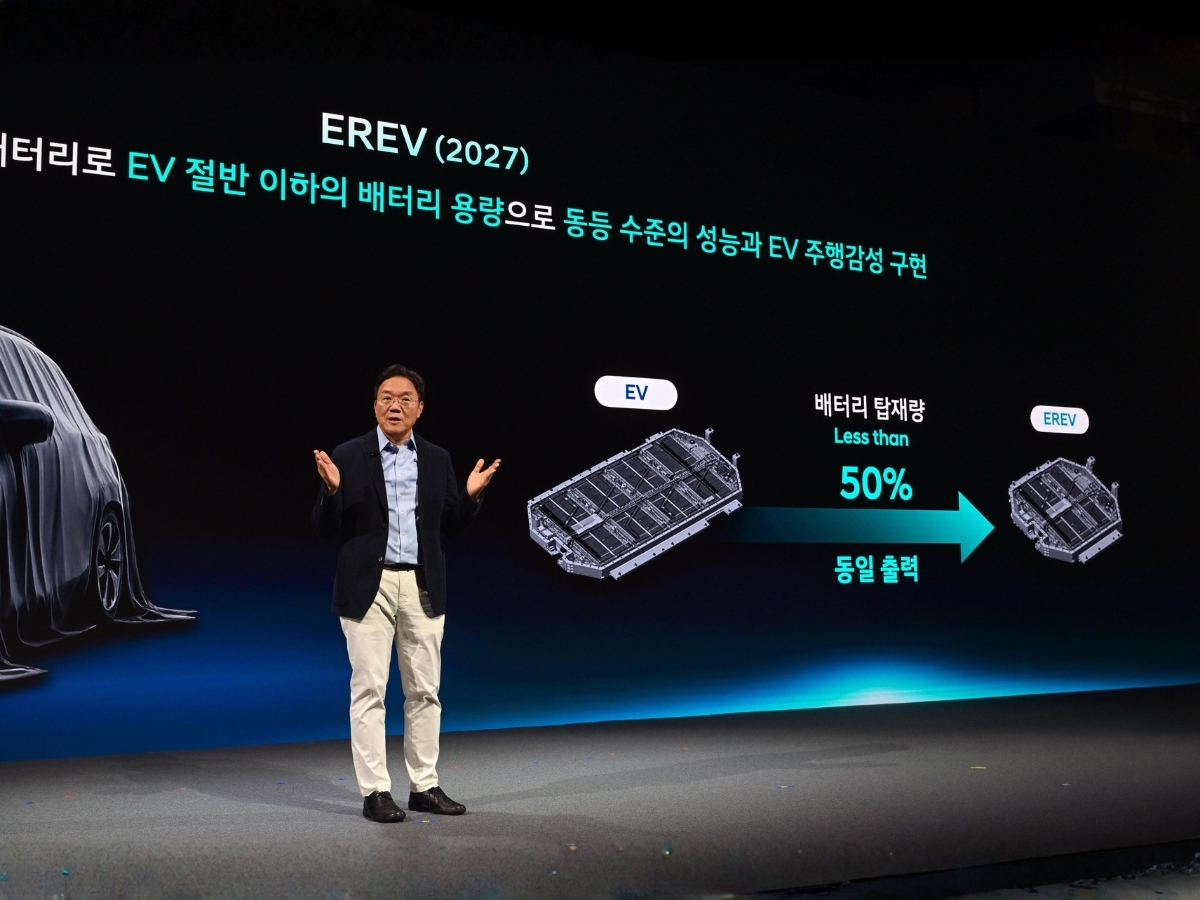
Among the new products that Hyundai will be introducing is the first-ever Santa Fe extended-range electric vehicle (EREV), a powertrain that combines the power and efficiency of a battery EV and the convenience of an onboard charger.
Hyundai shared that the new Santa Fe EREV will arrive in the first half of 2027, which is said to represent the brand’s “uncompromising approach to electrification.” The Santa Fe EREV is expected to deliver more than 966 kilometers of total range, which is said to combine “an EV-like daily driving experience while addressing range and charging anxiety for customers.” The upcoming EREV will be built in the United States at Hyundai Motor Manufacturing Alabama.
As a side note, the all-new Tucson and Tucson Hybrid are expected to be launched in initial markets in the fourth quarter of 2026, which is said to further elevate the Korean car brand’s product offensive. On the other hand, Hyundai’s high-performance N lineup will add new models as the company continues to target 100,000 units of annual sales by 2030.
Aside from new model launches, Hyundai also shared that it is continuously developing proprietary battery cells that are said to have the capability to deliver more than double the power output of the company’s previous high-nickel cells while reducing charging time by 40 percent. The new cells will debut in an EREV that’s arriving in the first half of 2027, which could be the Santa FE EREV.
Meanwhile, electric Hyundai models launching next year will adopt mid-nickel NCM cells, which are said to cut battery costs by roughly 30 percent. Hyundai also said that it is addressing battery lifespan and overall durability. By 2028, the Korean car brand plans to upgrade its cloud-based Battery Management System
Hyundai is also addressing battery lifespan and overall durability. By 2028, the company plans to upgrade its cloud-based battery management system, extending average battery life by 20 percent, according to Hyundai.
Autocar’s Take
Hyundai is going all-in, as it plans to launch or refresh more than 100 vehicles globally by 2030. This is a testament to the fact that the Korean automaker is determined to keep its foothold in the global automotive industry. To do just that, it plans to launch or introduce new vehicles in key markets such as North America, Korea, Europe, India, and China. Hyundai plans to be aggressive to achieve 5.55 million units in global sales by 2030. To keep things interesting, Hyundai said that it will be introducing the first-ever Santa Fe EREV, which is expected to feature more than 966 km of total range.