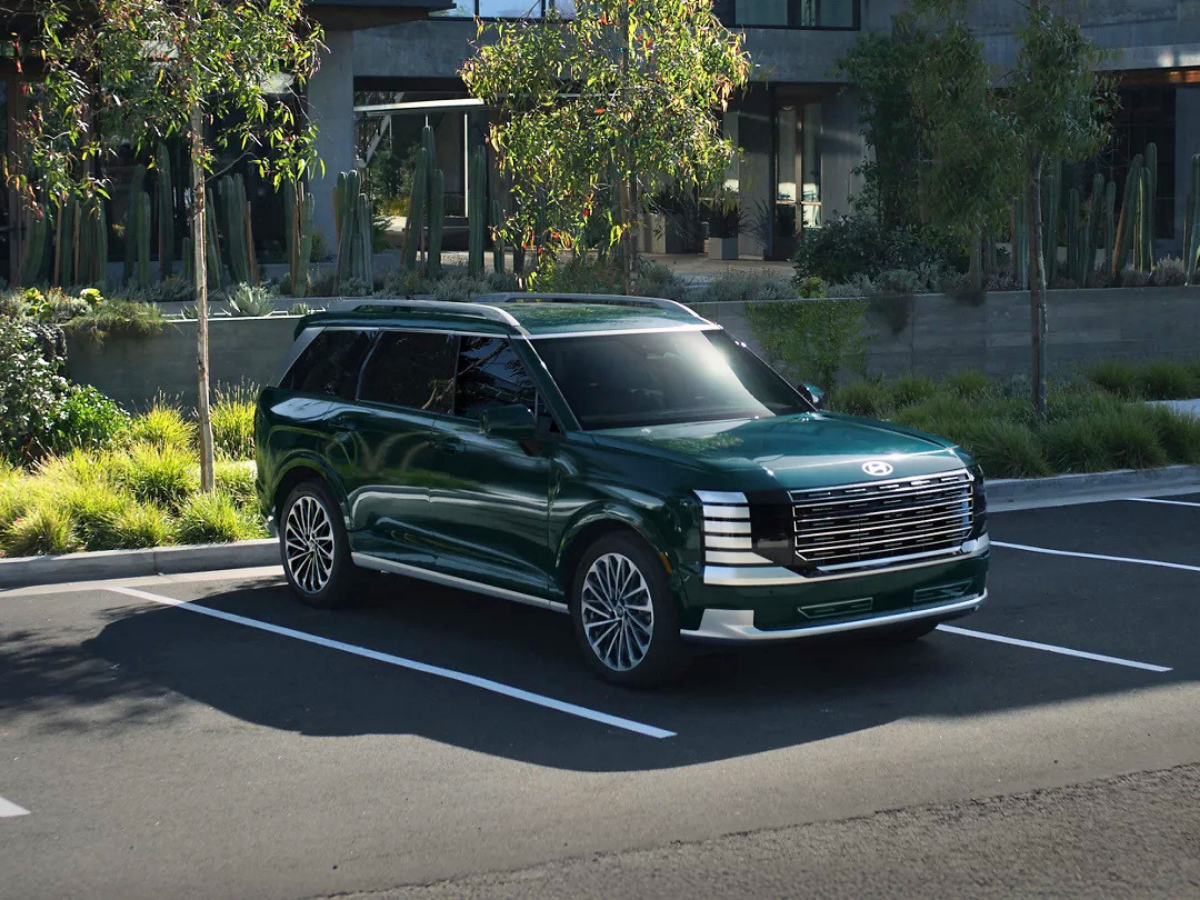

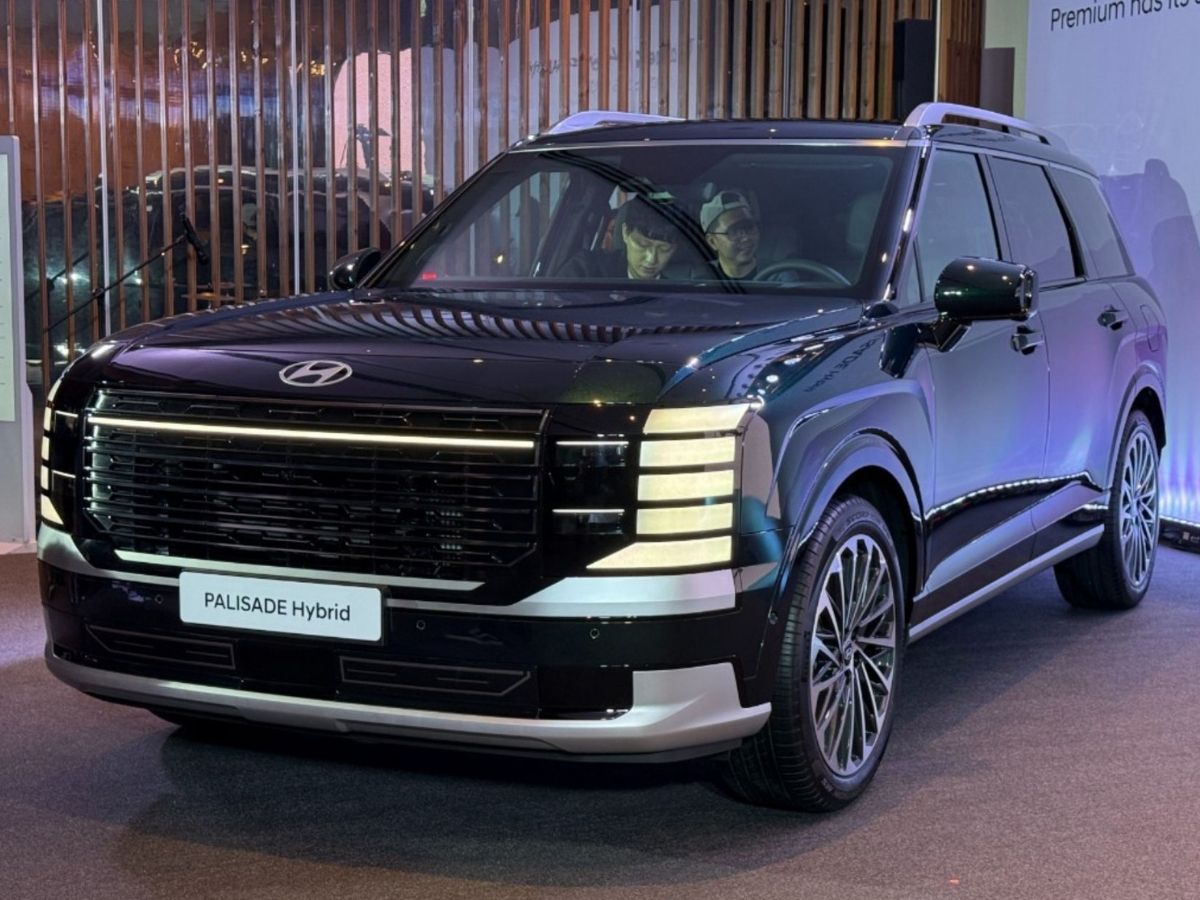
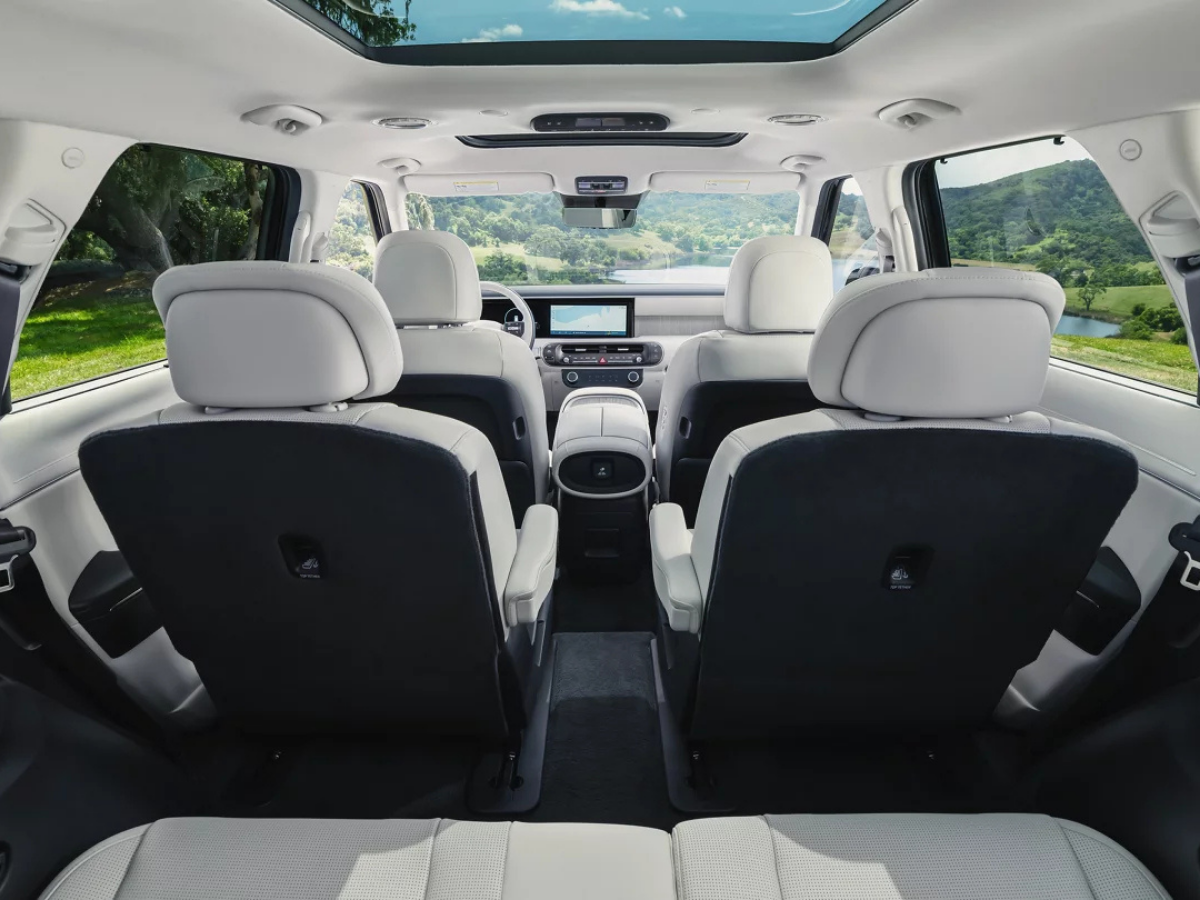
Hyundai Motor Philippines has issued an emergency recall for the 2025 and 2026 model Palisade Calligraphy HEV. The announcement follows a product recall issued by the Korean carmaker in the US over an identified power seat defect on the SUV’s second- and third-row seats.
Hyundai stated these seats may fail to properly detect the presence of an occupant or object during certain powered movements. This includes seat folding, stowing, and the second-row tilt-and-slide function used for third-row access.
According to a report by Philippine media outlet CarGuide.PH, the Department of Trade and Industry (DTI) said that a total of 123 units of the 2025/2026 Hyundai Palisade Calligraphy HEV SUV units are flagged for product recall and emergency fix.
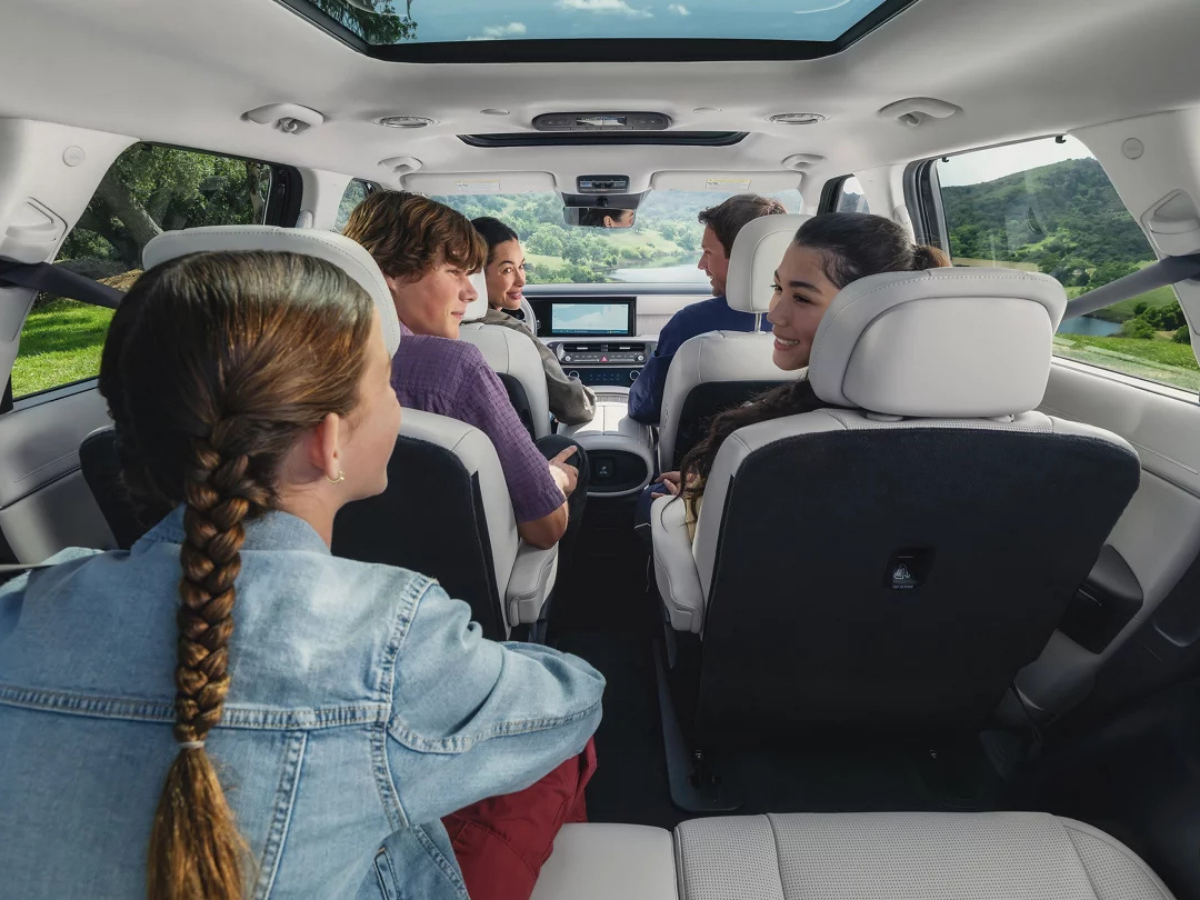
Initially, Hyundai Motor North America halted sales of the affected model in the United States and Canada while working with regulators on a formal recall. The company also began investigating the issue after receiving multiple field reports, including cases involving minor injuries.
A fatal accident involving a child, which remains under investigation, added urgency to the situation. While the exact cause has not been definitely established, the case is believed to be potentially linked to the condition affecting the power seat system.
In the Philippines, Hyundai has confirmed that the same issue applies to locally sold Palisade units. While a stop-sale order has not been highlighted locally, the company is expected to carry out a recall campaign and coordinate directly with affected customers once the final repair solution is ready. Globally, the recall is expected to cover around 69,000 Palisade units.
As an interim measure, Hyundai has begun rolling out a software update designed to improve software update. The update revises how the power seats operate, requiring more deliberate press-and-hold inputs instead of one-touch actions. It also introduces updated detection logic aimed at improving the system’s response to obstructions. Additional safeguards include limiting certain automatic seat functions and requiring specific conditions before seat-folding operations can proceed.
Hyundai has advised owners to exercise caution when using power seat controls and ensure that no person or subject is within the seat’s movement range before activating it. In addition, Hyundai also advised owners to reach out to Hyundai Motor Philippines or to contact their nearest Hyundai dealership for more details.
Autocar’s Take
The recall involving the latest Hyundai Palisade is a sombering reminder that modern convenience features can still carry serious risks when safety systems fail. Powered seats and automated cabin functions are designed to make family vehicles more comfortable, but even small flaws in detection systems can have devastating consequences.
The headline maker here is how the issue moved from isolated complaints to a global recall affecting multiple markets, including the Philippines. Hyundai’s response has been swift, particularly with interim software safeguards, but this situation puts the spotlight on the growing complexity of modern interiors. As more features become automated, the margin for error becomes smaller, and expectations for fail-safe performance become much higher.