

The Philippines’ push toward electrified mobility may soon gain fresh momentum as Senator Sherwin Gatchalian calls for the extension and expansion of incentives for electric vehicles (EVs). The senator argues that the country’s continued dependence on imported oil leaves it vulnerable to global supply disruptions and fuel price spikes.
The proposal comes as tensions in oil-producing regions continue to highlight a long-standing reality: the Philippines imports the vast majority of its petroleum requirements. For policymakers, reducing that dependence has become not only an environmental goal but also an energy security priority.
In many ways, the senator’s position aligns closely with the objectives of Republic Act No. 11697, better known as the Electric Vehicle Industry Development Act (EVIDA). Signed into law in 2022, EVIDA was designed to accelerate the development, commercialization, and adoption of electric vehicles in the Philippines while reducing reliance on imported fuels in the transportation sector.
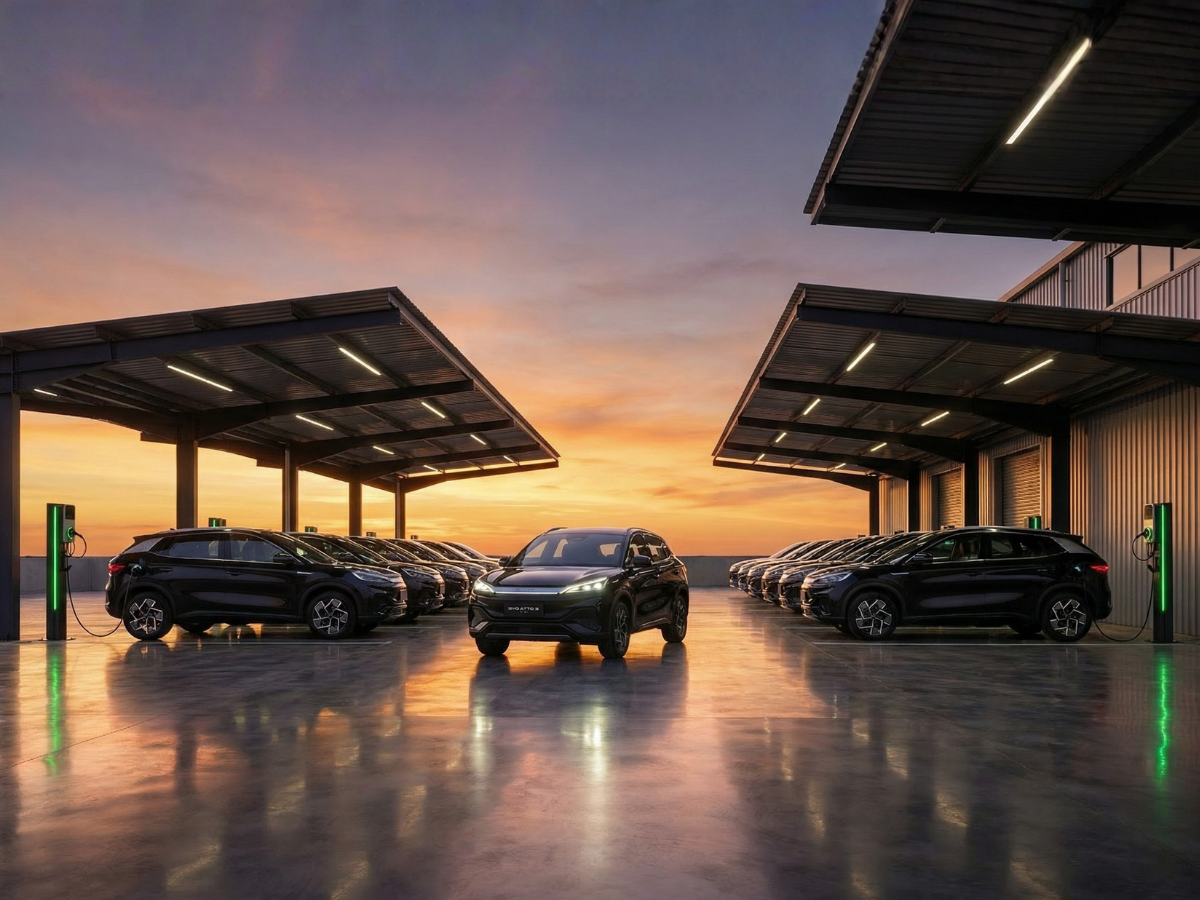
The law introduced a range of fiscal and non-fiscal incentives intended to encourage EV adoption. Among them are discounts on motor vehicle user’s charges, registration fees, and inspection fees for battery-electric and hybrid-electric vehicles. EVIDA also grants non-fiscal benefits such as priority registration, special vehicle plates, and exemption from number-coding schemes implemented by local authorities, subject to applicable rules.
Beyond consumer incentives, the legislation seeks to develop the EV ecosystem itself. The law provides incentives for EV manufacturing, assembly, charging infrastructure, and related investments. It also established the Comprehensive Roadmap for the Electric Vehicle Industry (CREVI), a national framework covering charging networks, manufacturing, research and development, and workforce development.
One notable provision requires certain government agencies, local government units, public transport operators, and large corporate fleets to ensure that at least 5% of their vehicle fleets are electric. The measure aims to stimulate demand while helping create a sustainable EV market.
Gatchalian’s latest proposal builds on these foundations. Aside from extending incentives that are currently time-bound under EVIDA, he has floated additional measures such as concessional financing, expanded charging infrastructure, and other ownership benefits to accelerate EV adoption.
Autocar’s Take
The conversation around EVs in the Philippines is often framed as an environmental issue, but energy security may ultimately prove to be the stronger argument. Fuel prices remain vulnerable to events happening globally, and Filipino motorists inevitably feel the effects whenever global oil markets are disrupted.
That makes the discussion on Philippine EV incentives particularly relevant. Extending support measures beyond 2028 could help address one of the biggest barriers to EV ownership: affordability. Of course, incentives alone are not enough. Charging infrastructure, financing options, and consumer confidence must grow alongside vehicle adoption if electrification is to gain meaningful traction.