
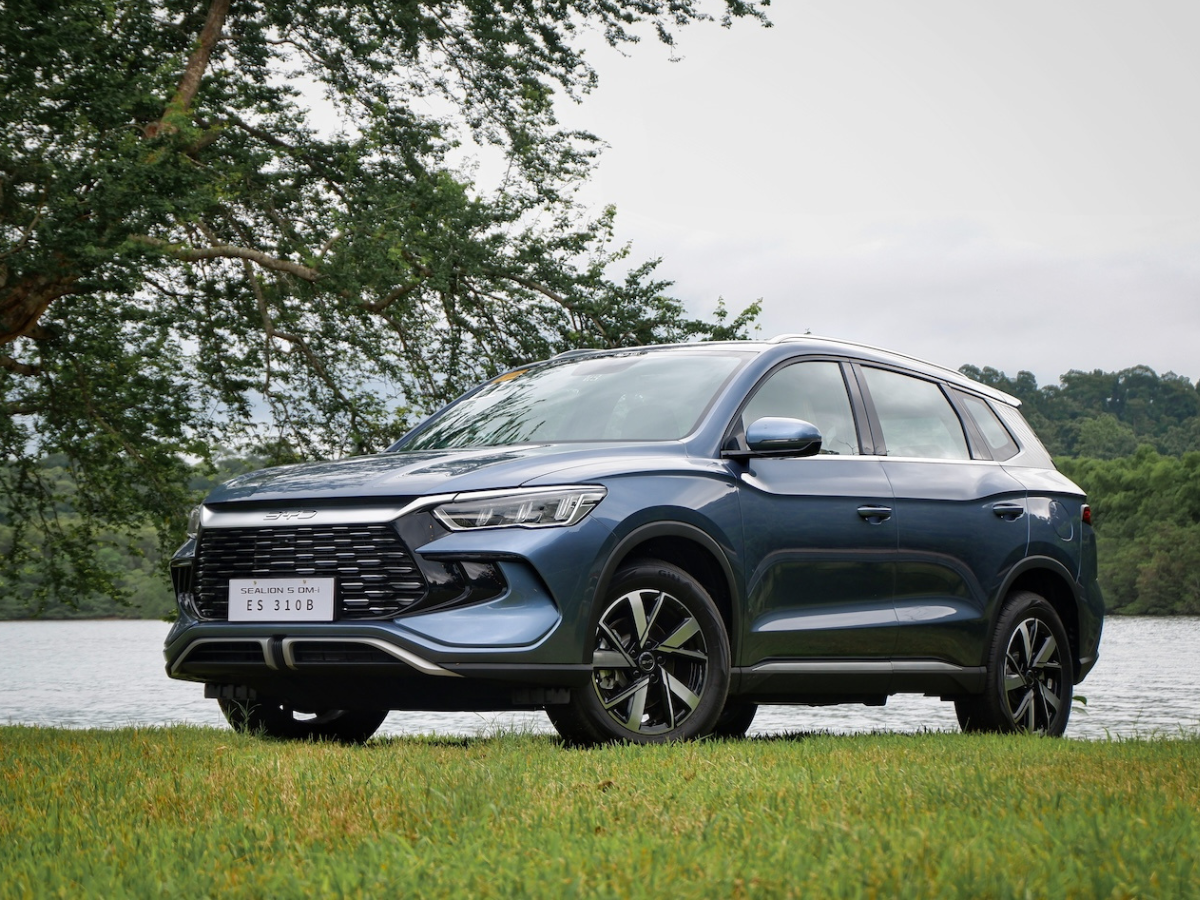
Chinese automaker BYD has emerged as the world’s best-selling electric vehicle (EV) brand for 2025. BYD’s latest breakthrough puts American car brand and long-time EV leader Tesla behind the Chinese carmaker in global battery-electric vehicle (BEV) sales in the past year.
In a report by British media outlet BBC, BYD delivered approximately 2.26 million BEVs in 2025, representing an increase of nearly 28% compared to its 2024 performance. This notable feat allowed the Shenzen-based manufacturer to move ahead of Tesla, which recorded around 1.6 million global vehicle sales, down roughly 9% vs. its 2024 sales record.
The shift reflects broader changes in the global EV market. BYD’s rapid rise has been driven by a multitude of factors, including its aggressive pricing, a broad product portfolio, and strong demand in both its domestic market and overseas territories. While competition in China intensified in 2025, slowing BYD’s growth rate in its home country, it compensated for the drop with its significant overseas expansion. Outside China, BYD’s sales have surged more than 150%, even as several countries imposed higher tariffs on Chinese-made EVs.
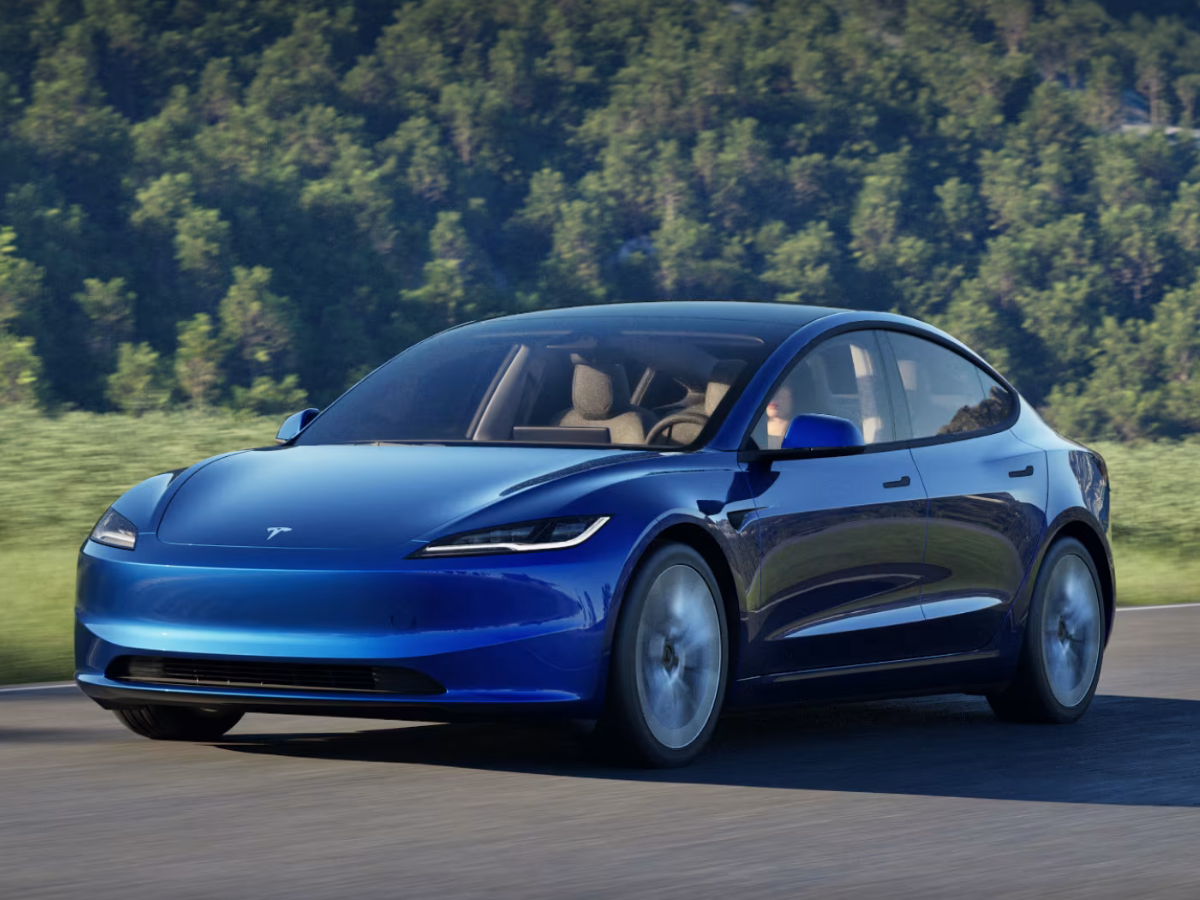

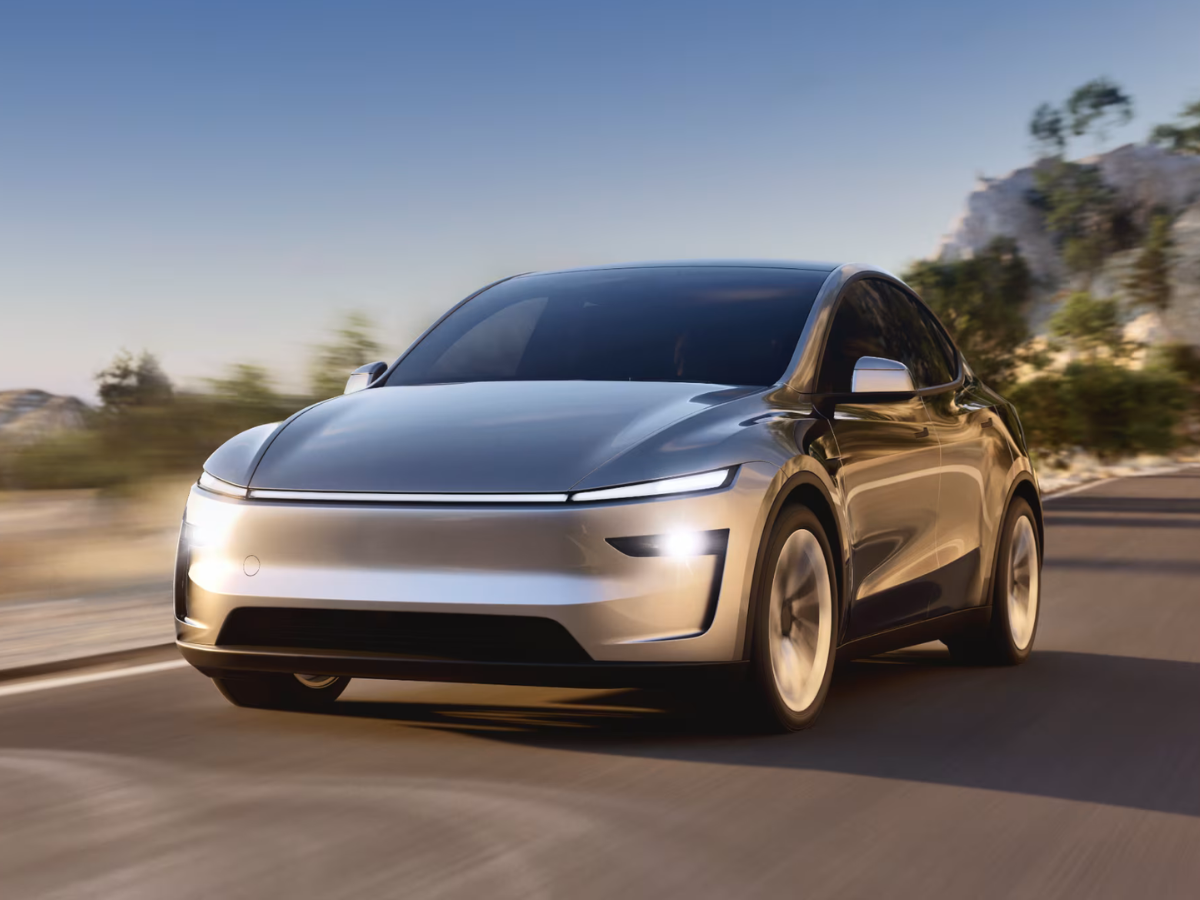
Tesla, meanwhile, faced tough challenges. The company’s deliveries fell significantly in Q4 of 2025, forcing it to introduce lower-priced versions of its core models in the United States of America (USA), in an attempt to attract more buyers. Additionally, the removal of EV subsidies in major markets further slowed the brand’s sales momentum. But despite these challenges, Tesla continued to outperform BYD in terms of profitability, underlining its strength in margins even as sales volumes slipped.
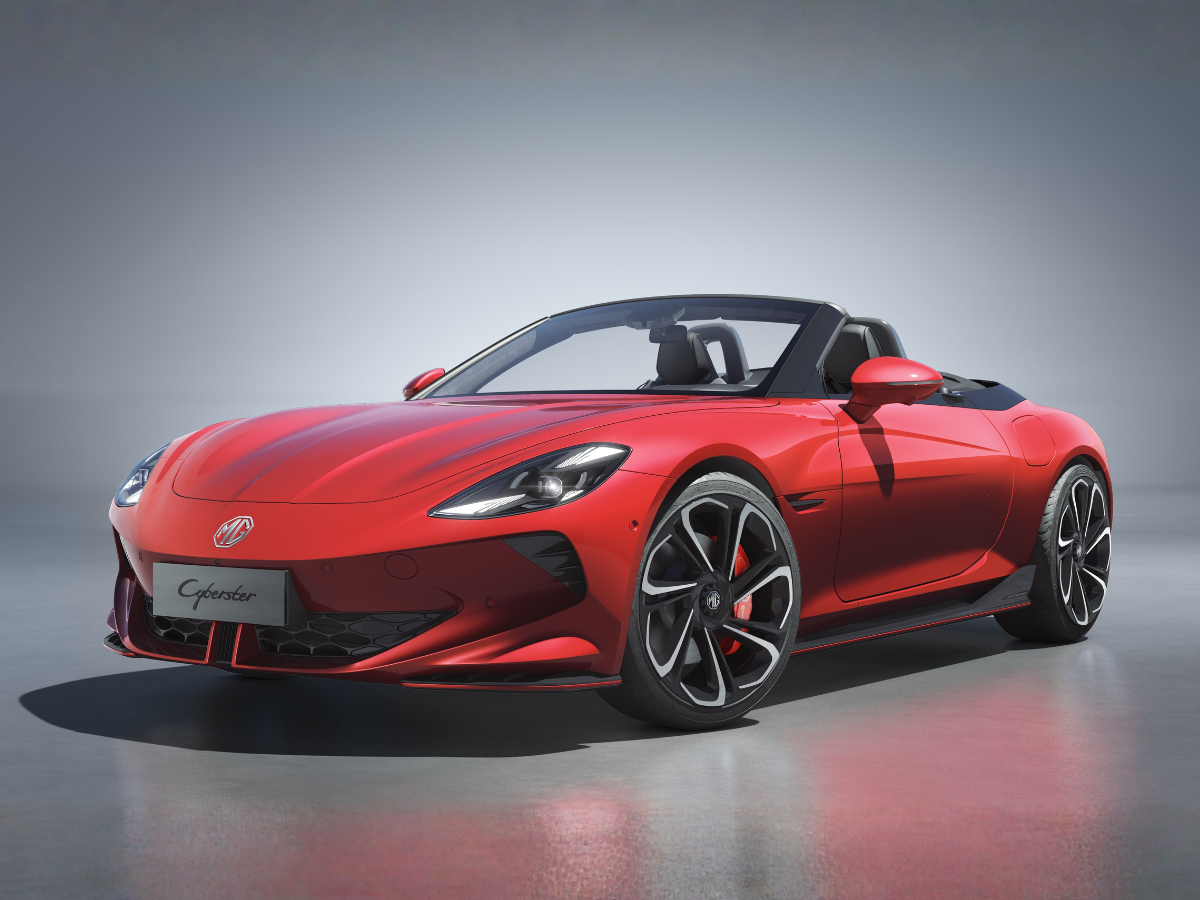
The competitive landscape has also been reshaped by the rise of Chinese manufacturers beyond BYD. Brands such as Geely and MG have increasingly pressured Western automakers by offering lower-cost EVs, accelerating price competition worldwide.
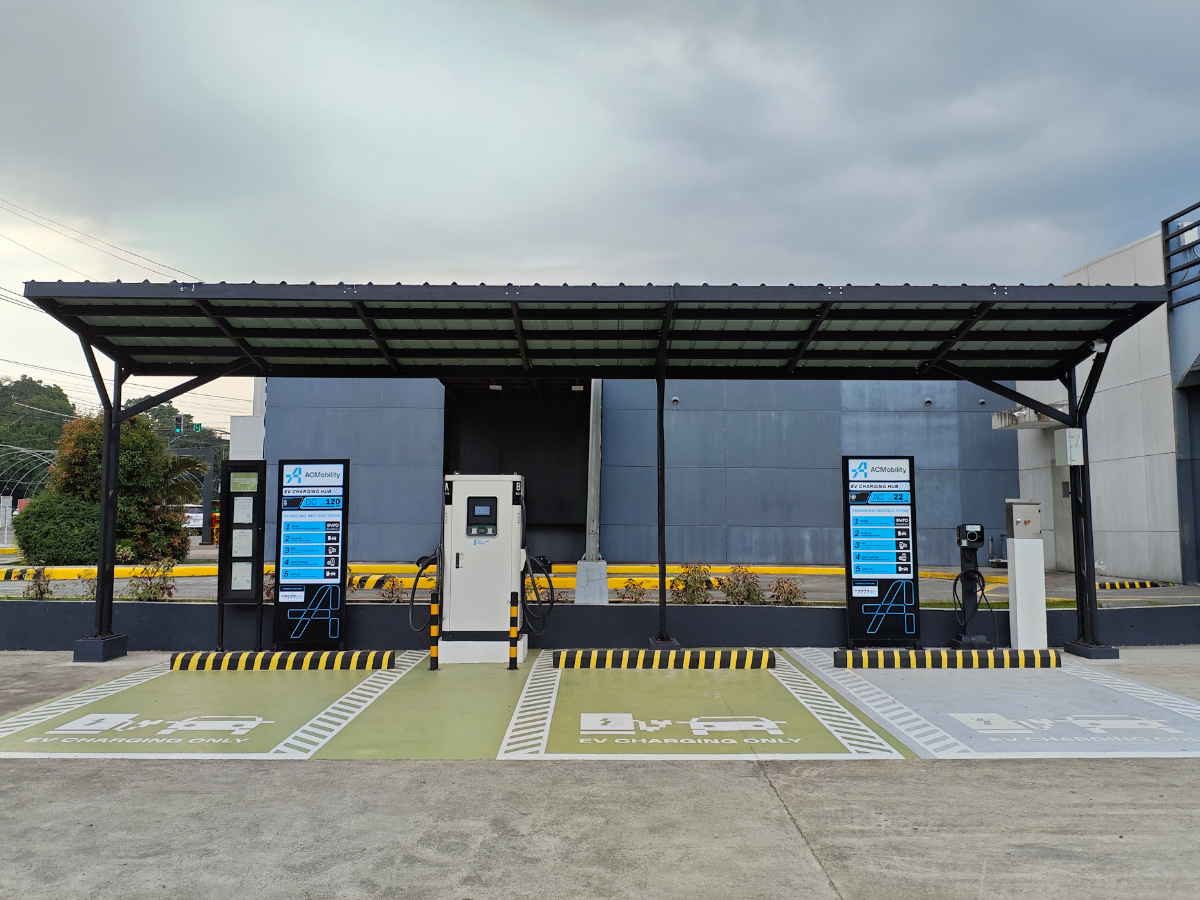
For the Philippine Automotive market, BYD’s global milestone carries practical implications. As one of the few Chinese EV brands with an established local presence, BYD’s growing scale may help support more competitive pricing and broader model availability in the country. With EV adoption in the Philippines still challenged by infrastructure and cost considerations, developments in the global EV race, particularly those markets favoring more affordable manufacturers, could play a role in shaping the pace and direction of local electrification in the years ahead.