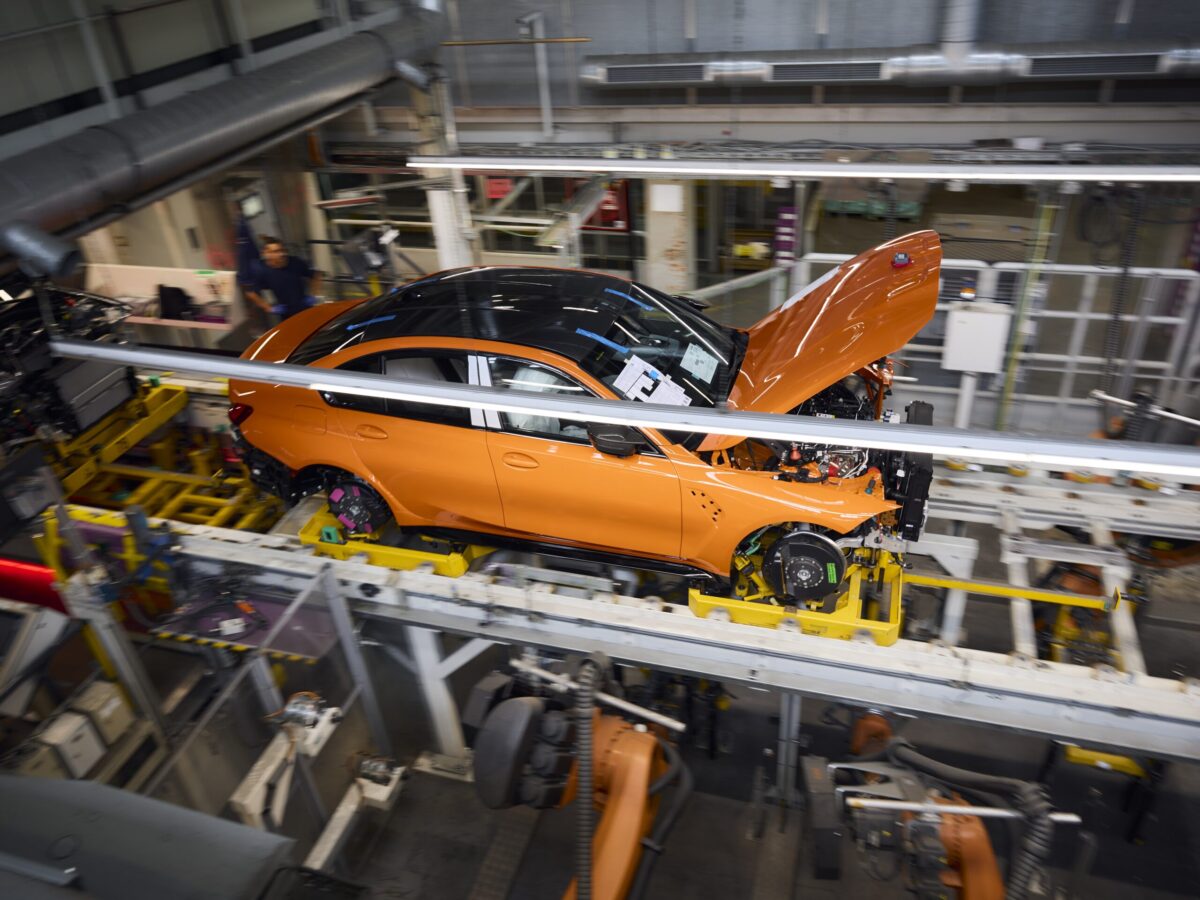
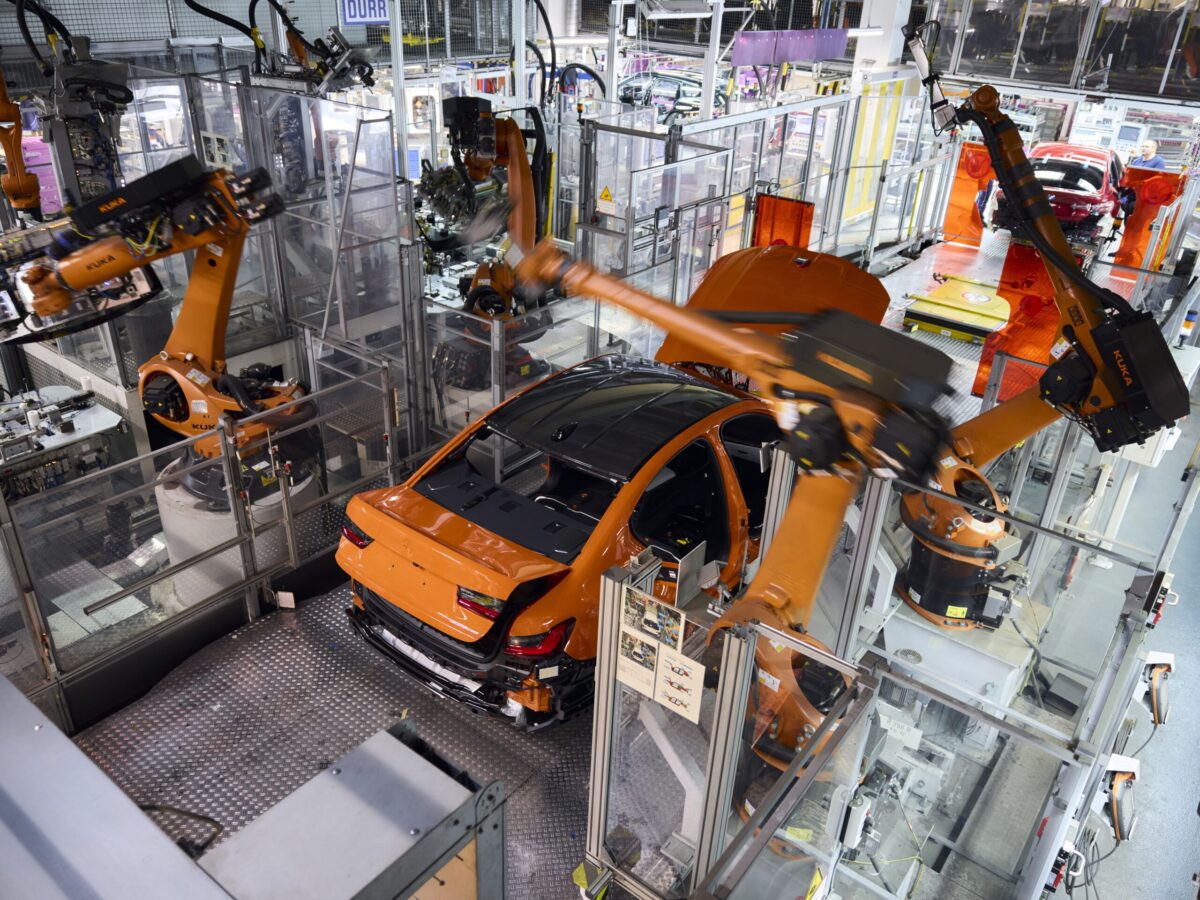
For Bayerische Motoren Werke, the letter “M” means more than just a letter of the alphabet: it’s a symbol of prestige, from the original homologation special E30 M3 to the modern-day G80. Now, Bavaria celebrates one million cars proudly wearing the “M” badge.
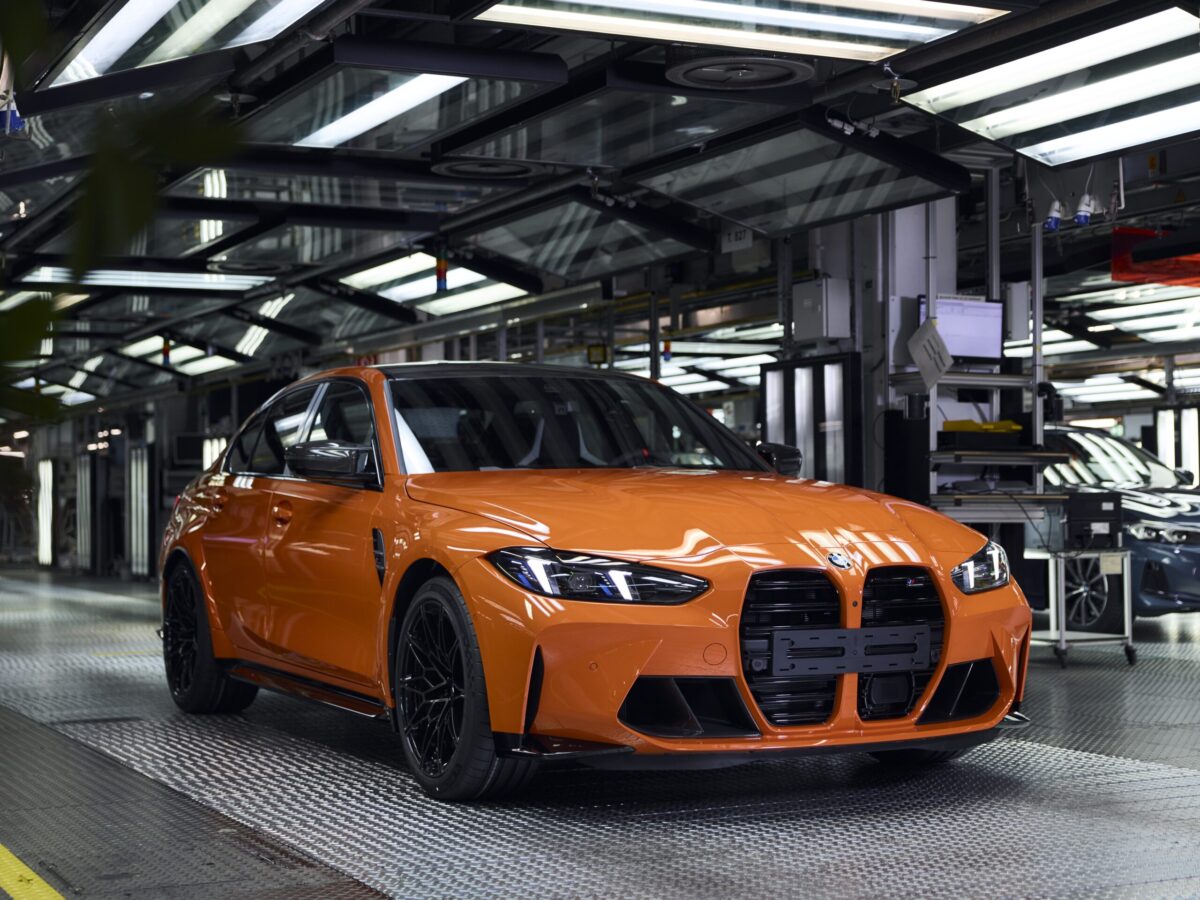
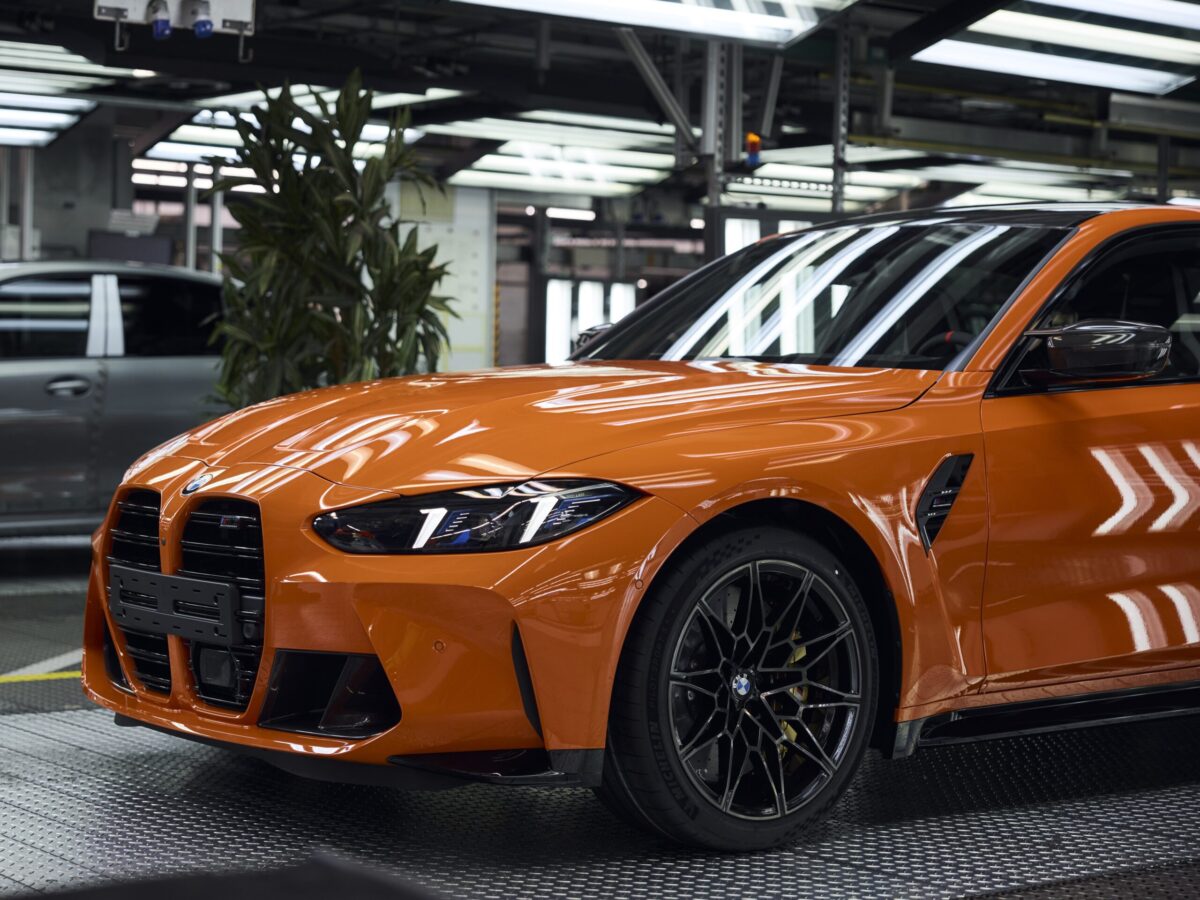
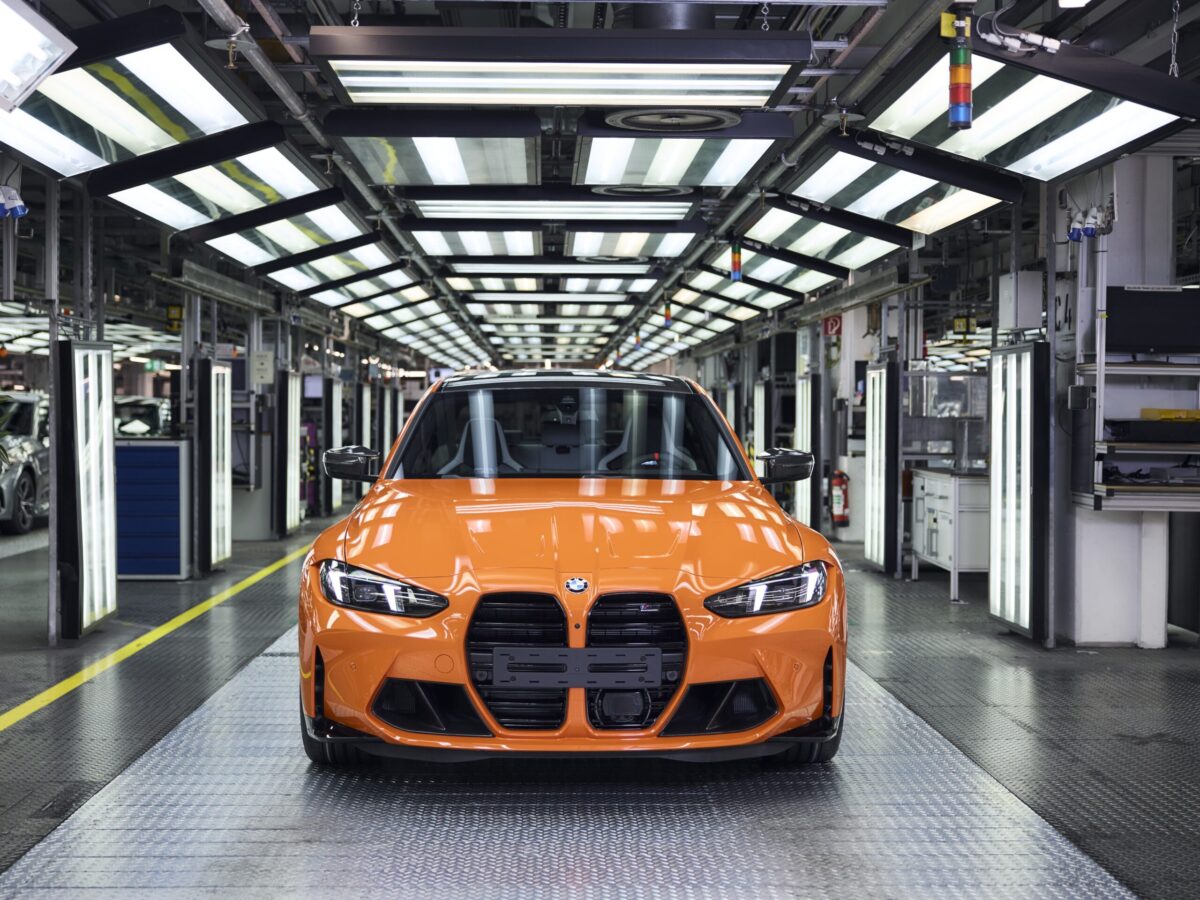
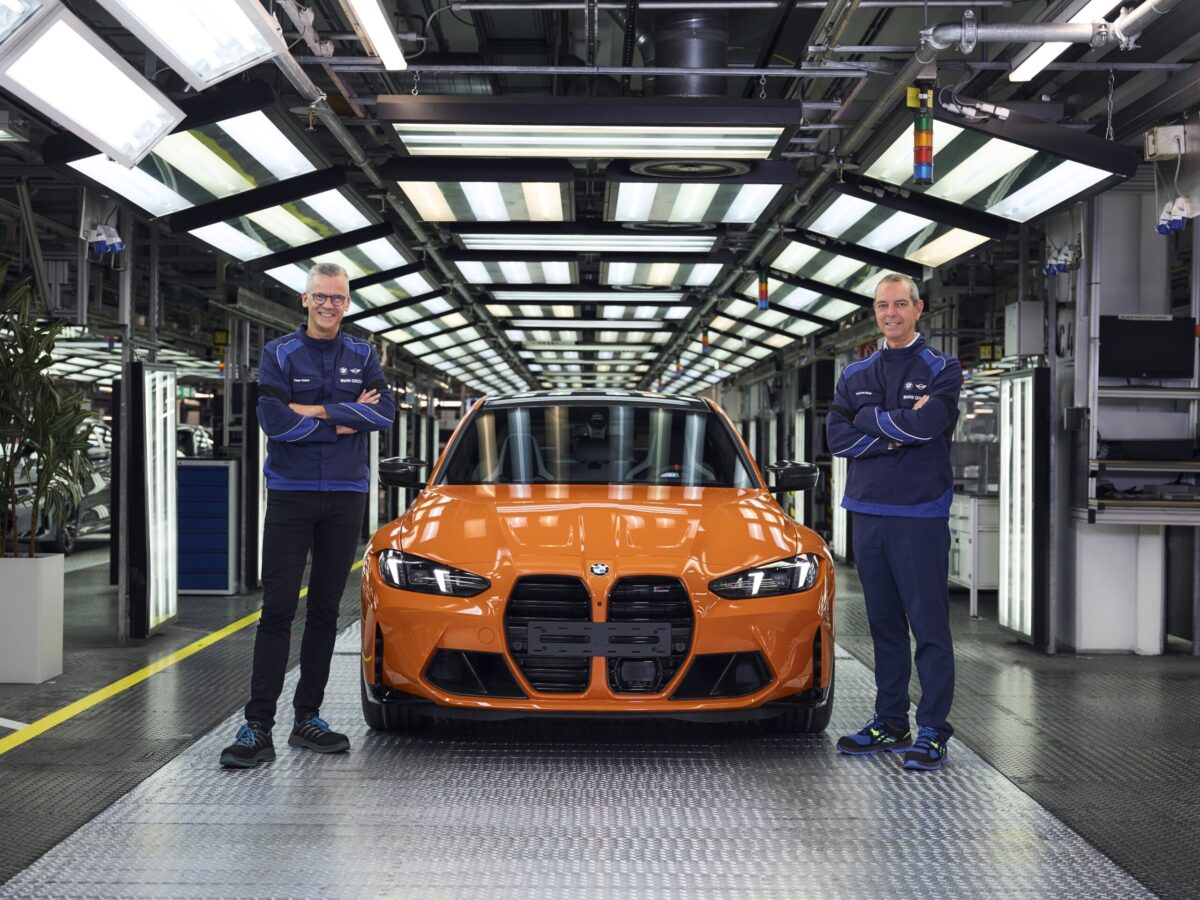
The unit marking this achievement is a G80 M3 painted in Fire Orange III through BMW Individual, the brand’s personalization program. BMW Group Plant Munich head Peter Weber presented the millionth M to BMW M CEO Franciscus von Meel during a ceremony at the Munich plant, marking more than five decades of the brand’s performance division, 40 years after the first BMW M3.
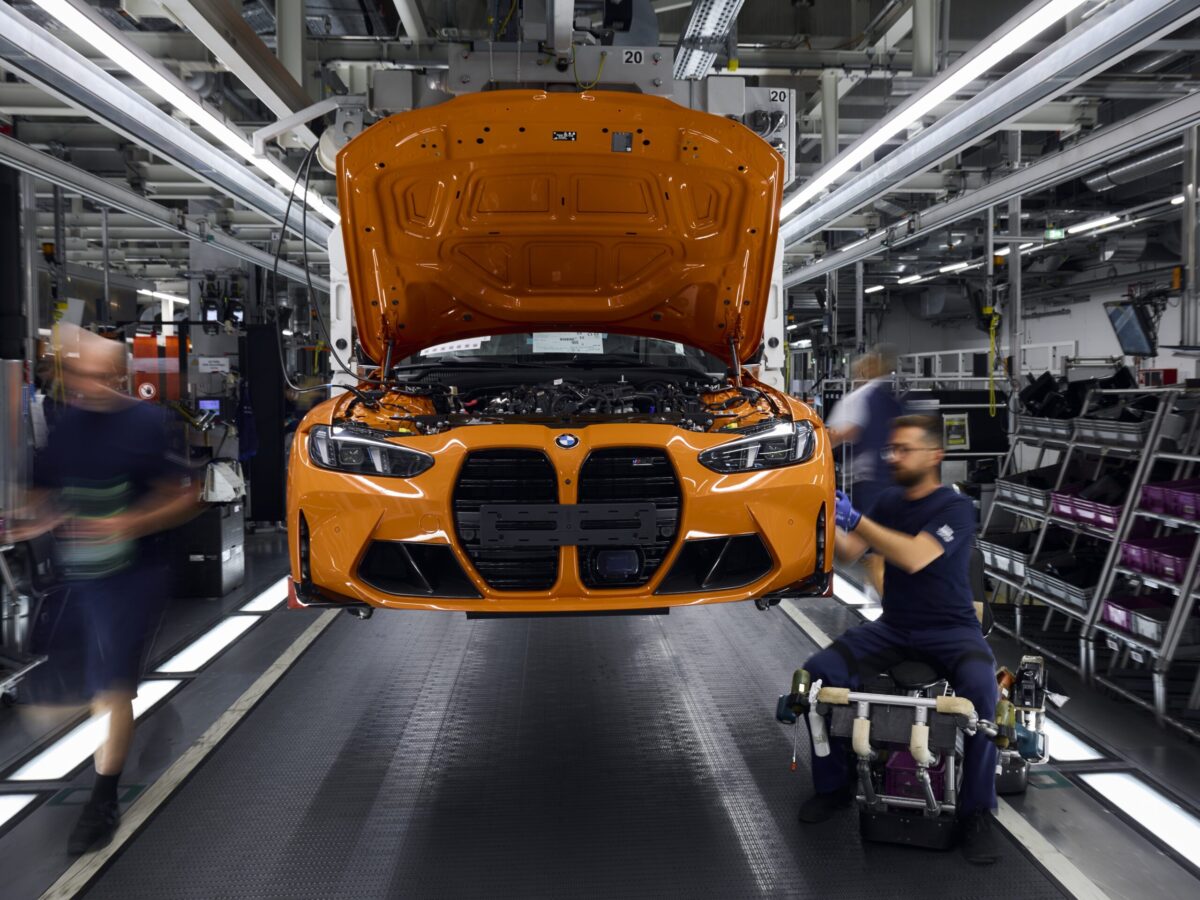
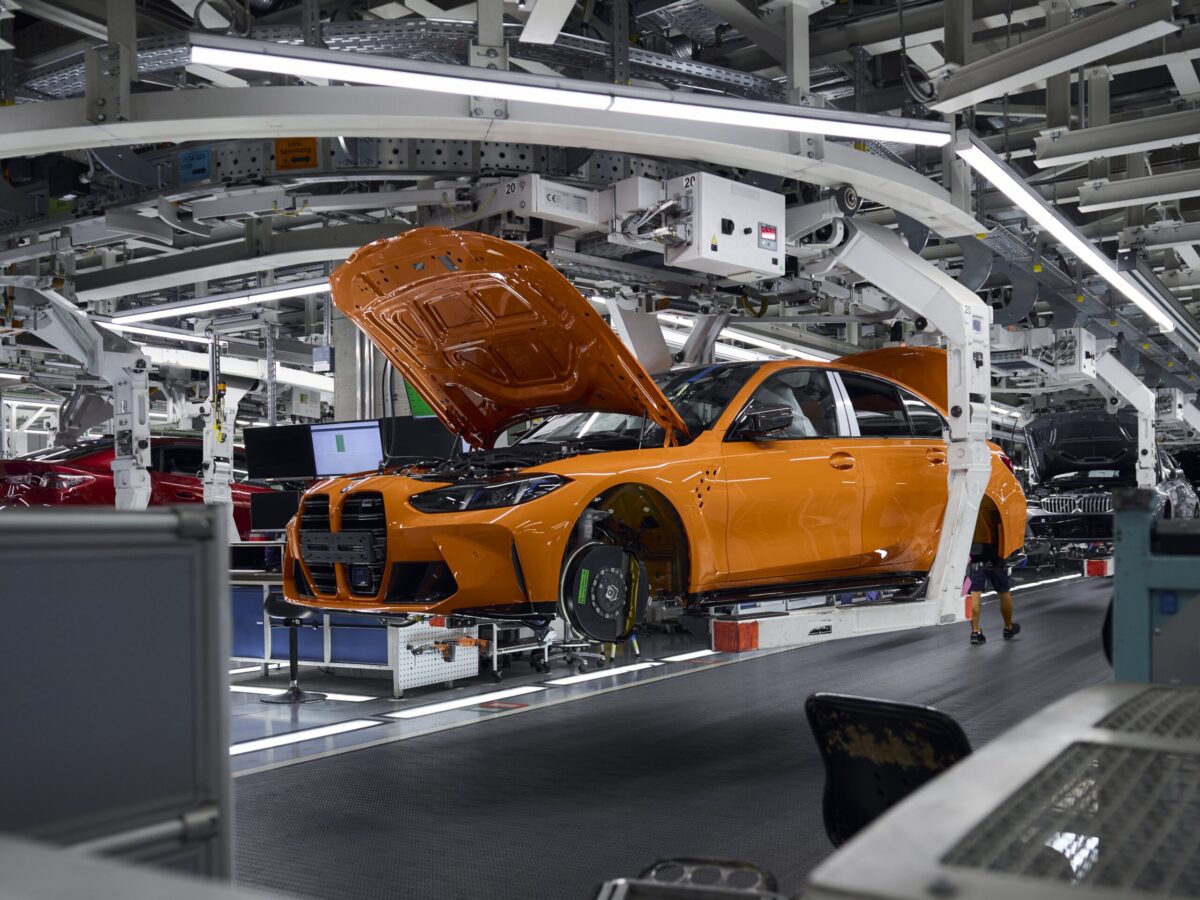
Beyond the milestone, the over 100-year-old main plant is slated for major changes. Come 2027, the plant will produce only electric vehicles. The company invested over 650 million euros in the Munich plant, including updated logistics areas, new body shops, and vehicle assembly lines, occupying around a third of the plant’s total area. However, despite the facility’s shift to EVs next year, it still has strong emotional ties to BMW M’s history, since production for the current-generation G80 BMW M3 began in 2020. Weber said, “The BMW M3 has close ties to the BMW Group’s main plant in Munich.”
Photo: BMW
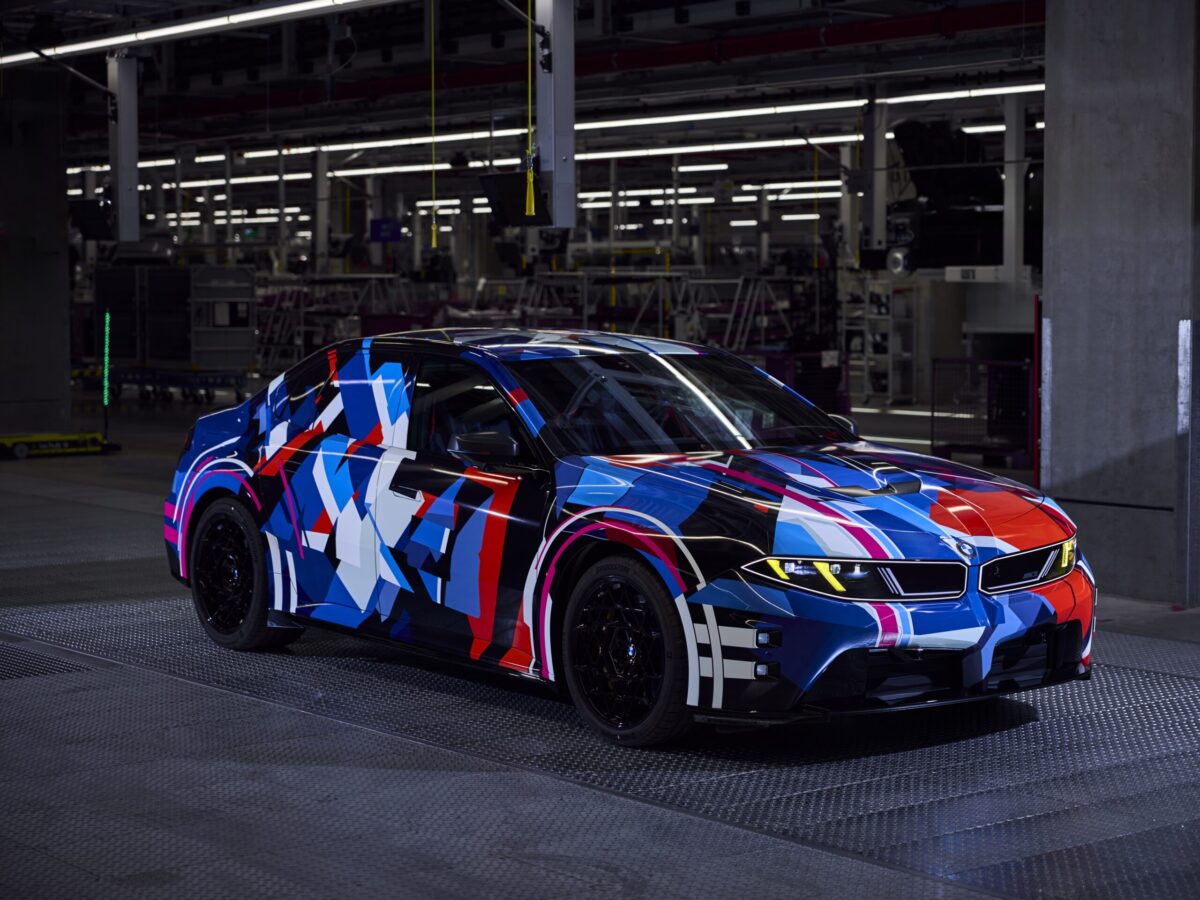
One thread connecting the plant’s model history to its future direction, however, is that one of the EV models slated for production is the new, fully electric BMW M3 under the brand’s new ‘Neue Klasse’ design philosophy. This marks the second Neue Klasse-generation vehicle to be produced in Munich after the fully electric i3 sedan. “We are delighted that we will also be producing the first fully-electric BMW M3 here in Munich. BMW M has a special emotional significance for our associates here – so we are especially proud to be actively shaping the future of this icon.” Weber said.
Autocar’s Take
BMW’s transition toward an electric future hints widespread EV adoption may be inevitable, but that doesn’t mean automakers have to abandon the traditions that made them successful in the first place. The Munich plant’s transformation shows how a brand can respect its history while adapting to the rapidly changing automotive landscape.
The M3, in particular, carries decades of performance heritage that car enthusiasts, including those from the Philippines, have come to revere, and its eventual transition to electric power represents a significant change without necessarily cutting ties to decades of history. As the industry moves forward, manufacturers will find out how to blend their historical prestige, identity, and heritage with the technology, efficiency, and pace of the modern automotive industry.
Photo: BMWPhoto: BMWPhoto: BMWPhoto: BMWPhoto: BMWPhoto: BMWPhoto: BMW
Facebook Twitter Pinterest LinkedInToyota has consistently provided ways to power people’s everyday mobility, from its tried-and-true combustion engines, such as…