Guangzhou Automobile Group (GAC) announced plans to acquire a 50 percent equity stake in the FAW Toyota joint venture, according to a report by CarNewsChina. As such, this means that GAC will replace FAW in the joint venture with Toyota.
This will effectively bring all of Toyota’s joint ventures in China under GAC. To put things in perspective, there are two separate Toyota joint ventures in China: GAC Toyota and FAW Toyota. Both manage different regional sales channels and have manufacturing plants across China.
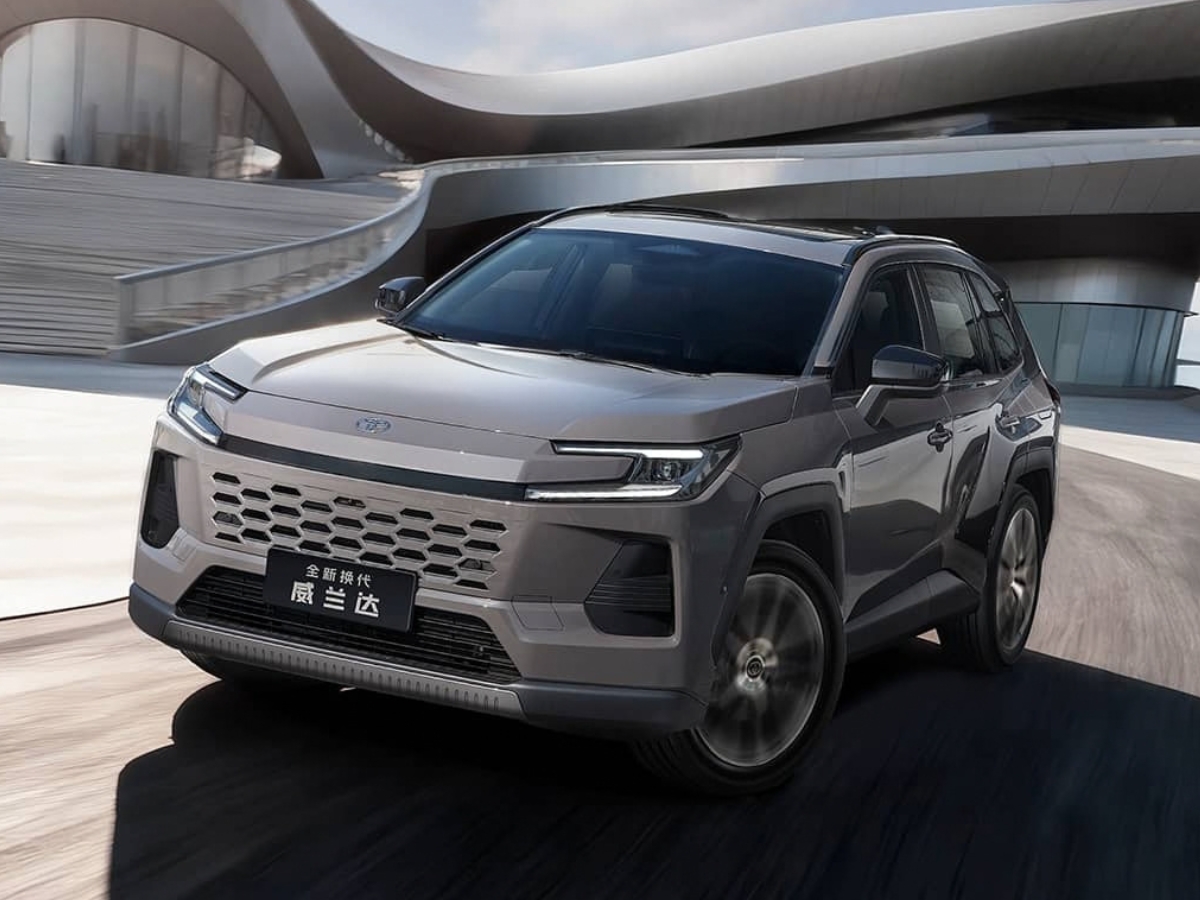
While having two joint ventures could mean a wider network, the scenario is different, as the product lineups of GAC Toyota and FAW Toyota overlap. The example cited was that the two joint ventures sold almost identical models, such as the FAW Toyota RAV4 and the GAC Toyota Wildlander. The result of this is that the two joint ventures are competing with each other, and it also entails unnecessary production costs.
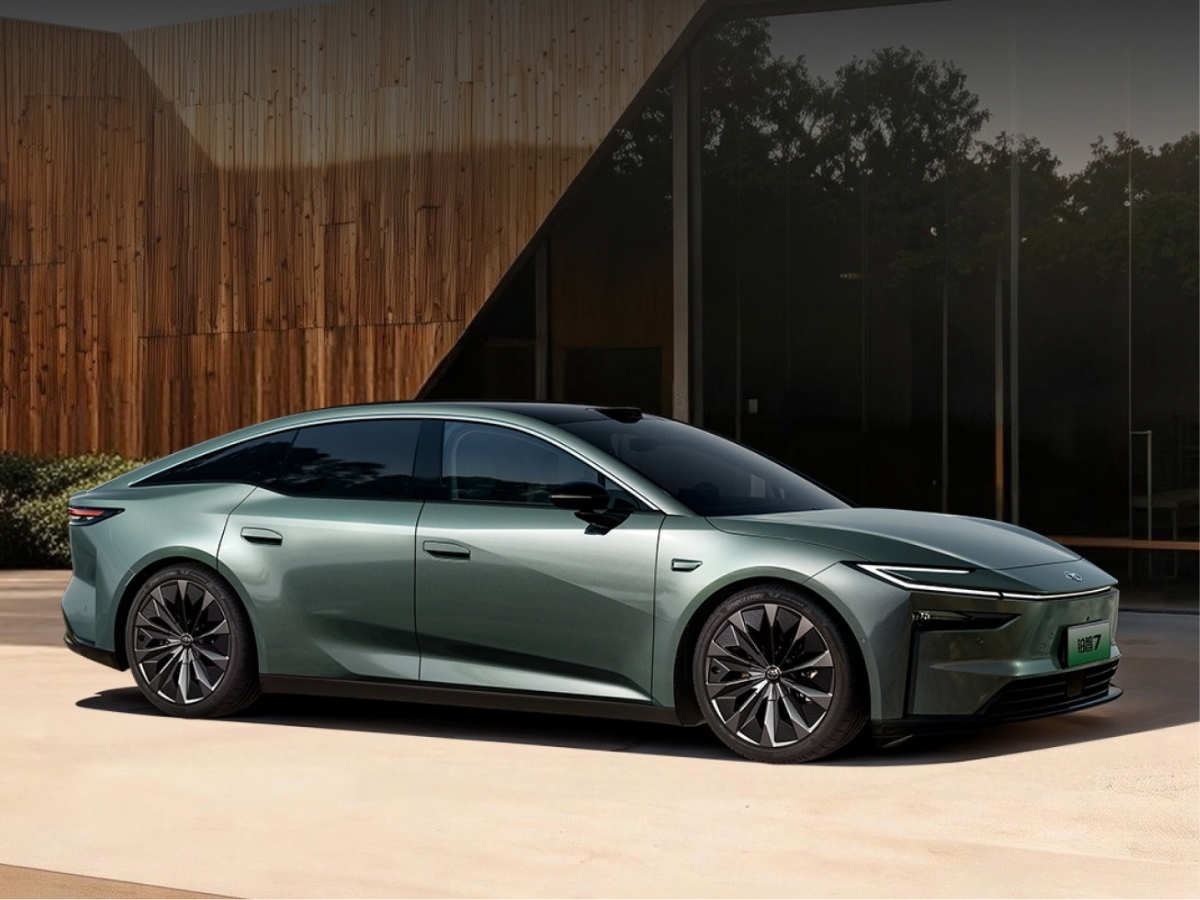
With GAC acquiring a 50 percent equity stake, it can have all Toyota joint venture operations under GAC, which is seen as streamlining the business. Having a unified or single management approach, the company intends to have more optimized research and development, coordinate supply chains better, and align marketing strategies in the Chinese market.
Aside from having more streamlined operations, one of the considerations that was taken into account is the decreasing demand for gasoline-powered cars in China. According to CarNewsChina, from January to August 2026, GAC Toyota delivered 446,591 vehicles, marking a 10 percent year-over-year decline. Meanwhile, FAW Toyota reported 378,872 deliveries, translating to a 27 percent drop.
A more streamlined operation could also enable Toyota to pivot more easily and efficiently, especially when launching next-generation products. Speaking of which, Toyota reportedly plans to produce approximately 200,000 extended-range electric vehicles (EREVs) in China by 2027.
Autocar’s Take
Bringing all Toyota joint venture operations under GAC makes sense, as it will allow the Japanese automaker to have a more seamless structure. This allows Toyota to make decisions faster and implement new directions more seamlessly. It also gives GAC Toyota joint venture more elbow room when it comes to which path it takes when introducing a new product, which could result in better marketing campaigns that would allow the products to be highlighted more systematically and effectively.