

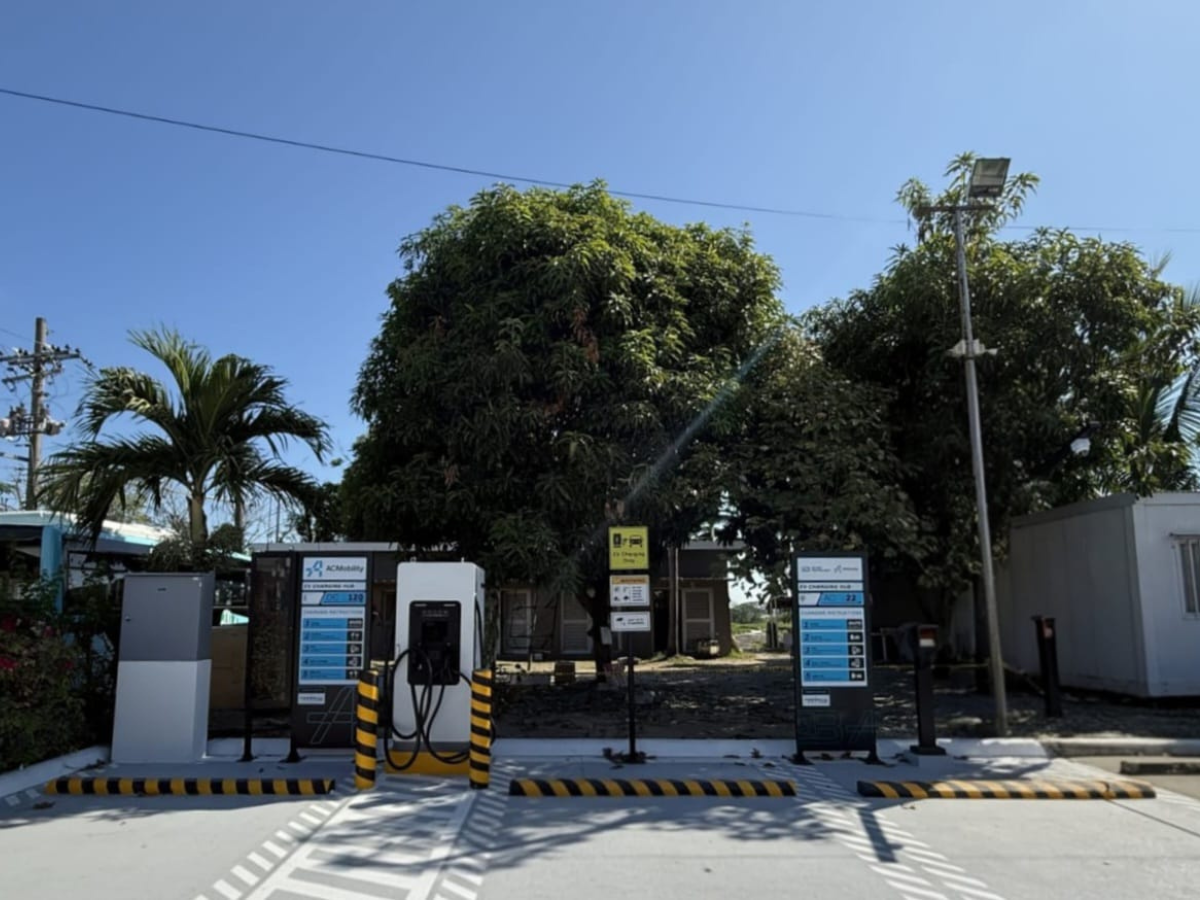
ACMobility remains committed to further expanding the electric vehicle (EV) charging infrastructure in the Philippines, as it partnered with energy and transport solution provider Basic Energy Corporation (BEC). The partnership will involve building EV charging stations that support the growing fleet of electric public transport in the country.
ACMobility shared that the partnership is in line with BEC’s Iwas Taas Pamasahe Transport Solutions Program, which empowers local transport operators to transition to electric mobility and protect commuters from rising transit costs amid fluctuating fuel prices. Under BEC’s program, transport groups can use electric buses with zero upfront costs and can own the vehicle after five years.
ACMobility Head of Mobility Infrastructure Carla Buencamino said that electric mobility can only be complete if public transport can also be electrified.
“Our transition to electric mobility can only be complete if we also electrify public transport. Through our partnership with Basic Energy, we are building an EV charging network that powers not just private vehicles but also public transportation fleets from North to South. This is at the core of ACMobility’s mission to build a comprehensive electric mobility system in the Philippines,” said Buencamino.
BEC President and CEO Oscar De Venecia Jr., on the other hand, mentioned that its partnership with ACMobility will further push its goal of providing accessible transport solutions for Filipinos.
“Our partnership with ACMobility is a vital component of Basic Energy’s mission to provide sustainable and accessible transport solutions for Filipinos. The rollout of EV charging infrastructure across our Total and EcoOil network strengthens the foundation needed to support the growing shift to electric public transport,” shared De Venecia Jr.
The collaboration between ACMobility and BEC plays a key role in the program as it will help modernize public transport through the deployment of the Love E-Bus fleet.
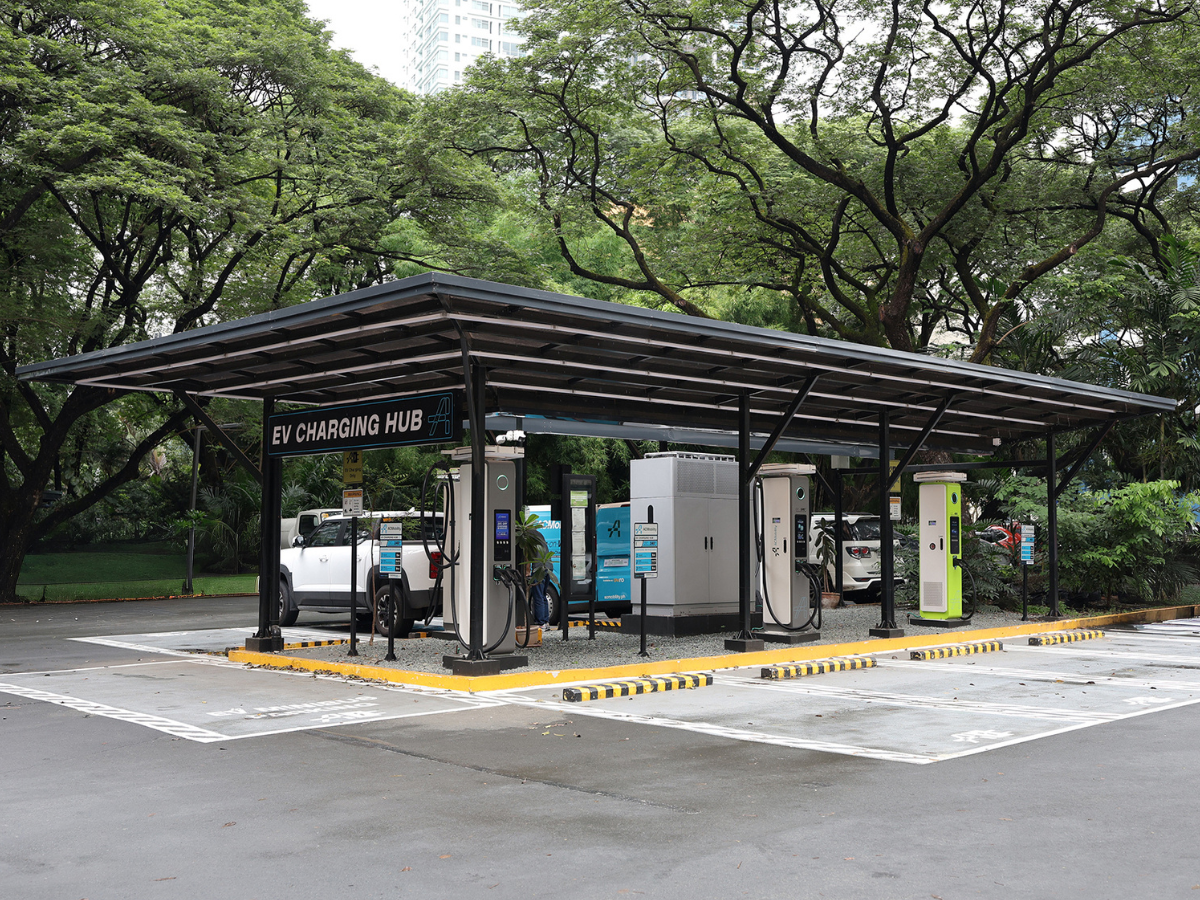
To ensure reliable operations and uptime of newly deployed E-buses, ACMobility will develop EV charging hubs along key routes that can cater to electric buses for public transport, along with private vehicles.
The next charging hub under the partnership will rise at the Total station on the northbound side of the South Luzon Expressway (SLEX). This site is said to feature a mix of chargers, including high-speed DC fast chargers for rapid turnaround and AC chargers for longer-stay charging needs.
ACMobility and BEC are also exploring several other locations for their EV charging hubs, which include sites in Mandaluyong City, Cainta, Barangka in Marikina, and along Sumulong Highway. Strategic corridors are also being strengthened, with planned installations in E. Rodriguez and Visayas Avenue in Quezon City, Newport City in Pasay City, and along EDSA.
Autocar’s Take
ACMobility continues to show its commitment to further expanding the EV charging infrastructure in the Philippines. Early this year, ACMobility shared that it aims to make EV charging more accessible, which is seen to further make EV ownership experience better.
As a follow-up to its goal of making EV charging more accessible, ACMobility has partnered with Basic Energy Corporation to support the growing fleet of electric public transport in the country. This is a good initiative, as it shows that ACMobility is also considering providing EV charging hubs not just for private vehicles but also for public transport fleets.