
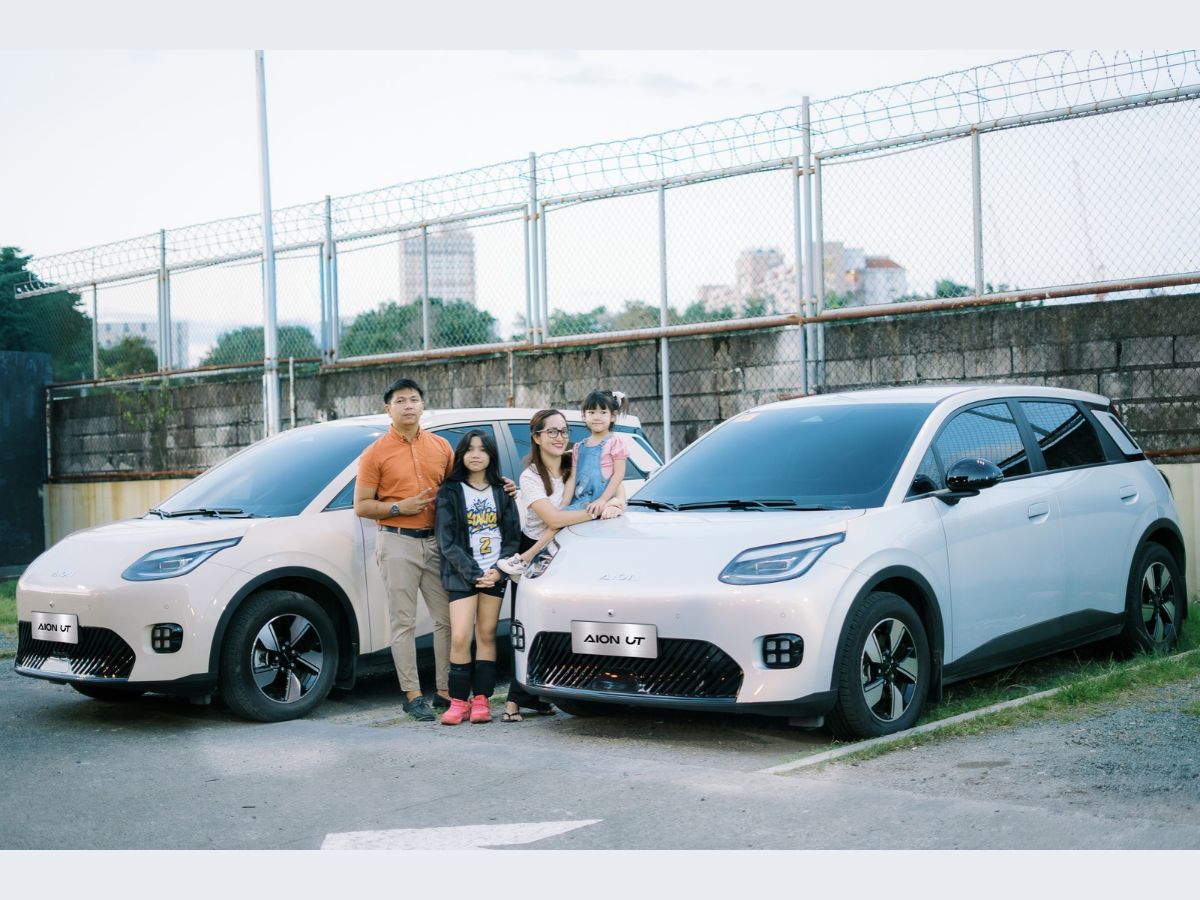
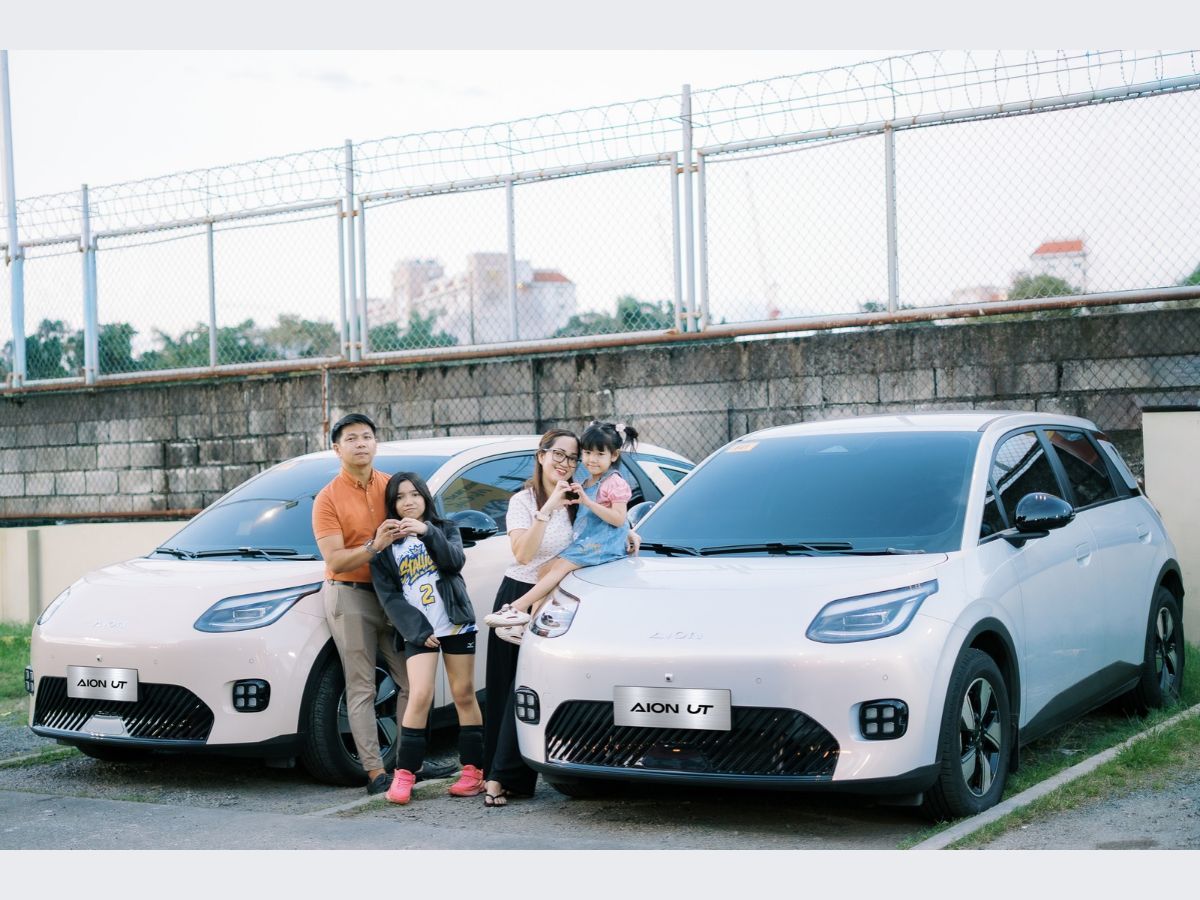
Menchie and Christopher Galang run a photography and videography business while raising their children. Their work requires regular travel and enough room to carry bulky production equipment, making vehicle practicality an important consideration.
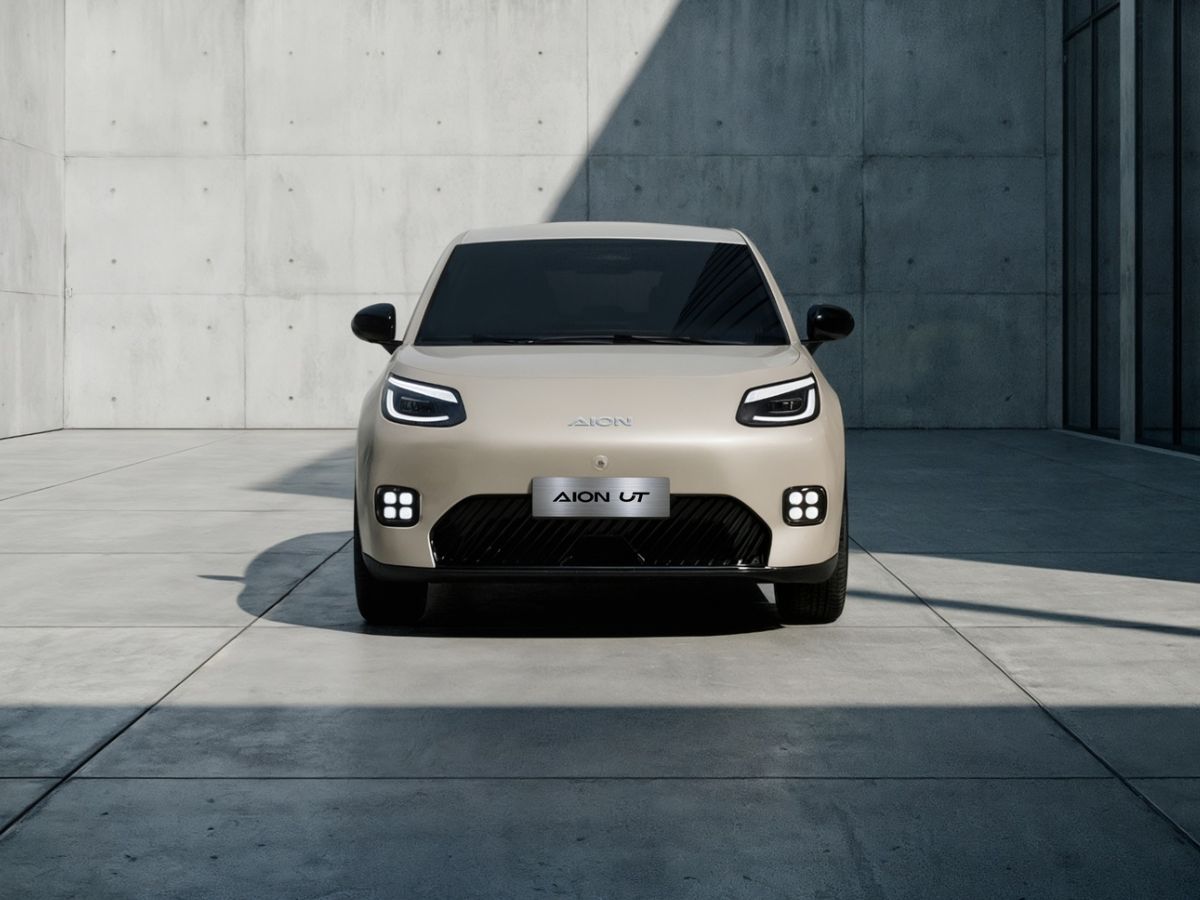
After exploring their options within the electric vehicle community, the couple chose the GAC Aion UT, drawn by its cabin space, features and value, the company said.
Christopher cited the vehicle’s performance, interior room, and driver-assistance features as key advantages. The couple also appreciated its handling on steep inclines during shoots in Angono, as well as family trips to Tagaytay and Batangas. Its vehicle-to-load (V2L) function, which allows the car to supply power to compatible equipment, also proved useful at production locations.
The first Aion UT arrived in July. Two months later, the couple purchased a second unit after finding themselves competing for access to the same vehicle.
The arrangement now gives each car a distinct purpose. One carries photography and video equipment to work locations, while the other handles school runs, errands and other family duties.
GAC also said the couple paired both vehicles with a home solar setup, creating a system intended to reduce their reliance on conventional fuel and grid electricity.
Practicality beyond the powertrain
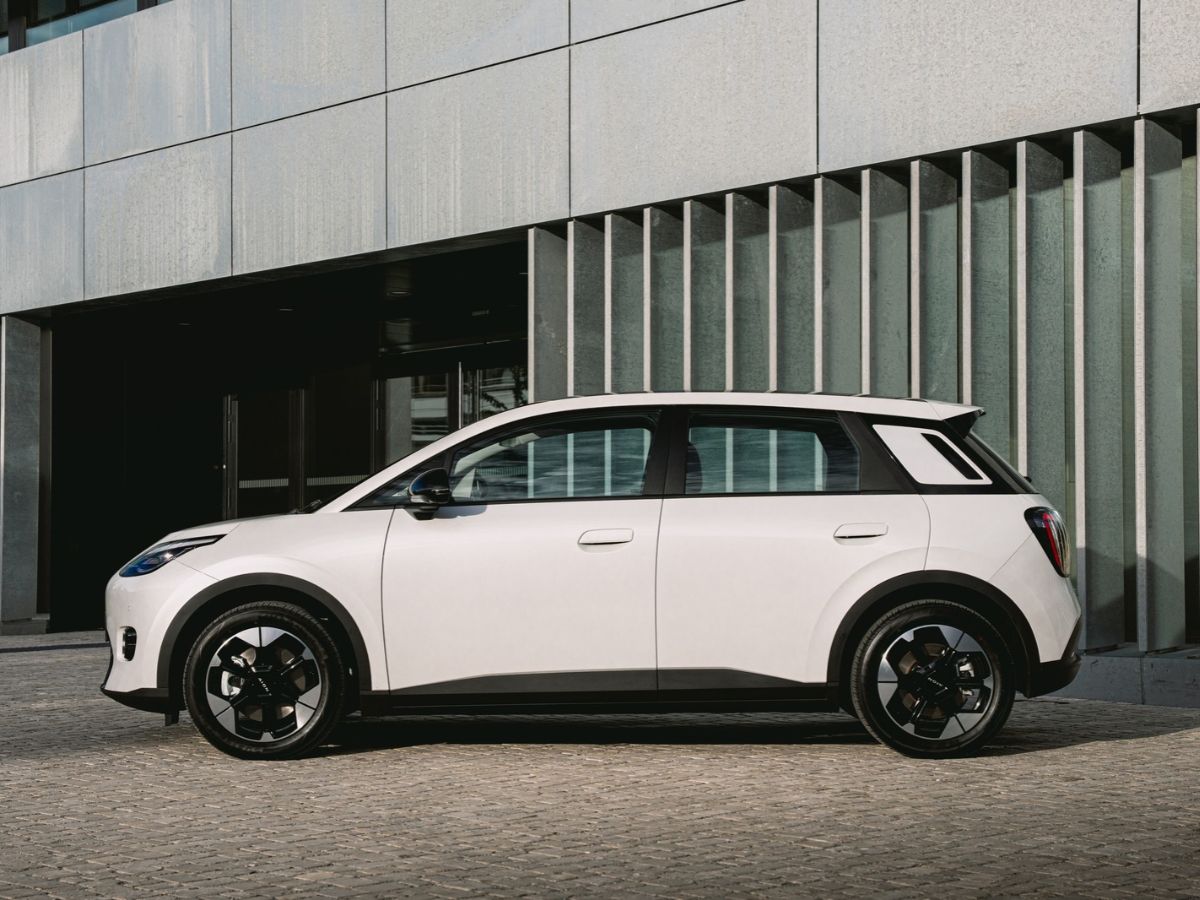
The company added that the Aion UT’s appeal extends beyond its electric drivetrain. The hatchback has a 440-liter cargo compartment, which can accommodate luggage, groceries and professional equipment.
The Aion UT’s compact proportions and tight turning radius are intended to make navigating crowded urban streets easier. GAC also highlights the battery’s IP67/IP68-rated waterproof protection, alongside connected features through its mobile app, including remote cabin pre-cooling, charging monitoring and vehicle diagnostics.
GAC lists a driving range of up to 400 km and claims running-cost savings of as much as 75% compared with gasoline-powered vehicles. While these claimed figures are notable, actual savings and range will depend on driving conditions, charging arrangements and usage.
Safety is another selling point. GAC says the Aion UT received five-star ratings from Euro NCAP in September 2026 and ANCAP on October 12, 2026. The small EV also features a high-strength steel structure and seven airbags.
Making the numbers work
The Aion UT is available at an introductory price of P998,000, down from its regular P1.068 million retail price. GAC says the promo is on until December 31, 2026.
The model comes with an eight-year or 160,000-km vehicle warranty, plus an eight-year or 200,000-km warranty for the traction battery and electric drive system.
For the Galangs, the second purchase shows how one EV can evolve from a business expense into a shared family solution. Their experience does not guarantee the same results for every owner, but it offers a useful perspective on how work requirements, household routines and charging arrangements can shape the case for going electric.
Autocar’s Take
The GAC Aion UT story is interesting because it goes beyond the usual discussion of electric vehicle range, charging and technology. For the Galang family, the decision came down to how a car fits into their actual routine.
One vehicle handles business equipment, while the other takes care of family duties. That is a practical argument for EV ownership, particularly for households that can charge at home and have predictable daily travel.
Of course, their experience will not automatically translate into the same savings for everyone. Still, the Aion UT’s story shows why the value of an electric car should be measured not just by its purchase price, but by how well it serves its owner’s needs.