

Tara Ride, a homegrown ride-hailing platform developed by Tara Global Technology Inc., has officially entered the Philippine market, offering commuters another transportation option while seeking to create more opportunities for drivers and transport operators.
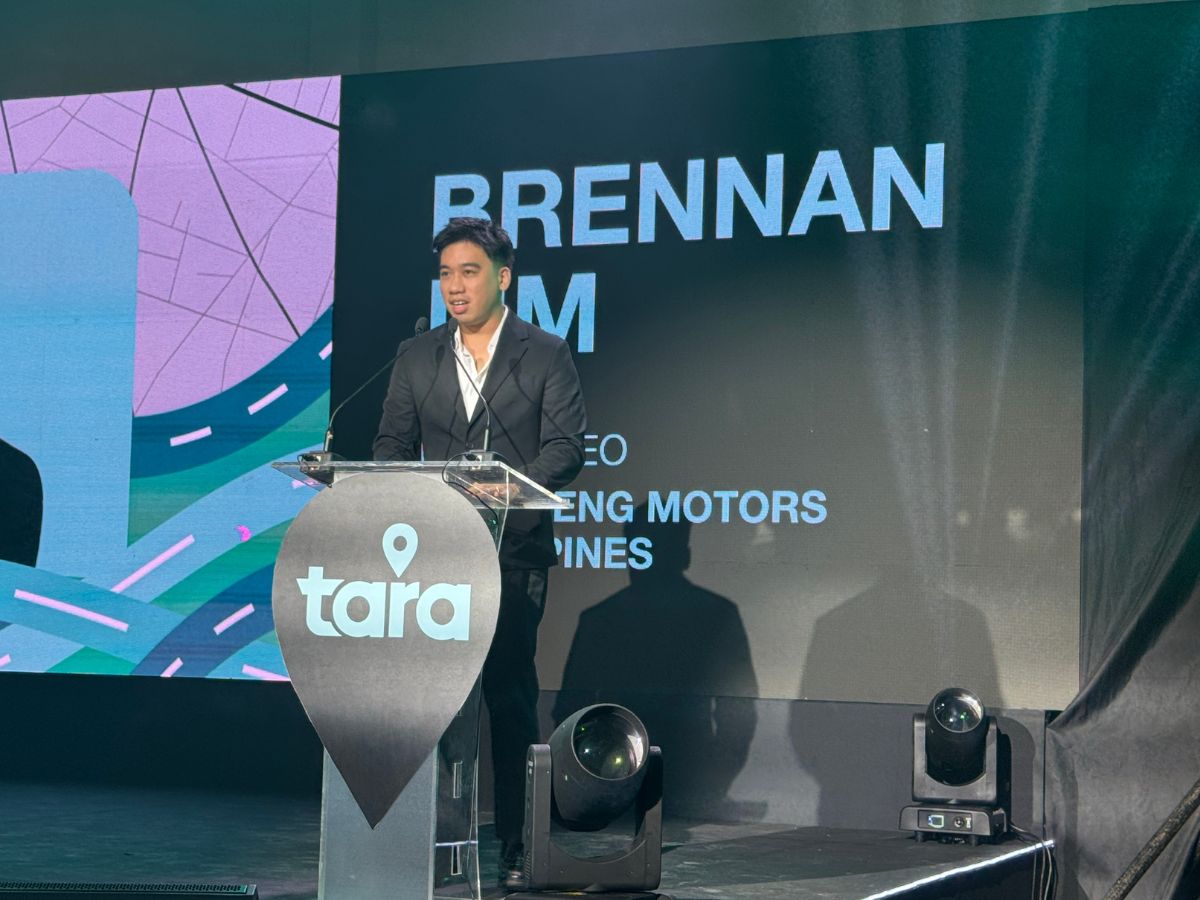
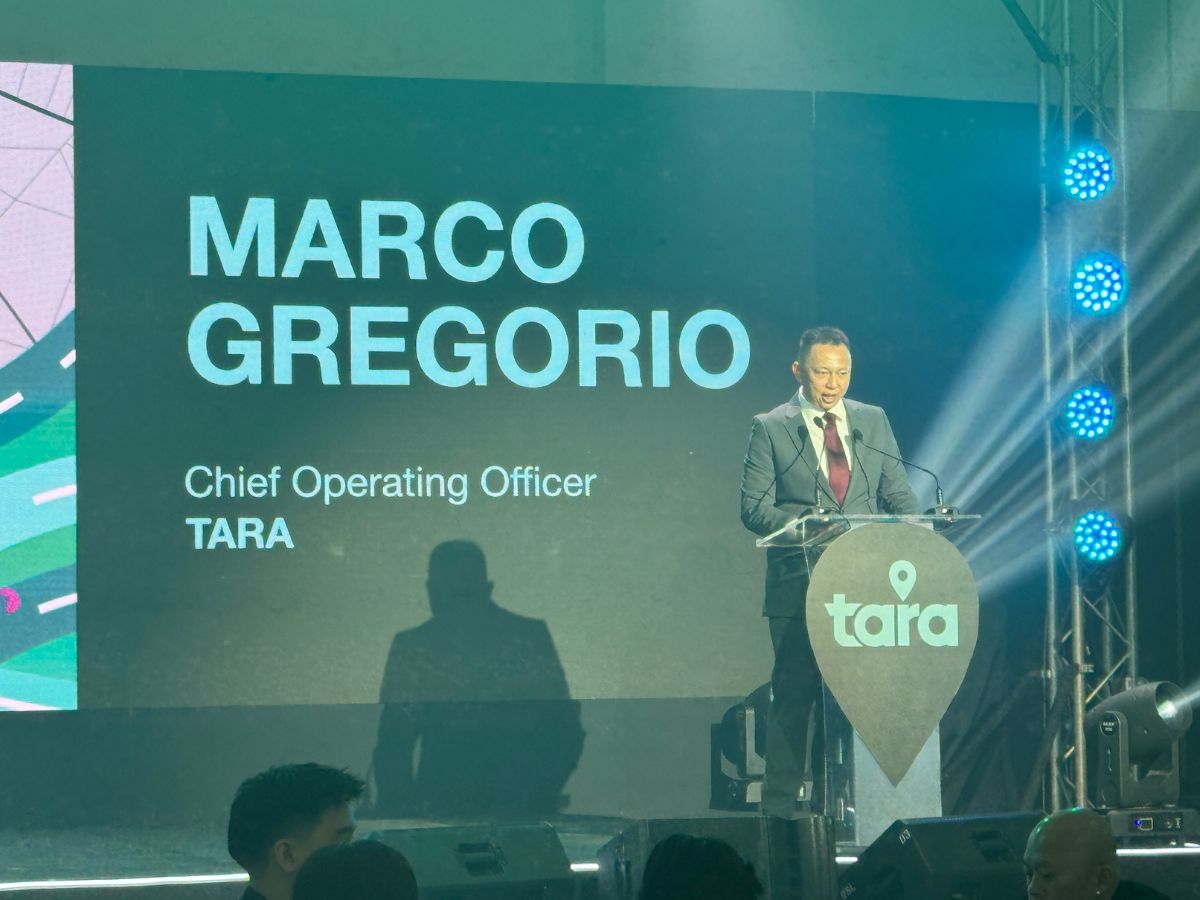
The company unveiled the platform on October 13, 2026, at Whitespace Manila in Makati City. According to its launch materials, Taraaims to build a mobility network centered on regulatory compliance, driver participation, and partnerships across the transportation and automotive industries.
Marc Hussein Bundalian, chairman of Tara Global Technology Inc., said the platform was developed with Filipino commuters in mind, with the goal of providing more travel options while creating opportunities for drivers and developing technology suited to local mobility needs.
Tara Ride is available through Google Play and the Apple App Store. Its features include ride booking, real-time trip tracking, multiple-stop management, digital payment options, and safety-related functions.
The platform is initially focusing on Metro Manila, with Cebu, Pampanga, and Davao identified in its launch announcement as prospective expansion areas. However, the company said its broader expansion will depend on operational readiness, collaboration with regional partners, local market requirements, and applicable regulatory processes.
Tara is also seeking to strengthen its relationships with transportation network vehicle service (TNVS) drivers and operators, whom it considers essential to the platform’s growth. The company said its approach is intended to encourage participation and create opportunities for drivers and operators as its network develops.
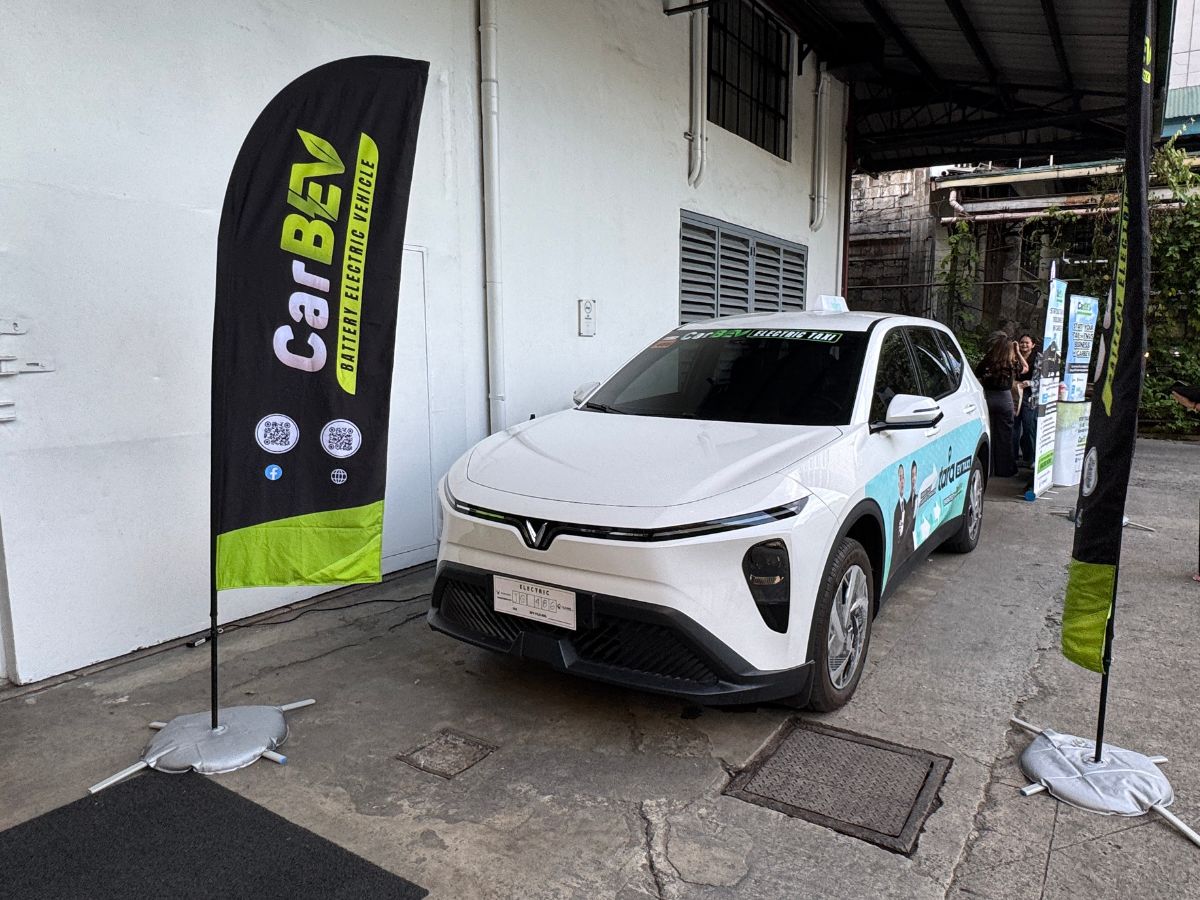
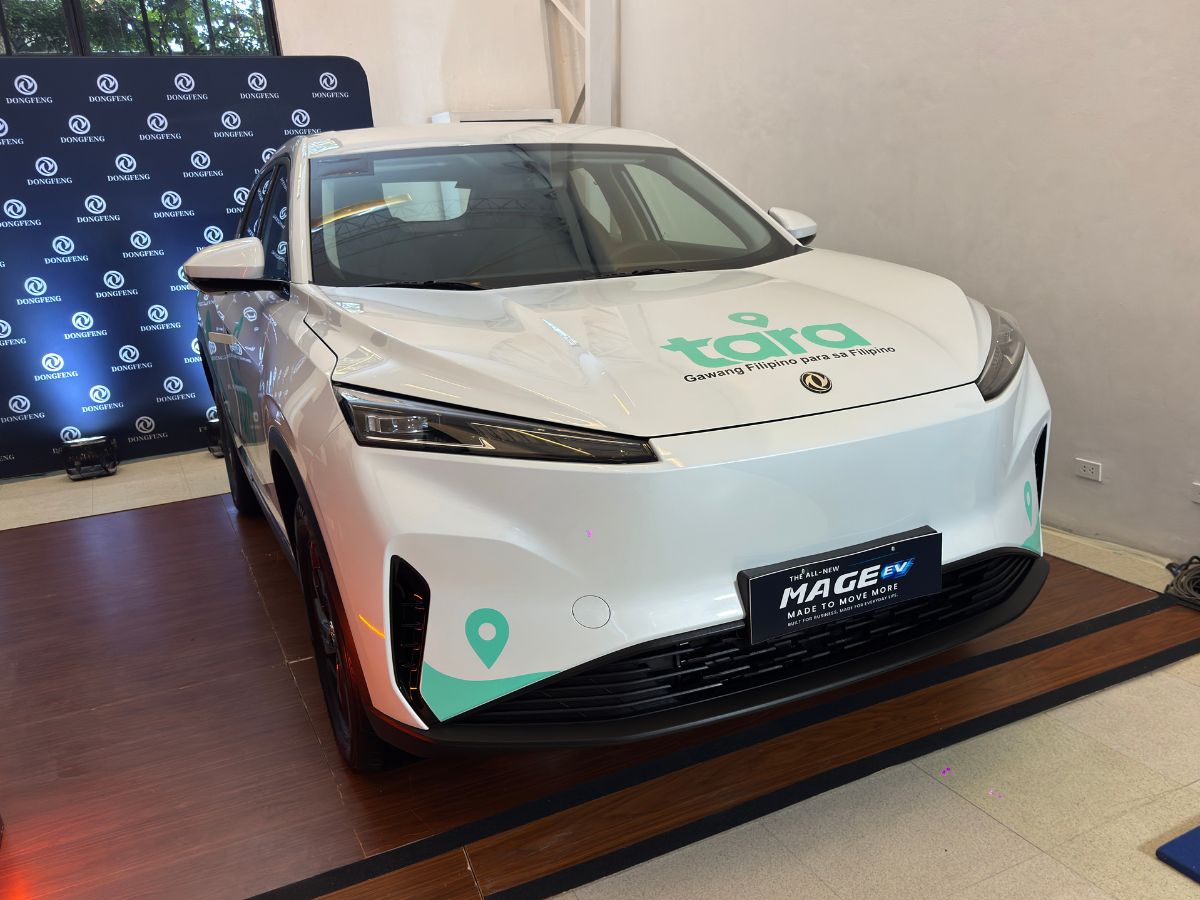
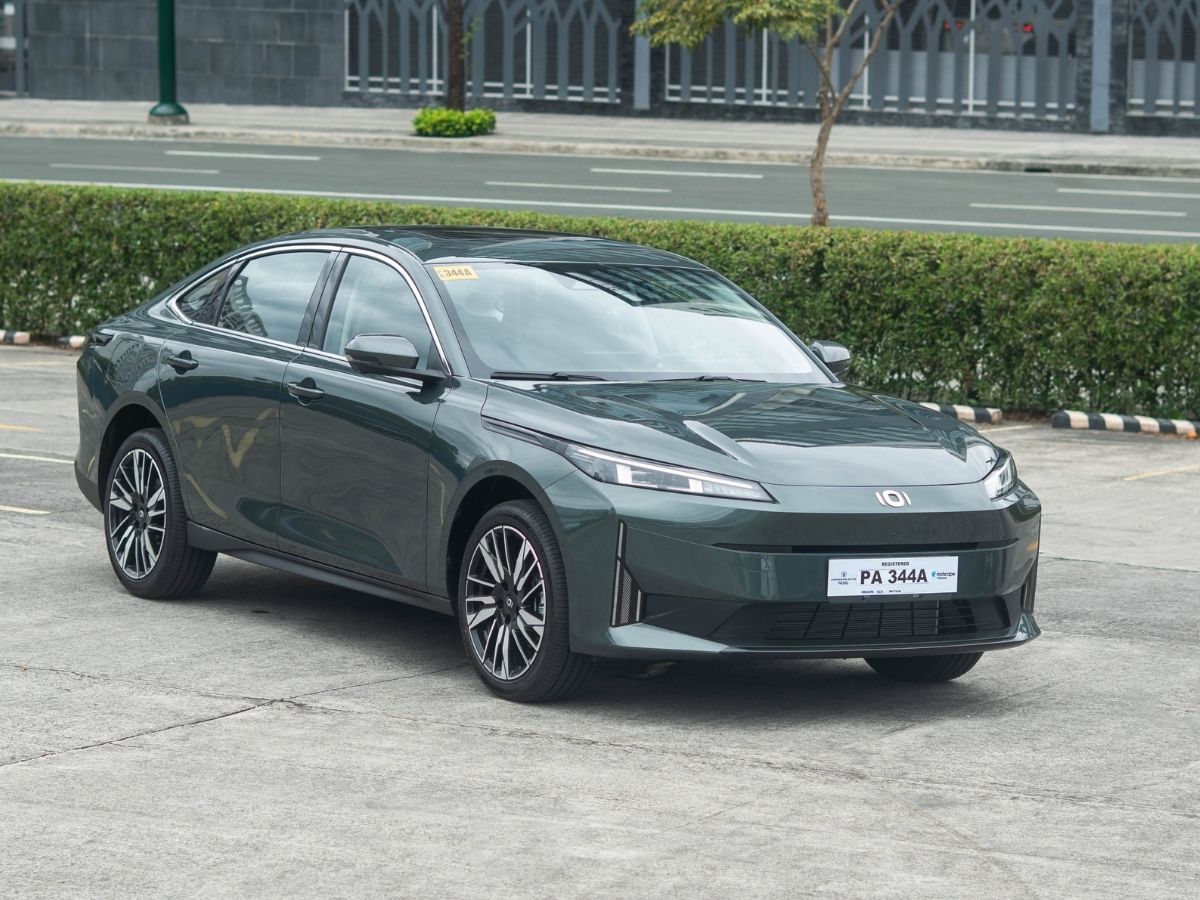
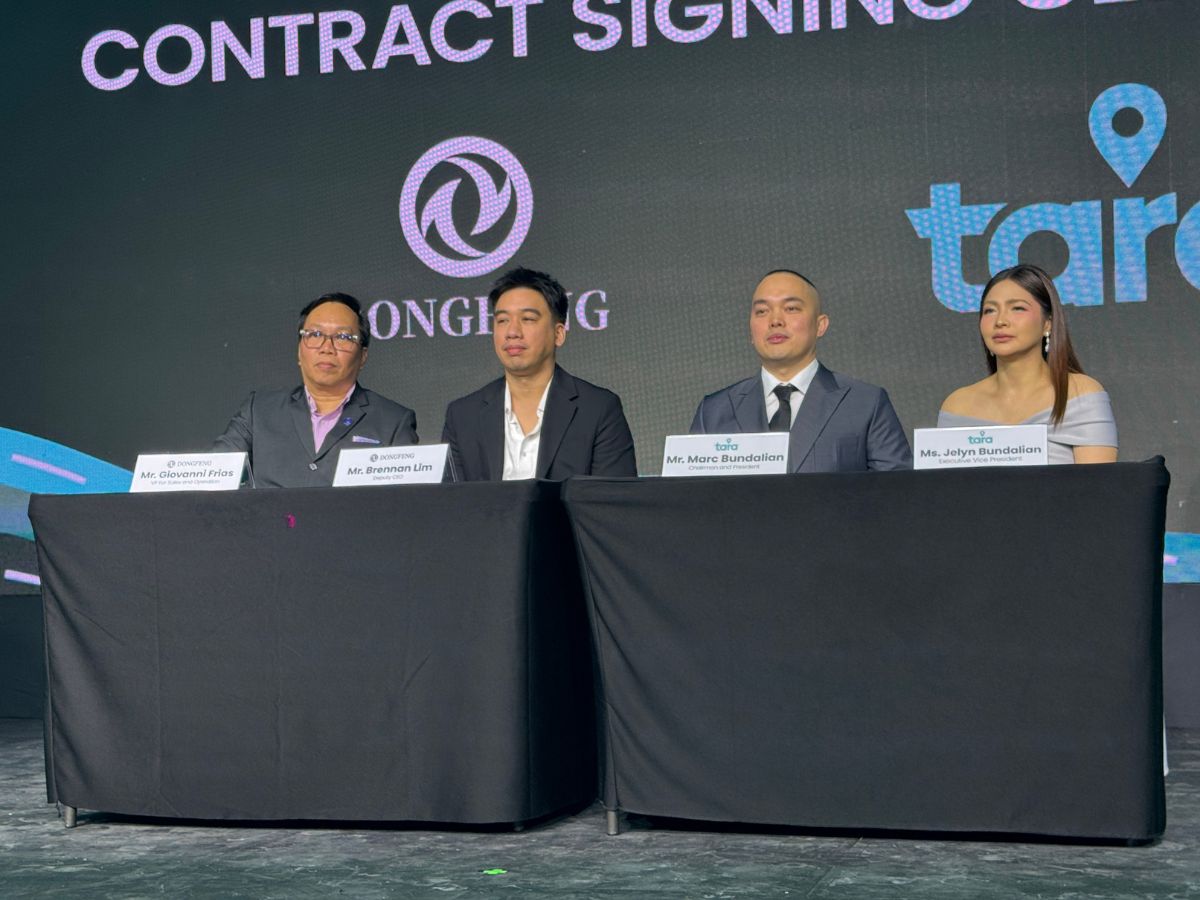
Another component of the launch is a partnership with Legado Motors Inc., which represents Dongfeng in the Philippines. The collaboration will explore vehicle solutions for driver-partners and fleet operators, including potential opportunities in vehicle accessibility, fleet development, and operational efficiency.
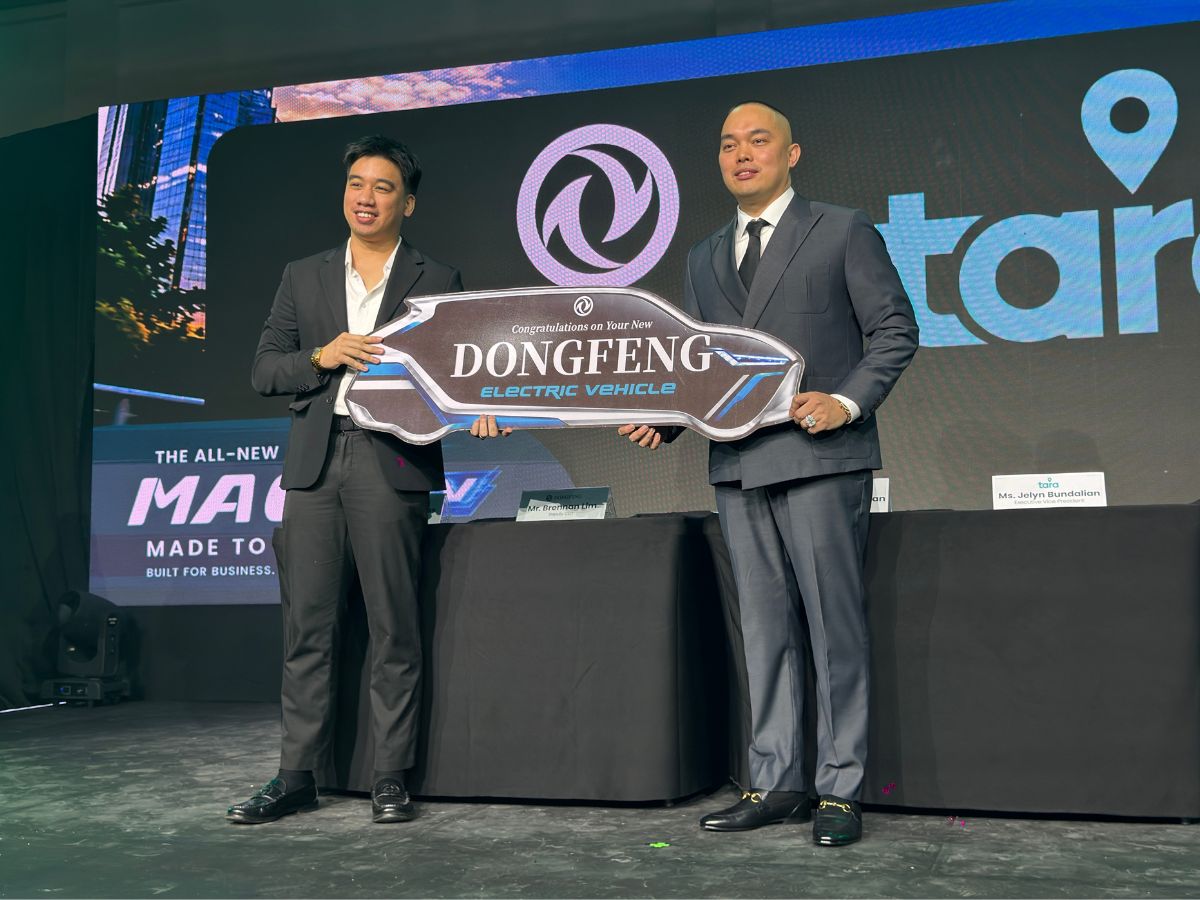
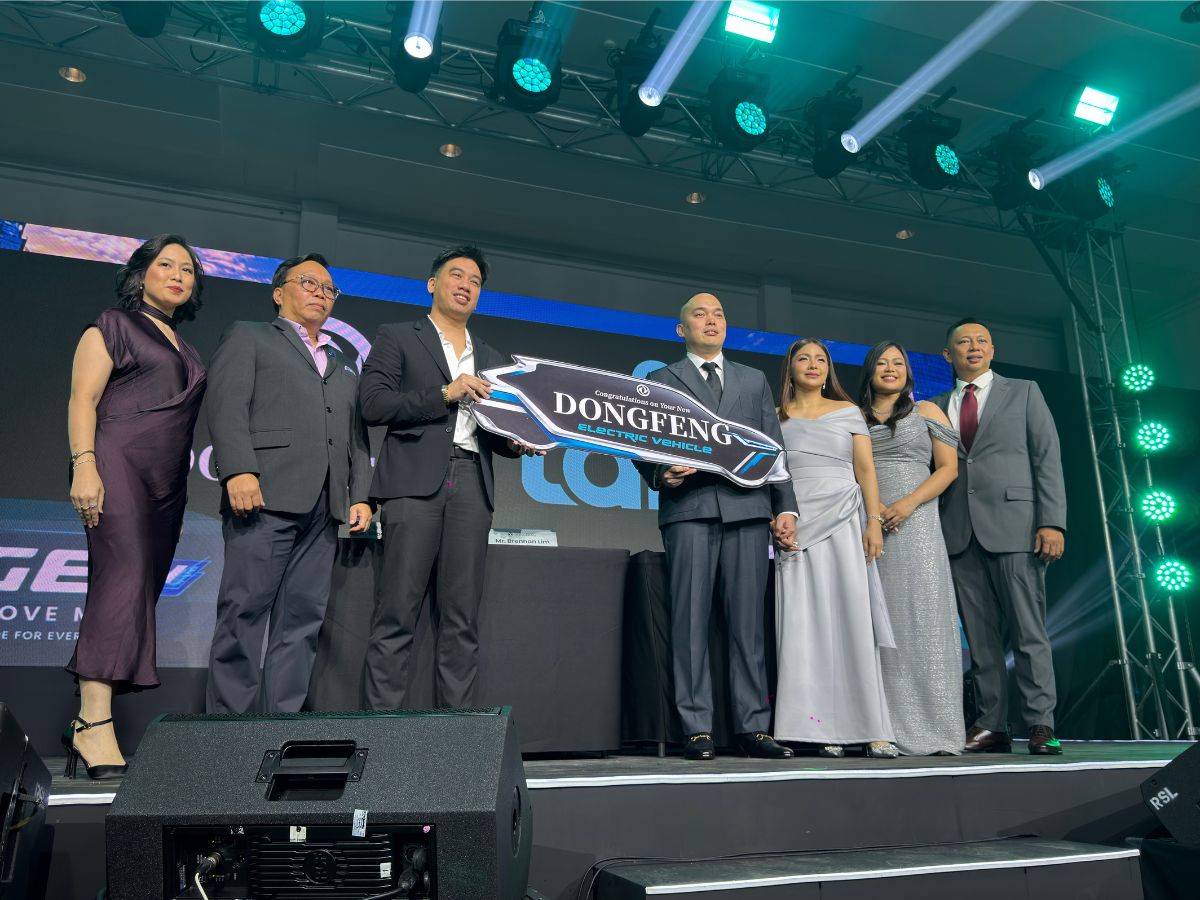
A ceremonial handover of an image of the Dongfeng Mage marked the partnership. Specific vehicle packages, financing arrangements, discounts, and fleet programs have yet to be confirmed.
On driver earnings, Tara’s launch announcement states that drivers retain 90% of the total trip fare under its business model. However, the company notes that actual earnings depend on completed trips, demand, operating expenses, applicable fees, and platform terms.
For passengers, Tara says it follows the official Land Transportation Franchising and Regulatory Board (LTFRB) standard fare matrix. It also claims its pricing approach could save passengers up to P300 on long-distance or rush-hour bookings, although the stated savings have not been independently verified.
Tara describes itself as an LTFRB-accredited platform, with active drivers operating under a valid Provisional Authority or Certificate of Public Convenience.
As it enters a competitive ride-hailing market, the company must demonstrate that its promises translate into reliable service, sustainable driver opportunities, and a consistent passenger experience.
Autocar’s Take
Tara Ride’s entry into the Philippine ride-hailing market brings another contender into a sector where passenger trust, driver earnings, and service reliability matter enormously. Its promise of letting drivers retain 90% of fares could attract transport partners, while its planned regional expansion presents opportunities for growth. However, the real test will be how consistently the platform delivers on these commitments.
Commuters will want dependable bookings, transparent pricing, and meaningful safety measures, while drivers will need to understand their actual take-home earnings after expenses. Tara has introduced its ambitions; now, execution will determine whether it earns a lasting place.