
Suzuki is preparing to broaden its hybrid strategy, and the move could be interesting than simply adding a larger battery to its models.
Under its Technology Strategy 2026 for the next 10 years, Suzuki has outlined a multi-pathway approach that includes series-hybrid systems, a new hybrid setup, direct-injection turbo engines and other technologies aimed at reducing energy consumption. The strategy is deliberately flexible, with Suzuki saying different technologies will be matched to markets.
Suzuki’s series hybrid is the headline development. Unlike a conventional hybrid where the gasoline engine can mechanically help drive the wheels, a series-hybrid arrangement uses the engine primarily to generate electricity. The electric motor then provides propulsion.
But Suzuki is taking the idea a step further with what it calls “REEV Light.” Essentially, this adds external charging to the series-hybrid concept. The vehicle can draw electricity from a charger for electric driving, while the gasoline engine serves as an onboard generator when additional energy is needed.
It is an interesting middle ground. The battery does not have to provide the long range expected from a battery-electric vehicle, while owners who can charge at home could potentially use electric power for shorter trips. Longer journeys would retain the convenience of a gasoline-powered generator.

Suzuki is also developing a more conventional series-parallel plug-in hybrid. This system is separate from REEV Light and allows the gasoline engine and electric drive system to contribute to propulsion through different operating conditions. Reports from Suzuki’s technology briefing indicate a 1.2-liter direct-injection turbo engine and total system output in the 130-kW class, or roughly 174 hp.
In the local setting, however, the key qualification is that this is a global Suzuki technology roadmap, not a Philippine product announcement. Suzuki has not confirmed production dates, battery capacities, electric-only ranges, or the specific models that will receive these systems. Suzuki Philippines has not announced that any of these new HEV, REEV or PHEV technologies are coming to the local market, nor has it identified a launch timetable.
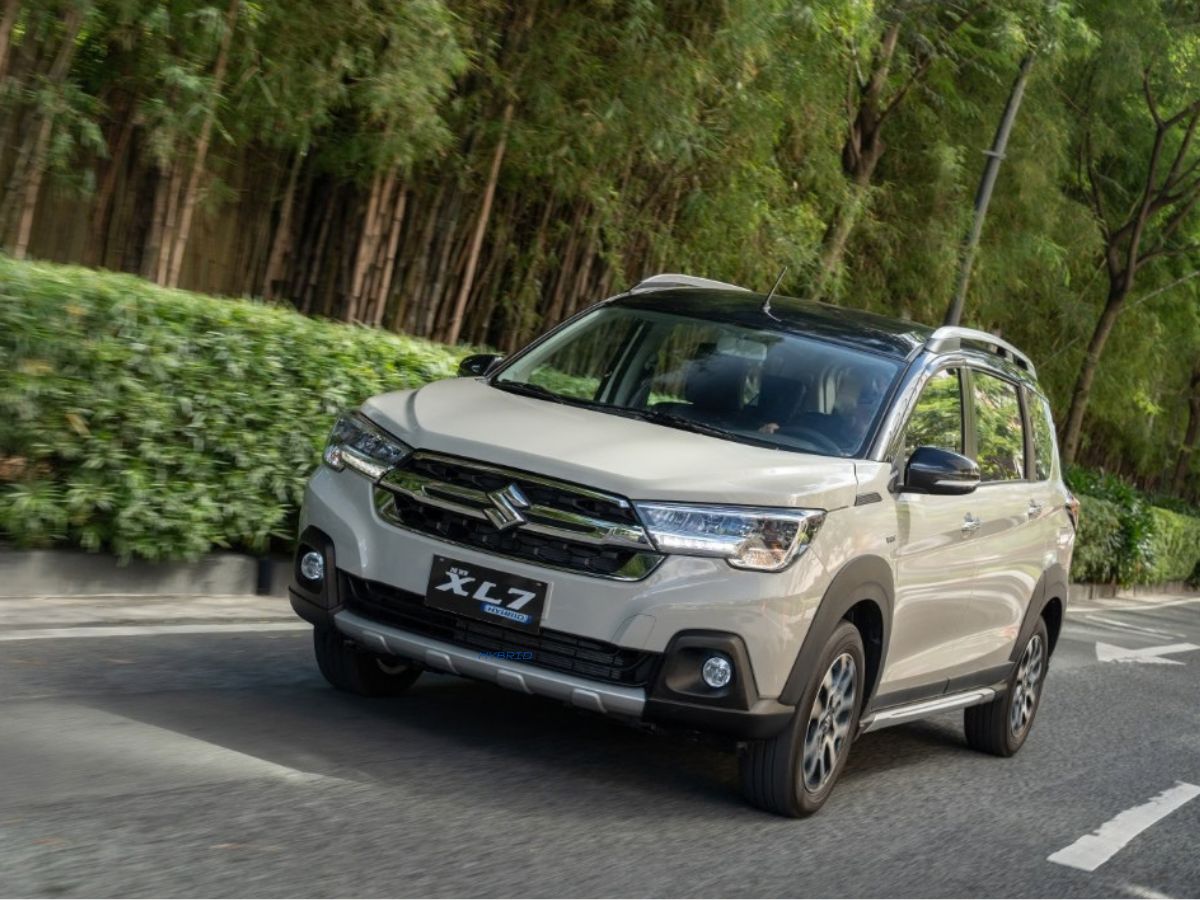
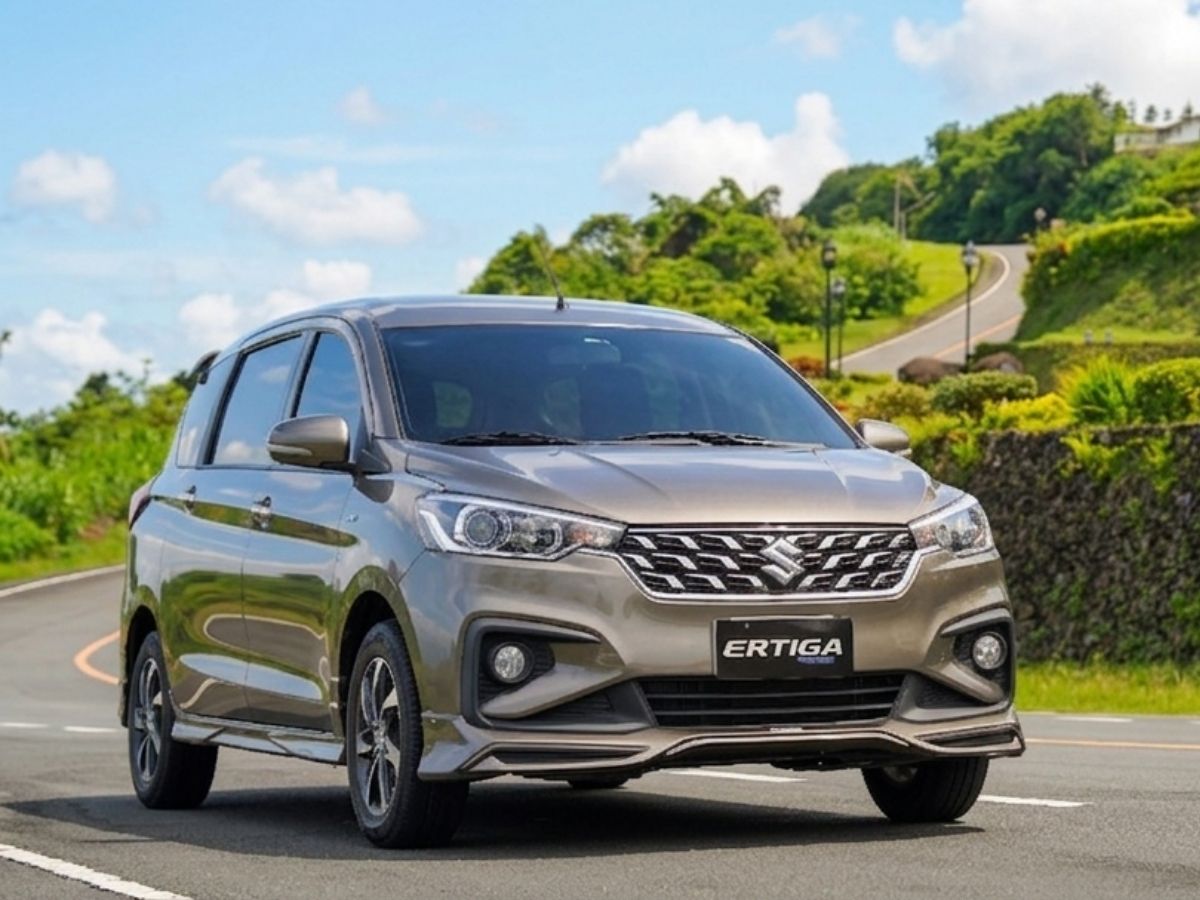
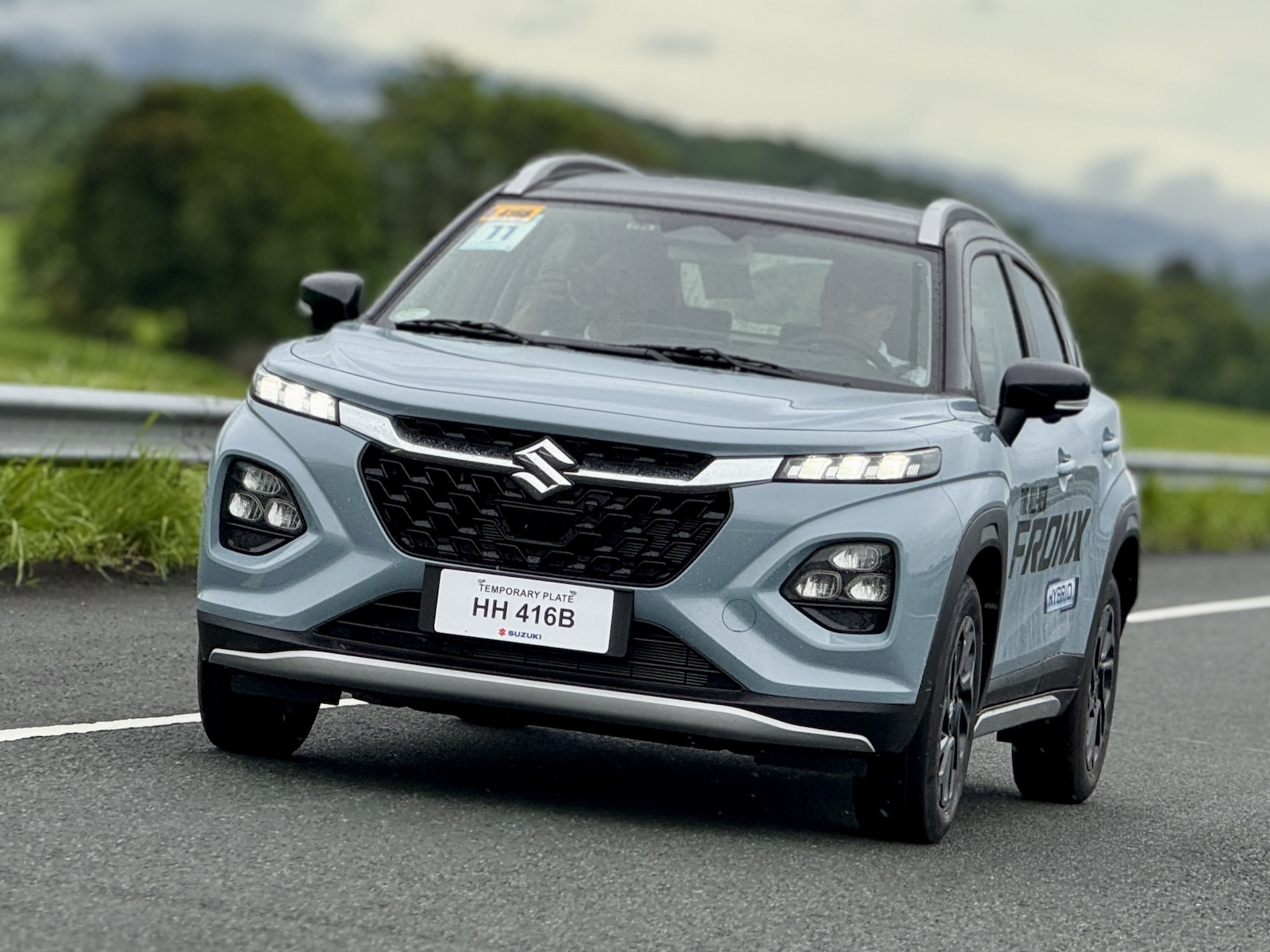
Suzuki Philippines currently sells hybrid models including the Ertiga, XL7, Dzire and Fronx, while the e VITARA represents its move into electric vehicles. But today’s local lineup should not be taken as evidence that these new powertrains are imminent.
That distinction matters. The global roadmap establishes what Suzuki is developing; it does not establish what Suzuki Philippines will sell. Any Philippine-market application remains unconfirmed until Suzuki Philippines makes a formal announcement.
For Suzuki, the next decade will not be about choosing between gasoline, hybrid or electric power. Instead, the company is building several answers to the same question: how much electrification does each vehicle, market and customer actually need?
That “just-right” philosophy could make Suzuki’s upcoming powertrains worth watching closely.
Autocar’s Take
Suzuki’s approach to electrification is particularly interesting because it does not appear to be betting everything on battery-electric vehicles. By developing series hybrids, range-extender EVs and plug-in hybrids alongside new gasoline engines, Suzuki is keeping several options open for markets with very different infrastructure and customer needs.
For the Philippines, however, the most important takeaway is that these technologies remain part of Suzuki’s global roadmap for now. There is no confirmed local application yet. Still, with Suzuki Philippines already offering several electrified models, the company’s next generation of hybrid technology could eventually give its local lineup more choices.