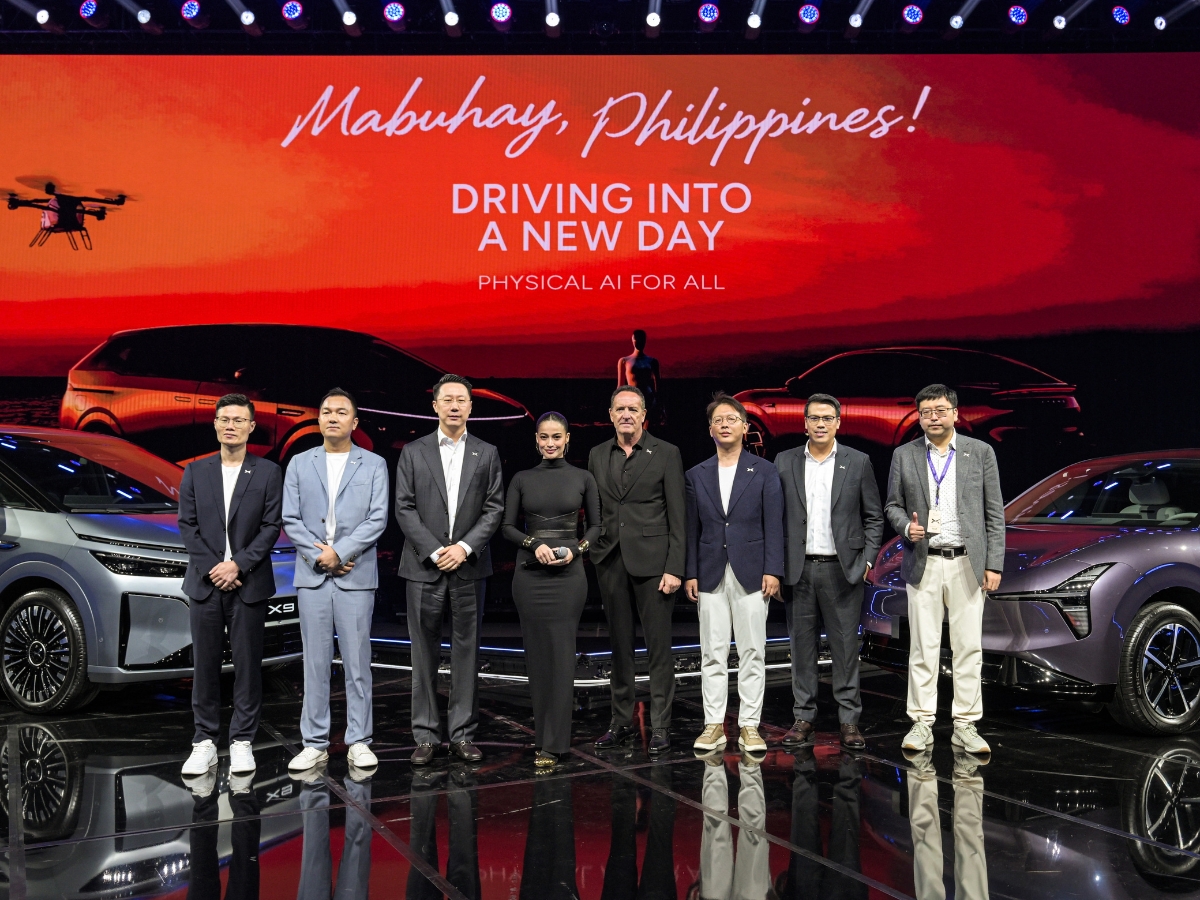
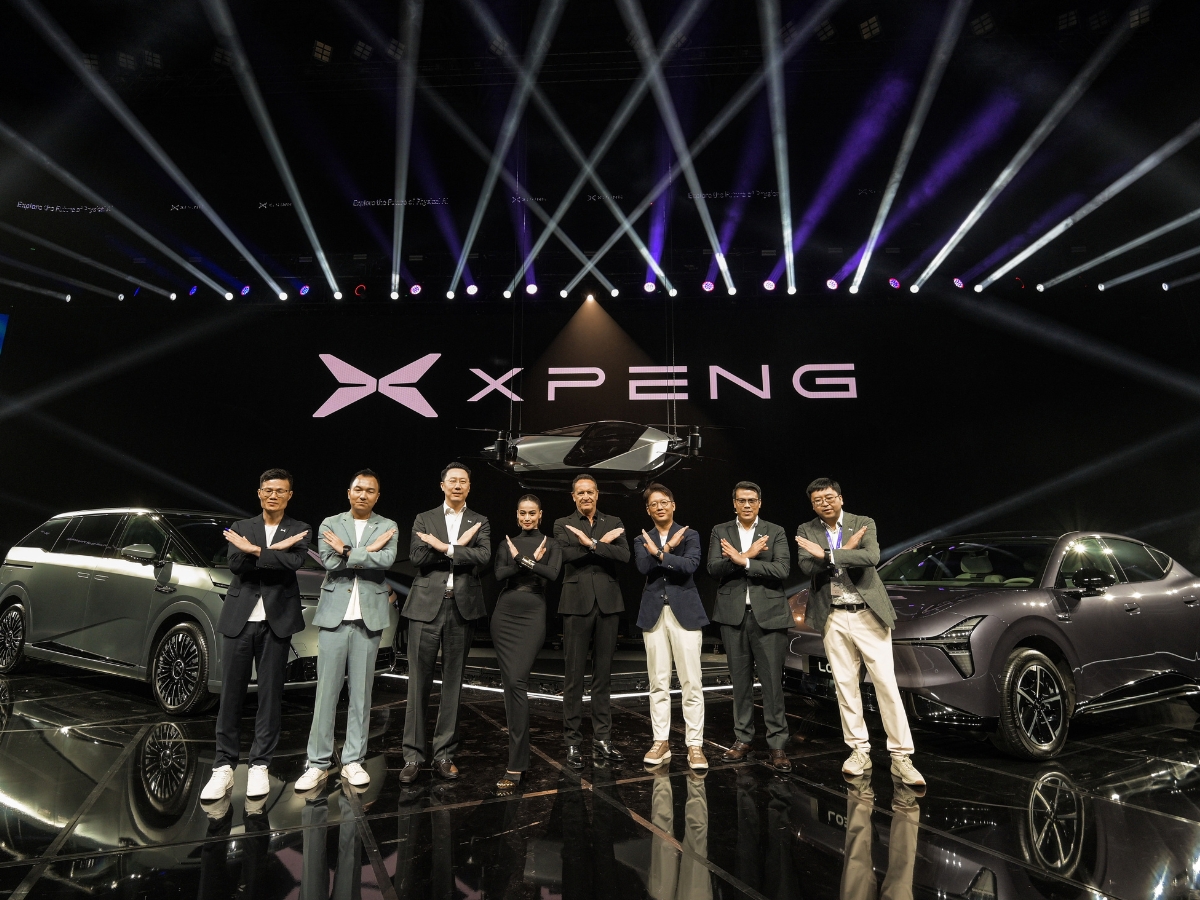
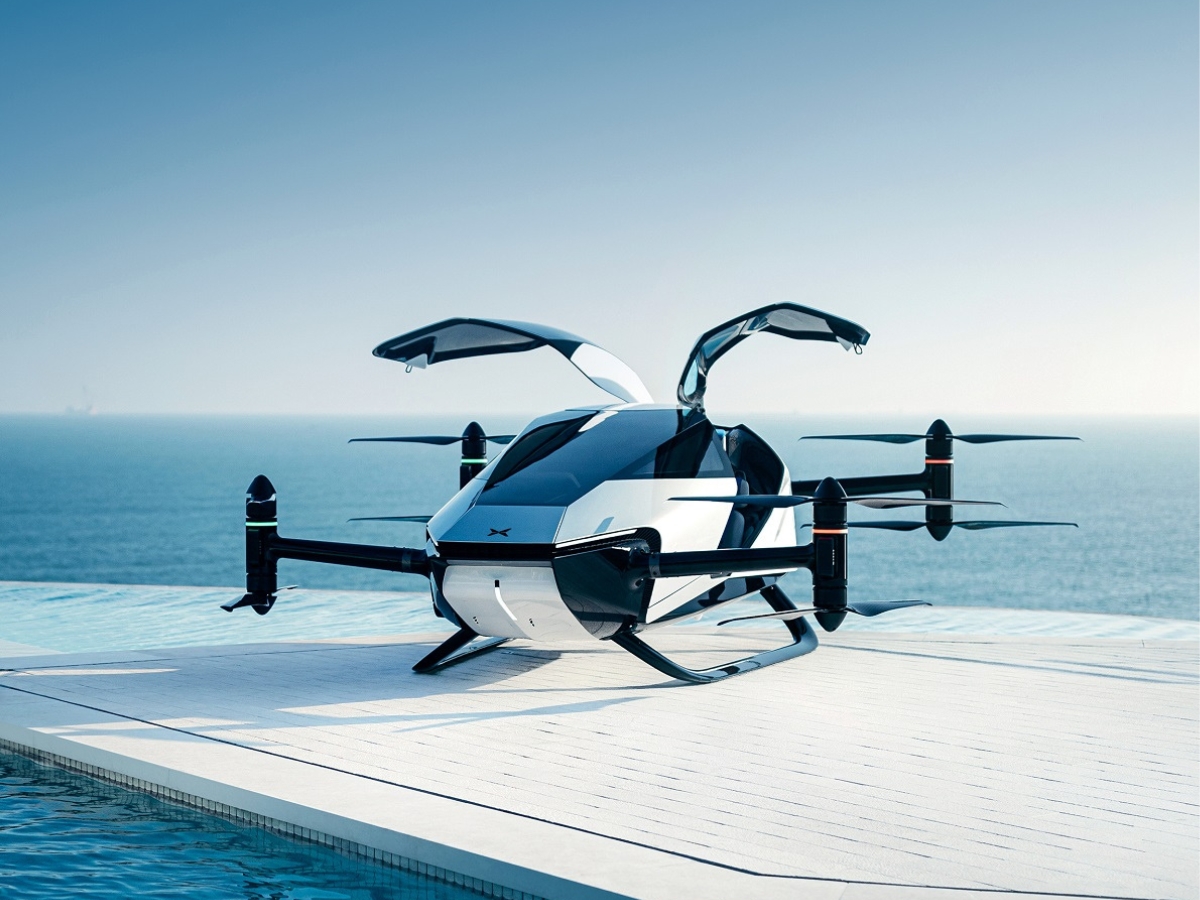
Forget the flying car. Forget the humanoid robot. If XPeng really wants to make a dent in the Philippine automotive market, it should spend less time trying to impress us with what a car might become and more time worrying about the company that has already convinced Filipinos to buy one.
That company is BYD. The easy interpretation of XPeng’s arrival is that it is the Chinese answer to Tesla. Both are technology-driven EV companies. Both sell directly. Both talk about artificial intelligence as much as they talk about horsepower.
But that comparison misses the more immediate battle. Tesla is not the company standing in XPeng’s way in the Philippines. BYD is. And XPeng has arrived at an interesting time because BYD has done much of the hard work for it.
Consider the speed of BYD’s rise. In 2024, BYD sold 4,780 vehicles in the Philippines. That was already a remarkable jump from just 537 units in 2023. Of those 2024 sales, 2,078 were battery-electric vehicles, while the Sealion 6 DM-i alone contributed 2,669 units.
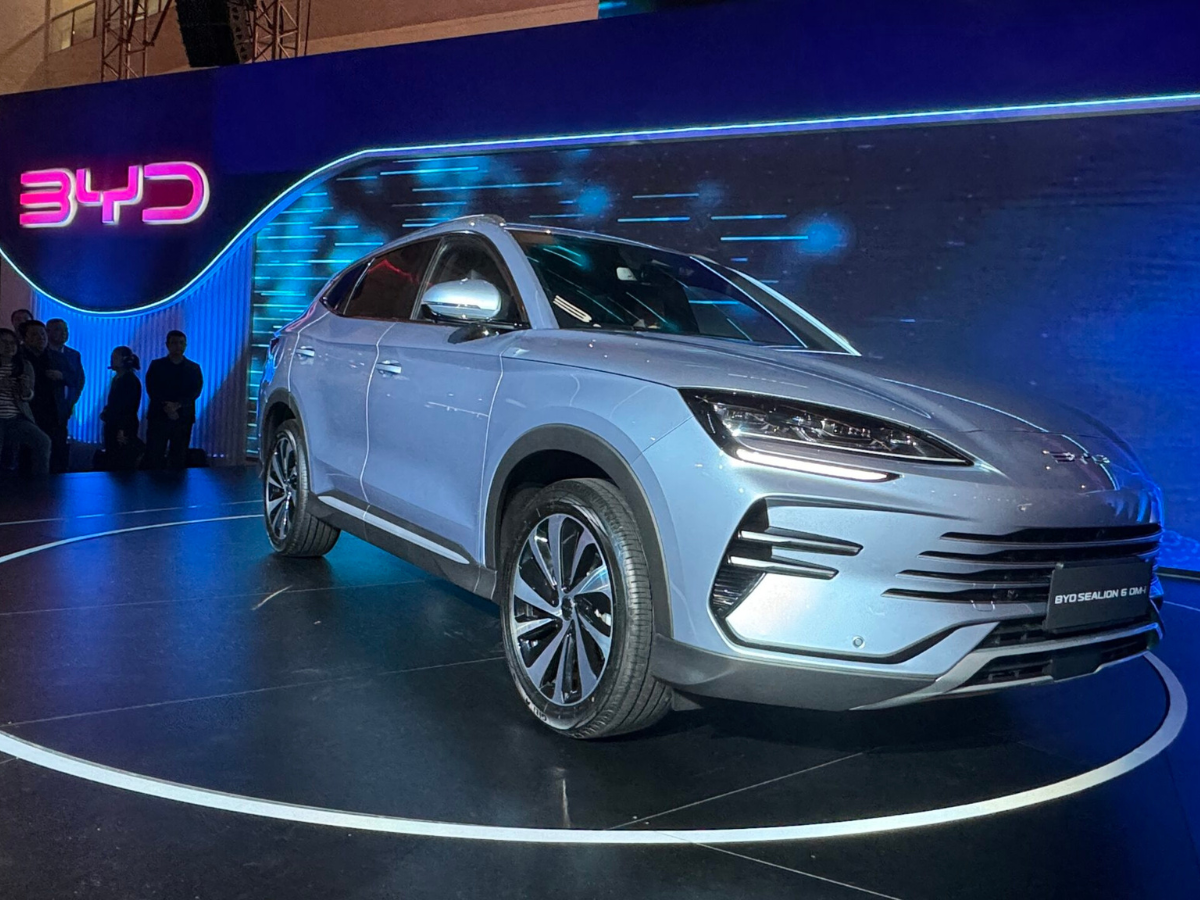
Then came 2025. BYD sold 26,122 vehicles — a 446-percent increase in a single year — moving from 11th place in the Philippine automotive market in 2024 to third overall in 2025. Its BEV sales reached 4,608 units.
And it didn’t stop there. From January to August 2026, BYD sold another 28,399 units, already surpassing its entire 2025 sales volume with four months still left in the year. That represented a 99-percent increase over the same period in 2025.
That is no longer an emerging brand. That is a mainstream automotive player. And that is precisely why XPeng’s arrival matters.
XPeng isn’t entering an empty market. It is walking into one that BYD has spent the past two years building. It is now trying to persuade BYD customers that there is another Chinese EV brand worth considering.
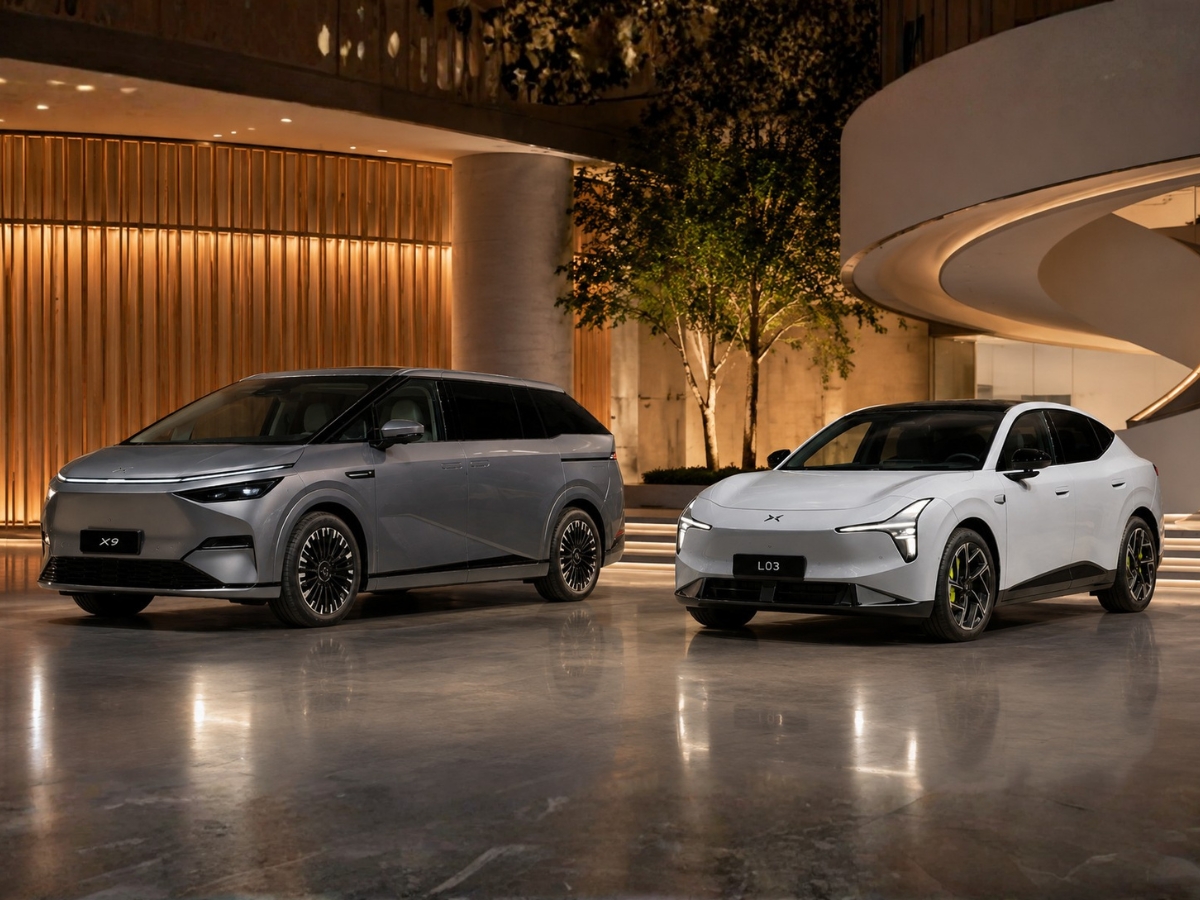
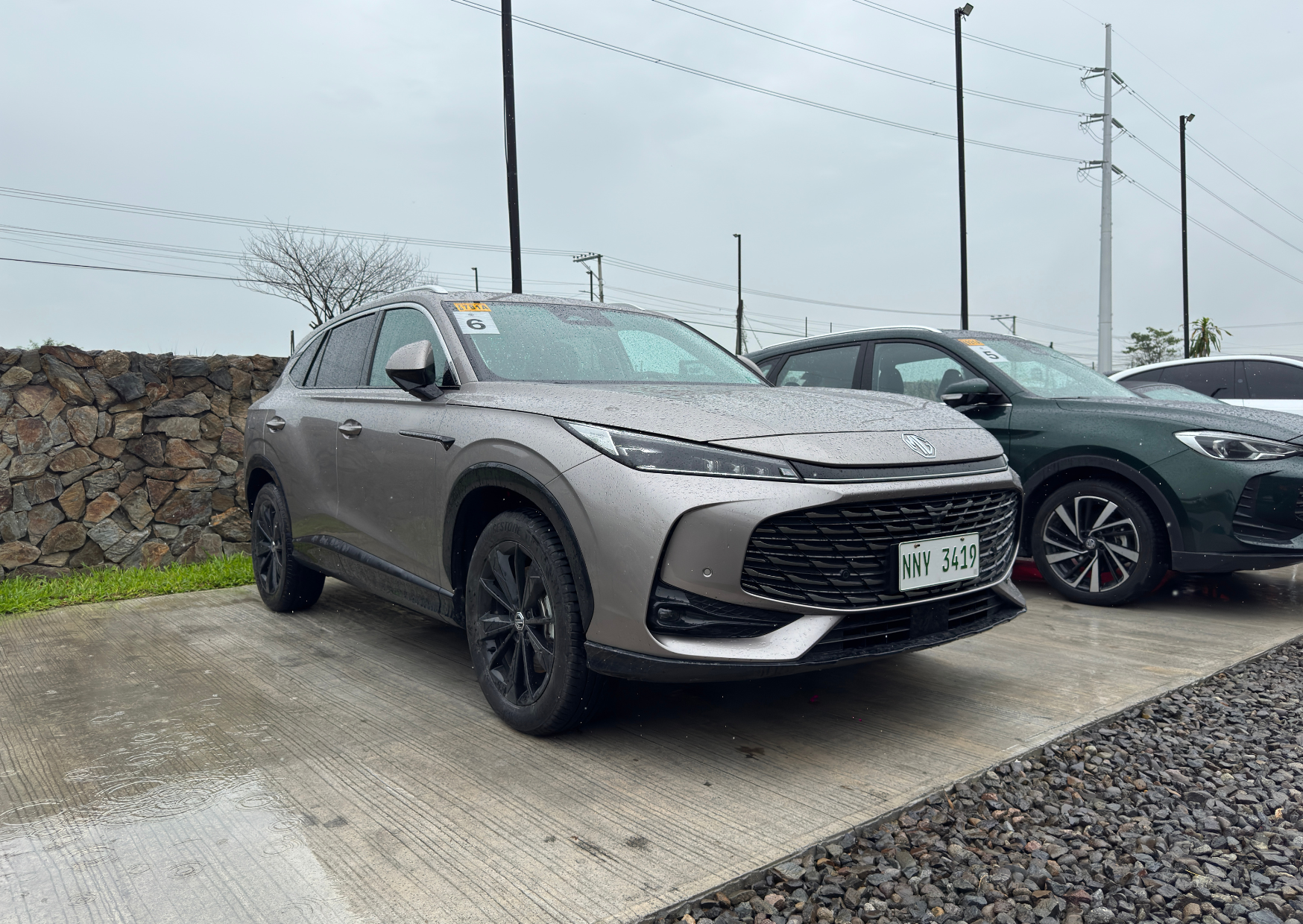
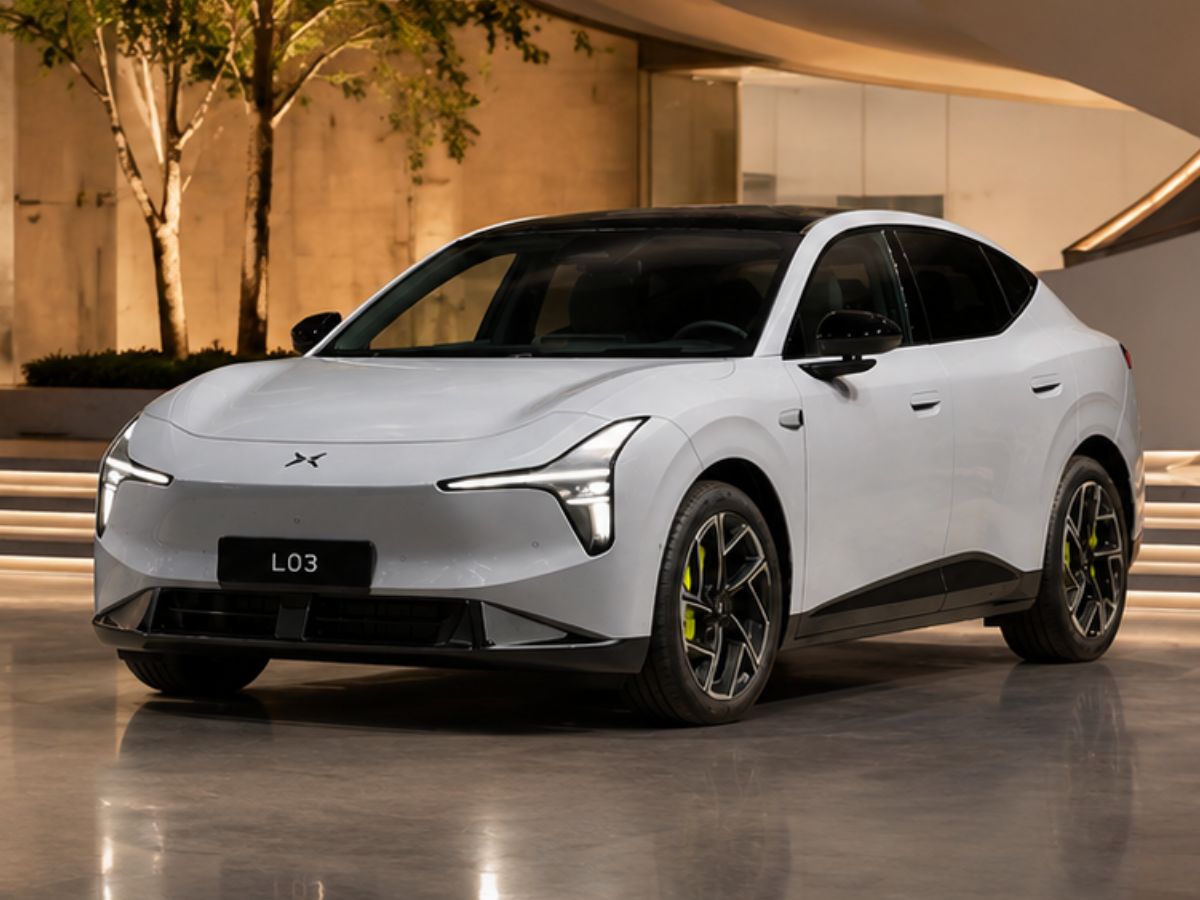
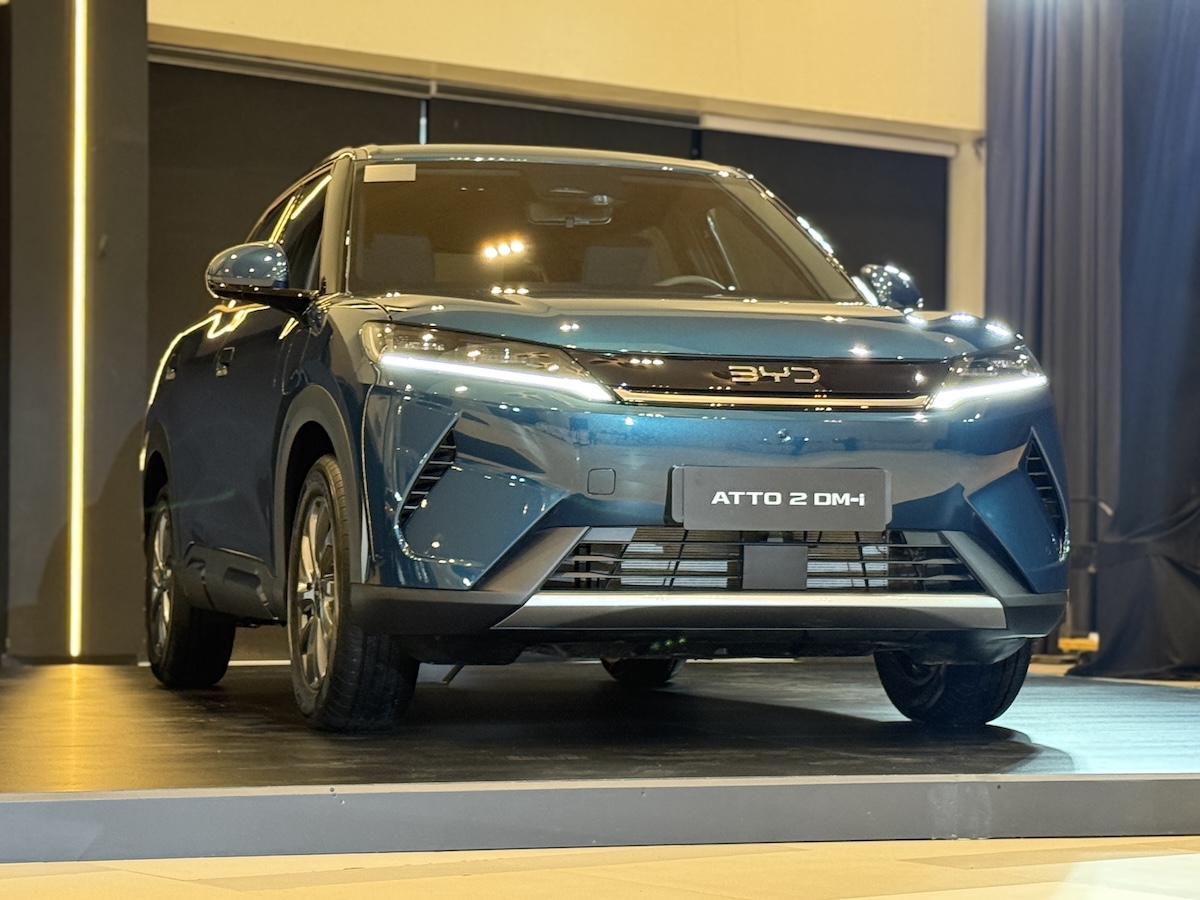
Look at where XPeng has positioned its products. The L03 starts at P1.548 million. The BYD Atto 3 is P1.638 million. The range-extender L03 is P1.598 million — exactly the price of the Sealion 6 DM-i, one of BYD’s most important models.
The X9 starts at P3.858 million, below the P4.298-million Denza D9. XPeng isn’t throwing products randomly into the Philippine market. It has positioned them directly in territory where BYD has already established customers. That is what makes the fight interesting.
BYD’s sales numbers also require a closer look. The 26,122 vehicles it sold in 2025 were all classified as new-energy vehicles, but only 4,608 were pure battery EVs. The company’s plug-in-hybrid DM-i range was clearly a major part of the growth story. And that trend has continued into 2026: from January through August, BYD sold 22,555 DM-i vehicles compared with 5,844 BEVs. The Sealion 6 DM-i alone accounted for 7,759 units.
That tells us something important about the Filipino buyer. He wants electrification. But he still wants an escape route. The plug-in hybrid is the perfect compromise for someone who likes the idea of driving electrically but isn’t quite prepared to trust an EV completely.
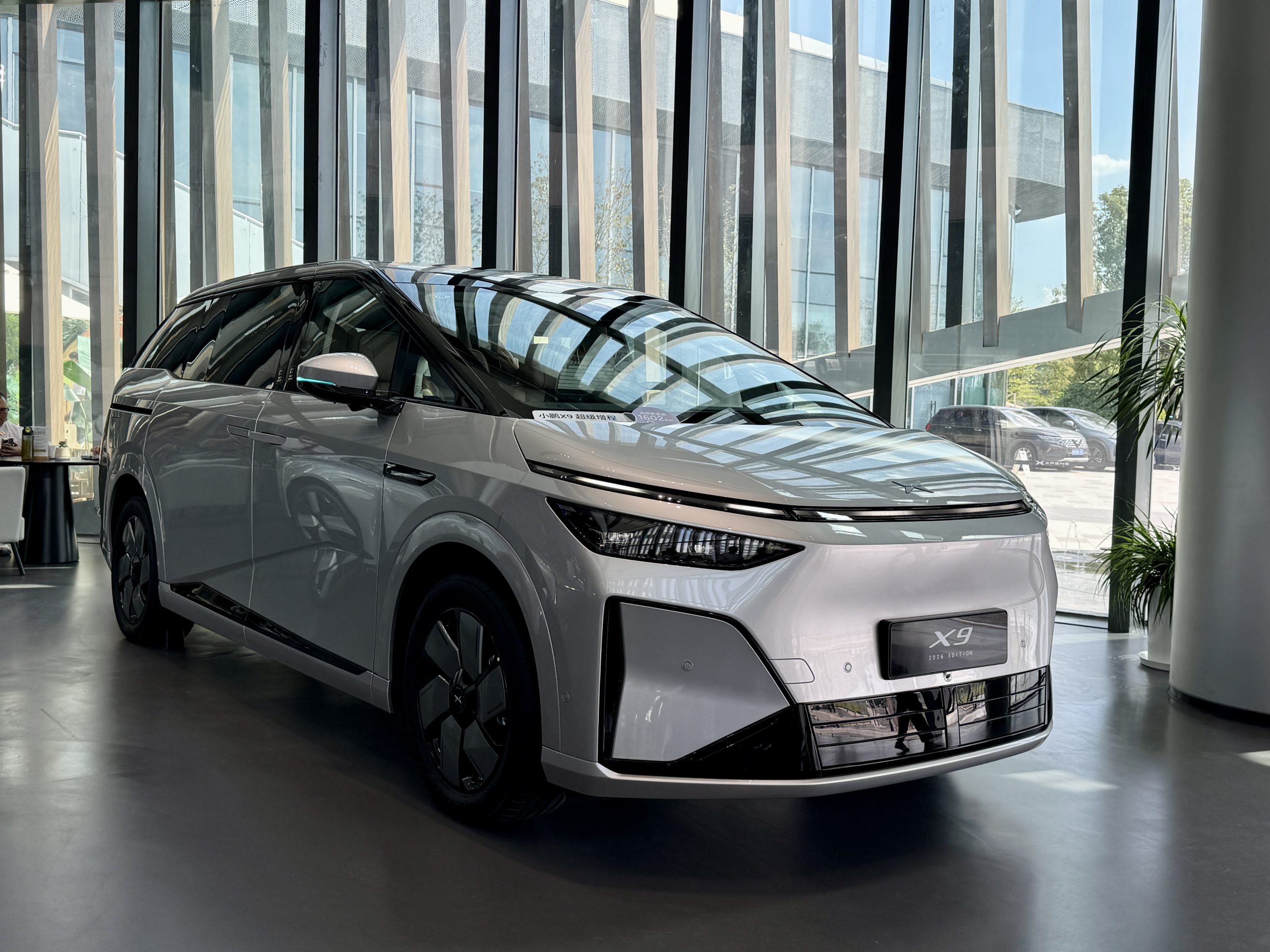
I have argued before that this can become an illusion. A plug-in hybrid carries two propulsion systems, two sets of hardware and the weight of both. It is an effective transitional technology, but it is still a transition.
And XPeng’s L03 puts that contradiction rather neatly on the showroom floor. The range-extender version costs P50,000 more than the pure-electric L03. In other words, the customer is paying extra for the petrol-engine safety blanket.
At some point, buyers will ask whether they really need it. That is where XPeng could start taking customers away from BYD. But BYD’s biggest vulnerability may not be its powertrain strategy. It may be what happens after the sale.
The numbers here are just as dramatic. BYD went from 25 dealerships at the end of 2024 to 79 at the end of 2025. By August 2026, its network had reached 81. That expansion was necessary because sales exploded. But selling 26,122 cars in one year is one thing. Supporting 26,122 cars is another.

I own an Atto 3, and my own service experience has not been catastrophic. But it has been enough to make me understand why after-sales support becomes increasingly important once a brand moves from being interesting to being mainstream.
A Chinese brand can win customers very quickly.
Keeping them is a different challenge.
This is where XPeng has an opportunity.
But it also has a problem.
XPeng cannot simply point at BYD’s weaknesses and assume customers will automatically move across.
It has four showrooms.
XPeng has no proprietary charging network in the Philippines yet.
BYD has the advantage of scale.
And BYD can still undercut XPeng with products such as the P1.338-million Atto 2 and P1.438-million Dolphin.
So XPeng cannot win this battle simply by being cheaper.
It has to convince buyers that the additional money buys something fundamentally better.
That is where the company’s technology story becomes important.

XPeng wants to sell a car that behaves more like a continuously evolving piece of technology. Driver assistance, software updates, connectivity and artificial intelligence are part of the product rather than merely features on the specification sheet.
That is a legitimate threat to BYD. Because once buyers have experienced a car that can become better through software, a conventional model-year product begins to look rather old-fashioned.
There is, however, a warning here for XPeng. Technology is easy to demonstrate on a stage. It is much harder to demonstrate on EDSA.
XPeng’s driver-assistance technology still has to prove itself on Philippine roads. Its service operation has to prove itself when a customer’s car is sitting in a workshop. Its parts supply has to work when something breaks. Its charging arrangements have to work when an owner wants to travel beyond Metro Manila.
The flying car can wait. Those are the things Filipino buyers will remember.
XPeng isn’t really coming to the Philippines to fight Tesla. Tesla may actually benefit from having another brand reinforce the argument that an EV should be more than a battery-powered automobile.
XPeng’s real opportunity — and BYD’s real problem — is much closer to home. BYD spent 2024 proving that Filipinos would buy Chinese electrified vehicles. It spent 2025 proving that it could sell them in enormous numbers. And by August 2026, it had already sold more vehicles than it did in all of 2025.
XPeng now wants to convince some of those customers that the next Chinese EV they buy should be something different. That makes this less of a battle between Chinese EV brands and Tesla. It is a fight for the customers BYD has already created. And for the first time, BYD has to defend them.