


The Philippines and Canada are exploring broader cooperation in transportation as the government continues to pursue major projects aimed at improving mobility and connectivity across the country.
Acting Transportation Secretary Giovanni Lopez met with Canadian Ambassador to the Philippines David Hartman on September 28 to discuss the Department of Transportation’s (DOTr) transport initiatives and major infrastructure projects.
The meeting covered the country’s transportation development program, including projects involving railways, aviation, roads and maritime transportation.
Lopez highlighted the progress of key infrastructure projects across these sectors, emphasizing the importance of continued development as the Philippines works to improve the movement of people and goods.
The discussions also come as the Marcos administration pushes government agencies to expand partnerships with other countries to support the modernization of the country’s transportation system.
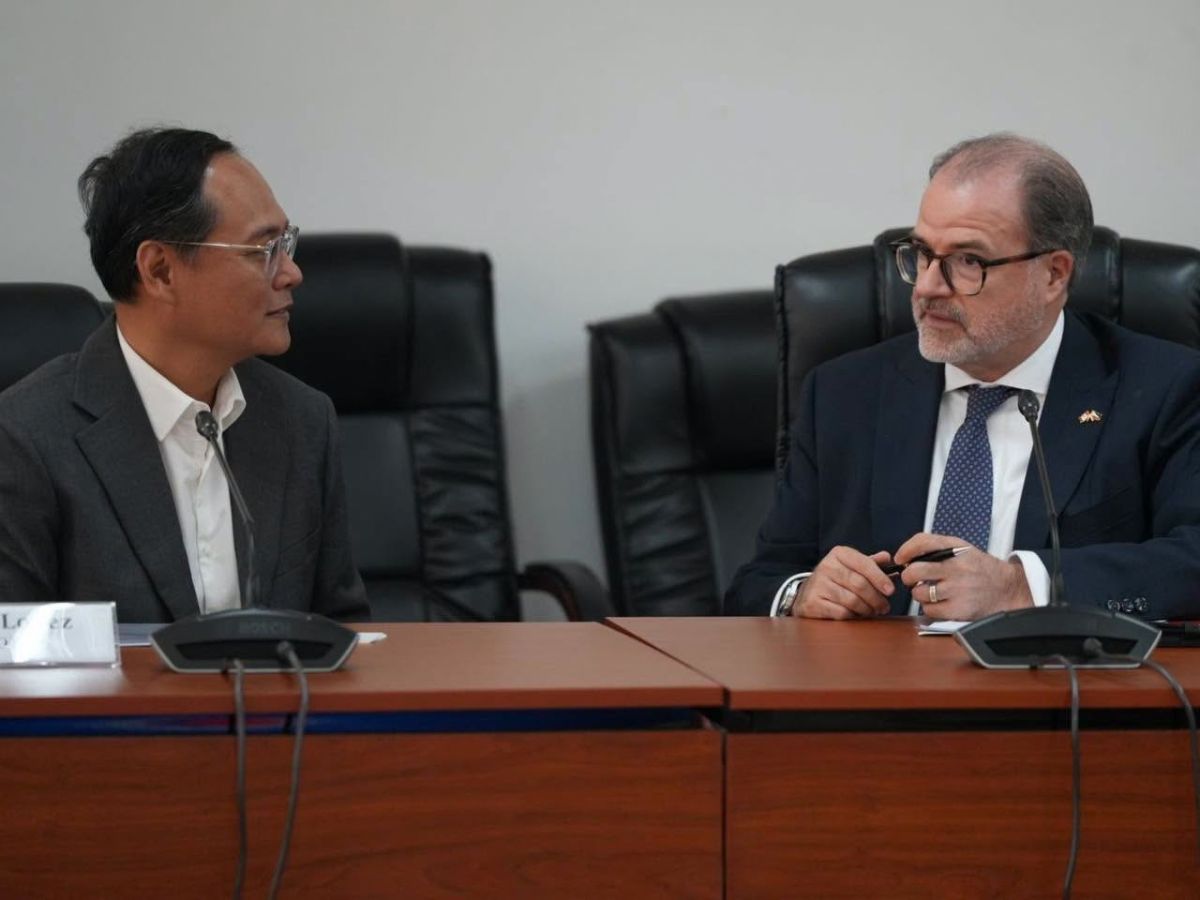
Lopez said international partnerships with developed countries can play an important role in upgrading transportation networks, improving connectivity and supporting more sustainable mobility.
For Canada, potential cooperation extends across several aspects of transportation, although the maritime sector was identified as a particular area where it could assist the Philippines.
Hartman said Canada is prepared to support the DOTr in areas related to maritime transportation and the Philippine Coast Guard (PCG). These include maritime domain awareness, monitoring illegal fishing activities, port modernization and disaster resilience.
The maritime component is particularly relevant to the Philippines because of the country’s geography and dependence on sea links connecting its numerous islands. Improving ports and maritime monitoring could complement broader efforts to make the country’s transportation network more efficient and resilient.
Canada and the Philippines already have experience working together in maritime monitoring. Their existing cooperation includes a Dark Vessel Detection program that uses satellite-based technology to help identify vessels that are not transmitting their locations.
The latest discussions, however, did not announce a specific Canadian investment in a Philippine railway, airport, road or port project. The DOTr also did not disclose a funding amount or timetable for any new infrastructure undertaking resulting from the meeting.
Instead, the talks point to continued discussions on where Canadian expertise and assistance could contribute to the Philippines’ transportation modernization efforts.
For the DOTr, the potential partnership comes as the agency continues to advance infrastructure projects across multiple modes of transportation. Rail expansion, aviation facilities, roads and maritime infrastructure each form part of the government’s broader effort to improve connectivity and address the country’s growing transportation requirements.
The Philippines and Canada are therefore looking at transportation cooperation from a wide perspective, with maritime development currently offering one of the clearest areas for potential collaboration.
The discussions could provide a foundation for more specific partnerships in the future, although details of any resulting projects would still need to be established.

Autocar’s Take
The discussion between the Philippines and Canada is notable because it places transportation modernization within a broader international partnership. The Philippines needs sustained investment across rail, aviation, roads and maritime infrastructure, and cooperation with countries that can provide technical expertise may support those efforts. At the same time, the announcement should be viewed realistically: no specific new Canadian-funded transport project was unveiled during the meeting.
However, this is a developing story, so it can be expected that new transportation-focused projects will be proposed in a few months, stemming from this initial discussion. The value of the partnership will ultimately depend on whether these discussions develop into concrete, properly funded projects that improve mobility for Filipinos.