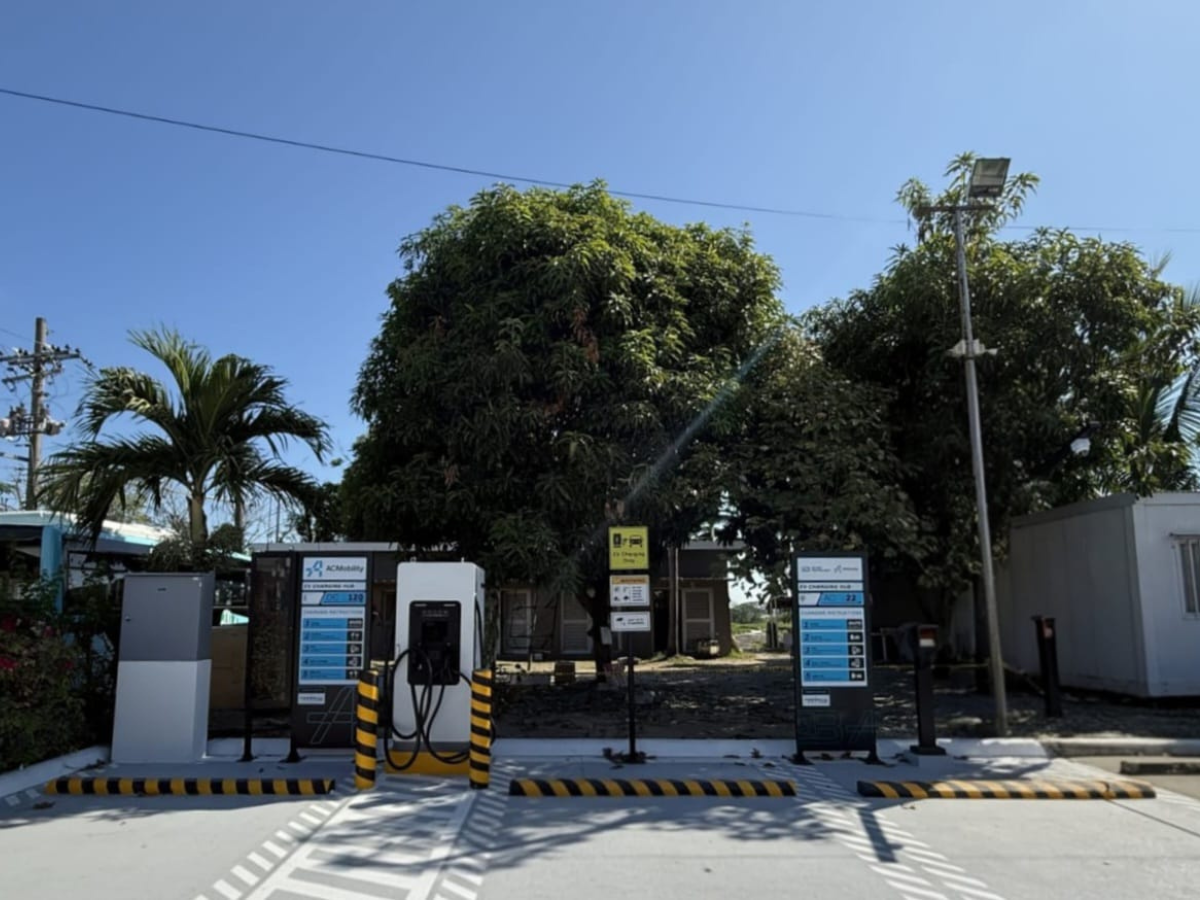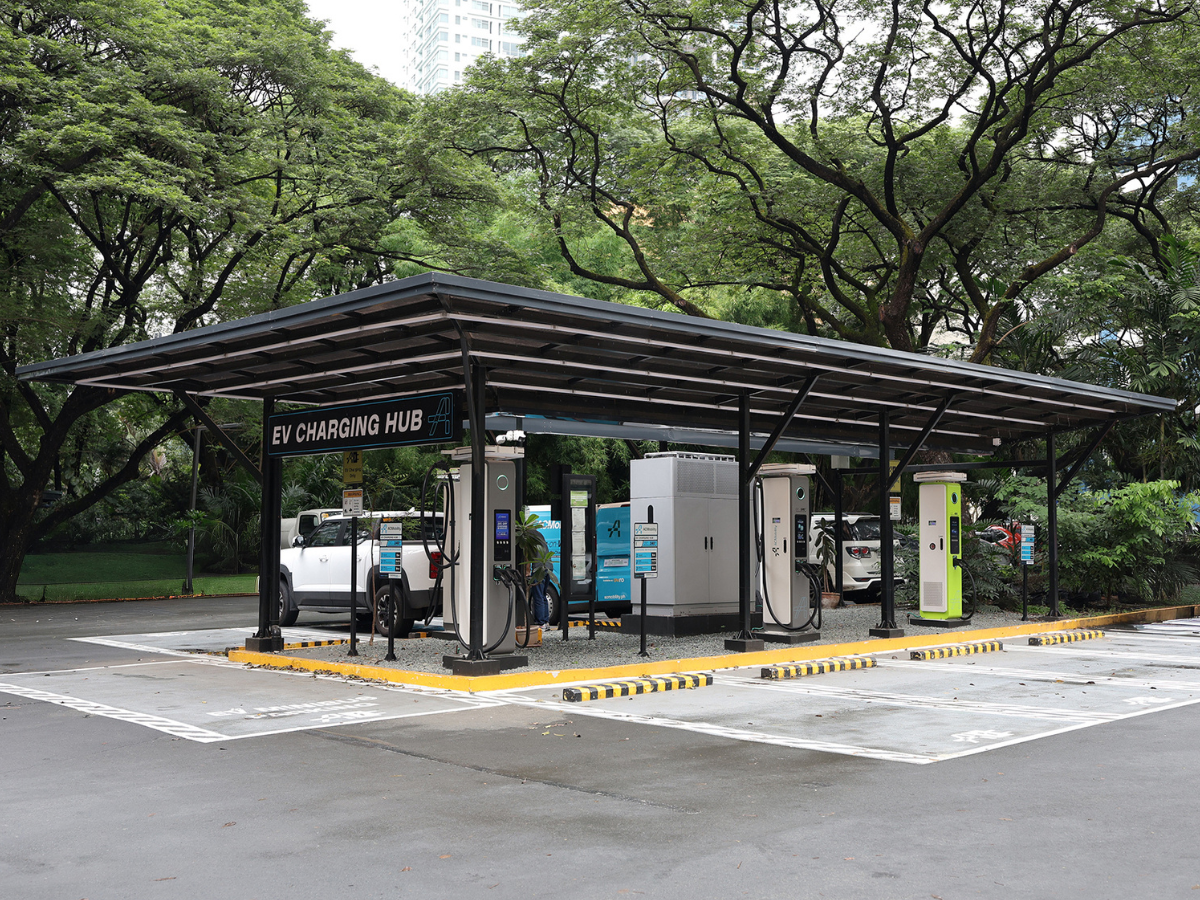

ACMobility says it continued to hold the largest share of the Philippines’ fixed public EV charging infrastructure in the first half of the year, accounting for 45% of charging hub locations and 43.5% of charge points as of end-June.
Citing Department of Energy (DOE) data, the company said it had 222 EV charging hubs out of 492 nationwide. Its network also accounted for 542 of the country’s 1,246 charge points. The figures cover fixed open-access public charging stations and exclude battery-swapping stations.
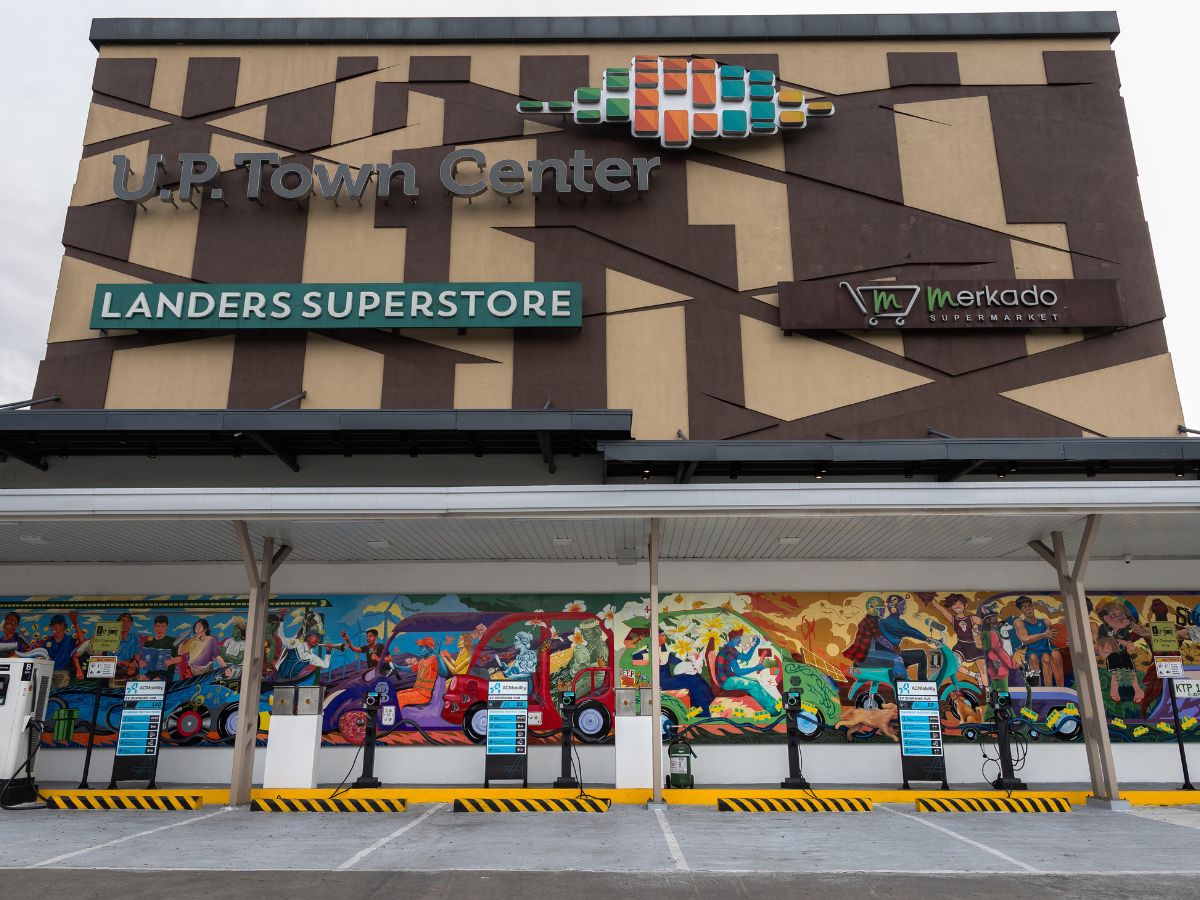
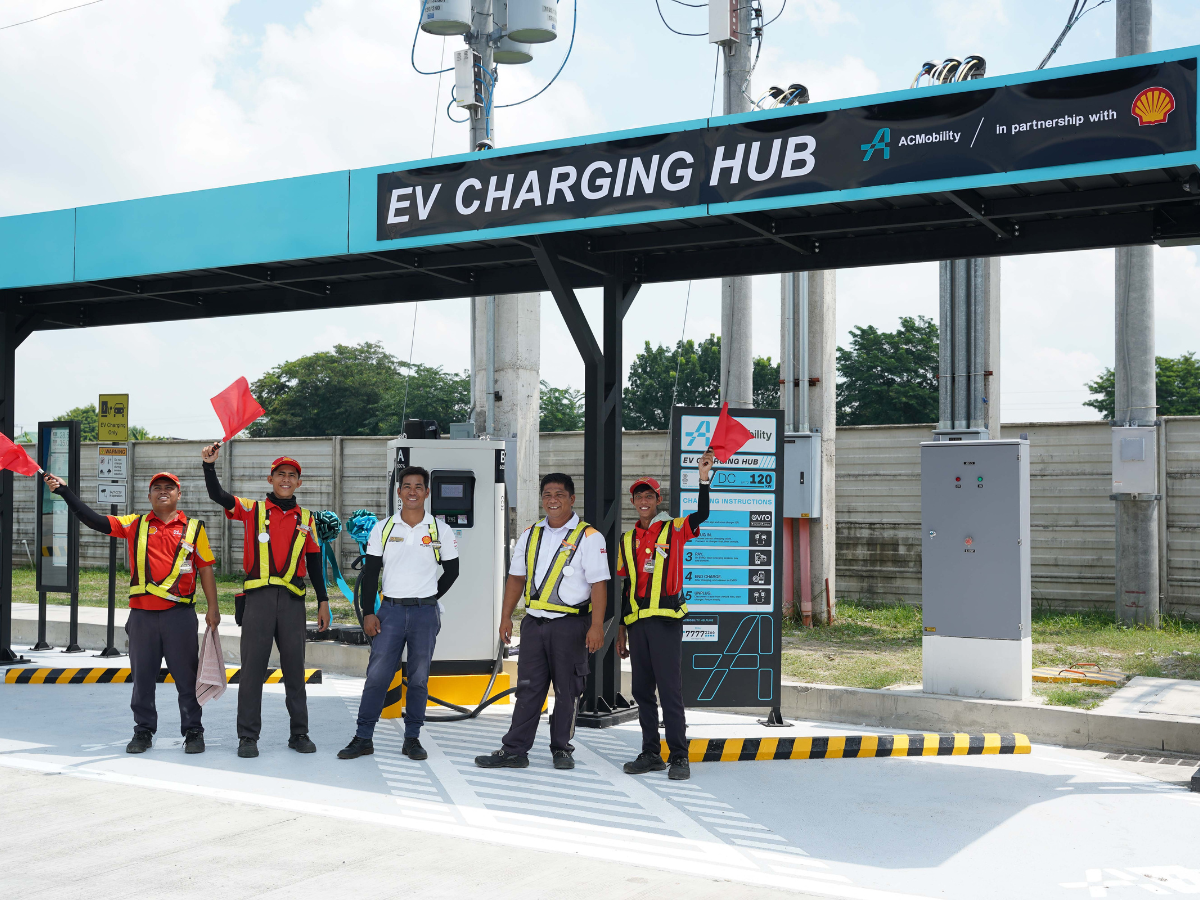
The latest numbers come as ACMobility continues expanding its EV charging network across the country, with the company saying demand for electric vehicles increased amid oil supply volatility this year. It has been building chargers through its dealership network and partnerships with fuel stations, malls, residential and office developments, restaurants, and other retail locations.
“Our goal at ACMobility is to help drive the Philippines’ shift to electric mobility by making EV charging accessible where people live, work, play and travel,” said Carla Buencamino, Head of Mobility Infrastructure at ACMobility.

The company said its Philippine EV Spine initiative is intended to connect the archipelago through charging hubs, addressing one of the practical requirements for wider EV adoption as more more motorists consider electrified vehicles and longer-distance travel.
ACMobility’s charging network includes both AC and DC fast chargers and is open to private EVs and public transport fleets regardless of vehicle brand. Drivers can access the chargers through the Evro app, which allows users to locate available charging stations, monitor charging sessions, and pay through GCash or credit card.
The company also pointed to its “Drive Electric, Love Pinas” campaign with BYD and the Department of Tourism as a sign of the expanding reach of electric mobility. The campaign involved a 3,500-km continuous journey from Pagudpud in Ilocos Norte to General Santos City, passing through 102 cities and towns over 22 days.
According to ACMobility, the journey earned two Guinness World Records, recognizing the most cities visited in a continuous journey by a battery electric vehicle and by a plug-in hybrid electric vehicle.
With more than 200 EV charging locations nationwide across the country, ACMobility says it is continuing to invest in charging infrastructure alongside digital solutions intended to make charging and service access easier for both individuals and businesses alike nationwide.
Autocar’s Take
ACMobility’s charging figures put numbers behind the expansion of EV infrastructure in the Philippines. Its 45% share of fixed charging locations and 43.5% share of charge points show how extensive its network has become, based on the Department of Energy data cited by the company.
What matters to EV users, though, is not simply the size of that network but where chargers are located and how easy they are to use. The Ayala-backed EV company’s approach of working with dealerships, malls, fuel stations, offices, residences, and other businesses could make charging practical. The continued rollout will be worth watching as many Filipinos consider EVs.