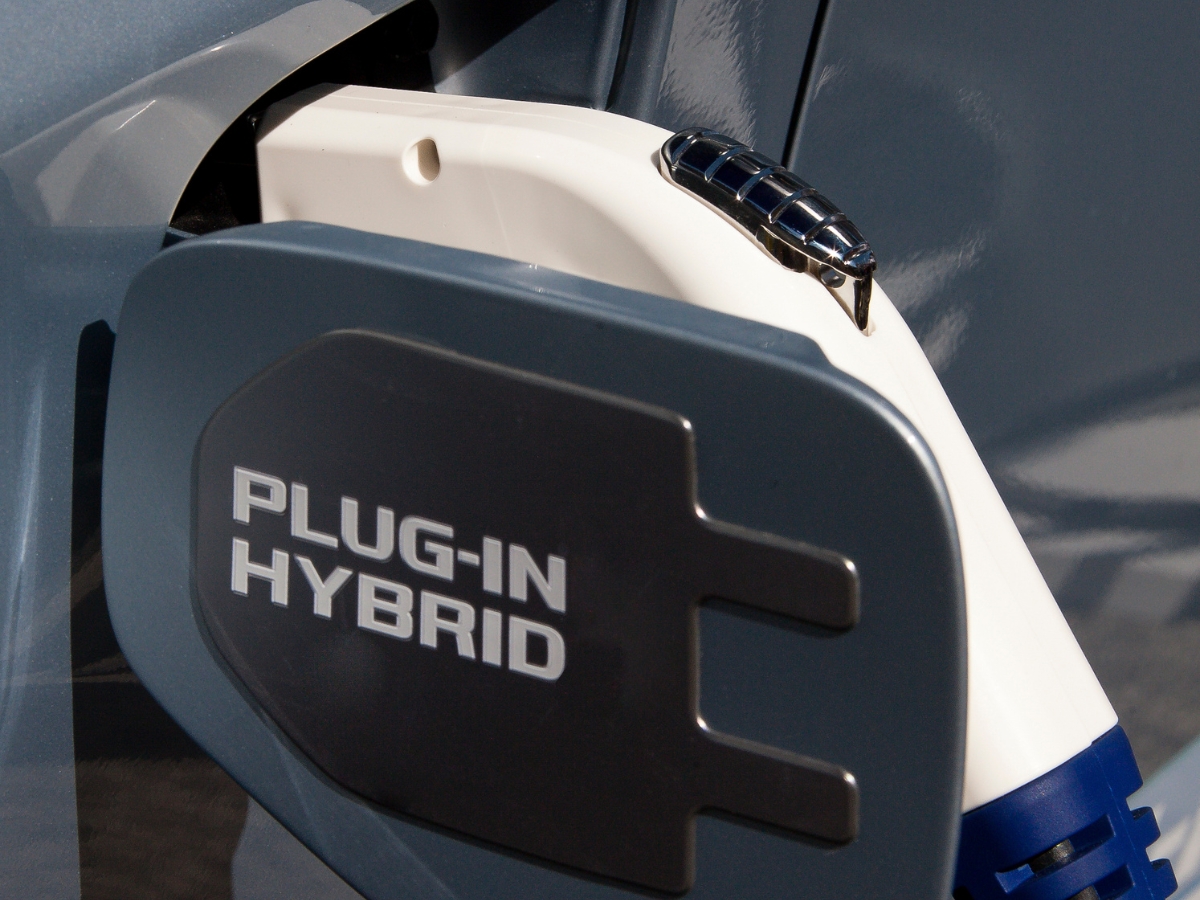
Aside from being positioned as the more fuel-efficient alternative, new energy vehicles, such as a plug-in hybrid electric vehicle (PHEV), are marketed as emitting less pollution. However, these notions about PHEVs might need to be reevaluated, as a study conducted by the International Council on Clean Transportation (ICCT) revealed a different perspective.
The study shows that PHEVs produce higher carbon dioxide emissions in real-world driving as compared to the official emission ratings. The ICCT said that the gap between official laboratory ratings and actual real-world road performance shows that PHEVs are less climate-friendly than what automakers suggest.
The ICCT claims to have examined onboard monitoring system data from nearly 920,000 PHEVs that are registered across Europe from 2021 to 2023. The data includes information such as real-world fuel and energy consumption, which revealed a notable difference between the advertised and actual emissions.
In 2021, the ICCT shared that PHEVs emitted 3.5 times more carbon dioxide than their official emission ratings. Then in 2022, the actual emissions rating was four times the official rating. The upward trend continued to be seen in 2023, as the ICCT said that actual emissions from PHEVs went up to 4.6 times the official numbers.
The ICCT noted that the gap in emissions ratings among the monitored PHEVs lies in how regulators estimate electric driving habits. Official certification tests use a mathematical formula called a “utility factor.” The ICCT elaborated that the utility factor is used to predict or assume how often drivers run on battery power. As such, regulators testing PHEVs assumed that drivers would be driving in electric mode by roughly 80 percent of the time. However, real-world data showed otherwise, as drivers of PHEVs used battery power far less.
The study also pointed out that PHEVs offering longer electric driving ranges showed a wider real-world discrepancy, as drivers opt to use their PHEVs via traditional internal combustion engines more than the electric driving mode.
“It seems counterintuitive, but new models with longer electric ranges have not resulted in a higher share of electric driving in practice. As a result, the lower official CO₂ values assigned to vehicles don’t match up with what they really emit on the road,” said ICCT Europe Director Peter Mock.
The ICCT added that Chinese car brands accounted for 28 percent of all PHEVs that are newly registered across Europe between January and July 2026. This translates to a 60 percent increase from the same period in 2025. Among all manufacturers, BYD had the highest market share of plug-in hybrids between January and July 2026.

Autocar’s Take
PHEVs are positioned as a more environmentally friendly form of mobility. But the study released by the ICCT is telling a different story, as it claims that PHEVs produce higher carbon dioxide emissions in real-world driving compared to the official emission ratings. This shows that PHEV drivers or owners across Europe may not be maximizing their PHEVs, as they still rely more heavily on combustion engine power rather than electric power. It is interesting to know if this is also the case in other markets like the Philippines. If the trend is also evident in other markets, then we might rethink how we perceive PHEVs.