Xpeng is set to enter the Philippine automotive market this September, bringing with it a pitch that goes beyond electric vehicles and puts artificial intelligence at the center of its strategy.
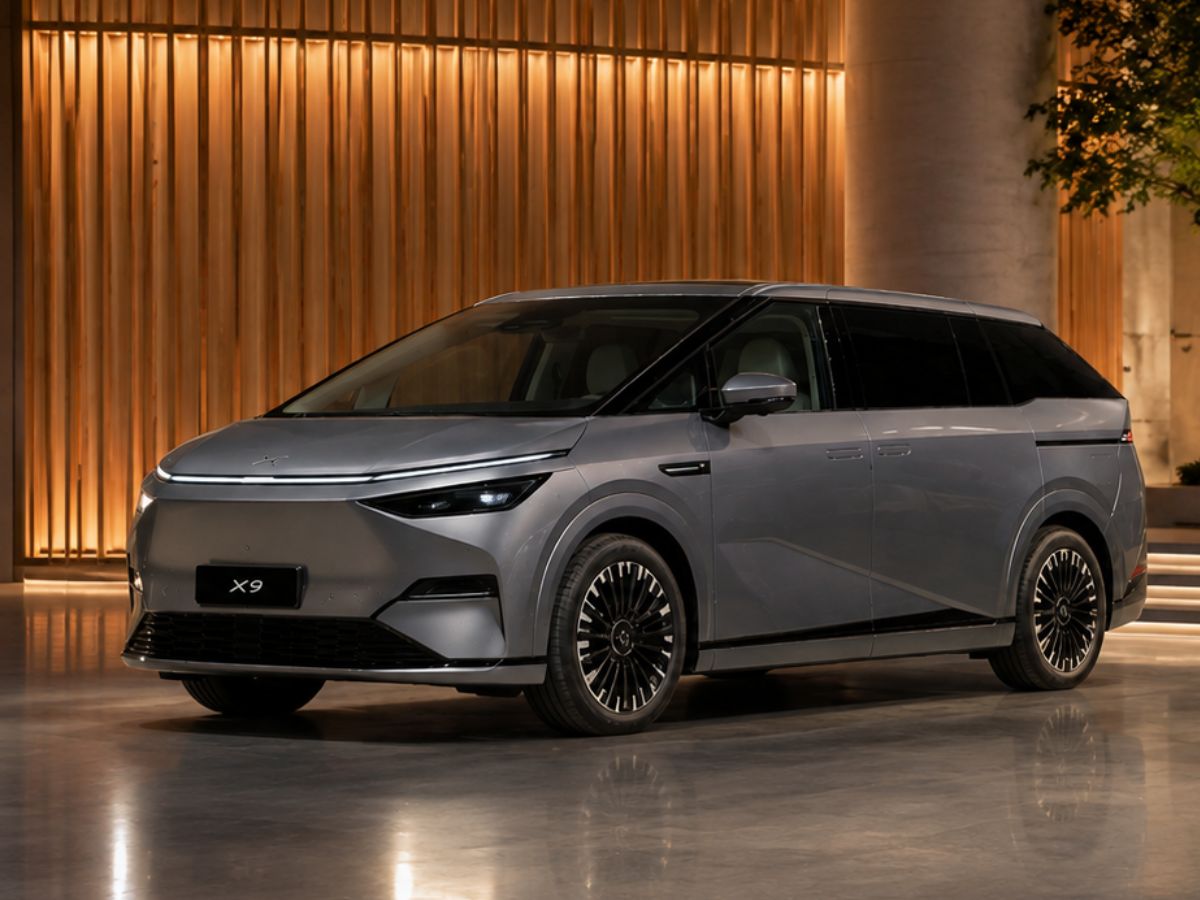
The Chinese AI-driven mobility company will launch with two models: the X9 intelligent seven-seater and the L03 intelligent SUV coupé. Philippine specifications, variants, introductory pricing and availability will be revealed at the company’s official launch next month. Xpeng aims to establish what it calls “AI Mobility” as a distinct category in the local market.
As opposed to focusing only on how a vehicle is powered, Xpeng wants the conversation to include how intelligently a vehicle can understand, respond and adapt to its surroundings and the people using it.
The X9 will serve as the brand’s flagship offering, targeting families and professionals with a premium seven-seat cabin and intelligent technologies. The L03, meanwhile, takes a sportier approach, pairing contemporary styling with AI-focused technology aimed at making everyday driving more intuitive.
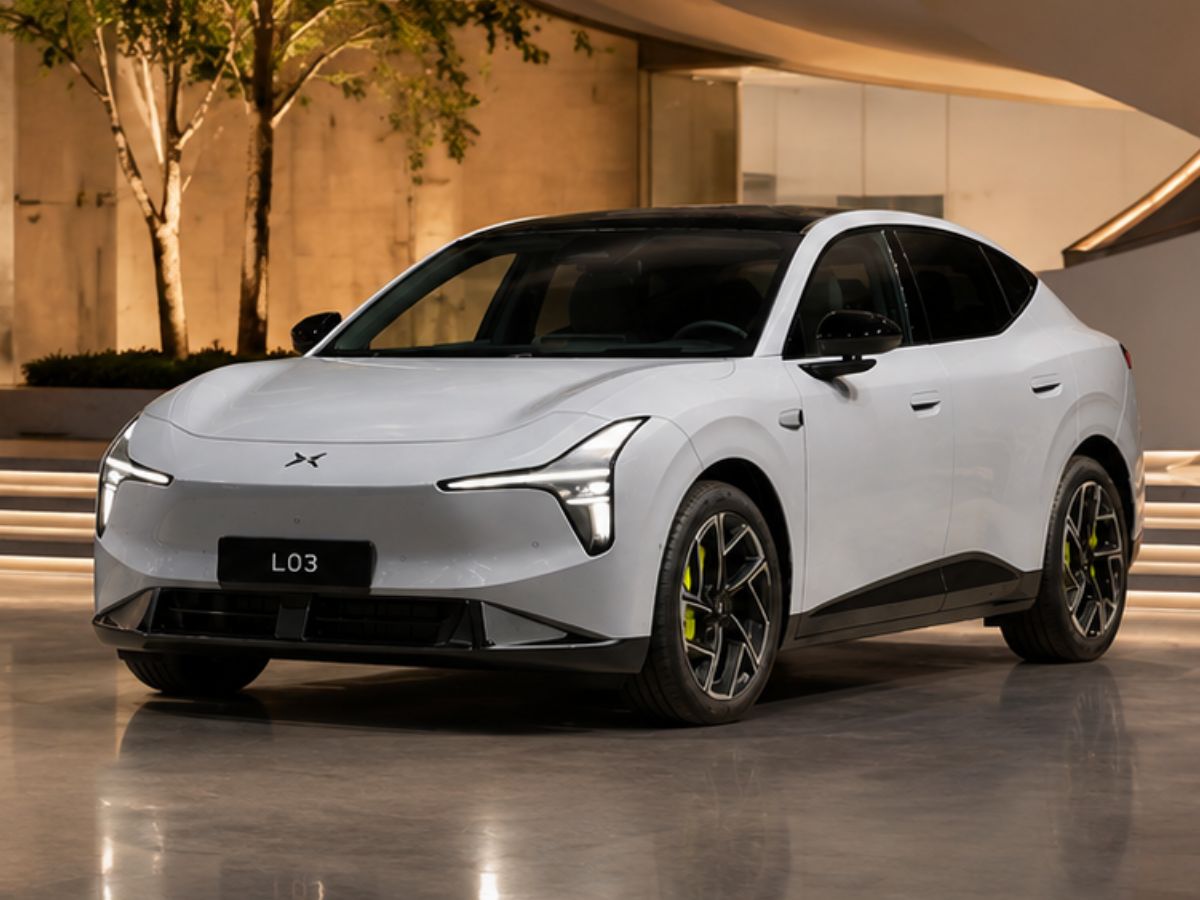
For Xpeng, however, the two vehicles are only the most visible part of a much larger technology push.
The company says more than 40% of its workforce is dedicated to research and development. As of the end of 2025, Xpeng had 8,845 employees working in R&D across areas including artificial intelligence, software, intelligent driving, robotics, vehicle engineering and advanced mobility.
That broader effort extends into Physical AI, which Xpeng describes as artificial intelligence capable of perceiving, understanding and interacting with the real world.
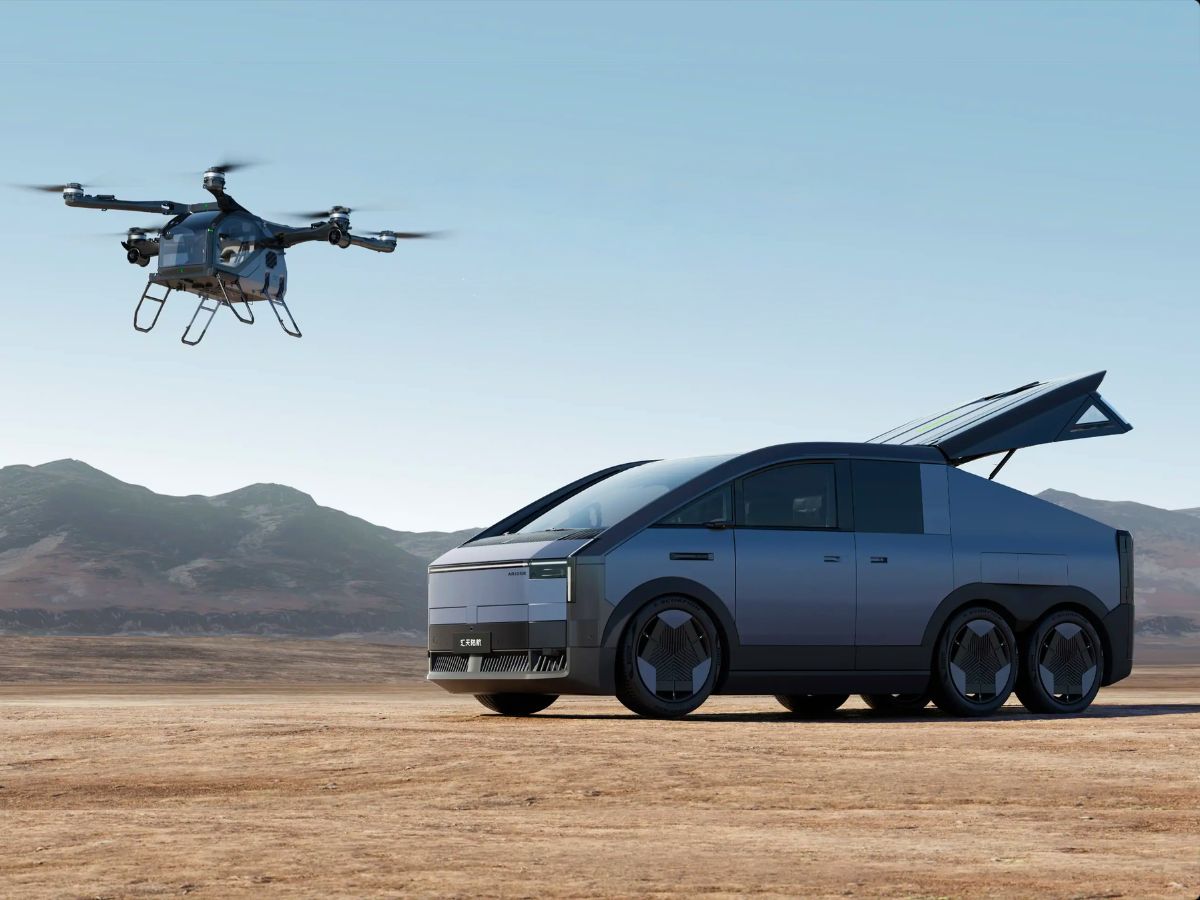
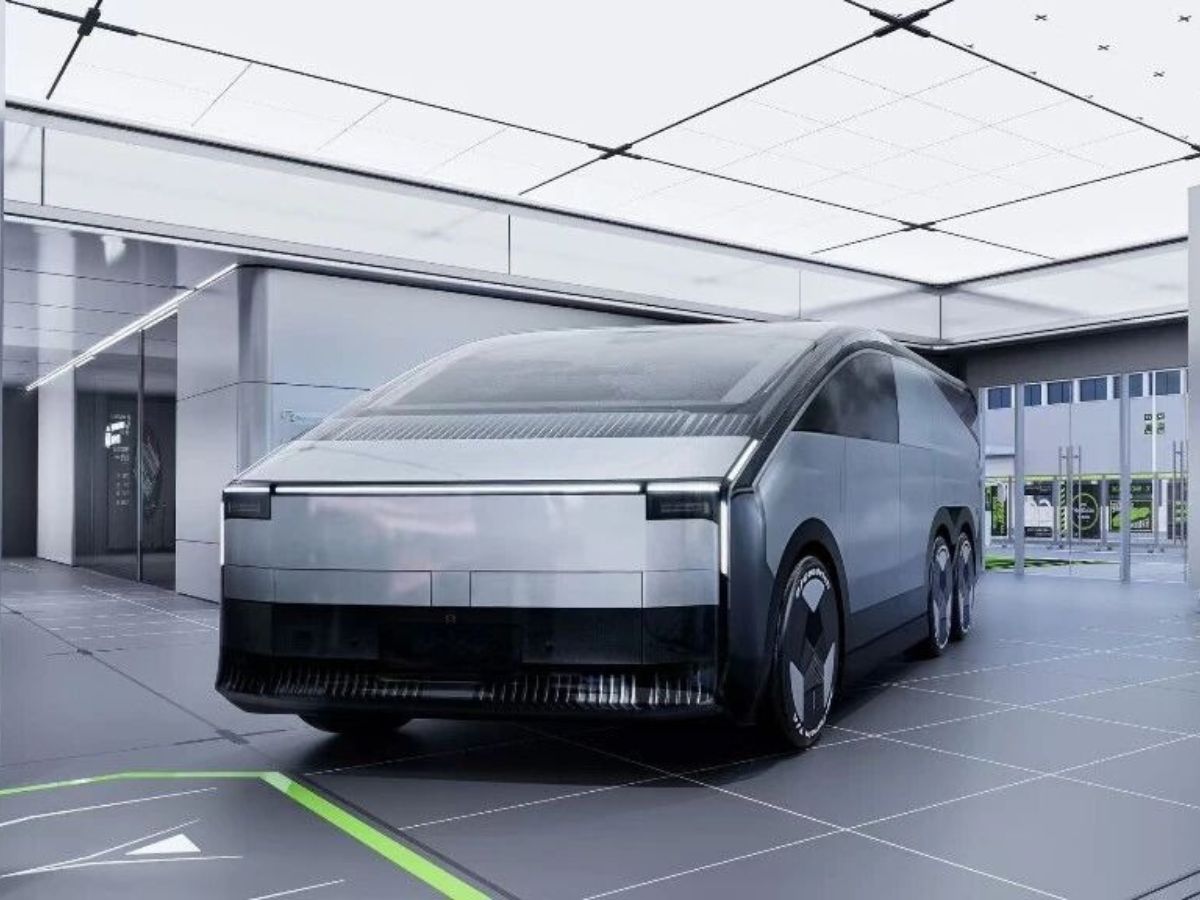
Its technology portfolio includes IRON, a humanoid robot being developed for applications including retail locations, and ARIDGE, an affiliated low-altitude mobility company developing the Land Aircraft Carrier, which combines a road vehicle with a detachable electric aircraft. Xpeng also operates smart factories using automation, connected production systems and AI-supported quality controls.
The company believes this wider ecosystem could eventually have relevance in the Philippines, particularly given the country’s geography and mobility challenges across an archipelago. However, those applications remain dependent on further development, infrastructure, and regulation.
Xpeng’s arrival comes as more Chinese automotive brands compete for attention in the Philippines. As range, features and design become common differentiators, Xpeng is betting that intelligence will become the next major battleground.
When Xpeng launches locally in September, the X9 and L03 will be the draw. But the company clearly wants Filipino motorists to see them as the starting point of a bigger AI mobility story.
Autocar’s Take
Xpeng’s Philippine arrival is interesting because it is not trying to win attention simply by being another electric vehicle brand. The company is positioning AI mobility as its differentiator, and that could make the X9 and L03 worth watching when they launch.
The bigger question is how much of that vision will translate into useful benefits for Filipino motorists. AI, robotics and flying vehicles sound impressive, but local buyers will judge the brand through the vehicles they drive. If Xpeng can make that intelligence feel useful rather than futuristic, it could carve out a place in the Philippine market.