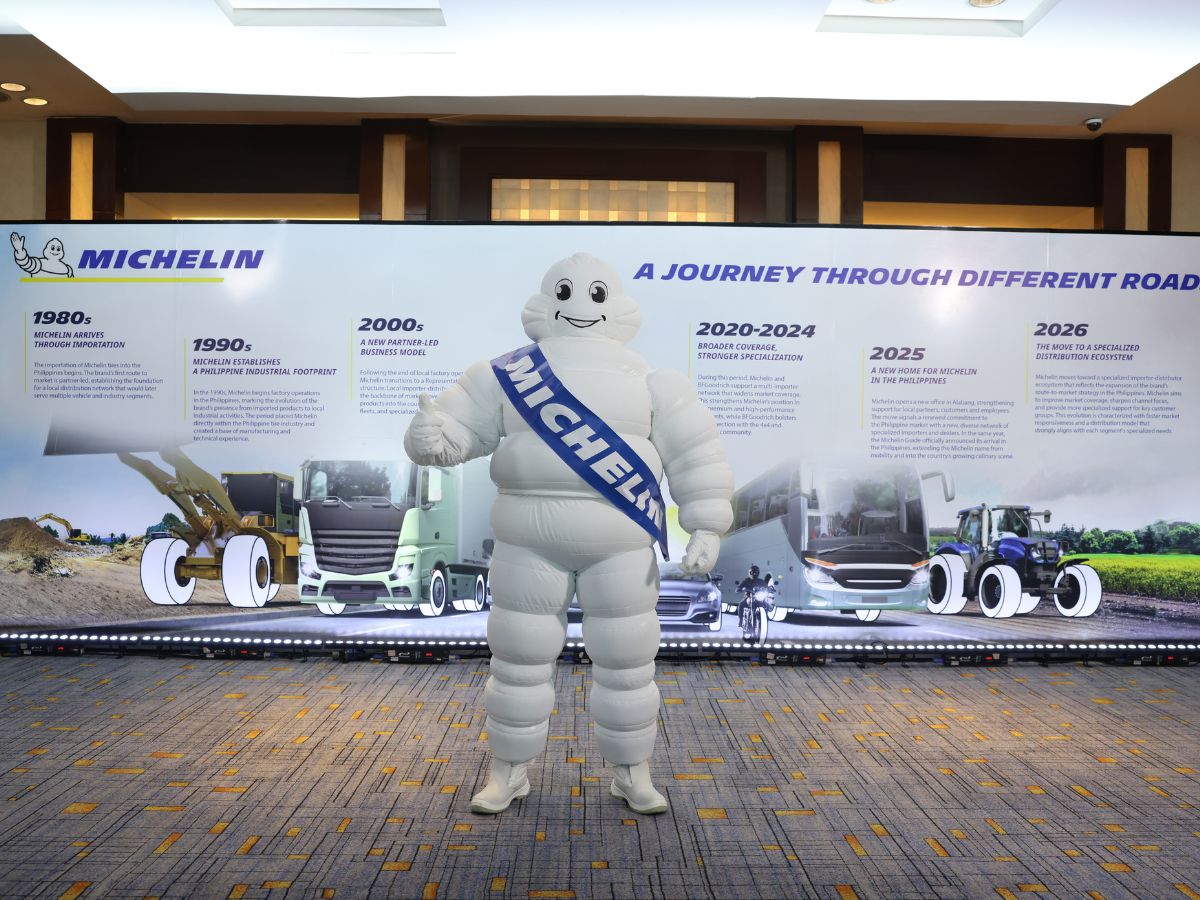

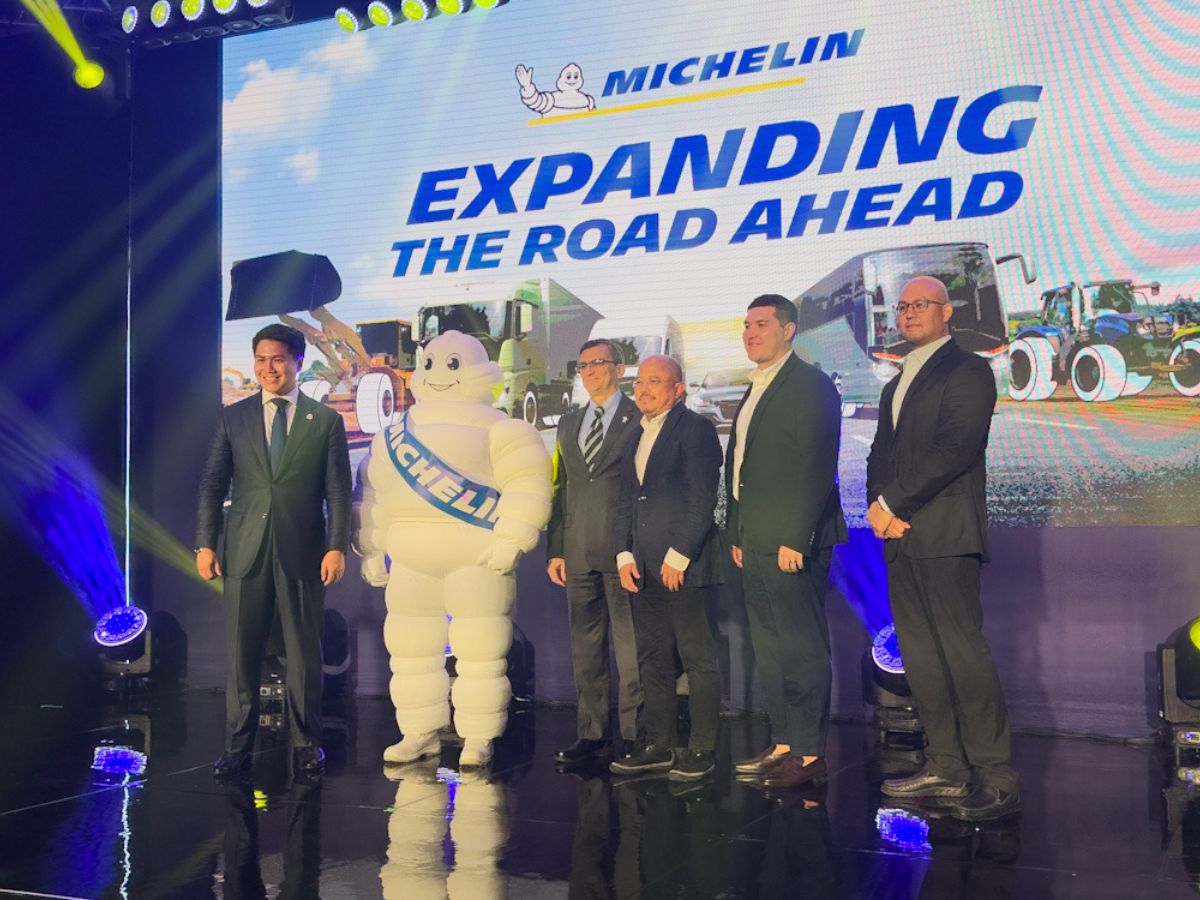
Michelin is strengthening its presence in the Philippines with an expanded and more specialized distribution ecosystem aimed at improving product access, technical expertise, and customer support across the country’s growing mobility and industrial sectors.
The tire manufacturer said the move reflects its long-term confidence in the Philippine market, where vehicle ownership, logistics activity, infrastructure development, and industrial investment continue to create demand across passenger vehicles, commercial transportation, construction, mining, agriculture, and other applications.
Instead of just relying on a one-size-fits-all distribution model, Michelin said its enhanced network is designed around the different requirements of its customers, including how they purchase, operate, maintain, and manage their vehicles and equipment.
The expanded ecosystem will complement Michelin’s existing importer-distributor network while retaining partnerships that have played an important role in the company’s Philippine operations.
For passenger vehicle customers, Michelin said stronger integration with dealership networks is intended to improve access to vehicle-specific tire fitments and enhance the overall ownership experience. Commercial operators, meanwhile, are expected to benefit from greater technical expertise and fleet-oriented support aimed at improving uptime, operational efficiency, and service responsiveness.
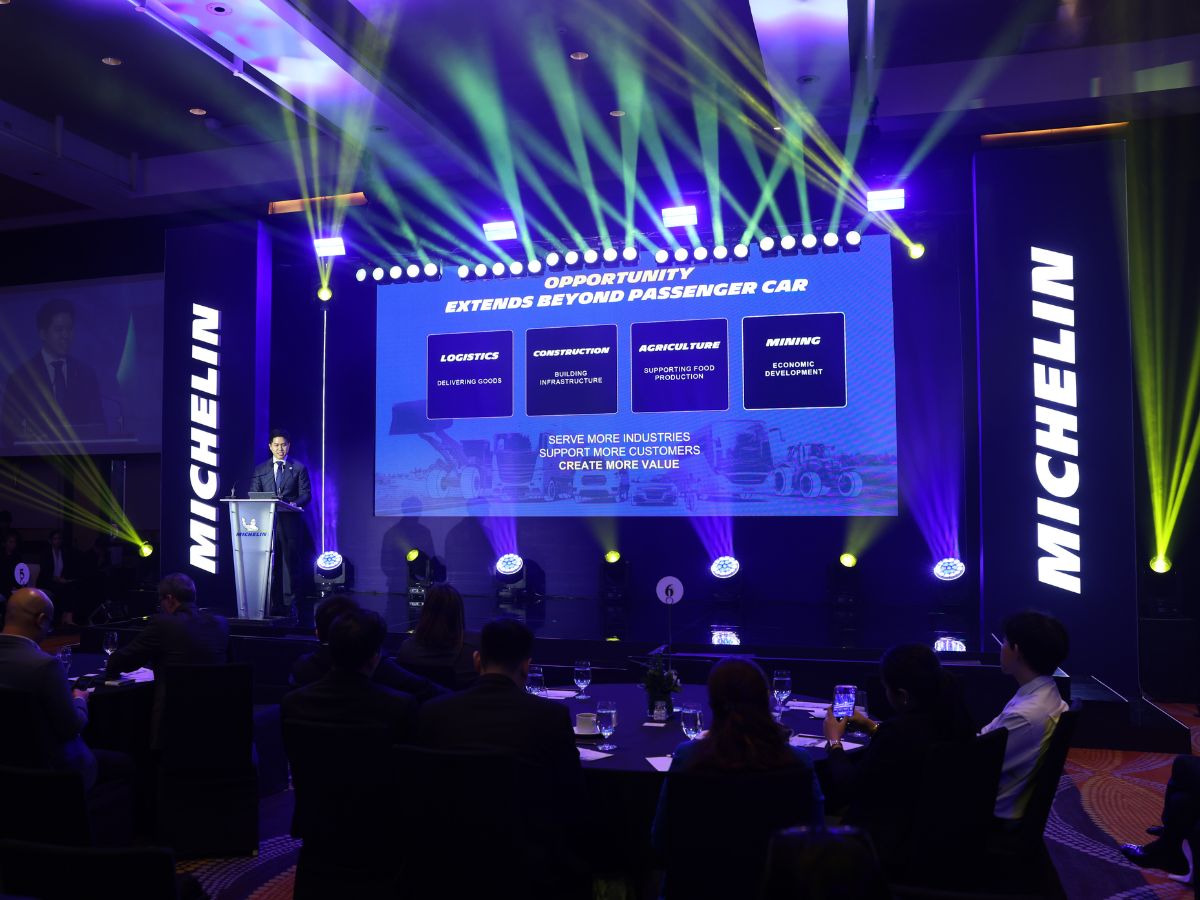
The company is also targeting customers in industrial and beyond-road applications, where specialized knowledge can be particularly important for equipment operating in demanding environments. Michelin said the additional support is intended to contribute to reliability, productivity, and long-term equipment performance.
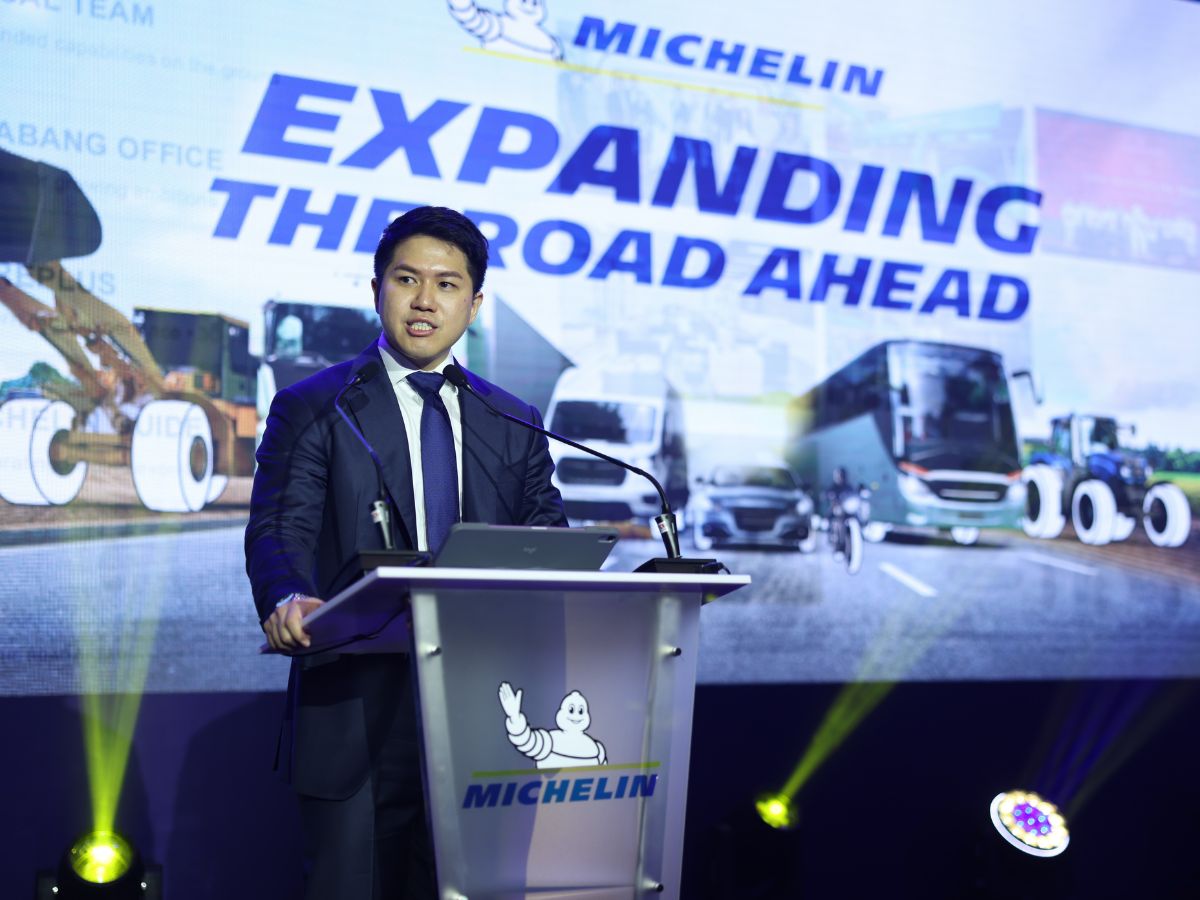
Jonathan Khong, Managing Director of Michelin Philippines, said the company wants to evolve alongside the country as its mobility landscape changes.
“At Michelin, we believe mobility is one of the foundations of human progress,” Khong said. “This expansion reflects our long-term commitment to the country and our confidence in its future.”

Michelin’s Philippine expansion comes as the company positions itself beyond simply supplying tires, with its new strategy incorporating technologies, solutions, partnerships, and customer support.
The company said reducing downtime is particularly important for businesses, where disruptions can affect delivery schedules, project productivity, and day-to-day operations. By aligning its expertise more closely with individual customer requirements, Michelin aims to help businesses improve performance, safety, and long-term value.
Michelin, which has more than 130 years of experience in mobility and engineered materials, said the Philippines remains an important market within its Asia-Pacific footprint.
The company’s strengthened distribution network is ultimately intended to provide a more responsive platform for long-term growth while helping businesses and communities across the country keep moving safely and efficiently.
Autocar’s Take
Michelin’s latest move in the Philippines is interesting because it puts the spotlight on something drivers rarely think about: what happens behind the scenes after a tire leaves the factory. A stronger distribution network can make a meaningful difference, particularly for fleets and businesses where downtime quickly becomes expensive.
The tire brand’s focus on technical support and specialized applications also makes sense as Philippine mobility becomes more diverse, from passenger cars and logistics fleets to construction and mining equipment. The bigger question is how effectively this expanded ecosystem translates into better availability and service on the ground. If it does, Michelin’s Philippine mobility strategy could deliver value well beyond the tire itself.