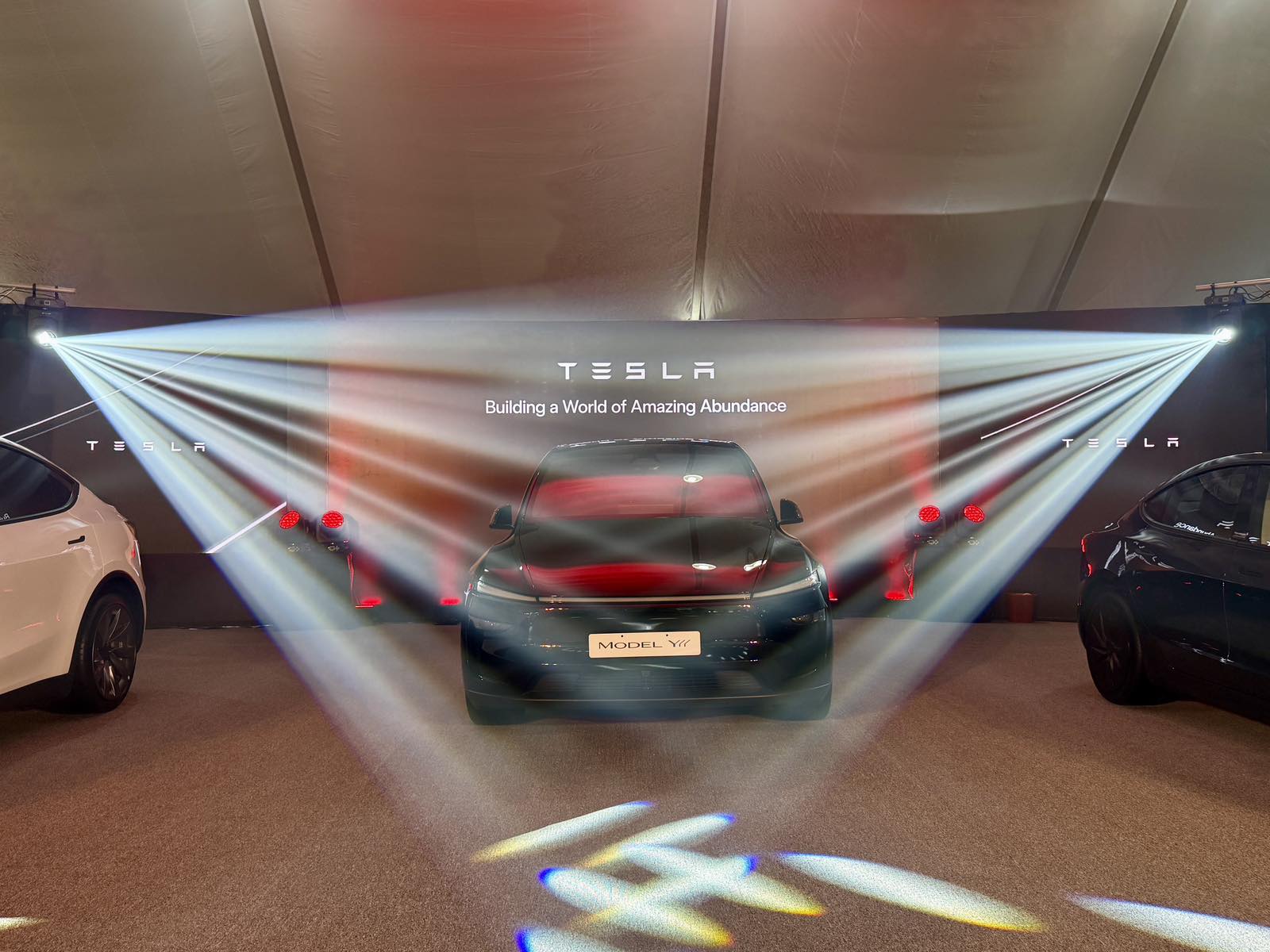

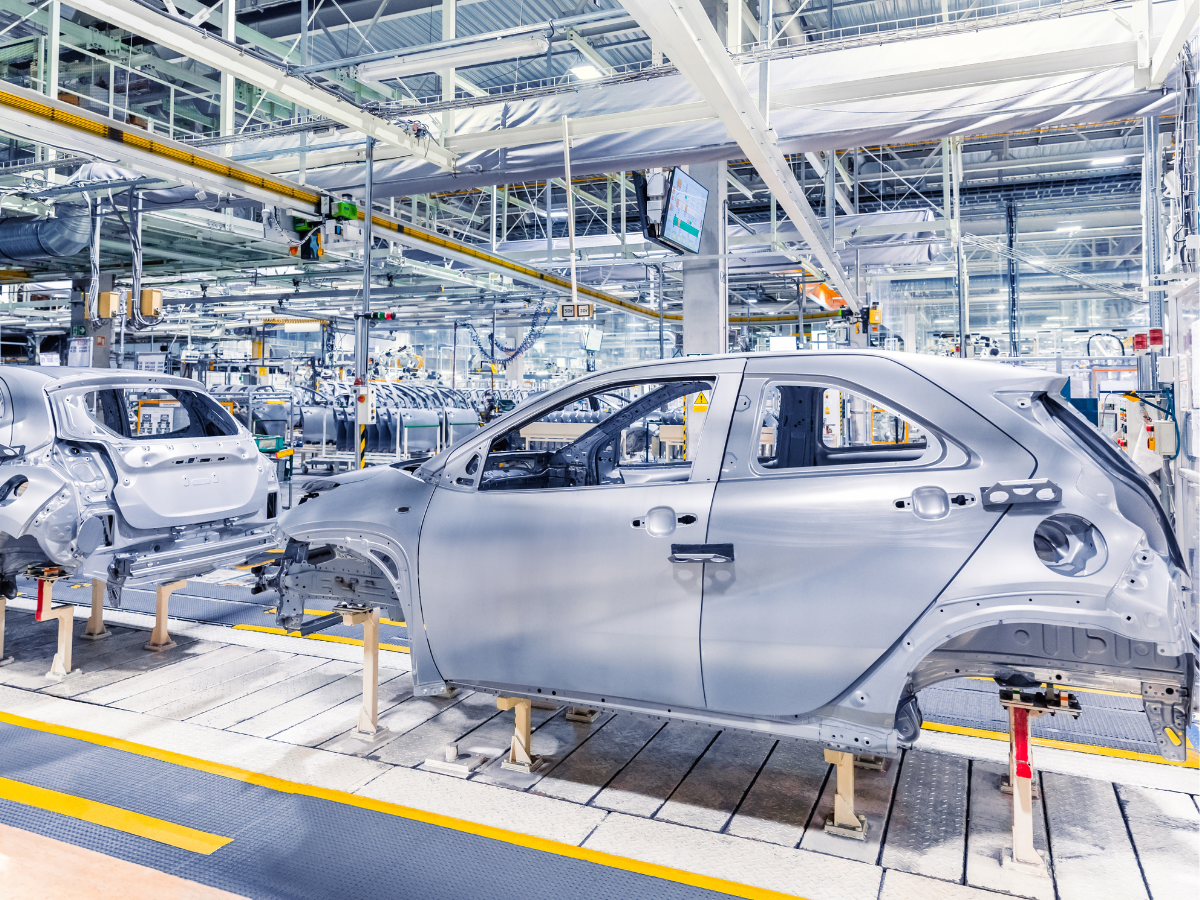
President Ferdinand Marcos Jr. signed Executive Order (EO) No. 121, creating the Electric Vehicle Incentive Strategy (EVIS) program. The said program aims to narrow the price gap between EVs and hybrid cars from traditional motor vehicles, while also boosting local manufacturing of EVs, making the country a regional hub for automotive production.
The EVIS program will provide fiscal support for the manufacture of hybrid and battery EVs, specifically passenger cars and commercial vehicles. In detail, it includes battery EVs, hybrids, plug-in hybrids, and fuel cell vehicles, including parts and components.
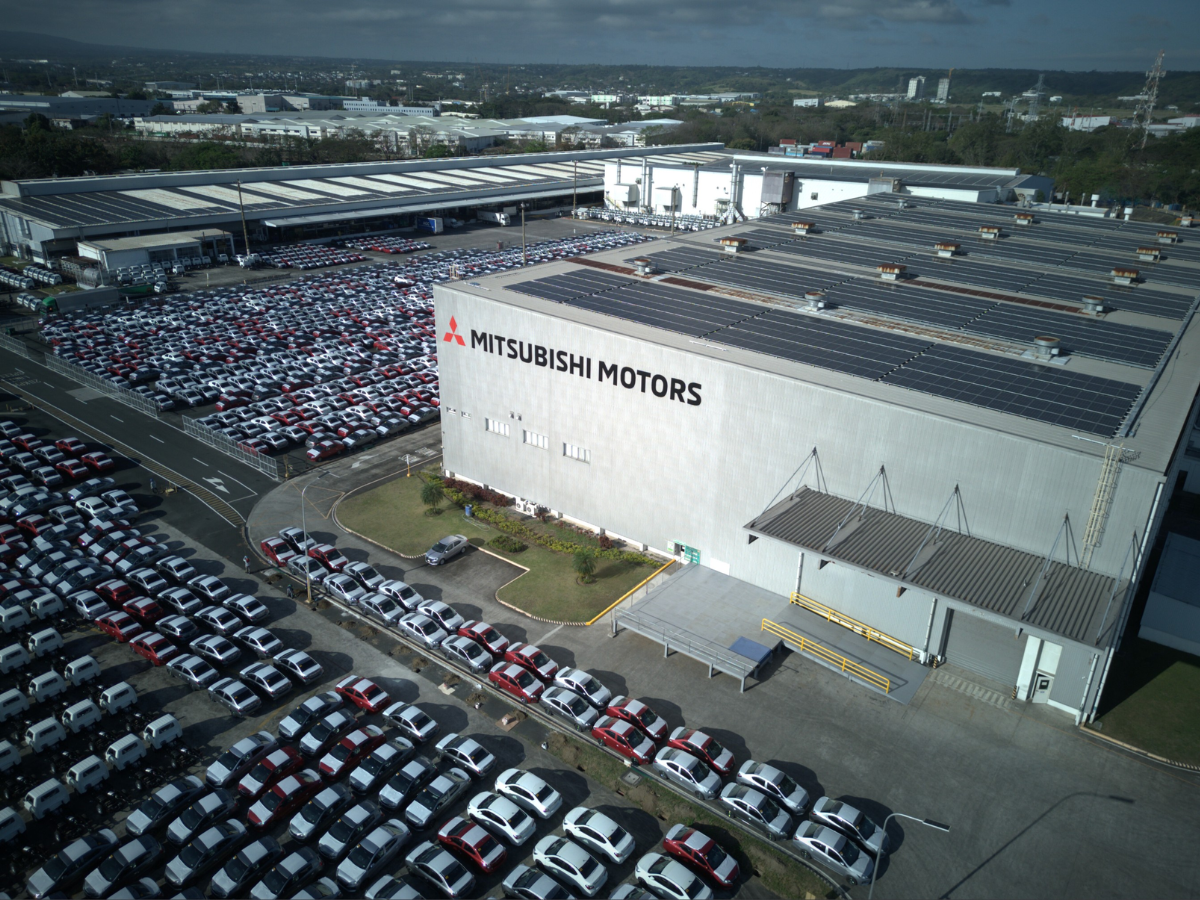
To qualify for the EVIS program, interested companies must invest a minimum of P5 billion in new manufacturing facilities. Previously, Mitsubishi Motors Philippines Corporation (MMPC) showed its commitment to support the Philippine government’s EV push and shared that it will make a P7 billion investment to locally produce hybrid electric vehicles in the Philippines.
Each company can enroll up to two vehicle models under the EVIS program. The Philippine government will select the top four companies based on economic impact should there be too many companies that apply to be part of the EVIS program. EO No. 121 also states that automotive manufacturers that wish to join the EVIS must have a minimum planned production volume of 10,000 EV units. Then, the introduction or the launch of the enrolled vehicles or parts must enter the domestic or export market within three years of registration.
The PH government allocated a total budget of P60 billion for the EVIS program. Each of the enrolled vehicles or models is then qualified for fiscal support of a maximum of P15 billion per model. Enrolled companies can receive investment support under the EVIS program for up to 10 years from their registration date. The Board of Investments will review the program every three years to measure progress and adjust funding allocations if needed.
The investment support covers the capital expenditure used for tooling, equipment research, development costs, and engineering changes to manufacture the model or platform. The government pays 40 percent of these costs for battery EV production and parts. For hybrid vehicles and their parts, the support rate is 30 percent.
The PH government will also be giving a production volume incentive should enrolled manufacturers produce a minimum of 10 units. This amounts to 12 percent of its ex-factory unit price, provided it doesn’t exceed P200,000 per unit.
Autocar’s Take
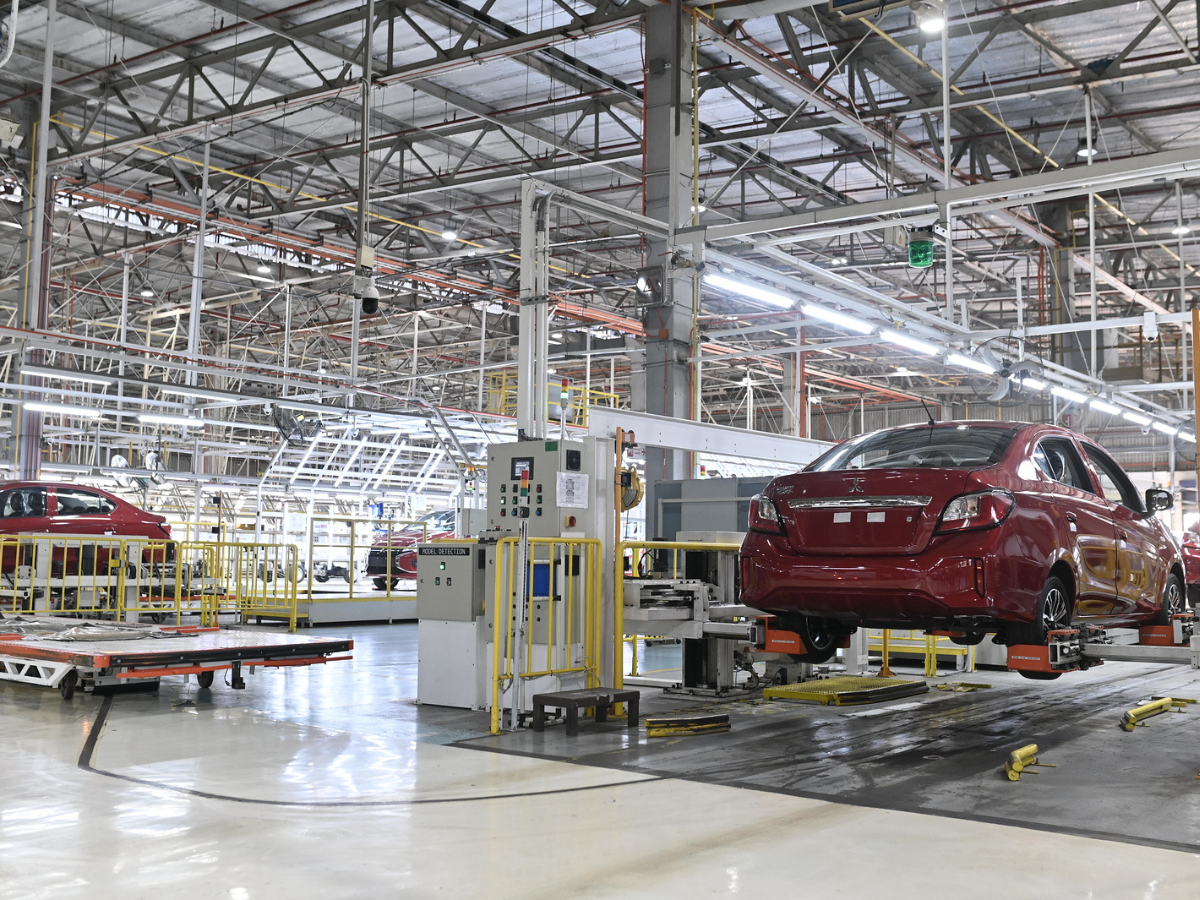
The Philippine government’s Electric Vehicle Incentive Strategy (EVIS) program could help make the local automotive industry more competitive. Aside from having local manufacturing hubs for EVs and hybrid cars, consumers will benefit from the whole program, as new energy vehicles are expected to be priced more competitively than traditional motor vehicles. This means that the local market would have more options when shopping for a brand new car. Mitsubishi Philippines has been continuously showing its commitment to be part of the EVIS program, as it announced that it will invest in locally produced hybrid electric vehicles.