Here’s a hard truth that Nissan Philippines can no longer ignore: the company isn’t losing market share because Filipinos suddenly stopped liking Nissan. It’s losing because it’s asking today’s buyers to get excited about yesterday’s products.
That’s a battle no automaker wins for long.
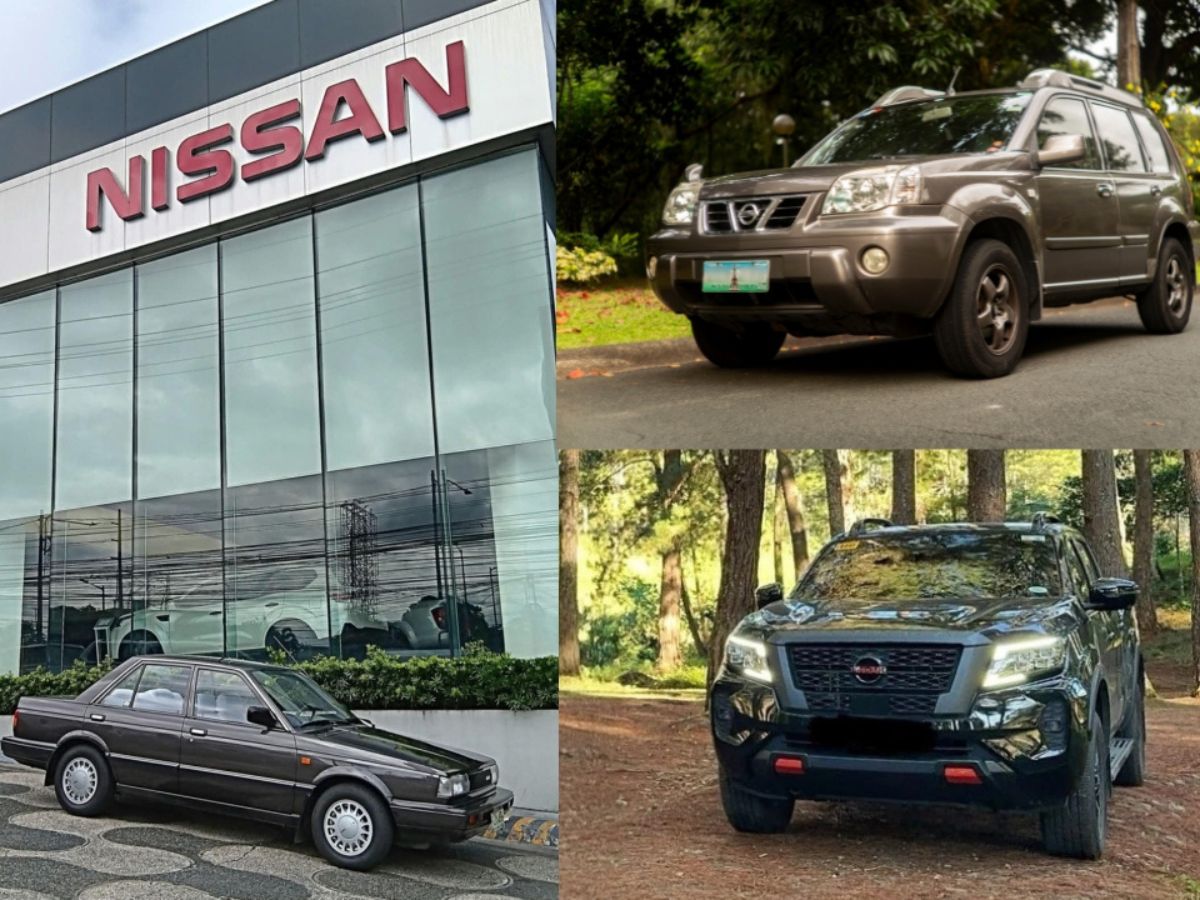
For years, Nissan could lean on its reputation. The Sentra, Cefiro, Frontier, Patrol and Urvan earned their place in Philippine motoring history. Reliability and engineering excellence were enough to keep customers coming back.
But history doesn’t sell cars. New products do.
The warning signs have been flashing for years. While the Philippine automotive industry continues posting record sales, Nissan is moving in the opposite direction. Its sales have slipped, its market share has shrunk, and brands that were once comfortably behind it are now overtaking it. That’s not bad luck. That’s a product problem.
Walk into a Nissan showroom and you’ll quickly understand why.
The Navara is still a competent pickup—but “competent” is no longer enough when it is fighting newer rivals from Ford, Mitsubishi, Toyota and Isuzu. The Terra has become a victim of the same aging platform. The Almera remains decent transportation, but “decent” doesn’t win comparison videos on YouTube or convince buyers who have dozens of alternatives.
Facelifts can only hide wrinkles for so long.
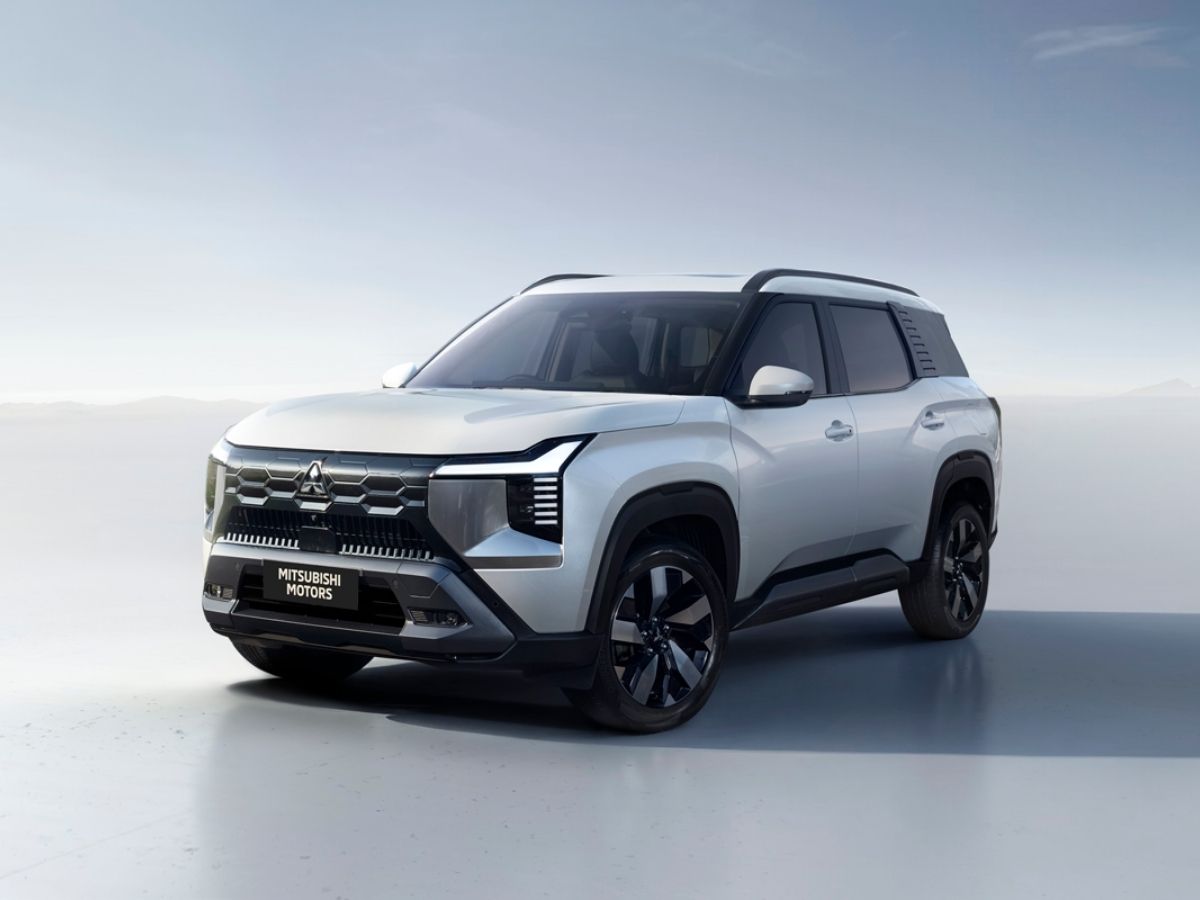
Meanwhile, Toyota keeps refreshing its lineup. Mitsubishi has reinvented its pickup range. Suzuki has quietly found its groove.
Then come the Chinese brands, which have completely changed the rules of the game.
BYD, GAC, MG, Geely and Changan don’t wait a decade before replacing vehicles. They introduce new products at a pace the traditional Japanese manufacturers seem incapable of matching. Their vehicles arrive packed with technology, aggressive pricing and features that make many established Japanese models look like they belong to another generation.
Nissan should be leading this revolution—not chasing it.
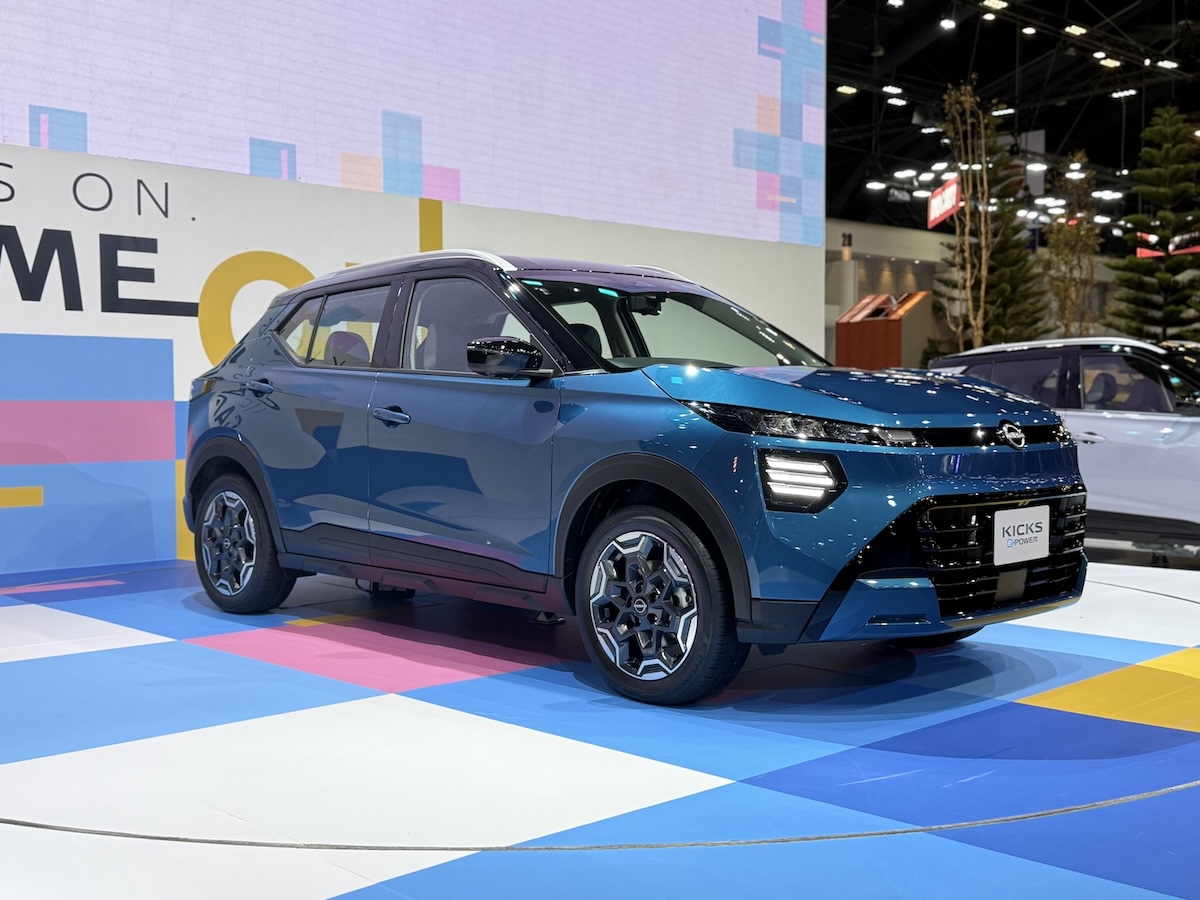
After all, this is the company that gave the world the Leaf, arguably the first mass-produced modern electric vehicle. It developed e-Power, one of the smartest hybrid systems in the industry. It has the engineering talent and technological pedigree.
So where is it?
Somewhere between global restructuring, delayed product cycles and a dangerous belief that brand loyalty will compensate for aging metal.
It won’t.

Filipino buyers have changed. They no longer buy cars based solely on reputation. They compare specifications, watch reviews, study safety ratings and calculate value before setting foot inside a dealership. The internet has made consumers brutally informed, and informed consumers rarely reward complacency.
The uncomfortable reality is that Nissan has become predictable. Not because its vehicles are bad, but because they’re old. In today’s market, old is often mistaken for irrelevant.
The tragedy is that this decline was entirely avoidable. Nissan didn’t suddenly become incapable of building world-class vehicles. It simply stopped bringing enough of them here while everyone else accelerated.
The Philippine market isn’t waiting for Nissan to catch up. It has already moved on.
Unless Nissan dramatically speeds up its product renewal program, expands its electrified lineup and gives dealers something genuinely new to sell, it risks becoming something no car company ever wants to be:
A brand people respect—but no longer seriously consider.