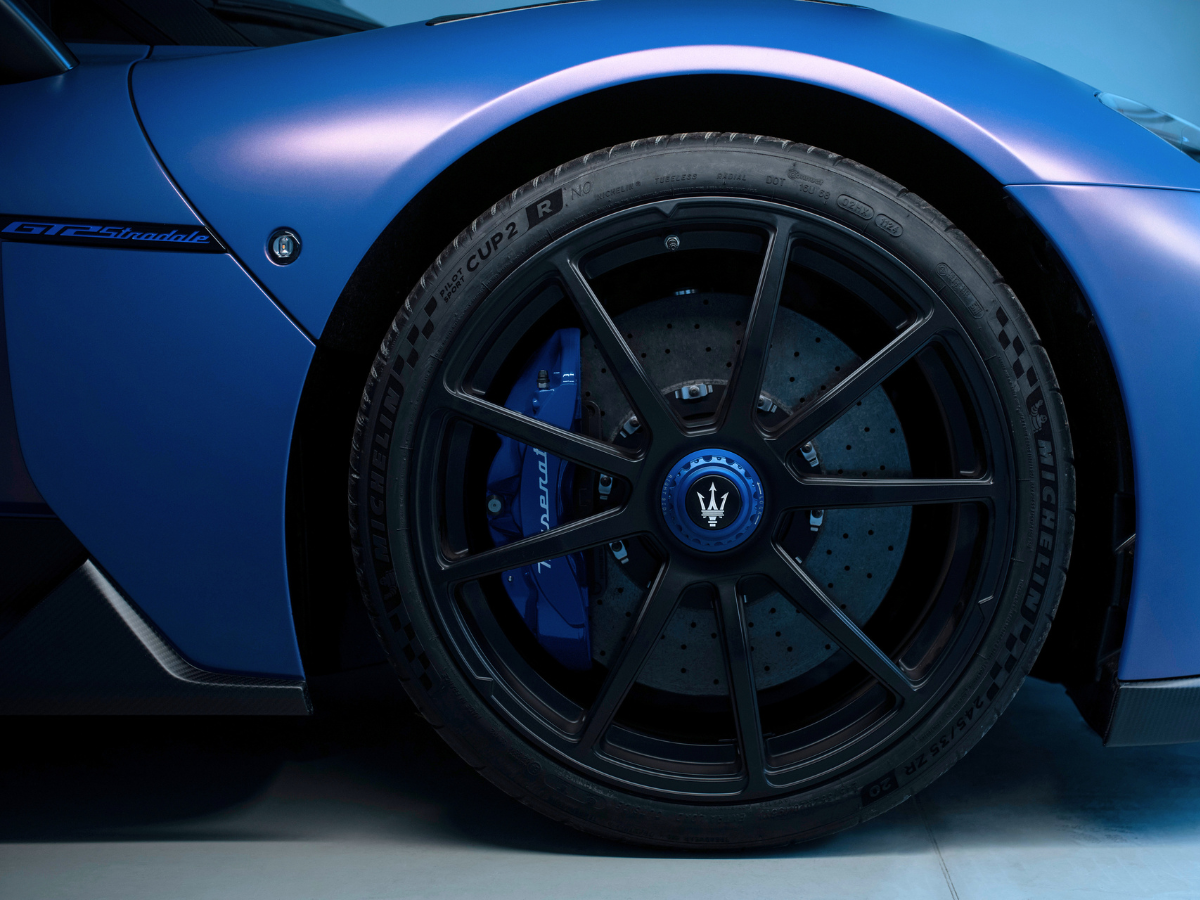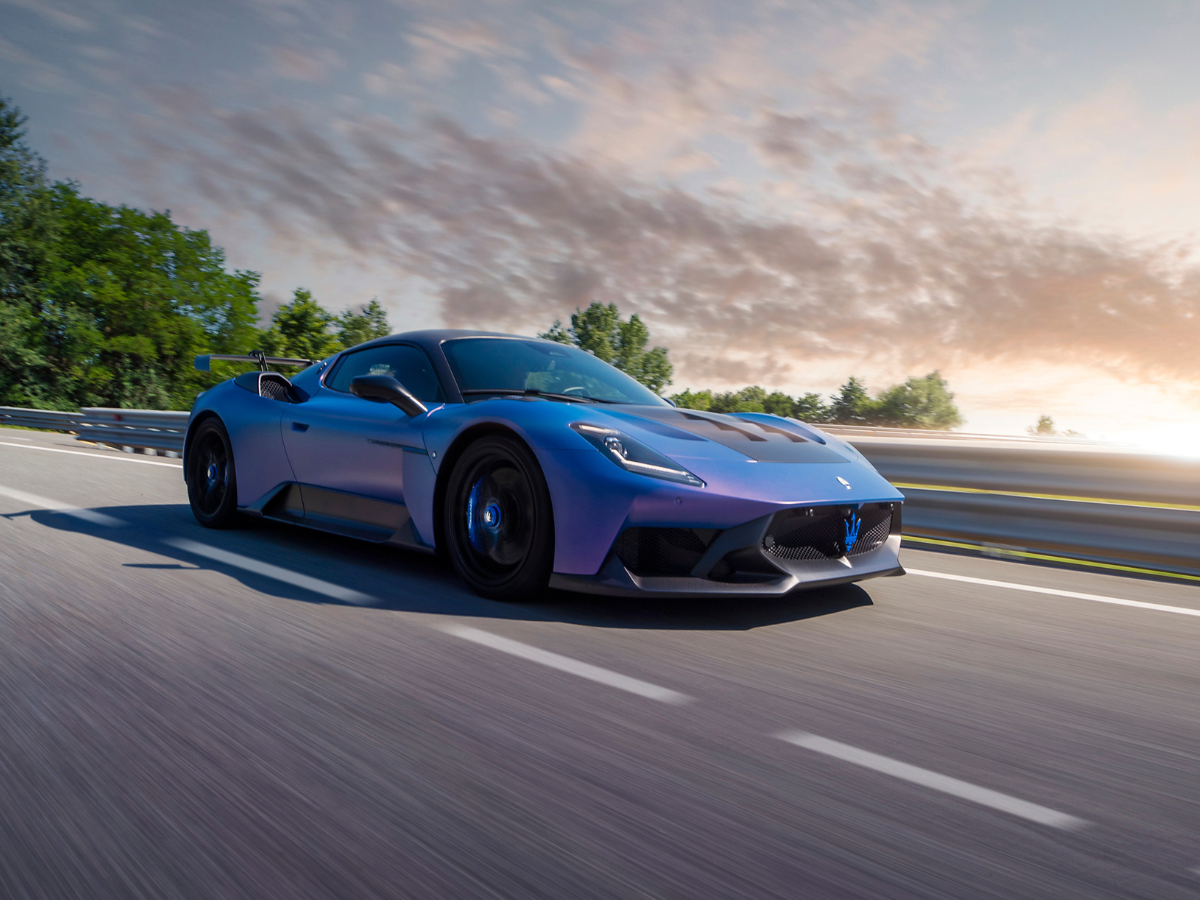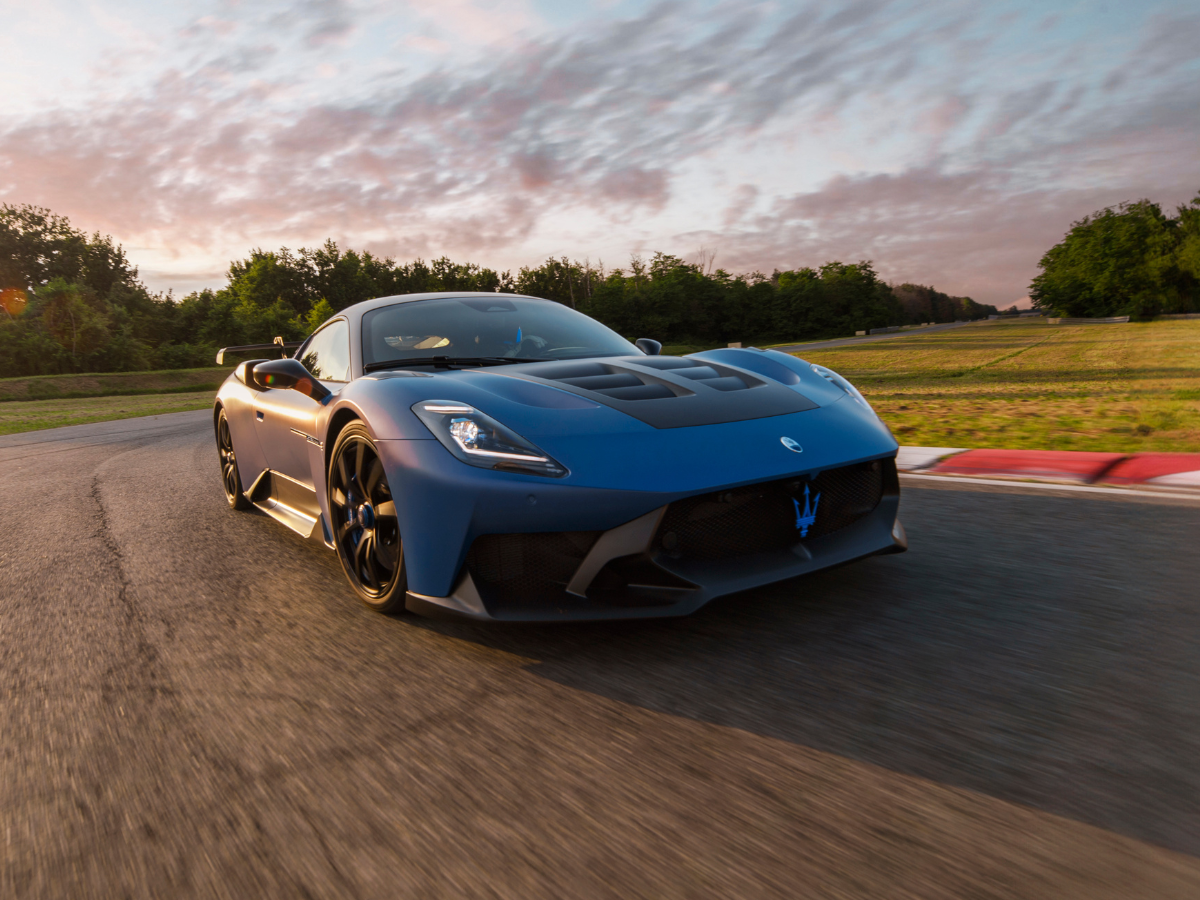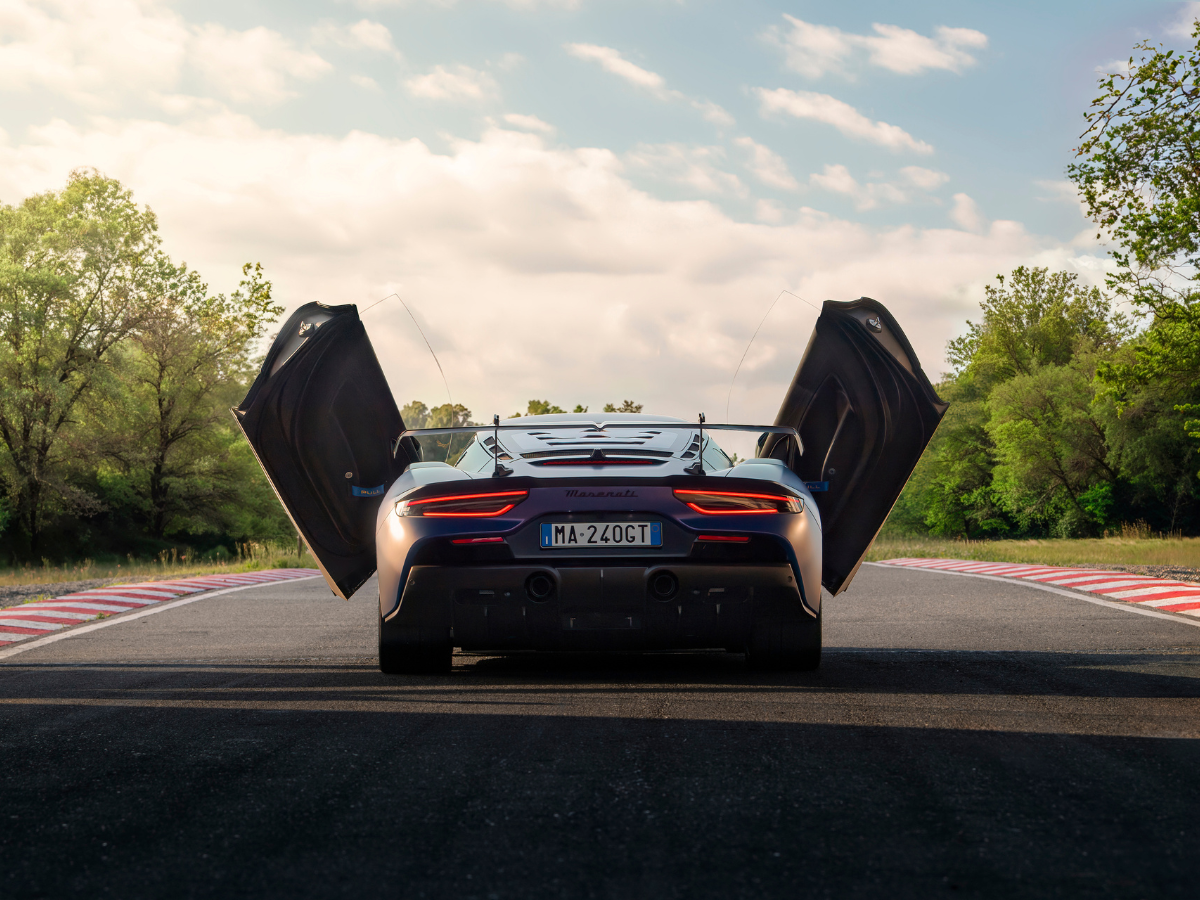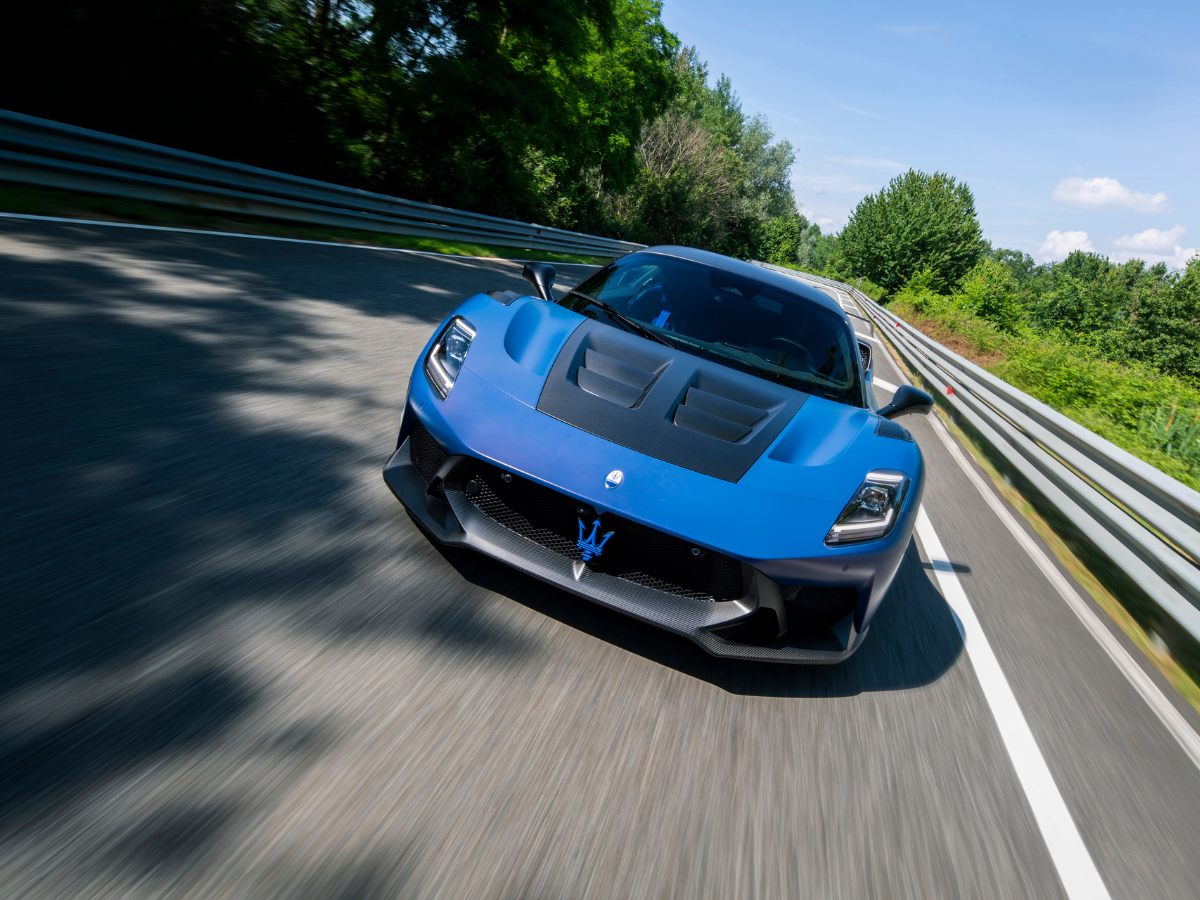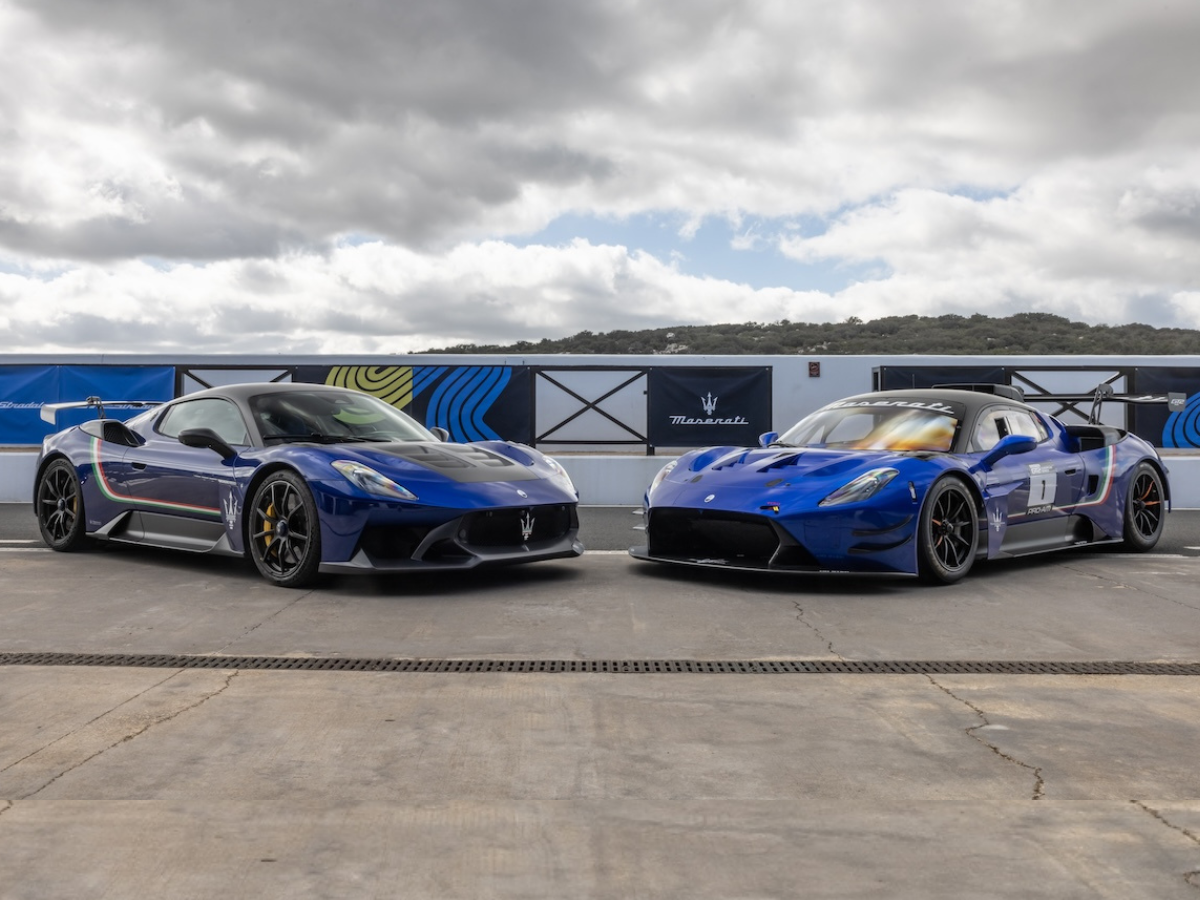

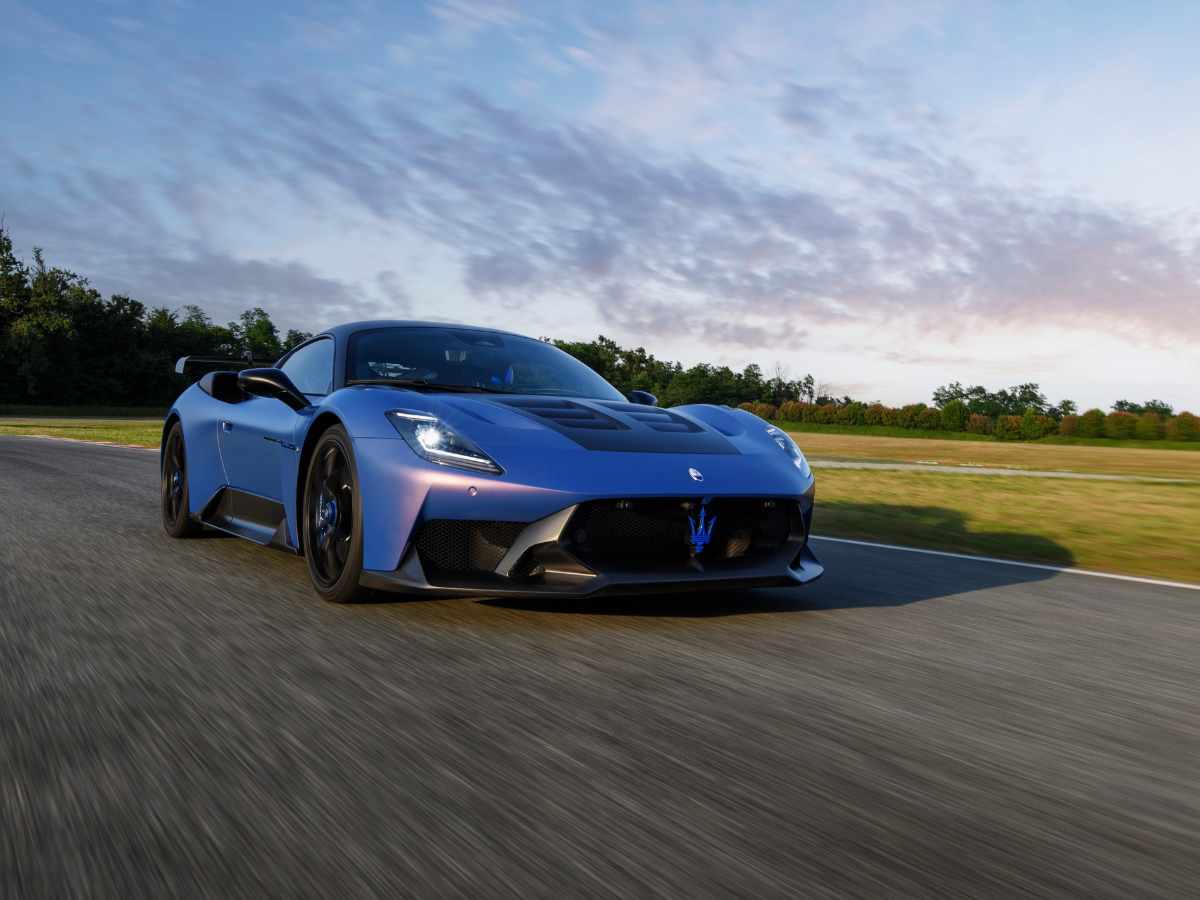
For a company long associated with grand touring luxury, Maserati is rediscovering its racing roots in a serious way. The new Maserati GT2 Stradale is proof of that direction, arriving as a road-going machine directly inspired by the brand’s GT2 racecar program.
The GT2 Stradale is not simply a dressed-up version of the MCPura, the successor to the MC20. Instead, the company positions it as a true bridge between track and street, carrying over major aerodynamic and chassis developments from the GT2 competition car.
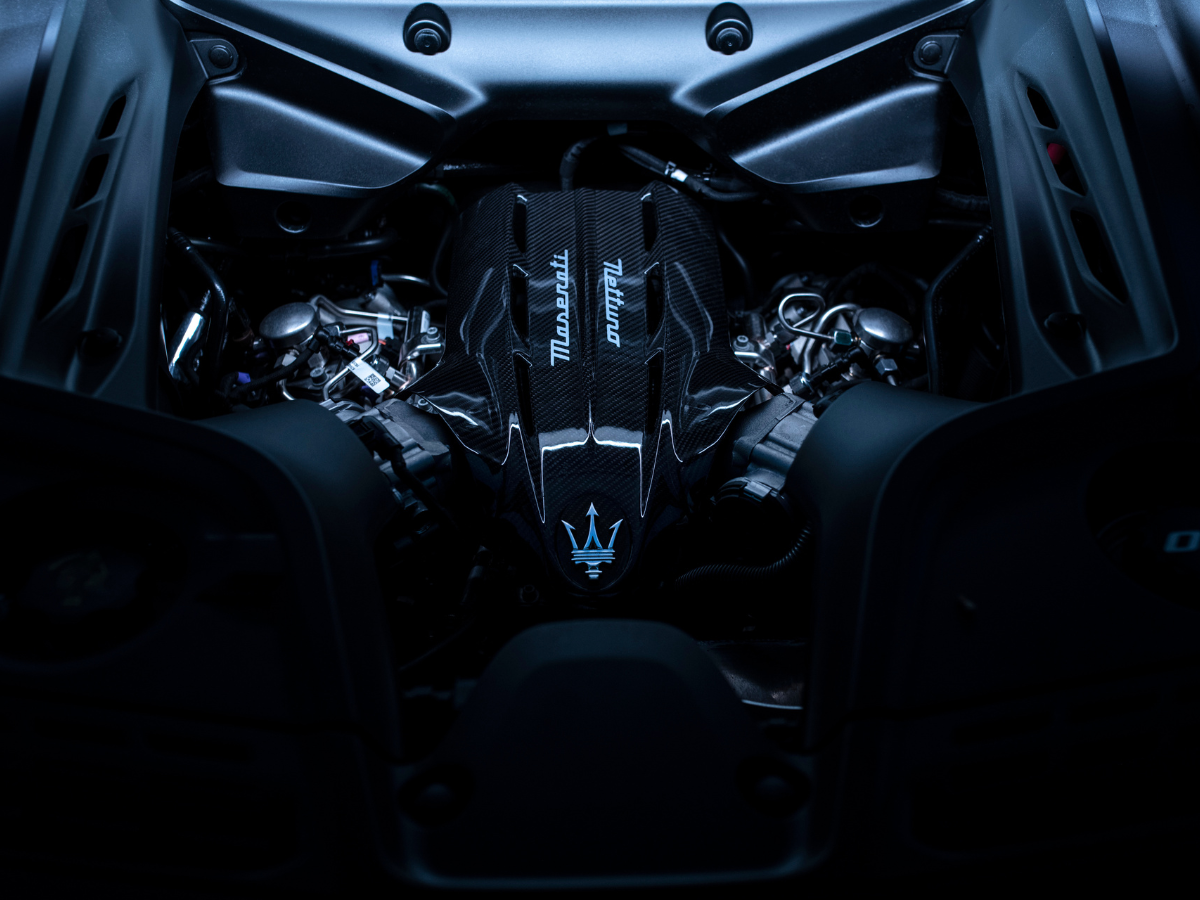
Power comes from a 3.0-liter twin-turbo V6 engine, producing 640 hp and 720 Nm of torque. Maserati claims a 0-100 km/h sprint of 2.8 seconds and a top speed exceeding 320 km/h. More importantly, the car was clearly engineered with circuit performance in mind, putting aside outright comfort.
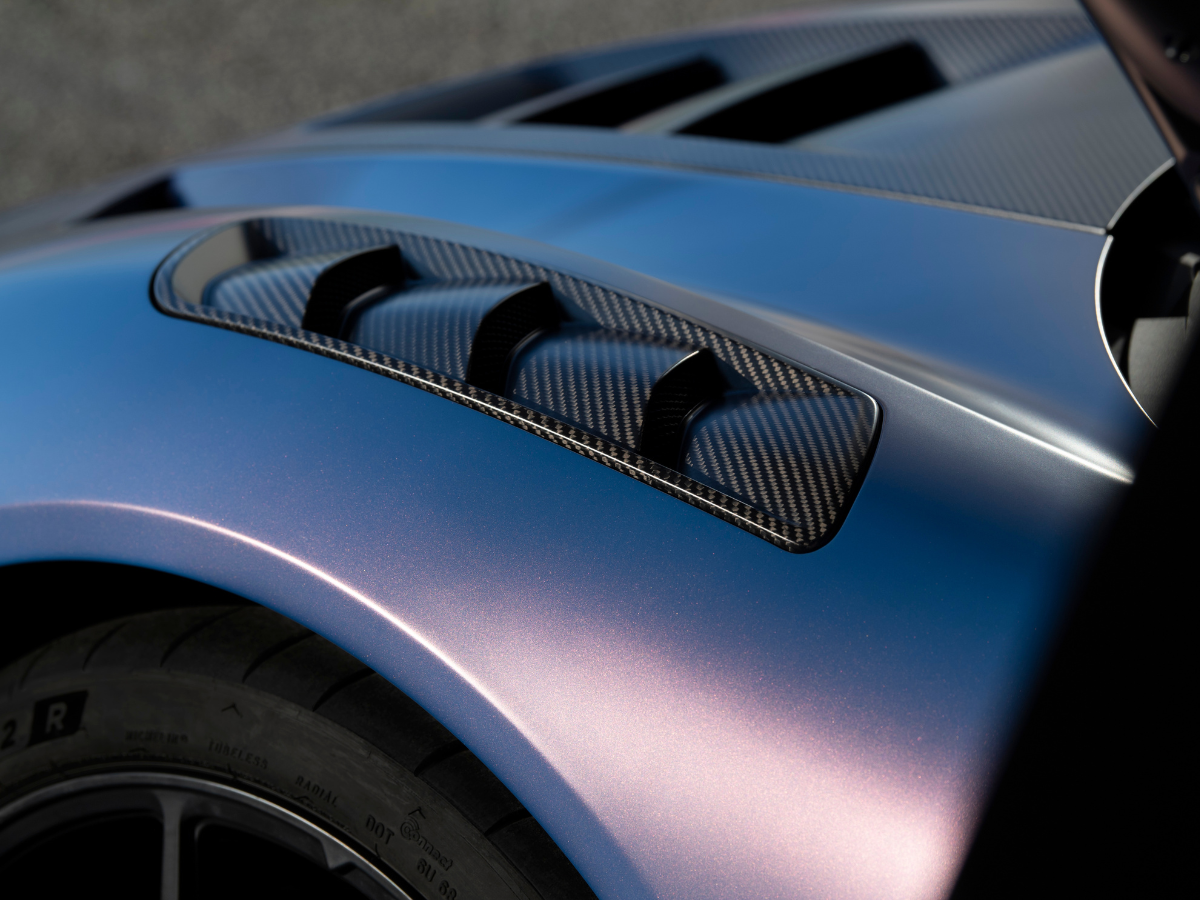
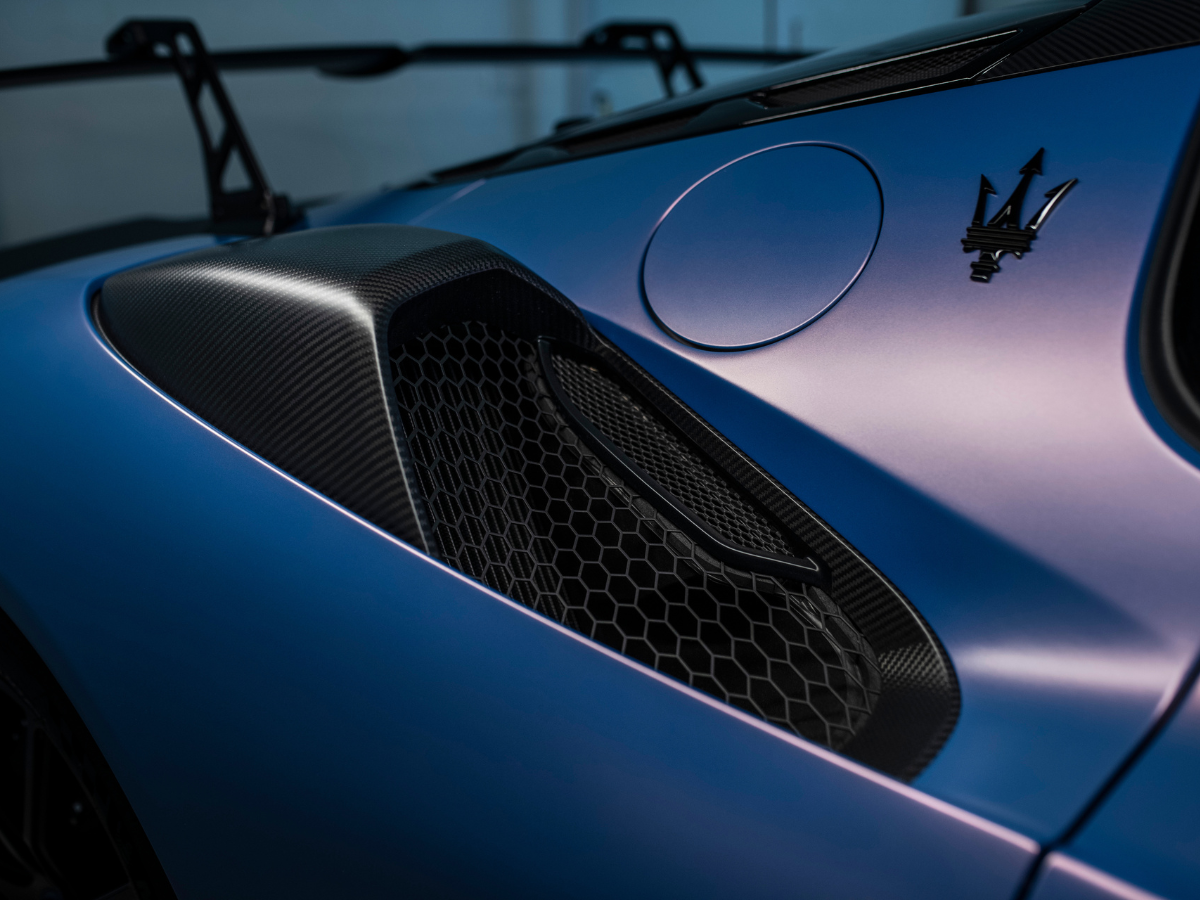
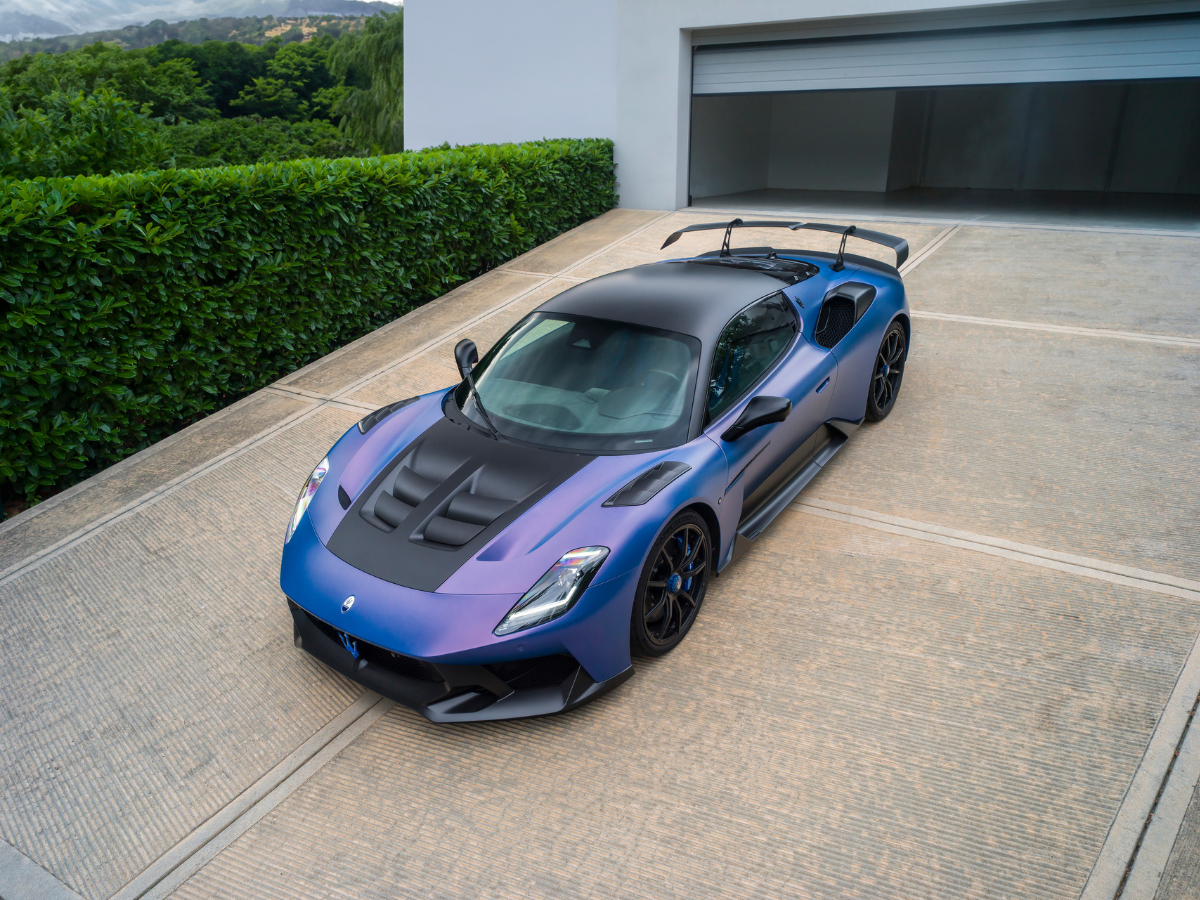
The bodywork alone tells the story. Massive aerodynamic revisions include a redesigned front splitter, larger side intakes, hood extraction vents, a revised underbody, rear diffuser, and an adjustable rear wing. Maserati says the GT2 Stradale can generate up to 500 kg of downforce at 280 km/h, a dramatic figure for a road-legal car.
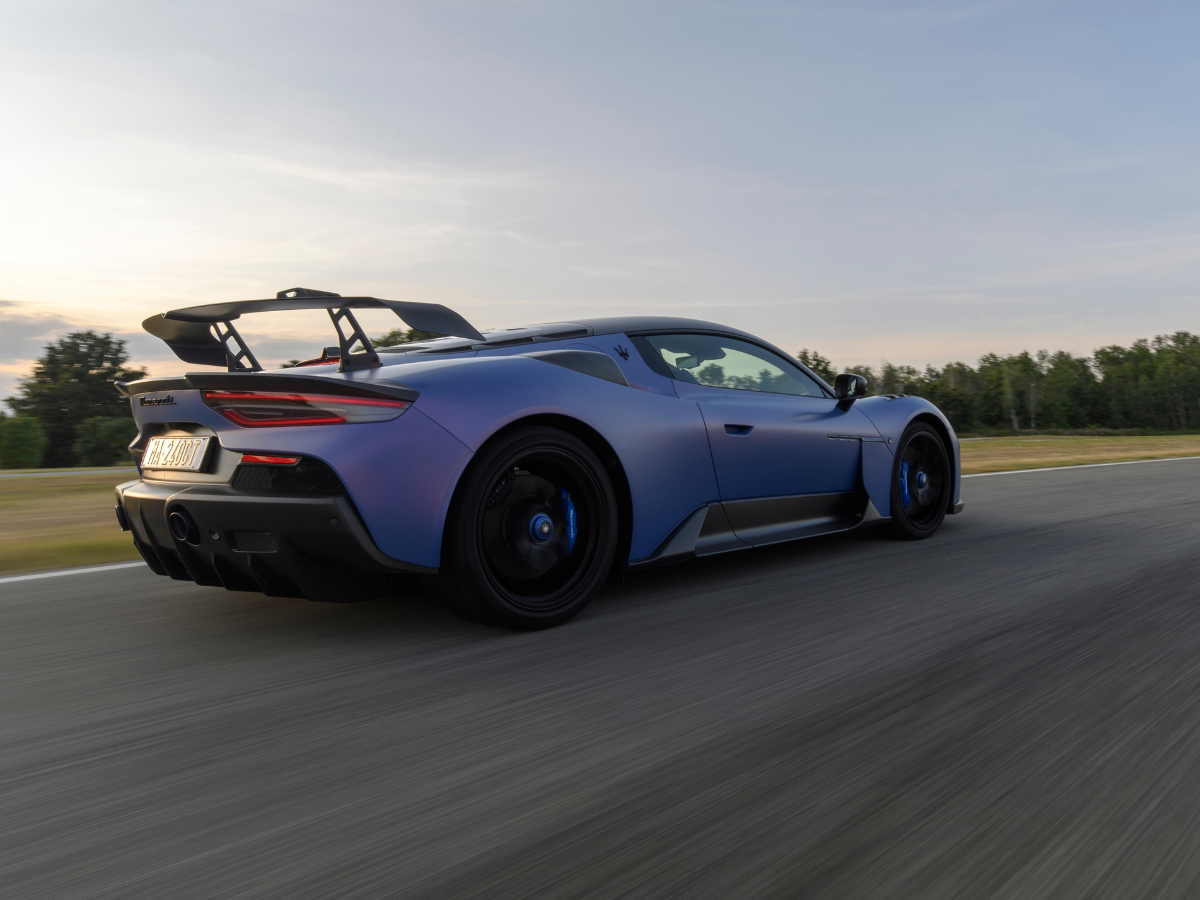
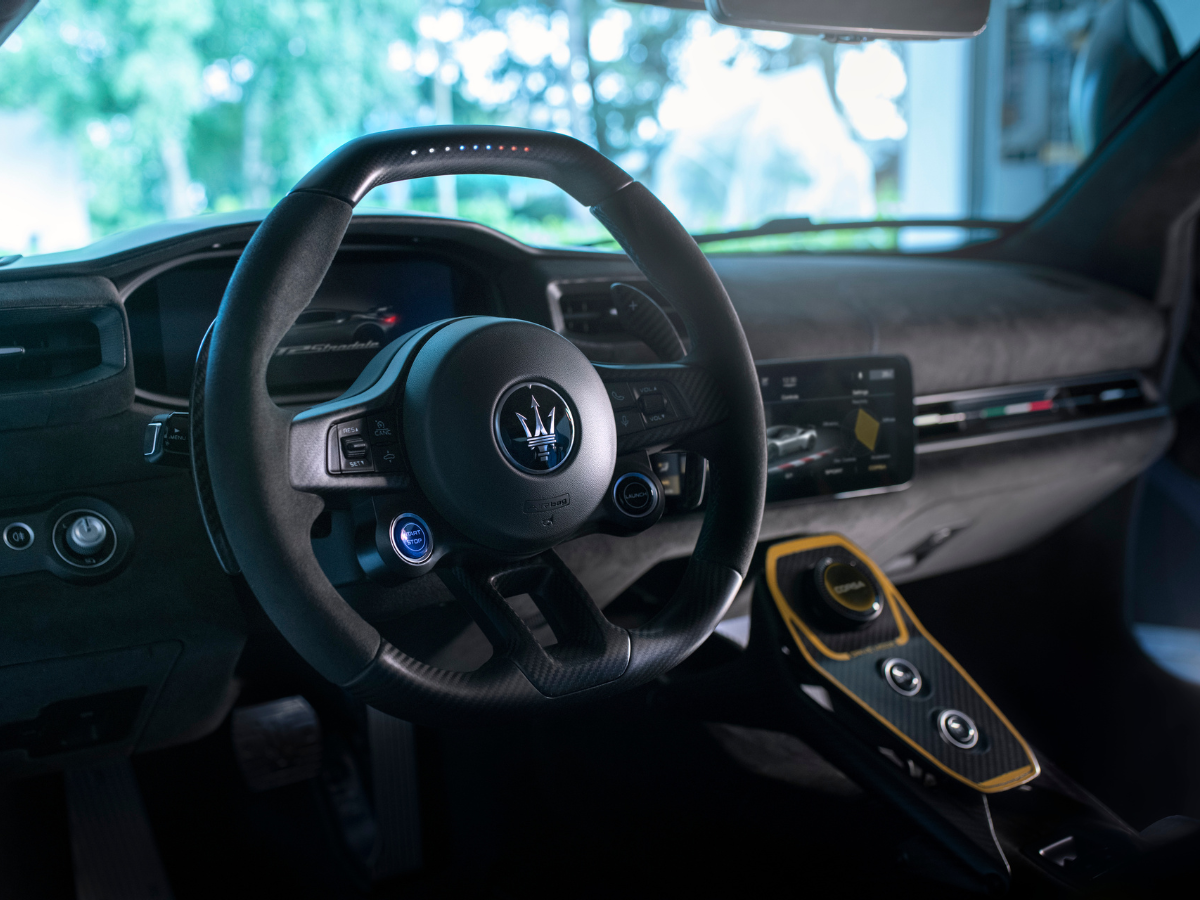
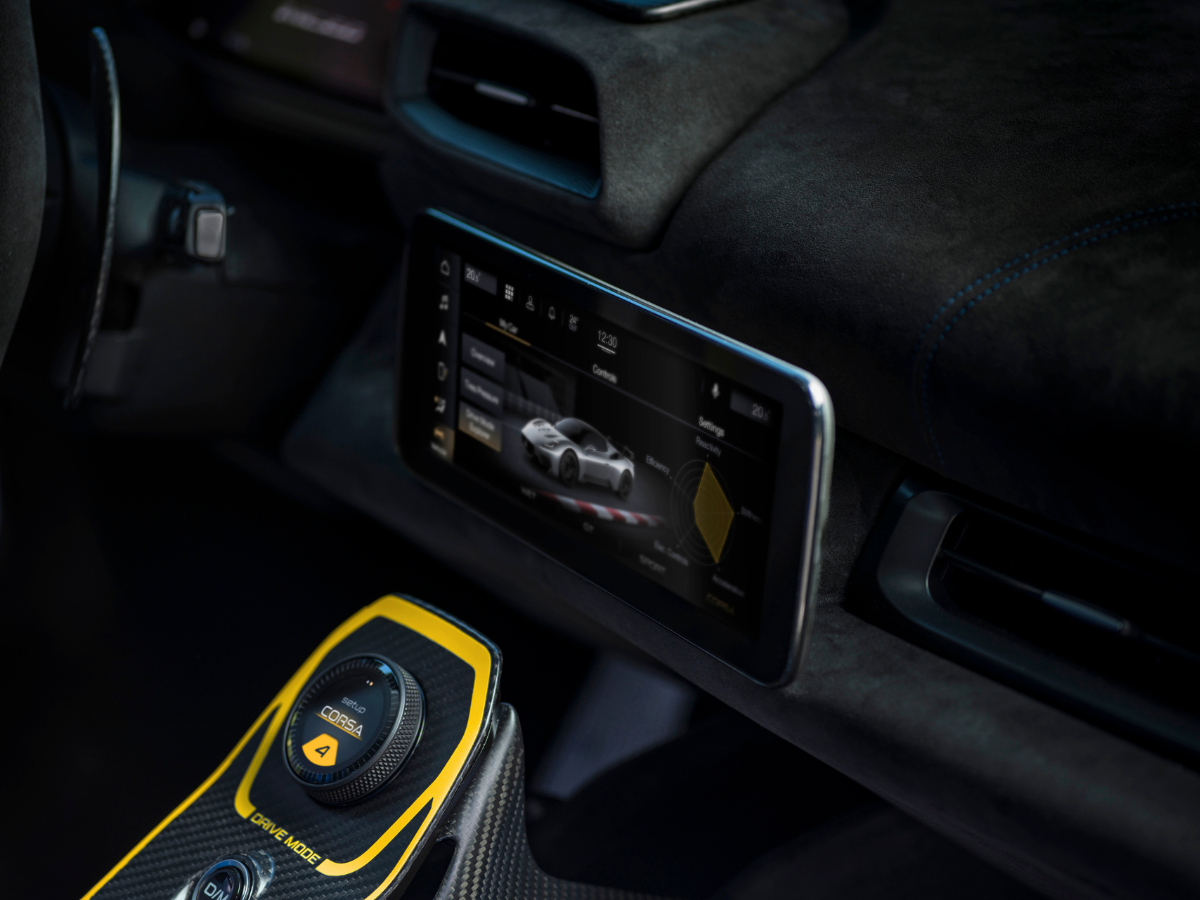
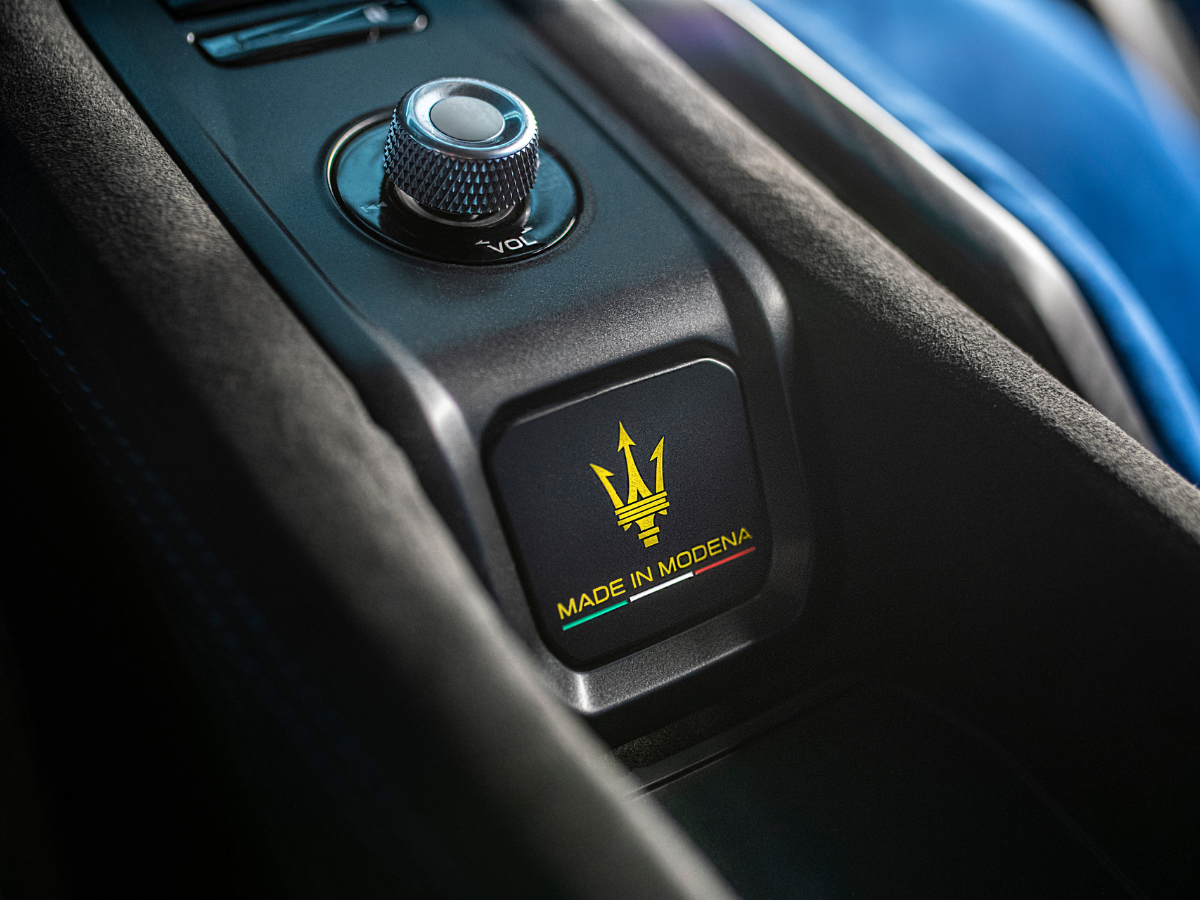
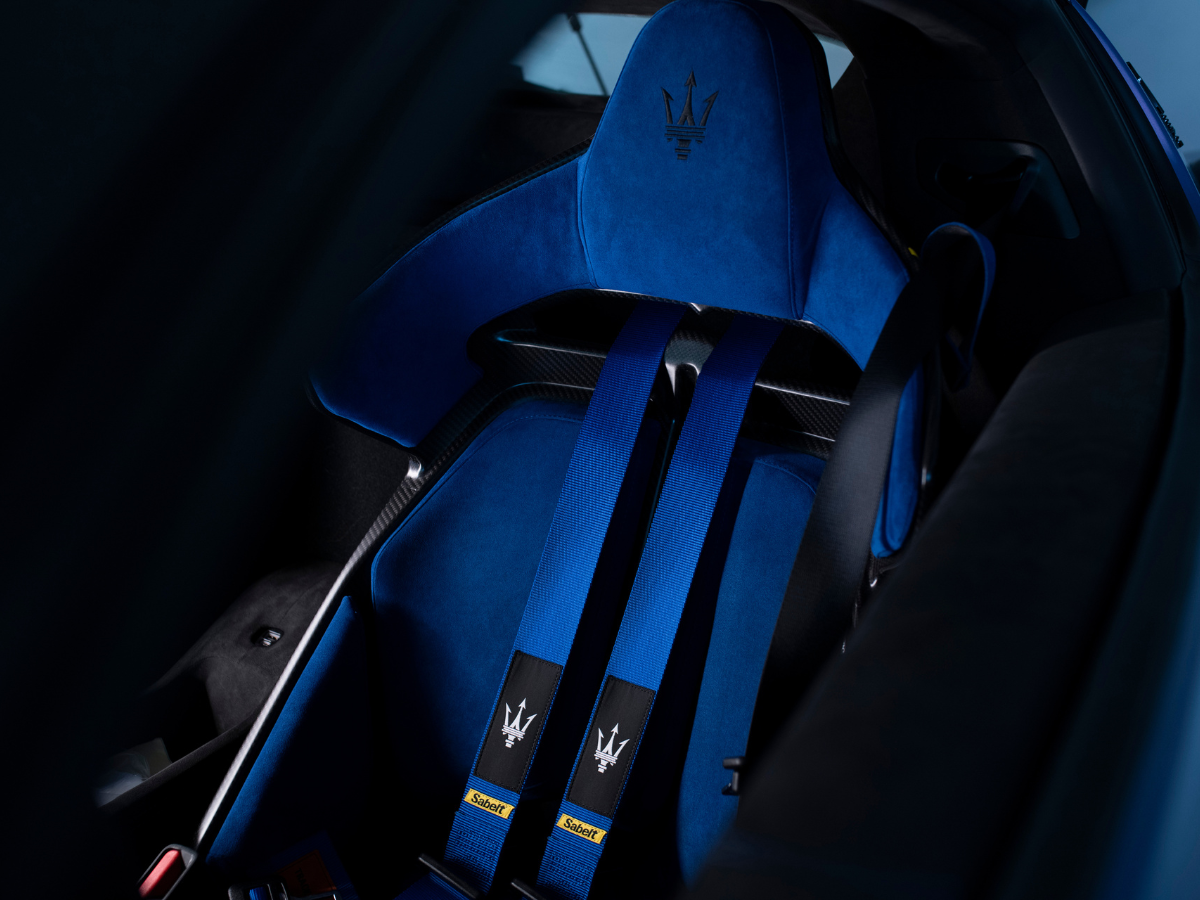
Weight reduction also became a major focus. The GT2 Stradale uses a carbon-fiber monocoque chassis along with lightweight materials throughout the cabin and body. Inside, the usual luxury-heavy Maserati atmosphere gives way to a more focused environment with Alcantara surfaces, carbon racing seats, and motorsport-inspired controls.
Interestingly, Maserati is also showing restraint when it comes to electrification. According to Leonardo Rimini, Maserati’s product planning manager for sports cars, the industry-wide push toward EVs, the company currently has no announced plans to electrify the GT2 Stradale.
Rimini stated that the car is purely combustion-powered for now, as Maserati is waiting for the right market conditions before making any decision about a future electric version. He added that electrifying the GT2 Stradale will have to be studied first, as the company has yet to determine what kind of electrified powertrain the car fits best — hybrid, plug-in hybrid, or full-electric.
That approach may actually suit this car perfectly. The GT2 Stradale is designed to be mechanical, emotional, and heavily connected to traditional performance driving. In an era shaped by software and silent propulsion, Maserati believes there is still room for a raw, turbocharged supercar that puts old-school motorsport character ahead of electrified trends.
With only 914 units planned worldwide, the GT2 Stradale may also become one of the brand’s most significant modern halo cars. However, the “914” there is not just a random number, as it carries a heritage of its own — that being a nod to the year 1914, which was the year Maserati was established.
Autocar’s Take
Maserati’s decision to keep the Maserati GT2 Stradale free from electrification, at least for now, may actually strengthen its appeal among enthusiasts. The GT2 Stradale already leans heavily into motorsport emotion, lightweight engineering, and traditional combustion performance, so adding hybrid or EV systems too early could dilute the character Maserati is trying to preserve.
Further developing the car and waiting for genuine market demand instead of rushing into electrification is an unconventional thinking in today’s industry climate. For buyers seeking a raw, track-focused Italian supercar, the absence of electrification could become one of the GT2 Stradale’s biggest selling points.