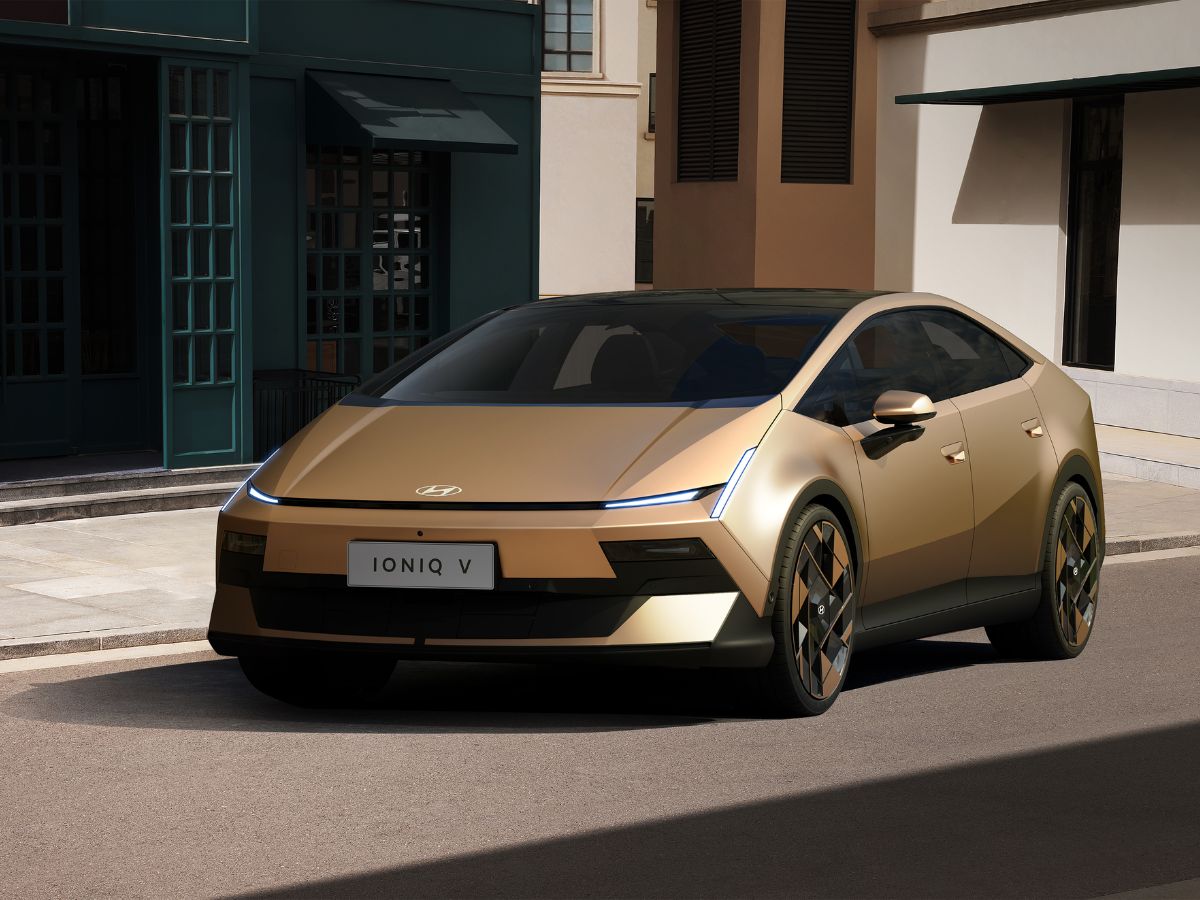
Hyundai is taking another decisive step in its electric vehicle (EV) push, but this time the spotlight is firmly on the Chinese market. The company recently launched the Ioniq V in China, marking a shift in how the Korean automaker plans to compete in the world’s largest and most competitive EV market.
The Hyundai Ioniq V follows the brand’s “In China, for China, to Global” approach, meaning that the car is designed around the Chinese market’s local tastes, technology expectations, and pricing realities before anything else. From its sleek fastback silhouette to its tech-heavy cabin, everything about the Ioniq V reflects what Chinese consumers demand in an electric sedan.
While initial details point to a promising range and technology, Hyundai has yet to disclose the model’s full technical specifications. However, industry experts reported that it could deliver over 600 km of driving range, a massive 27-inch 4K head unit with advanced infotainment software, and support for advanced driver-assistance systems (ADAS), among others. Hyundai is also leaning heavily on local partnerships, particularly in areas such as connectivity, ADAS, and battery supply, to ensure the car remains relevant in a fast-moving market.
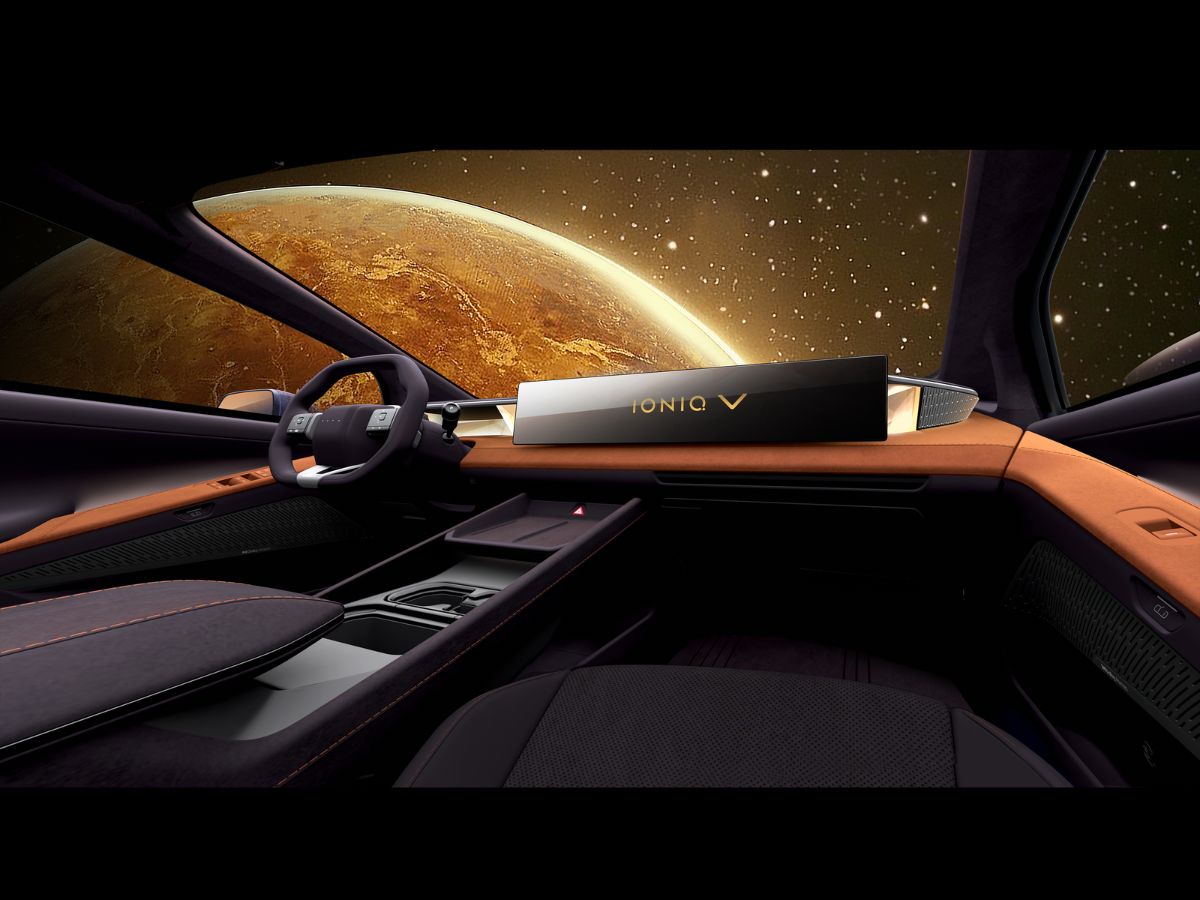
But while China is the immediate focus, the bigger story lies in what could come next for the Ioniq V. Reports suggest that Hyundai is open to bringing the model to other regions if it performs well in China. That includes potential expansion into emerging EV territories where demand is steadily building.
This opens an interesting possibility for markets like the Philippines. As local EV reception continues to grow, a model like the Ioniq V could find a niche, especially among buyers looking for something more distinctive than the usual crossover-heavy offerings. With its 4,900 mm length and 1,890 mm width, and a wheelbase that stretches to 2,900 mm, it feels right at home on Philippine roads. Its design and features could also appeal to urban drivers who want a premium electric sedan without stepping into luxury brand territory.
For now, the Ioniq V stands as both a product and a test case. Its success in China will likely determine how far Hyundai is willing to take this strategy beyond its initial target market.
Autocar’s Take
Hyundai’s approach with the Ioniq V is more than just another expansion move. Today, China has become the proving ground for EV innovation, and building a model specifically for that market shows Hyundai’s understanding of where the real competition is. What makes this interesting is the potential ripple effect.
If the Hyundai Ioniq V succeeds there, it could reshape how the brand develops future global models. For markets like the Philippines, that could mean access to more refined, tech-forward EVs sooner than expected. It’s not just about one car. It’s about whether this strategy can deliver results where it matters most.