Lexus Philippines is expanding support for its growing base of electric vehicle (EV) owners by strengthening its charging and dealer network. The move aims to make premium electric mobility more accessible and practical across key locations in the country.
The initiative centers on improving visibility of available charging points while reinforcing after-sales support. This strategy allows customers to plan trips more efficiently and integrate EV charging into their daily routines with less uncertainty.
In more detail, EV owners can access charging at the Lexus Manila Gallery in Bonifacio Global City (BGC) and at select Toyota dealerships equipped with battery-electric vehicle (BEV) charging units. Additional partner locations include Baguio Country Club and Acuatico Beach Resort in Batangas, extending the network beyond traditional urban hubs and into leisure destinations.
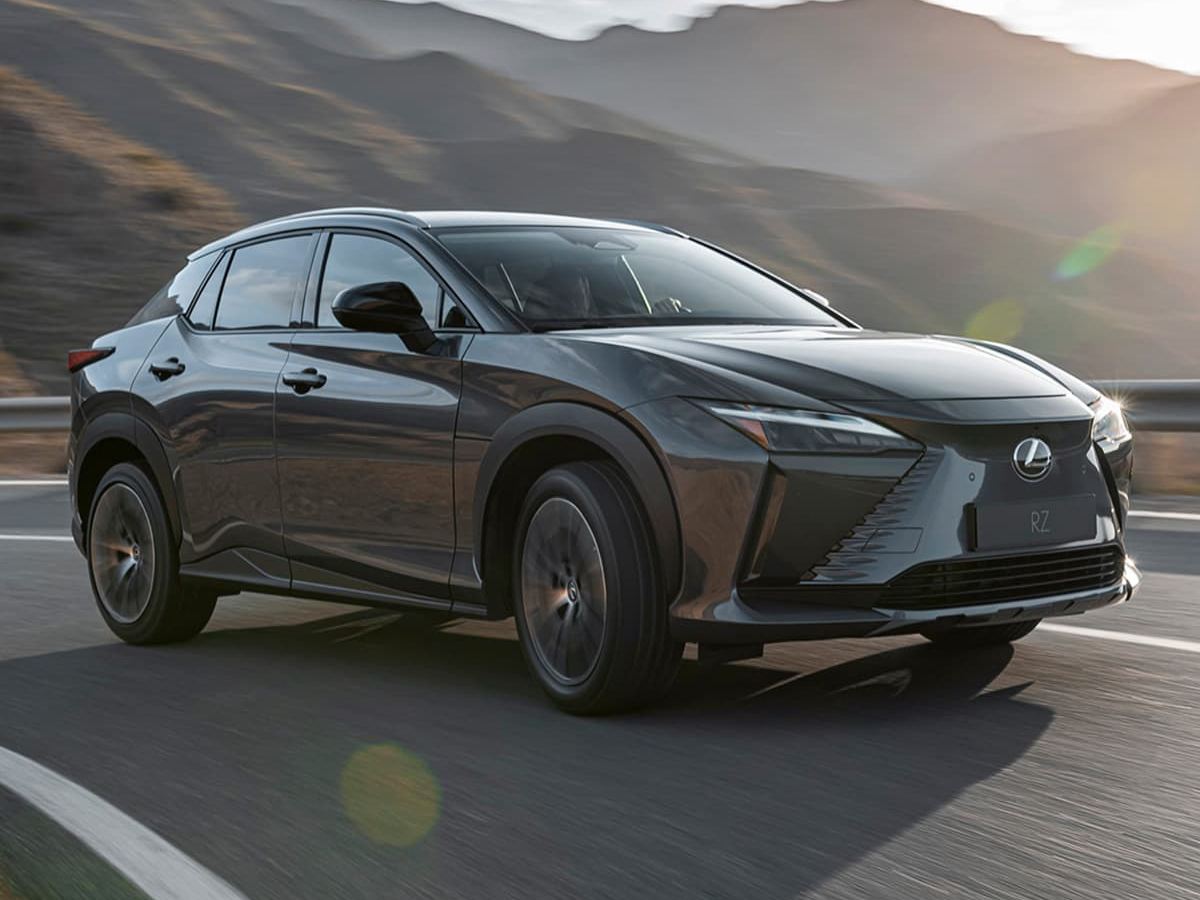
Participating Toyota dealers include North EDSA, Manila Bay, Global City, Santa Rosa, Makati, San Fernando, Mabolo, Mandaue South, Pasig, Alabang, Commonwealth, Quezon Avenue, La Union, and Batangas. These locations collectively provide a more consistent support system for Lexus EV customers, addressing two of the most pressing concerns in Philippine EV mobility: range anxiety and access to reliable charging infrastructure.
The move aligns with the Japanese brand’s push to make EV ownership easier to understand and navigate. By clearly mapping out its charging footprint, Lexus enables drivers to optimize routes, minimize detours, and make more informed travel decisions.
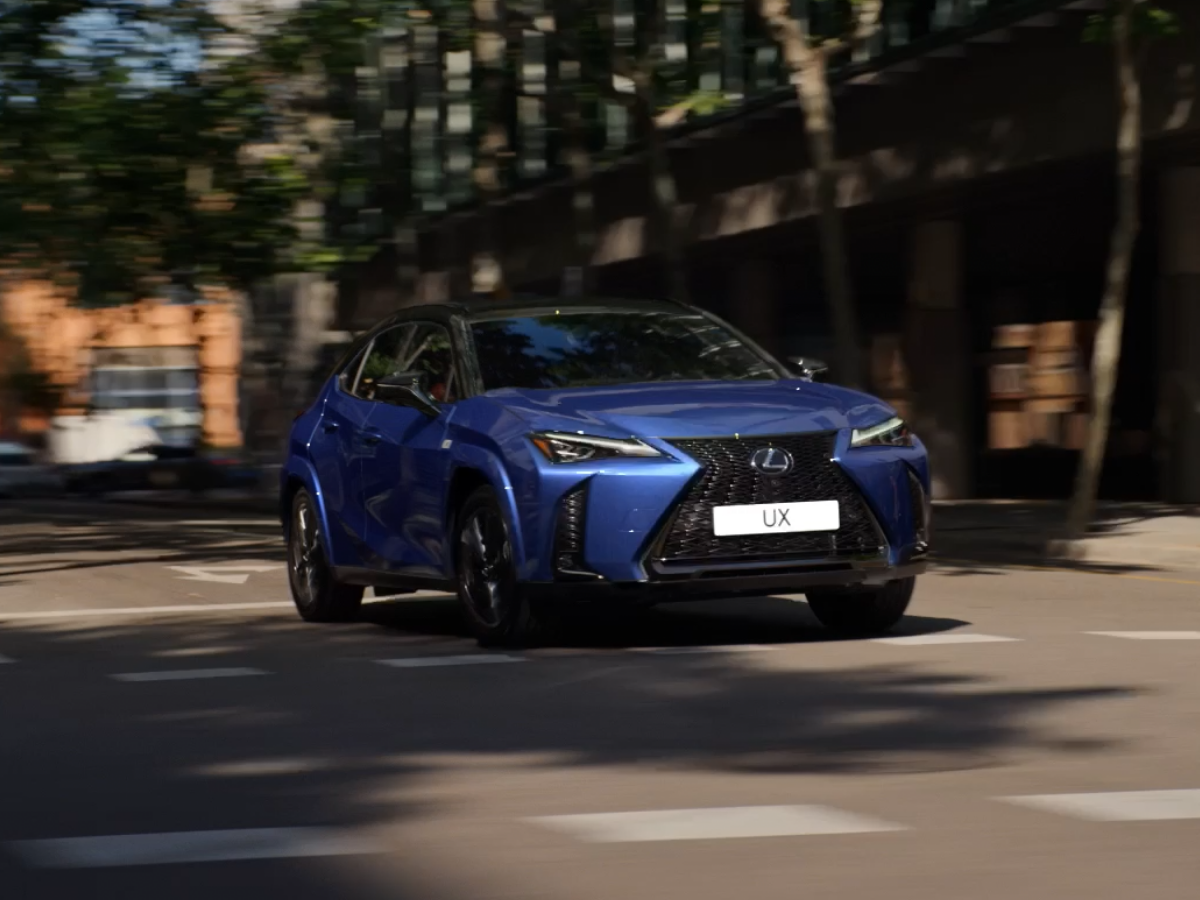
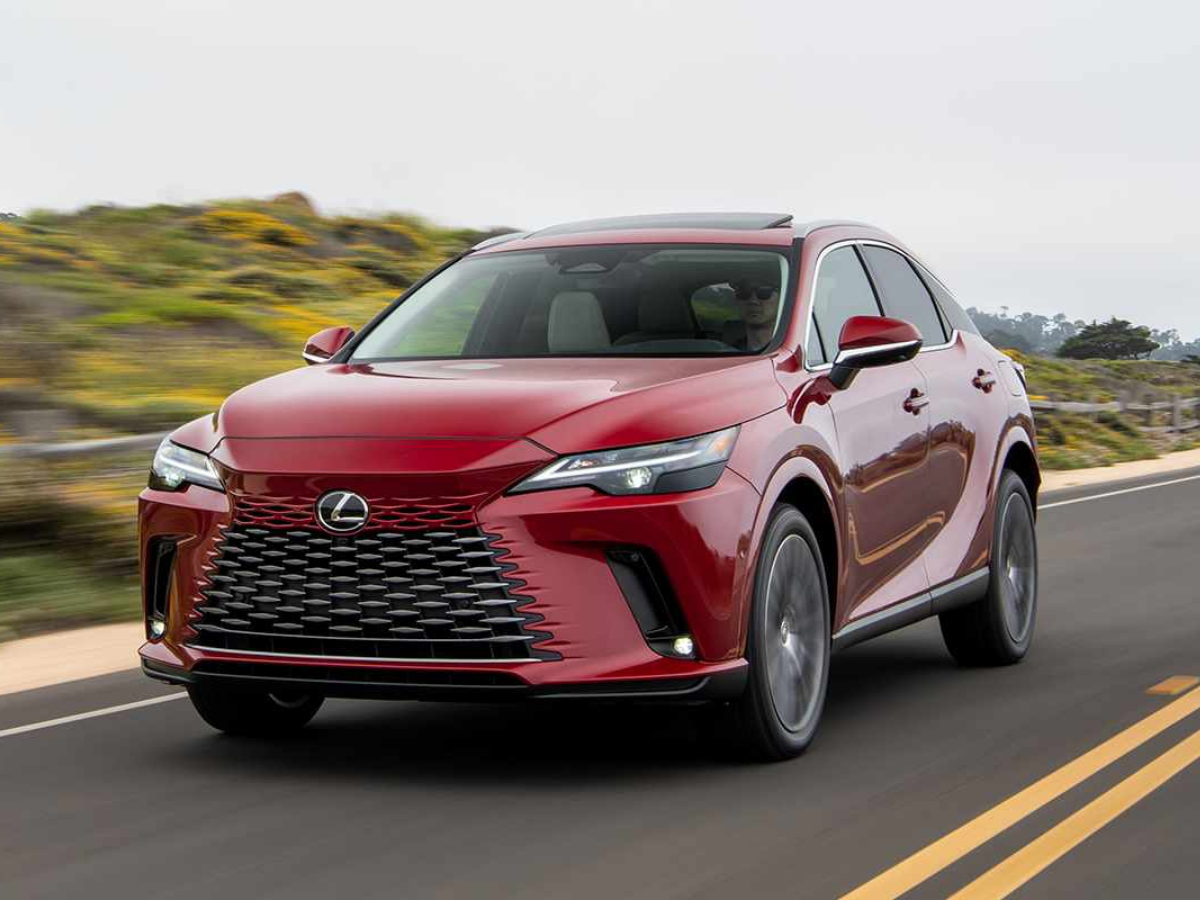
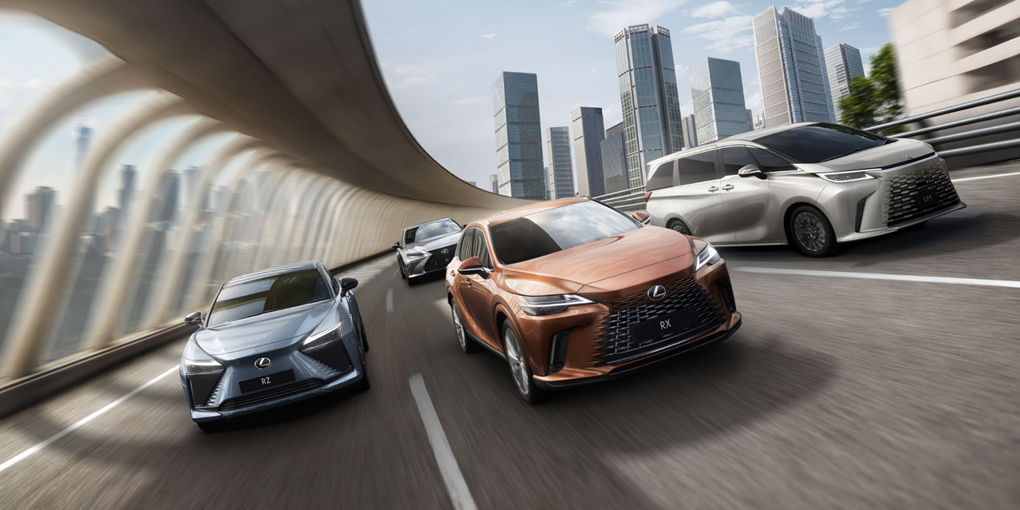
Under its electrification direction, Lexus continues to offer vehicles that blend luxury with low-emission performance. In the Philippines, this includes the all-electric UX 300e and RZ, as well as hybrid offerings such as the LBXh, NX 350h, RX 350h, RX 500h, and LM 350h. Together, these models provide customers with multiple pathways into electrified driving.
Lastly, this expansion also signals closer collaboration between Toyota Motor Philippines (TMP), Lexus Philippines, and both brands’ dealer networks, ensuring that technical expertise and customer assistance are readily available alongside charging access.
Autocar’s Take
Lexus Philippines is taking a measured and meaningful step toward making EV ownership less intimidating in the local setting. Instead of focusing purely on products, the brand is addressing the ecosystem: charging access, dealer readiness, and customer confidence. These matters in a market where infrastructure remains uneven.
Moreover, Lexus creates a more tangible experience rather than a theoretical one. It may not be the largest network yet, but it is practical. The key to the success of this move is consistency, both in the project’s sustainability and nationwide expansion.
Although it covers small parts of the Visayas, the project is most visible in Metro Manila and Luzon. It does include services from Toyota’s dealerships with EV charging facilities. Given Toyota’s wider dealer coverage than Lexus, the project has the potential to expand further into the Visayas, all the way to Mindanao. This can happen, not immediately, but all in due time.