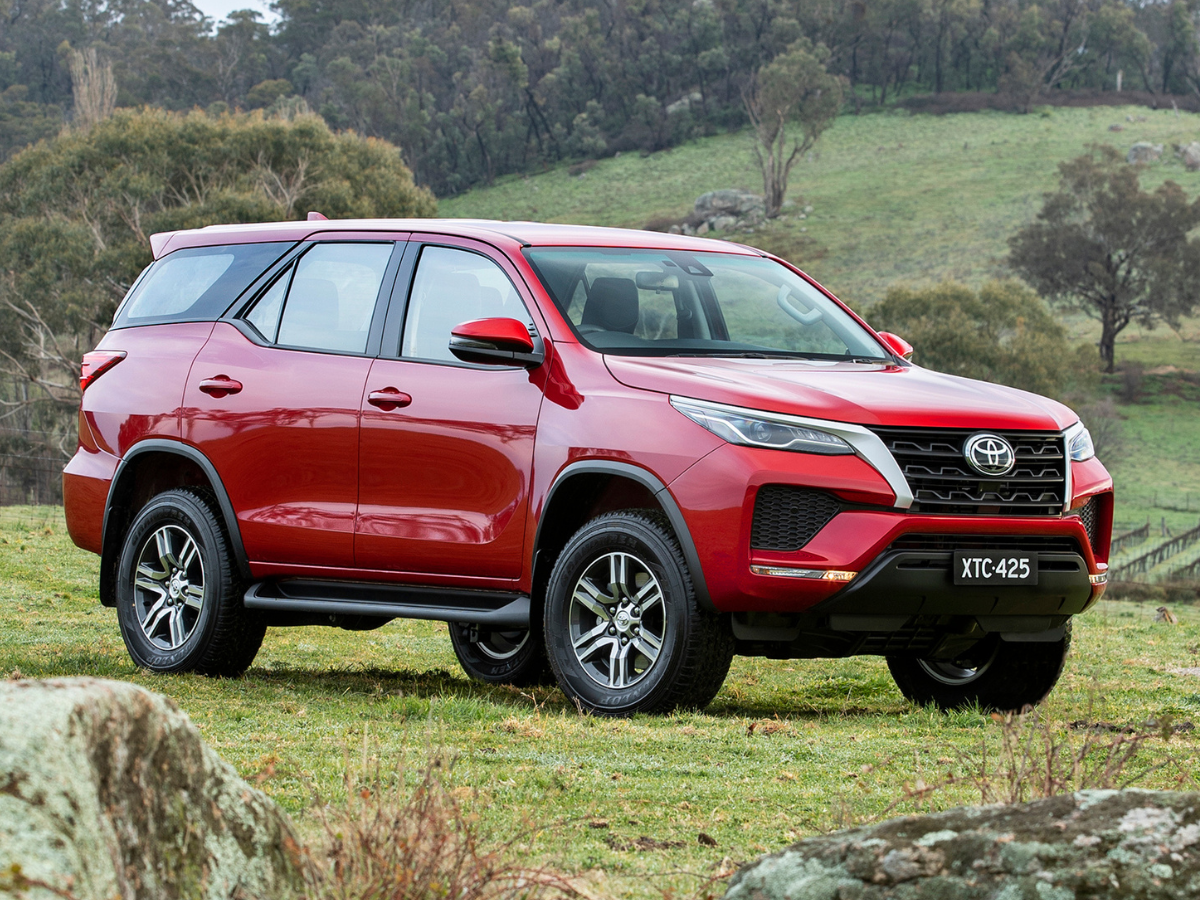


The second-generation Toyota Fortuner has long been one of the most recognizable SUVs on the road, prized for its combination of robust capability and dependable practicality. After nearly ten years on the market with only minor incremental updates, it seems that the model is now clearly headed for a full generational change.
Recently, a series of spy photos believed to show a camouflaged next-generation 2026 Toyota Fortuner being tested have surfaced in Thailand, offering a first real look at what is shaping up to be a major comprehensive overhaul. The earliest of these images was shared by Car250, a Thailand-based automotive media outlet.
The test mule reveals some distinct design cues that suggest Toyota is moving beyond a simple facelift. Its front end appears to have a split headlamp layout with slim LED daytime running lights positioned high on the fascia, while the headlights are mounted on the lower part of the bumper, a design treatment already seen on the recently launched Toyota Hilux. The overall stance looks more upright and squared off, with a flatter hood and a wider nose that give it a noticeably different presence compared to the current-generation model.

The rear profile continues the theme of sharper, more modern lines. While the finer details are still concealed, the silhouette hints at slimmer taillights and possibly a wraparound design that could be tied together with an LED light bar, a styling element favored by many car designers today for its contemporary look.
Car250 did not post anything with regard to the interior. However, the Fortuner is known to share many of its components with the Hilux. Going by this, the next-generation Fortuner will most likely see significant upgrades in technology and safety features, now seen in the ninth-generation Hilux. These include the brand’s latest advanced driver-assistance system (ADAS), digital instrumentation, and a larger infotainment system.
Beneath the shell, the next-generation Fortuner is expected to continue on an updated version of Toyota’s IMV ladder-frame platform, the same architecture underpinning the Hilux. This technical approach will help support a mix of gasoline and diesel engines, mild-hybrid systems, and possibly electrified variants in select markets.
With Global introduction predicted to commence sometime in mid-2026 and launches in key markets to follow later in the year or early 2027, Toyota’s next Fortuner could set a new benchmark for the mainstream midsize SUV segment.
Autocar’s Take
Early sightings of the next-generation Fortuner signal that Toyota is finally ready to move one of its most important SUVs into a new era. The design direction appears to be more modern and technology-focused, yet still respectful to the rugged character buyers have come to love about the nameplate.
Testing in Thailand is hardly surprising, given the region’s role in the model’s development and production. For markets like the Philippines, where the Fortuner remains a status symbol and family workhorse, the real question is pricing and electrification. If it arrives locally, and Toyota Motor Philippines (TMP) positions it well, demand will likely remain strong despite the technological advancements and growing competition.