

When Honda launched the latest version of the HR-V, it was clear the brand wasn’t trying to reinvent the wheel. The popular subcompact crossover has always been about balancing practicality with everyday ease of use – with a healthy dose of fun for turbo variants – and on the surface, little has changed. But spend a whole week with the HR-V’s first-ever hybrid version and you start to appreciate how Honda has fine-tuned the formula for efficiency while leaving some areas that could still use polish.
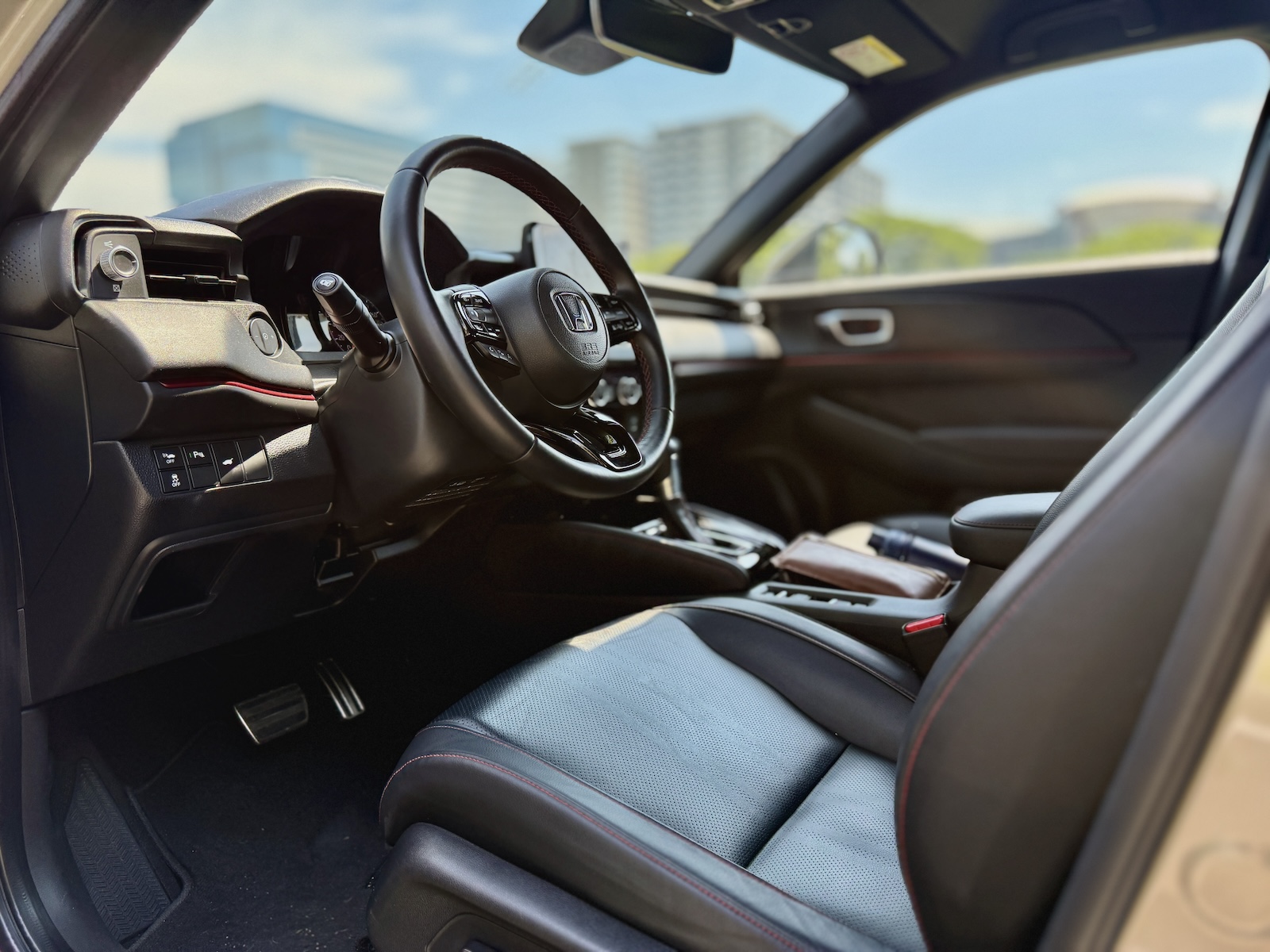
The HR-V e:HEV remains a car that feels immediately familiar. Within minutes of stepping inside, everything falls naturally to hand – the seating position, the visibility, the intuitive placement of controls. It’s very much a Honda in this sense: you don’t need to “learn” the car, it just feels right.
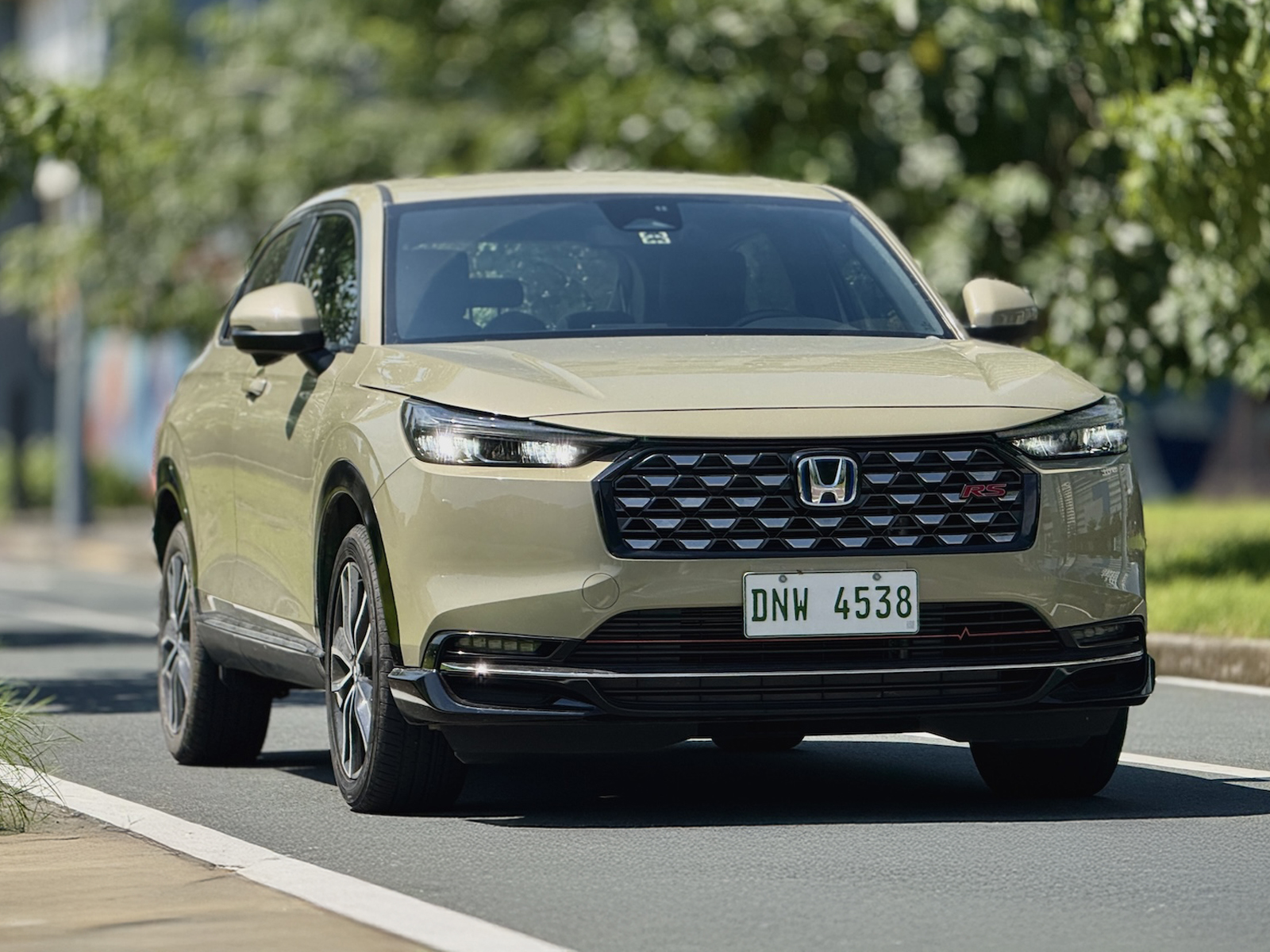
And that trait extends to the way it drives. Whether you’re threading through city traffic or stretching its legs out of town, the HR-V has a robustness that inspires confidence. Yet, the hybrid powertrain changes how it all comes together, and that’s where the week-long test provided more nuance.
The Hybrid Difference
Honda’s hybrid systems are not new to me. In fact, the Civic e:HEV left a strong impression due to its punchy and seamless feel in daily use. The HR-V e:HEV, however, takes things differently. Instead of emphasizing quick bursts of speed, Honda tuned the system to prioritize efficiency above all.
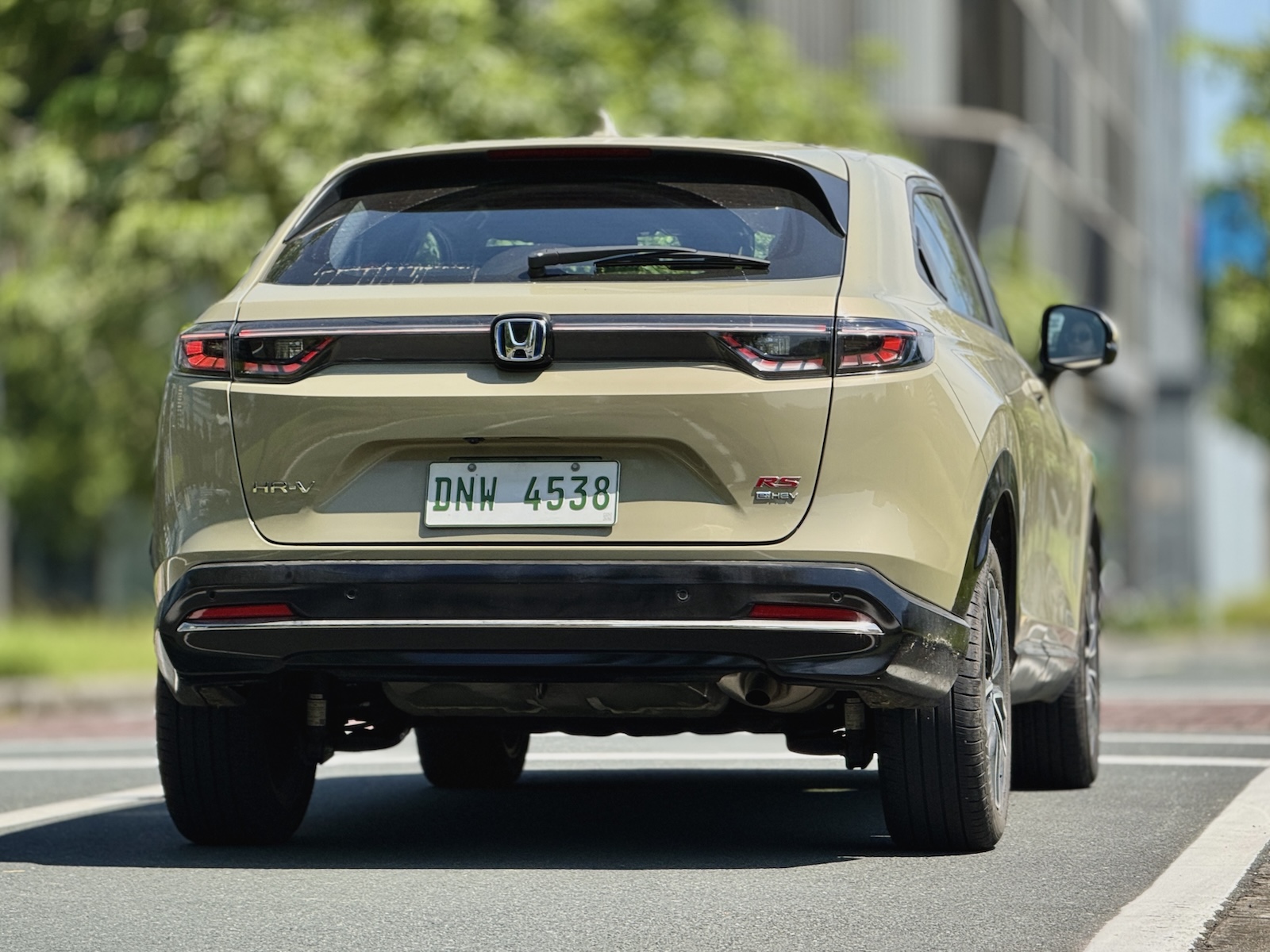
Blame it on the smaller 1.5-liter Atkinson cycle engine, or perhaps the ECU programming, but fun took a backseat inside the HR-V hybrid, like a young adult who reached their 30s – doesn’t care much for nightclubs and all-nighters, but still game for an occasional get-together. That means power delivery is adequate rather than exciting. There’s enough pull to get you up to speed smoothly, but if you’re expecting a jolt when pressing the accelerator, you won’t find it here. The HR-V instead leans heavily on pure EV mode, especially in lower-speed urban conditions. Around town, it often glides silently, which is both relaxing and a significant contributor to its frugal fuel consumption.
Across the week, I drove it in every scenario possible – commuting in heavy traffic, highway stints, and even some spirited runs on winding roads. At the end of it all, the numbers spoke for themselves: 16.9 km/L. For a crossover of this size and versatility, that’s impressive. It proves that the hybrid system’s bias toward EV driving pays dividends where it matters most – in real-world consumption.
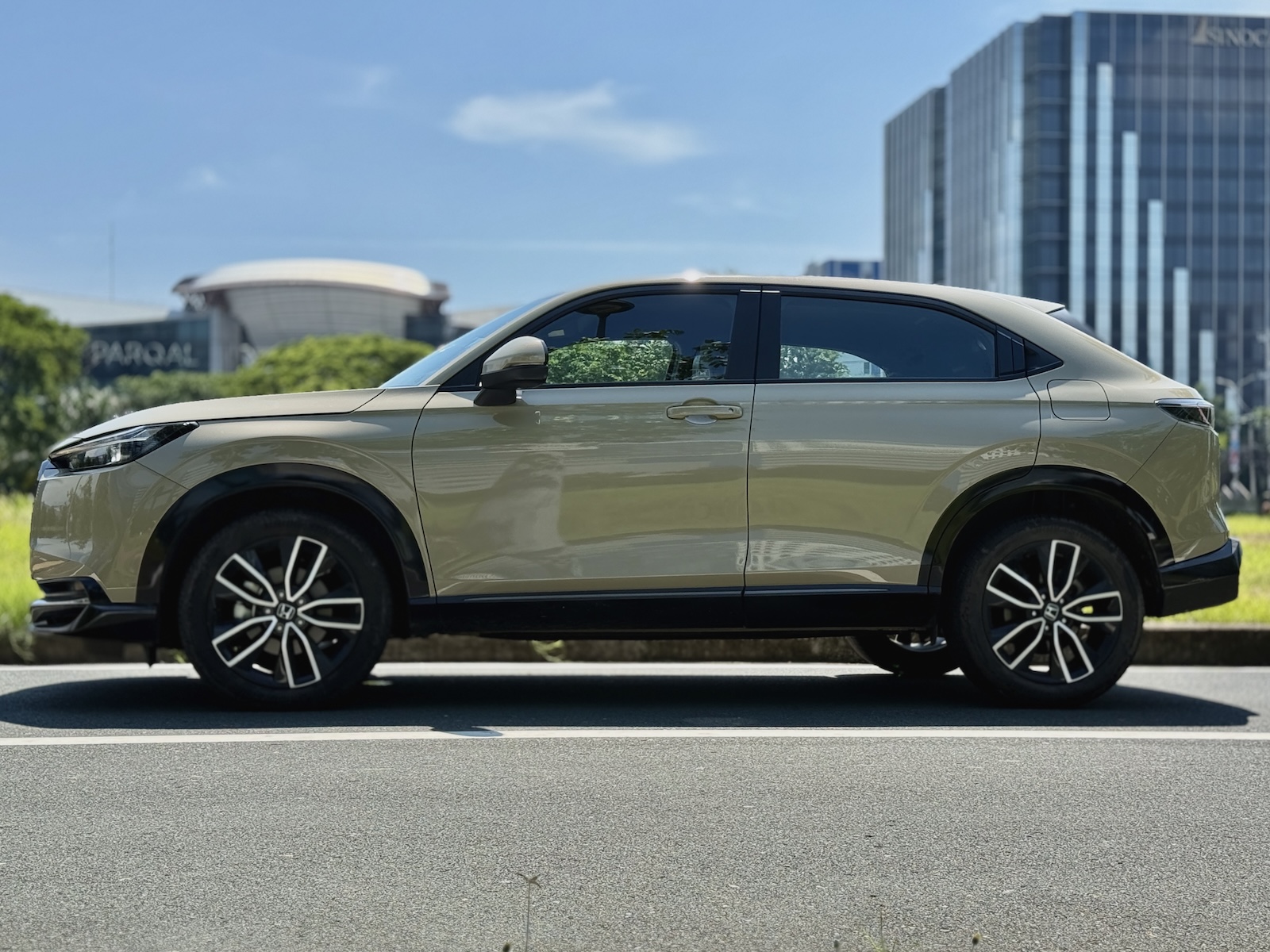
But there are trade-offs. While Honda has done a commendable job with smooth transitions, they’re not entirely invisible. Pay close attention, and you’ll notice moments when the car transitions from EV to hybrid mode. Sometimes it’s a faint hum, other times it’s a steady droning noise as the system works to recharge. It doesn’t ruin the experience, mind you, but it does a good job of reminding you that you’re driving a hybrid, rather than making the technology disappear in the background.
At higher speeds, another quirk appears. Push the HR-V e:HEV hard on the highway, and the engine revs rise more than feels natural for the accelerator input. There’s a mismatch between what your foot is telling the car and what the engine sounds like it’s doing. The result isn’t unbearable, but it could benefit from better calibration so the relationship between throttle and noise feels more direct.
Ride and Handling: Close, But Not Perfect
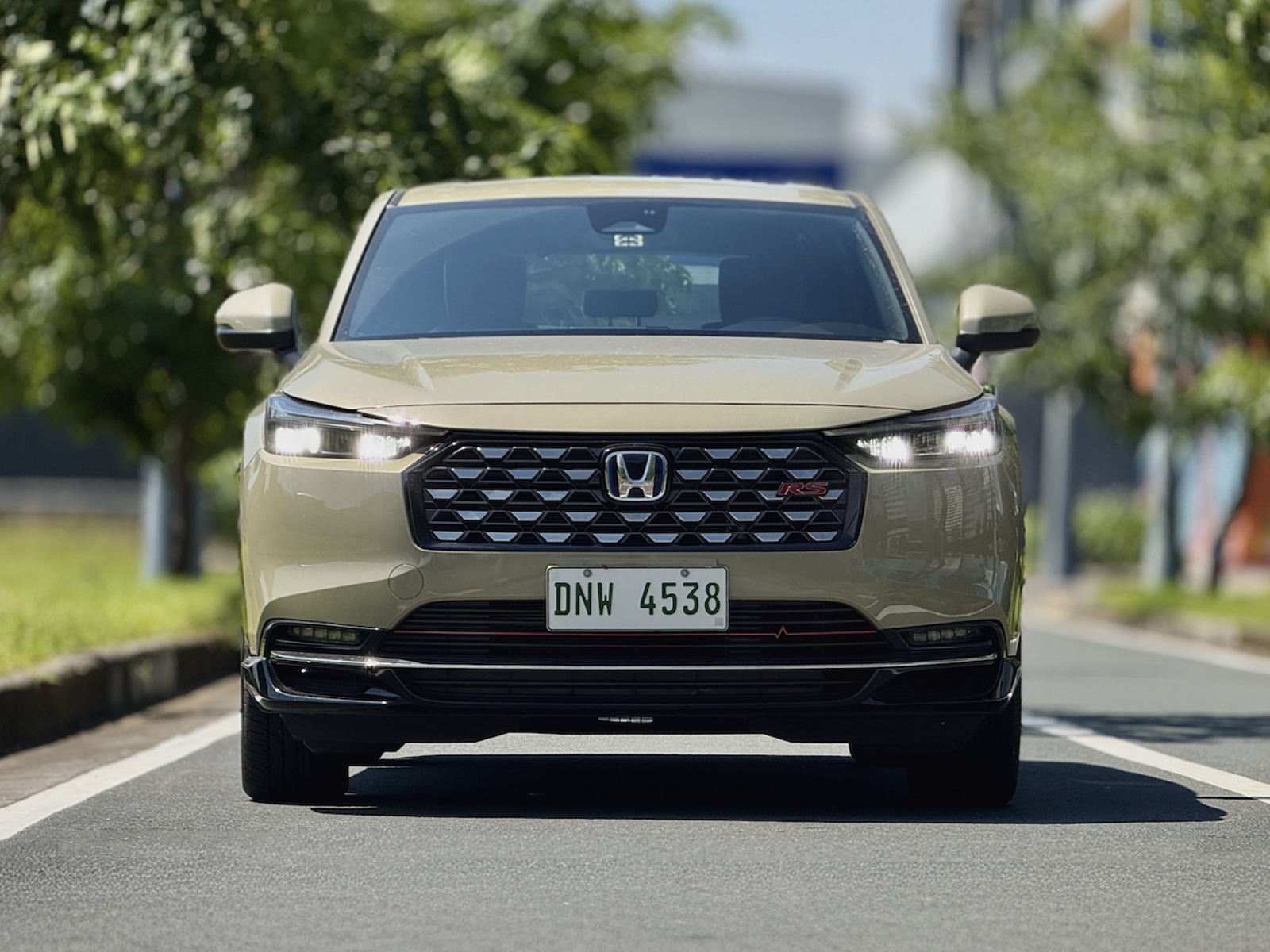
If efficiency is the HR-V hybrid’s calling card, handling is where the HR-V shows its best side. Honda has a knack for making even practical cars feel engaging, and the HR-V follows suit. Steering is light but precise, body control is generally tidy, and the chassis inspires confidence.
On winding backroads, the HR-V is more fun than you’d expect from a compact crossover. But a week of driving also exposed some inconsistencies in the ride. The suspension tuning sits in an awkward middle ground. Over inevitable bumps and uneven surfaces, the damping feels a little too soft, allowing just enough float to make you wish for more control.
Then, on other occasions, the suspension veers toward the firm side, transmitting more of the road than feels necessary. It’s not uncomfortable overall, but it’s not as settled or consistent as it could be.
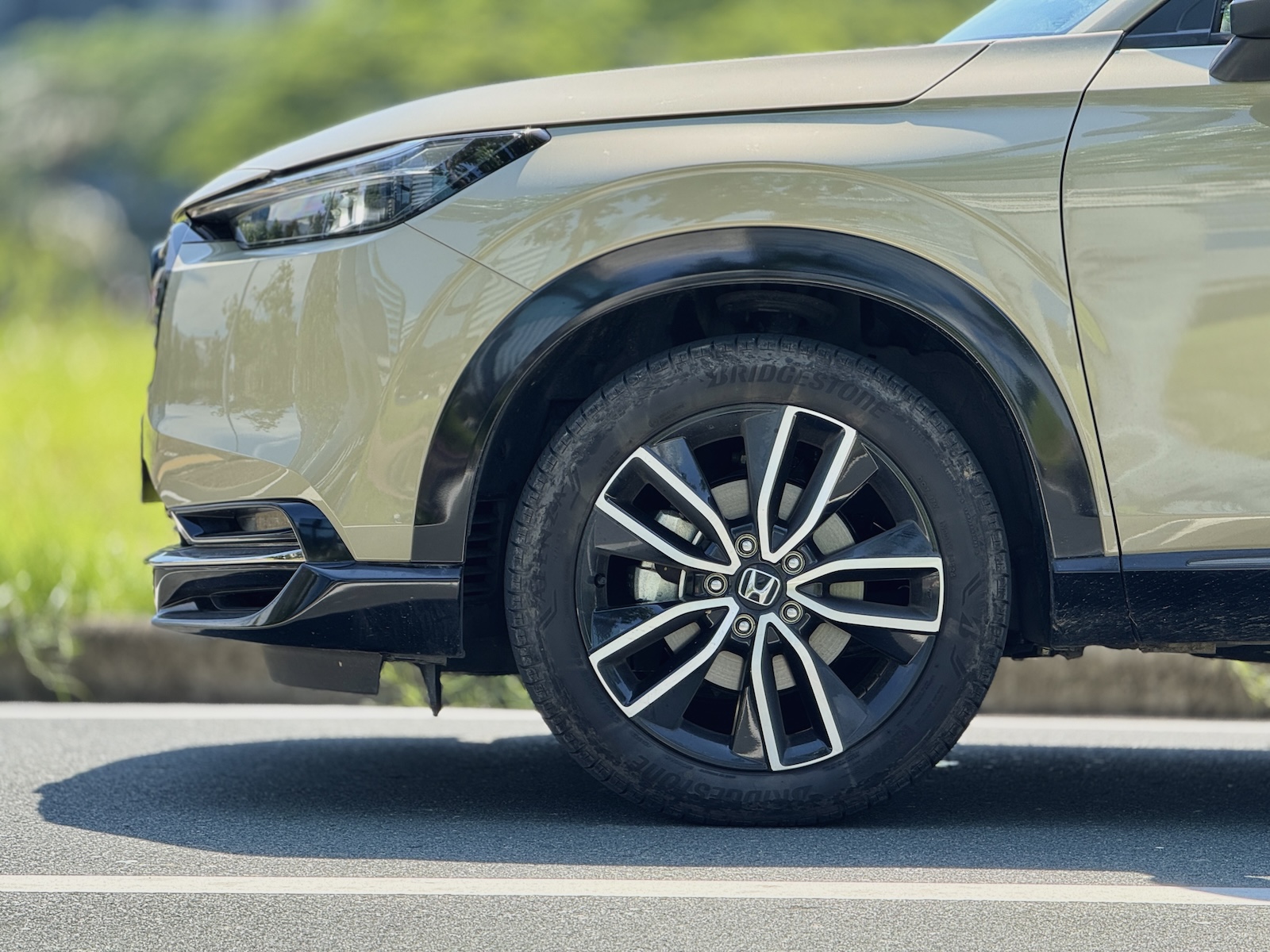
This assessment is very much a matter of personal taste – some might even prefer the slightly cushier ride in everyday conditions – but I couldn’t help but think the HR-V would benefit from fine-tuning its suspension to strike a more precise balance. It’s close to being excellent, but it falls short of being truly exceptional.
Everyday Usability
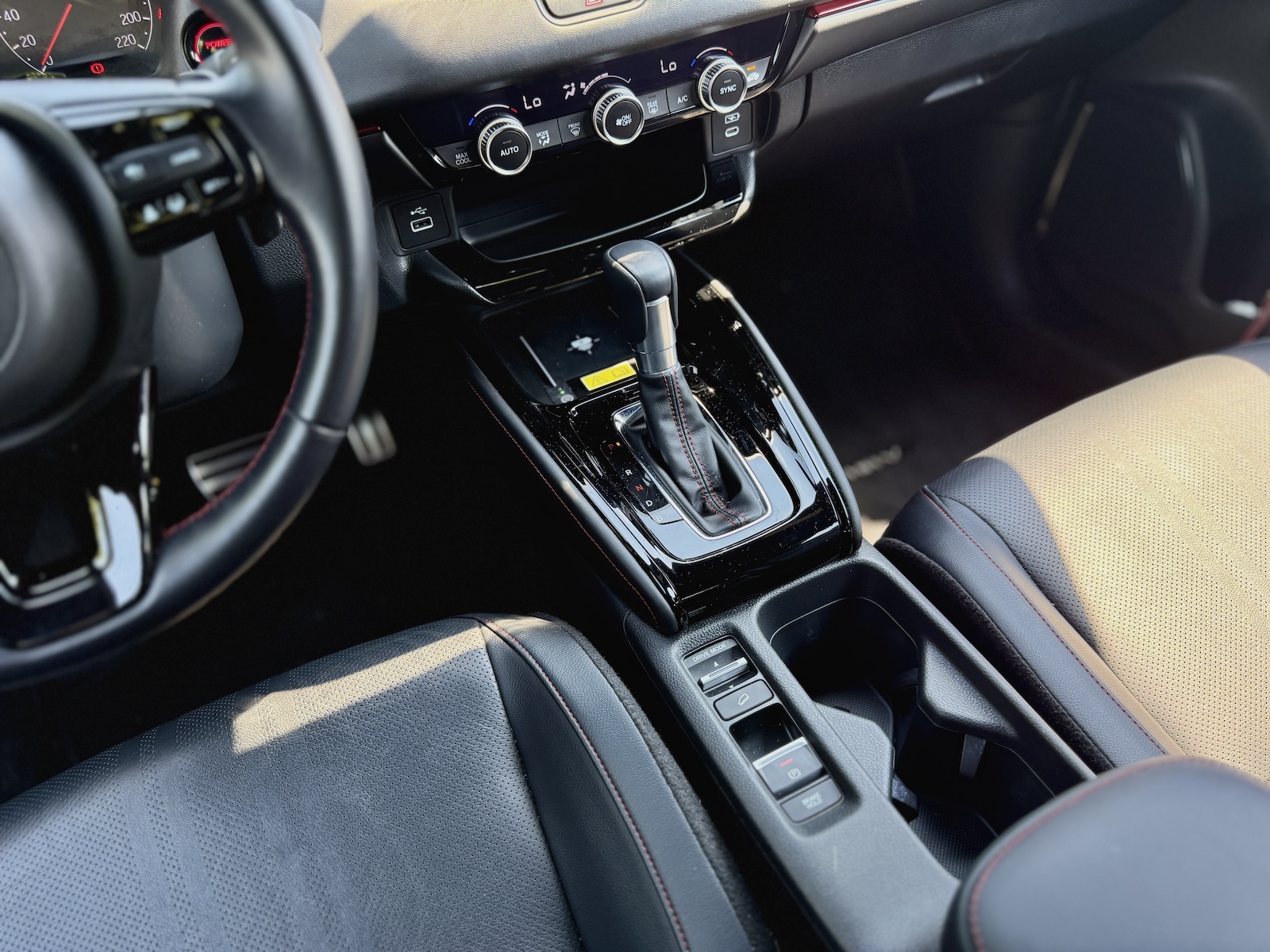
One of Honda’s strengths is designing cars that quickly feel like second nature, and the HR-V hybrid is no exception. Within moments of getting inside, the ergonomics, sightlines, and control layout feel very familiar – especially for a Honda owner such as myself. That ease of use makes the HR-V an excellent companion in the city. You don’t wrestle with it in traffic, and on narrow streets or parking lots, it’s compact enough to slot in without drama.
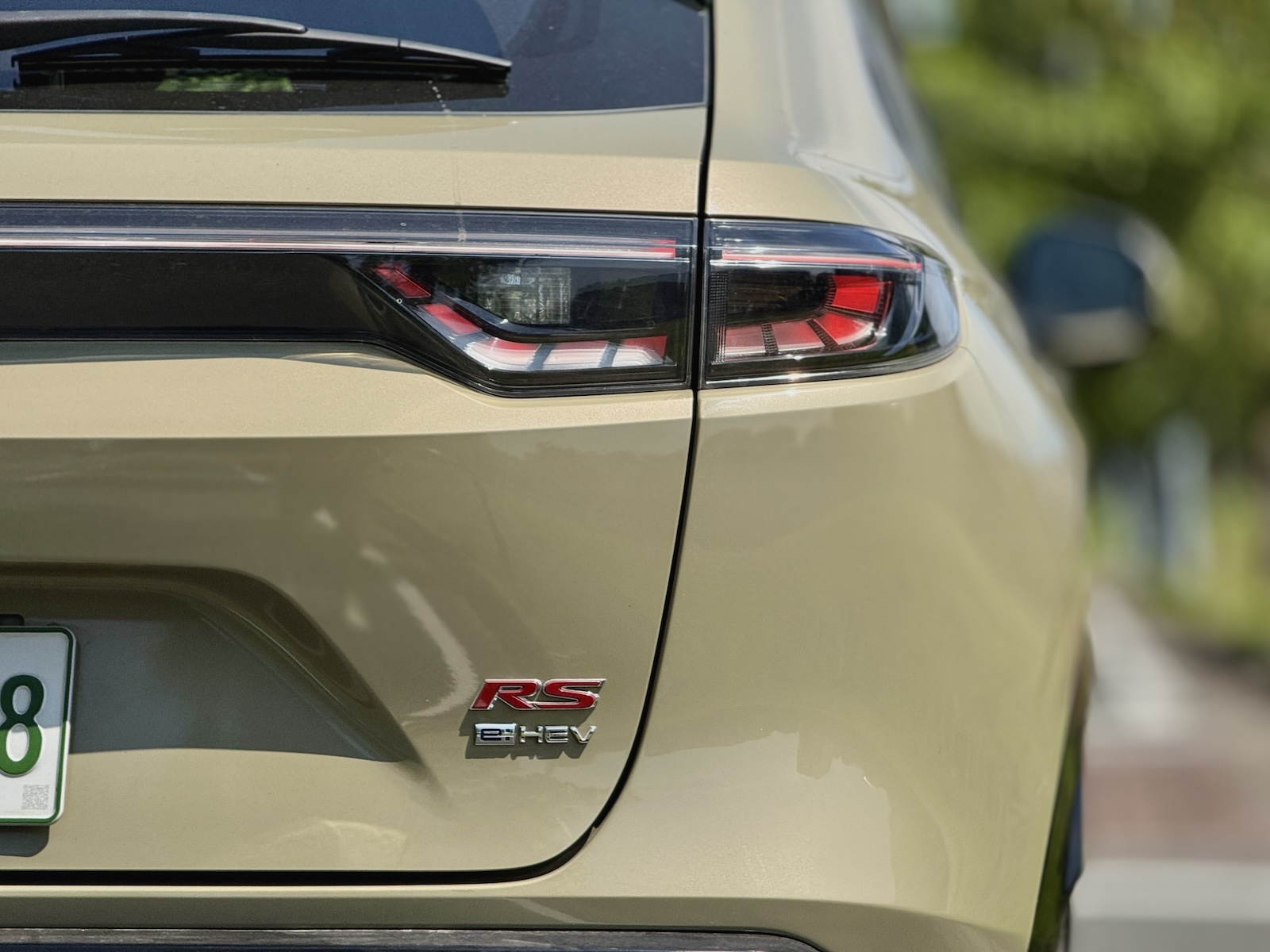
The cabin also feels robust, a quality that shines through on longer drives (and probably as you own the car for years). You get the sense that Honda built the HR-V hybrid to withstand daily use without fuss. Controls feel solid, and while the interior isn’t flashy, it’s well thought-out.
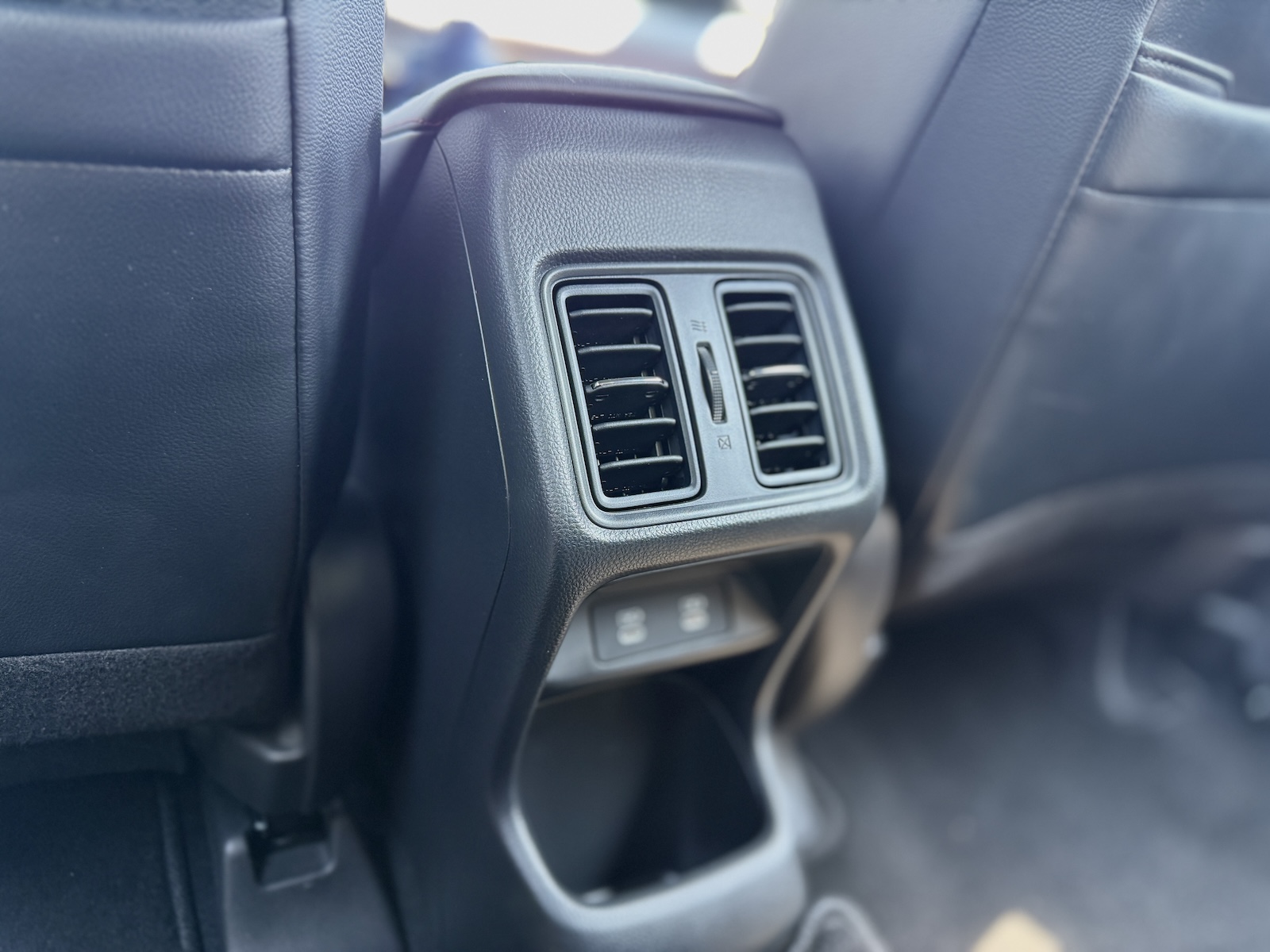
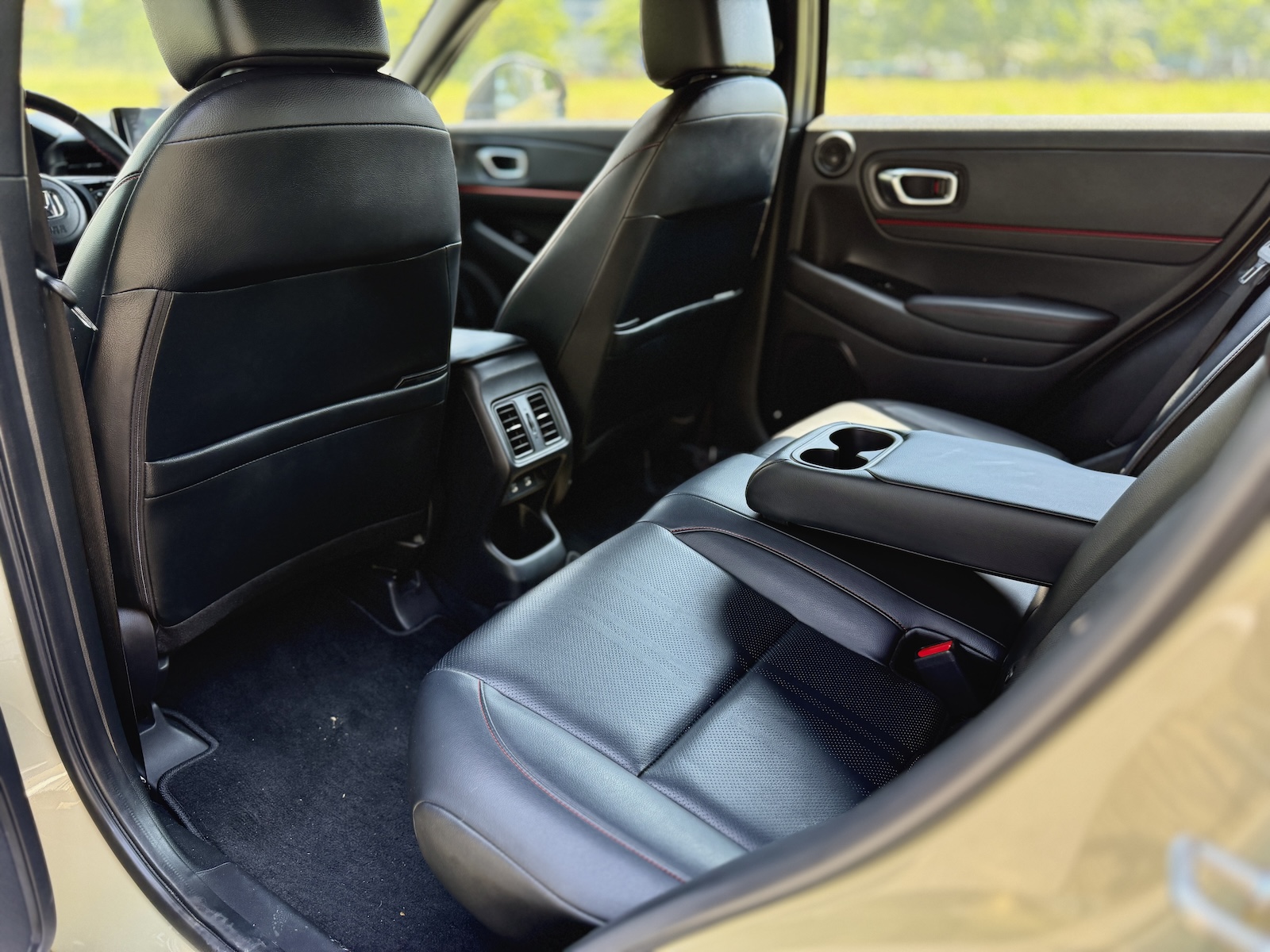
But not everything is perfect. Rear-seat space, for instance, is an area where the HR-V could do better. The actual legroom is acceptable, but taller passengers will want to duck when entering. I learned this the hard way after bumping my head twice. It’s not a dealbreaker, but it’s the sort of ergonomic oversight you’d expect Honda to iron out in future iterations. For families or buyers who regularly carry taller passengers, it’s worth noting.
Efficiency in the Real World
The most compelling aspect of living with the HR-V e:HEV is how little it demands from your wallet at the fuel pump. The 16.9 km/L figure I got wasn’t achieved under idealized test conditions – it was the result of real-world driving that included everything from bumper-to-bumper traffic to open highway stretches and a few indulgent bursts of spirited driving.
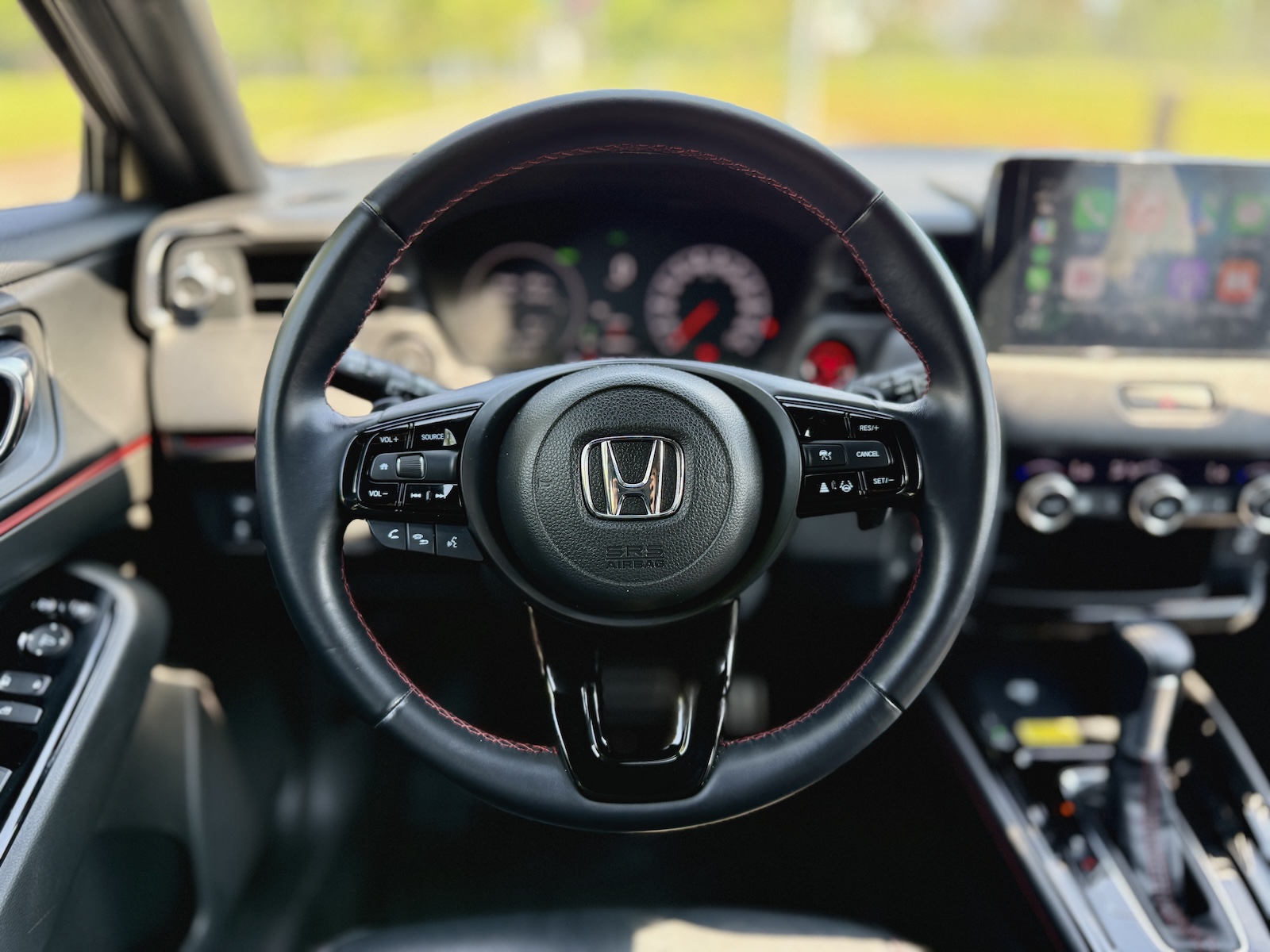
That speaks volumes about the practicality of Honda’s hybrid approach. The HR-V doesn’t rely on aggressive hypermiling to deliver strong numbers; it achieves them naturally through its bias toward EV operation and intelligent energy management. For urban dwellers or anyone who spends a lot of time in traffic, the fuel savings will add up quickly.
Overall Verdict
After a week with the Honda HR-V Hybrid, it’s clear this is still very much the same HR-V at its core: practical, easygoing, and robust enough to handle both city and weekend escapes. What the hybrid powertrain brings is greater efficiency, at the cost of some smoothness and sound refinement. The ride and suspension tuning remain good but leave room for improvement, and rear-seat ergonomics could use another look.
Yet, none of these shortcomings overshadow what the HR-V does well. Despite the higher P1,799,000 price tag – a significant but understandable increase versus the old RS Turbo – the hybrid HR-V delivers where it matters most for owners: efficiency. For buyers seeking a familiar Honda experience with the added benefit of significant fuel savings, the HR-V e:HEV presents a compelling case.