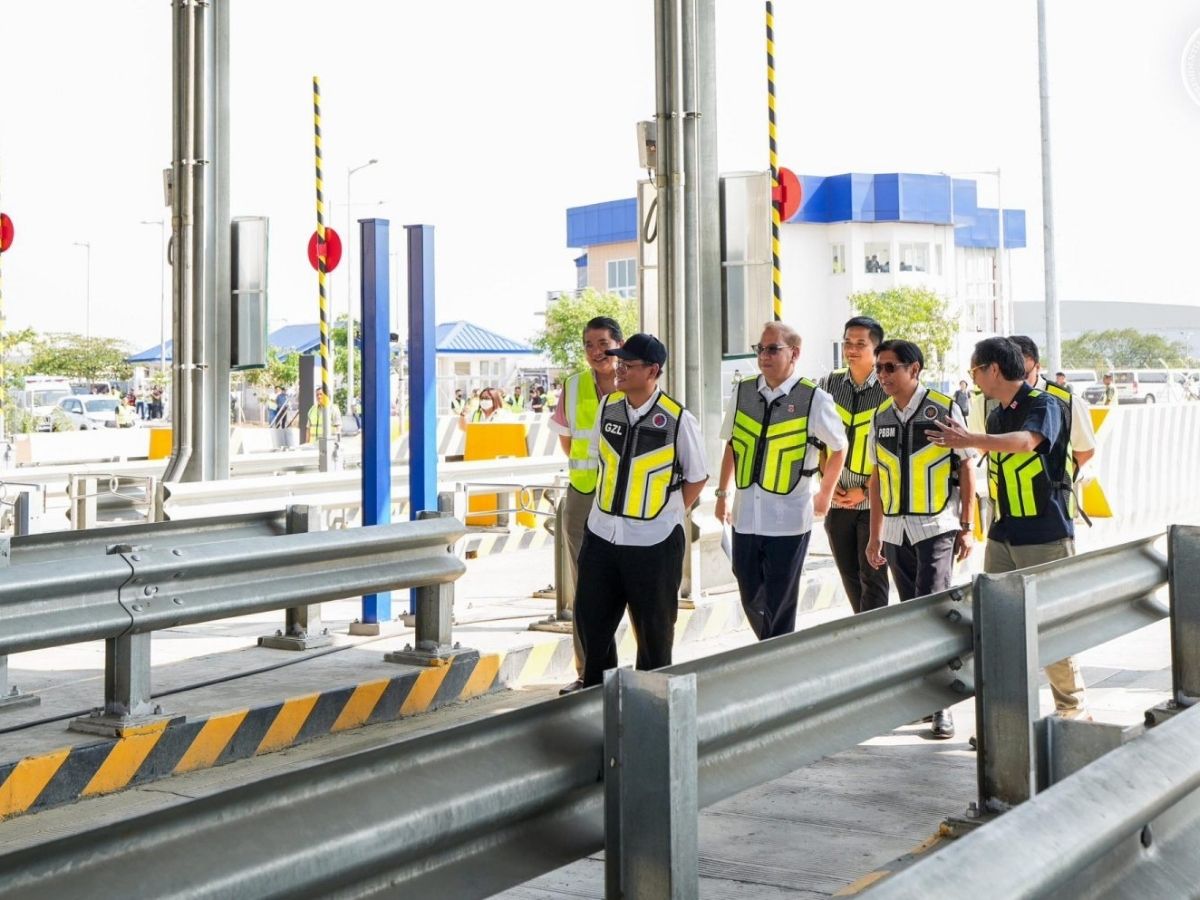


Motorists using the final stretch of the CAVITEX C5 Link will soon begin paying toll fees. This follows the approval of the Toll Regulatory Board (TRB) for Segment 3B to collect toll fees starting May 5, 2026.
Segment 3B, which officially opened on March 30, 2026, had initially been toll-free, benefiting around 9,000 motorists daily during its introductory period. The segment completes the long-awaited connection between the Manila-Cavite Expressway (CAVITEX) and C5 Road in Taguig City, significantly improving travel efficiency across southern Metro Manila and Cavite.
With the full link now operational, travel time between key points has been drastically reduced, from an average of 1.5 hours down to just 15 minutes — a benefit many motorists have found very helpful in traveling to destinations in the south, whether for work, school, or personal activities. This improvement is expected to ease congestion on major roads while providing a more direct route for both private and commercial vehicles.
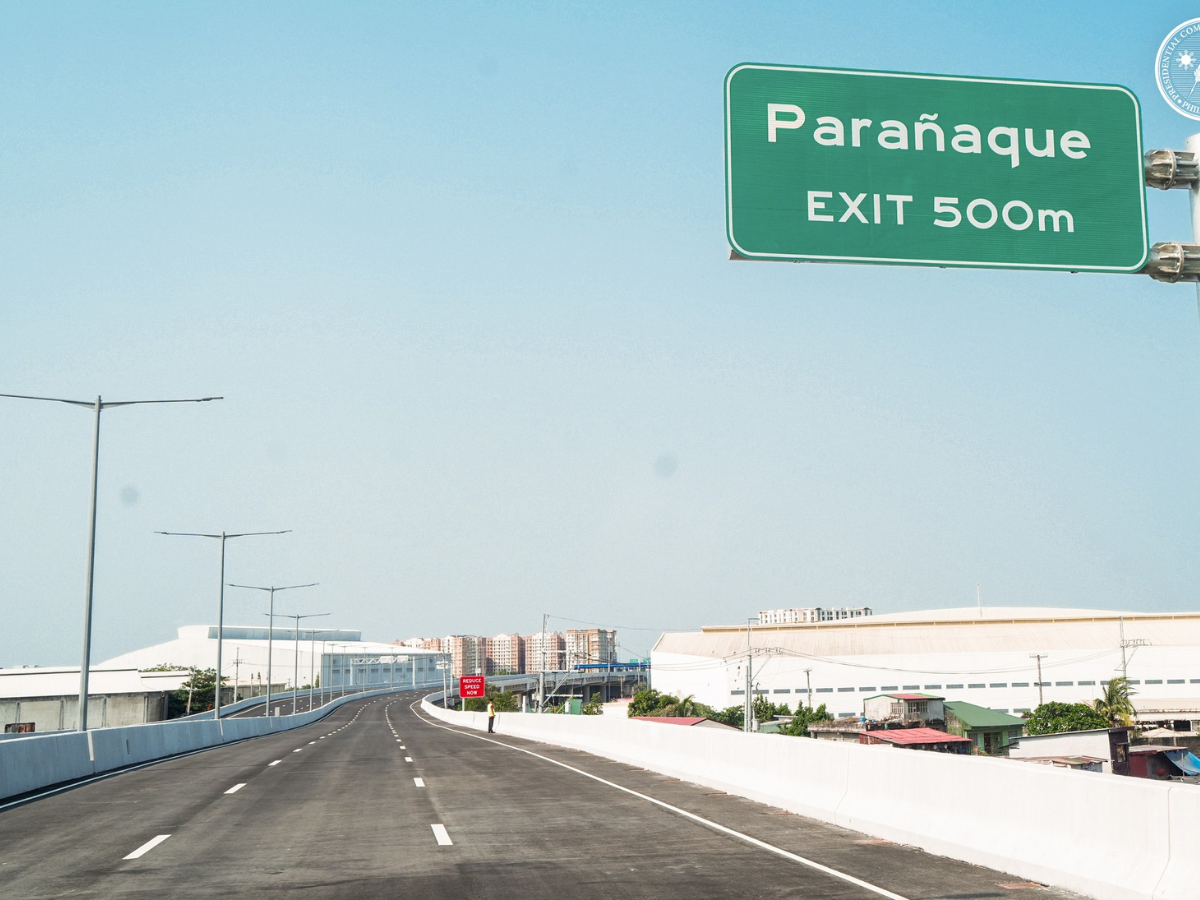
Under the newly approved toll structure, motorists traveling between Taguig and Sucat Road (Dr. A. Santos Avenue), or vice versa, will be charged P59 for Class 1 vehicles, P117 for Class 2, and P176 for Class 3. Meanwhile, those heading from Taguig directly to Roxas Boulevard or Zapote will pay P97, P194, and P291 for Class 1, 2, and 3 vehicles, respectively. These rates already include the Segment 3B toll.
The fully connected CAVITEX C5 Link is expected to play a critical role in improving logistics and mobility in the region, moving forward. As observed during its toll-free phase, it provided more efficient access to Ninoy Aquino International Airport (NAIA) and nearby major business districts through key interchanges such as the R1 Expressway (Coastal Road), Sucat Road, and C.P. Garcia Avenue.
The new link is also seen to strengthen the connection between Cavite’s industrial zones and Metro Manila’s commercial centers, supporting economic activity and streamlining the movement of goods. For heavy vehicles in particular, the expressway offers an alternative route that could help decongest traditional arterial roads.
Autocar’s Take
As observed through the years in many of the country’s major road infrastructures, there’s always a friction when a free road starts charging fees. But the real story here is how remarkably quickly motorists have adapted to the CAVITEX C5 Link Segment 3B. Cutting an hour and half trip down to just 15 minutes changes daily behavior — routes, schedules, even fuel consumption.
With the fee collection now approved and set to begin this week, the toll now becomes less of a burden and more of a trade-off many will likely accept without hesitation. What’s interesting is how this new road reshapes traffic patterns beyond its immediate corridor. It doesn’t just move vehicles faster; it redistributes volume where congestion often happens. This ripple effect may end up being its most valuable contribution.