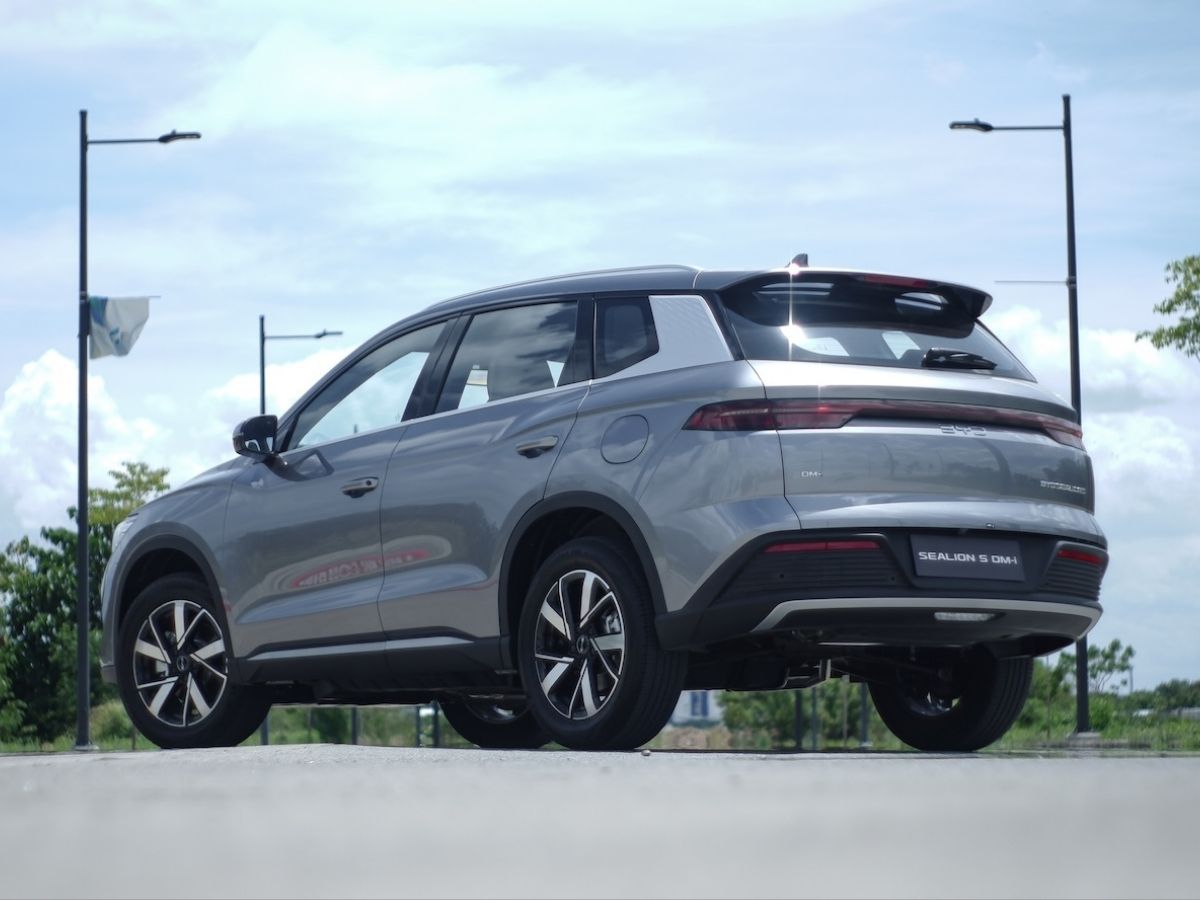


BYD’s rapid rollout of electrified models continues to reshape expectations in the global automotive landscape. In the Philippines, the launch of the BYD Sealion 5 DM-i last June has energized buyers eager to transition to electrified mobility. Yet, even before the excitement has fully settled locally, developments in China show that the model is already receiving updates—a reminder of how fast technology is advancing, particularly in cars from the People’s Republic.
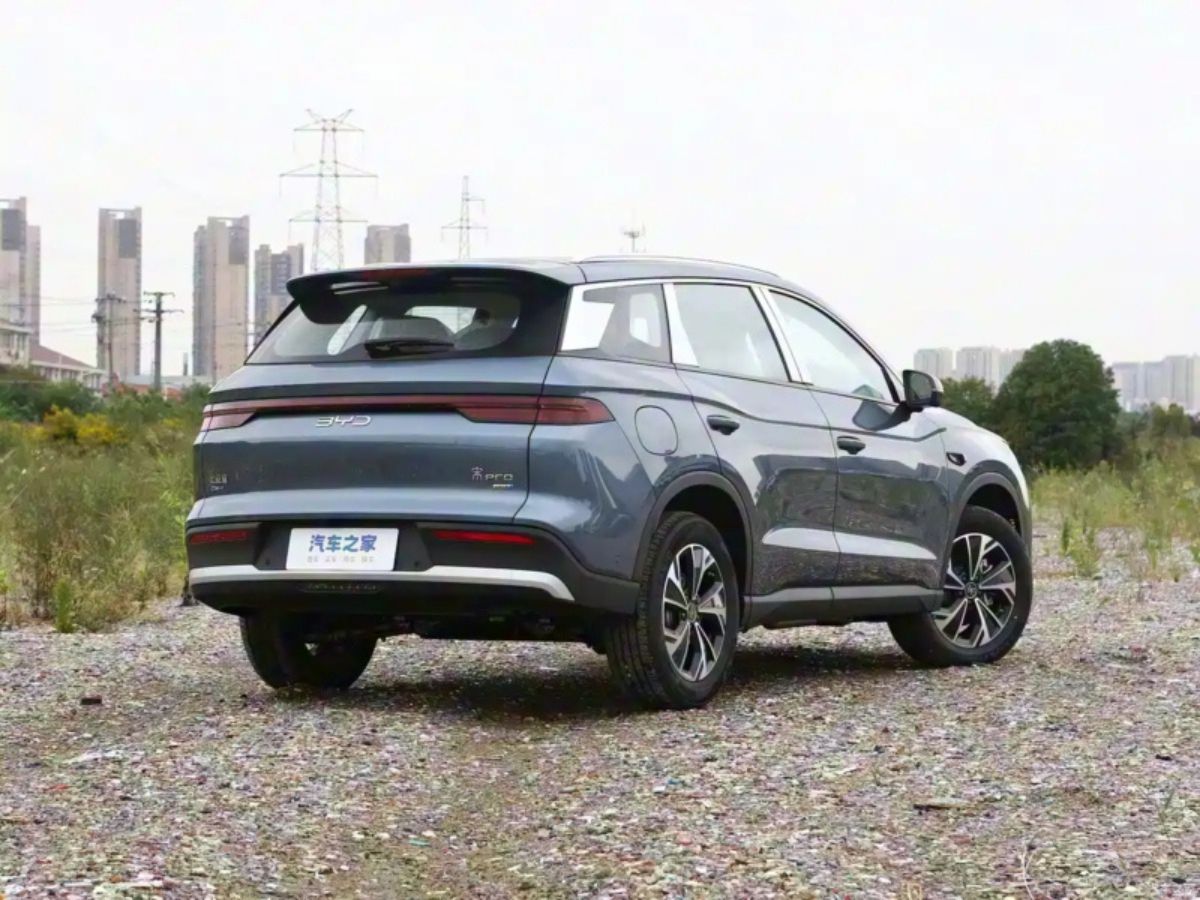
The Sealion 5 DM-i, known in China as the Song Pro DM-i, is BYD’s practical entry point into the plug-in hybrid electric SUV segment. It combines a 1.5-liter gasoline engine with an electric motor, powered by the brand’s proprietary BYD Blade battery. It gives drivers the flexibility of electric-only daily use while maintaining the convenience and range of a traditional internal combustion engine (ICE) powertrain. For many Filipino motorists, this setup takes away the worry of losing battery power in the middle of a journey, also called range anxiety.

However, as the BYD Sealion 5 DM-i settles into the local market, BYD has already introduced updates in China. These enhancements include refinements in style. While the local version’s front end looks busy, the Chinese update gave the SUV a sleeker, cleaner version of the brand’s Dragon Face design language. Inside, the local-spec Sealion 5 DM-i features a modern, minimalist interior. But the one in China elevates the motif to a higher level. For convenience, the updated Chinese version adds wireless charging. And, under the hood, the local model boasts an all-electric driving range of 71 km, while the new Chinese version can reach up to 133 km.
While the new updates set the tone of what’s great to come for the Sealion 5 DMi’s nameplate, it also leaves a bit of concern that Filipino motorists aren’t entirely in the loop of fresher things. Such sentiments are understandable, especially in a market where consumers are now becoming tech-aware and value-driven. People know that electrified vehicles evolve fast, and global updates can sometimes arrive sooner than local rollouts. Going by these, questions may arise about long-term competitiveness, resale value, and how quickly innovations will reach our local shores.

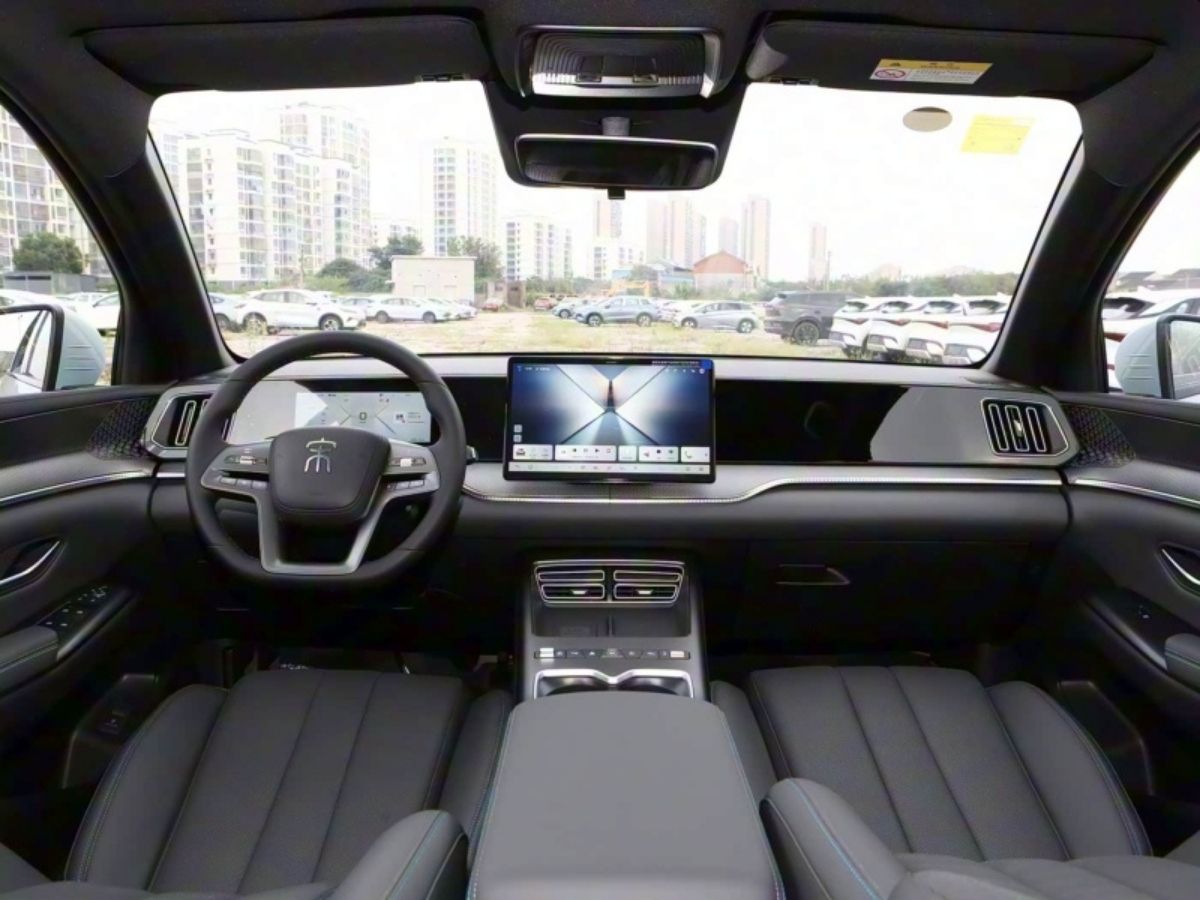
But, as with all things, context is important. The Philippine market is still in the early stages of adopting electrified vehicles. The reality is that product timing and availability are influenced by infrastructure readiness, demand forecasting, and overall market maturity. What we’re seeing now is part of a broader transition — a crucial step toward catching up with regions like China, Europe, and the United States, where electrification is already mainstream.
The situation may highlight that the Philippines is one step behind China’s fast-paced EV industry. But it also shows that the country is now part of the movement. Though not yet at its finest, the local EV industry is getting there, year after year. If, by any chance, BYD sees this as an opportunity to continue expanding its hybrid and EV footprint locally, we could soon see shorter gaps between global update arrivals and local offerings.