
The choice between a manual transmission (MT) and an automatic transmission (AT) remains one of the most fundamental decisions car buyers face. While AT vehicles now dominate global sales, MT vehicles continue to appeal to a specific group of drivers. Each system has distinct mechanical characteristics that influence performance, efficiency, cost, and driving experience.
Manual Transmission: Pros and Cons
An MT requires the driver to operate a clutch pedal and manually select gears. Many drivers, especially from the older generations, vouch for its mechanical simplicity as an advantage. With fewer components than most AT systems, MT-equipped vehicles are generally lighter, less complex to tinker with, and easier to maintain. In many markets, they also carry a lower purchase price compared to AT variants of the same vehicle.
From a driving standpoint, MTs offer direct control over gear selection. This allows drivers to hold gear longer and downshift proactively. MTs also give the driver the ability to optimize engine braking, using the engine’s initial resistance to slow the vehicle down, instead of applying the brakes, which is useful in navigating steep roads or in spirited driving situations. Because power delivery is more direct, MTs can feel more engaging, especially to enthusiasts who value driver involvement.
However, MTs demand more attention and skill. In heavy traffic, constant clutch operation can be tiring. This is especially true for drivers who are facing health challenges like joint problems or those who are just recovering from leg/foot injuries. Poor clutch control can also lead to premature wear, increasing maintenance costs over time.

Automatic Transmissions: Pros and Cons
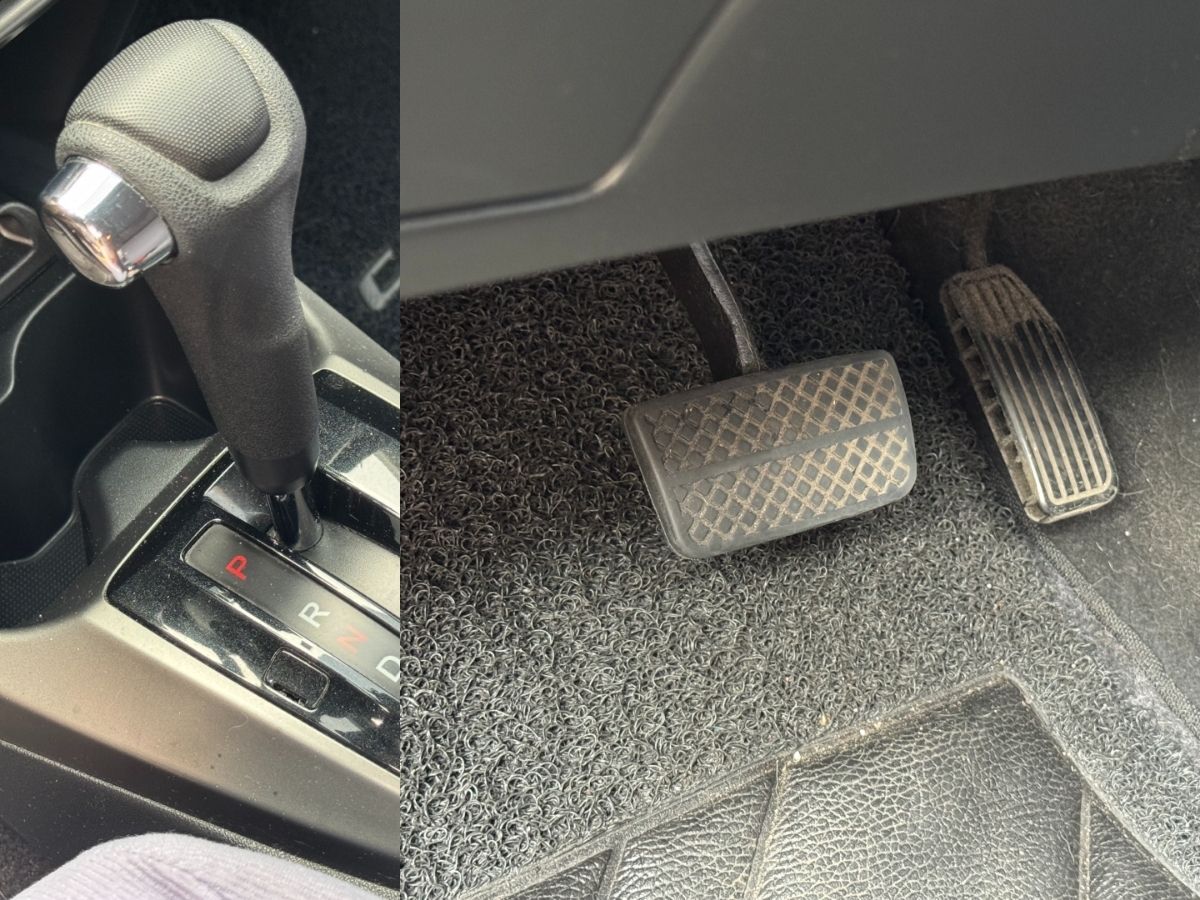
ATs, by contrast, handle gear changes without driver input. Modern ATs include traditional torque-converter systems, continuously variable transmissions (CVTs), and dual-clutch transmissions (DCTs). Their primary advantage is convenience. In stop-and-go traffic, ATs significantly reduce driver workload, making them more comfortable for daily urban use.
Advancements in automatic transmission technology have also narrowed the performance and efficiency gap. Many modern ATs now shift faster and more consistently than a human driver can manage, particularly DCTs. Fuel efficiency, once a clear advantage of MTs, is now comparable or, in some cases, better in modern ATs due to optimized shift programming and wider gear ratios.
But ATs do have drawbacks. They’re mechanically more complex, which can translate to higher repair costs once components fail. CTVs and DCTs, in particular, require specialized servicing and can be expensive to repair outside warranty coverage. AT systems are also typically heavier, which can affect handling and long-term component wear.
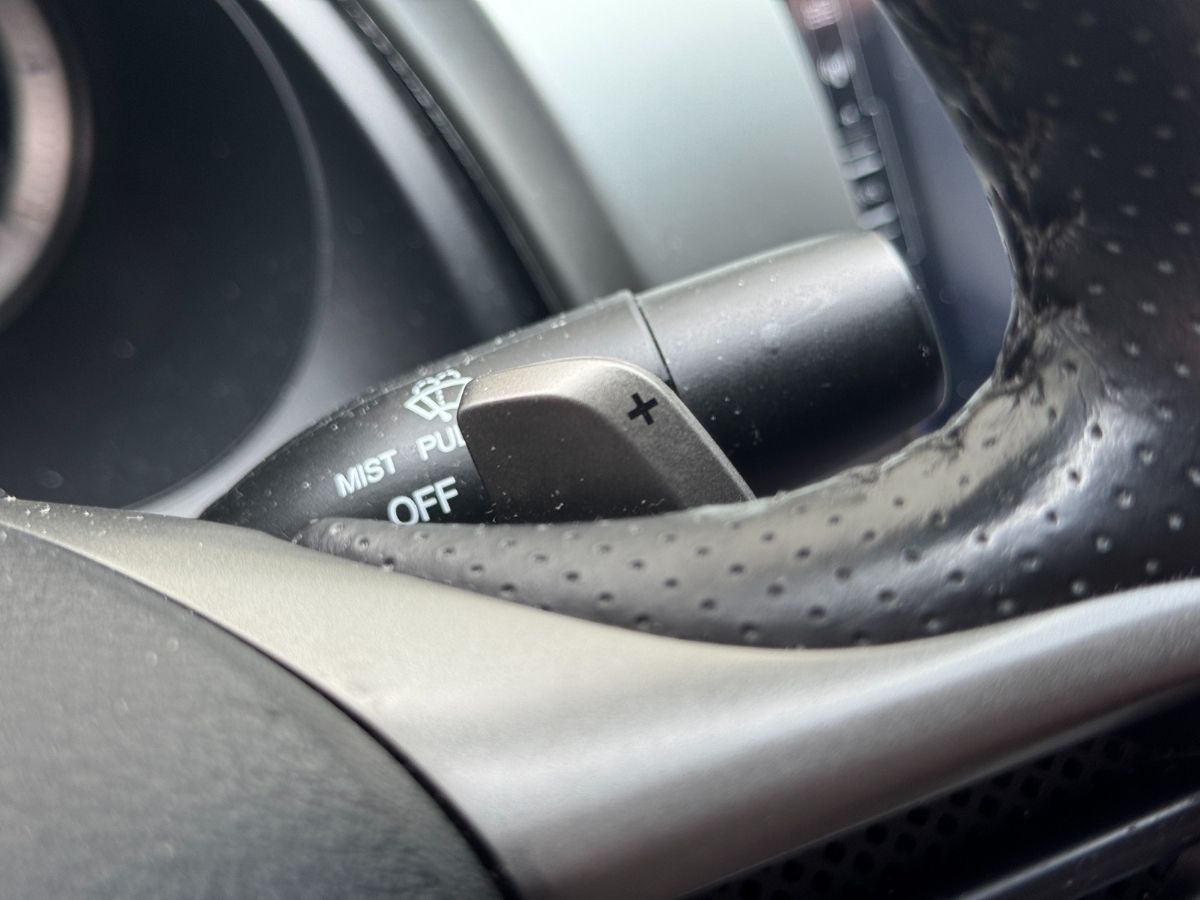
In terms of driver engagement, ATs may feel less involved for those who prefer precise control over engine speed and gear selection. While manual modes and paddle shifters attempt to replicate this experience, they don’t replace the mechanical connection of a traditional manual gearbox.
Thoughts to Ponder
Ultimately, the choice between MT and AT depends on where and how a vehicle is used. MTs remain well-suited for drivers who prioritize engagement, complicity, and lower upfront cost. ATs, on the other hand, are better aligned with urban driving, convenience, and broader accessibility.
As vehicle technology continues to evolve, especially in this era of electrification where traditional gearboxes are often unnecessary, the relevance of the old manual vs. automatic debate may soon be pointless. For now, both transmission types continue to serve distinct needs, and understanding their strengths and limitations allows buyers to make informed, practical decisions based on real-world driving conditions rather than preference alone.