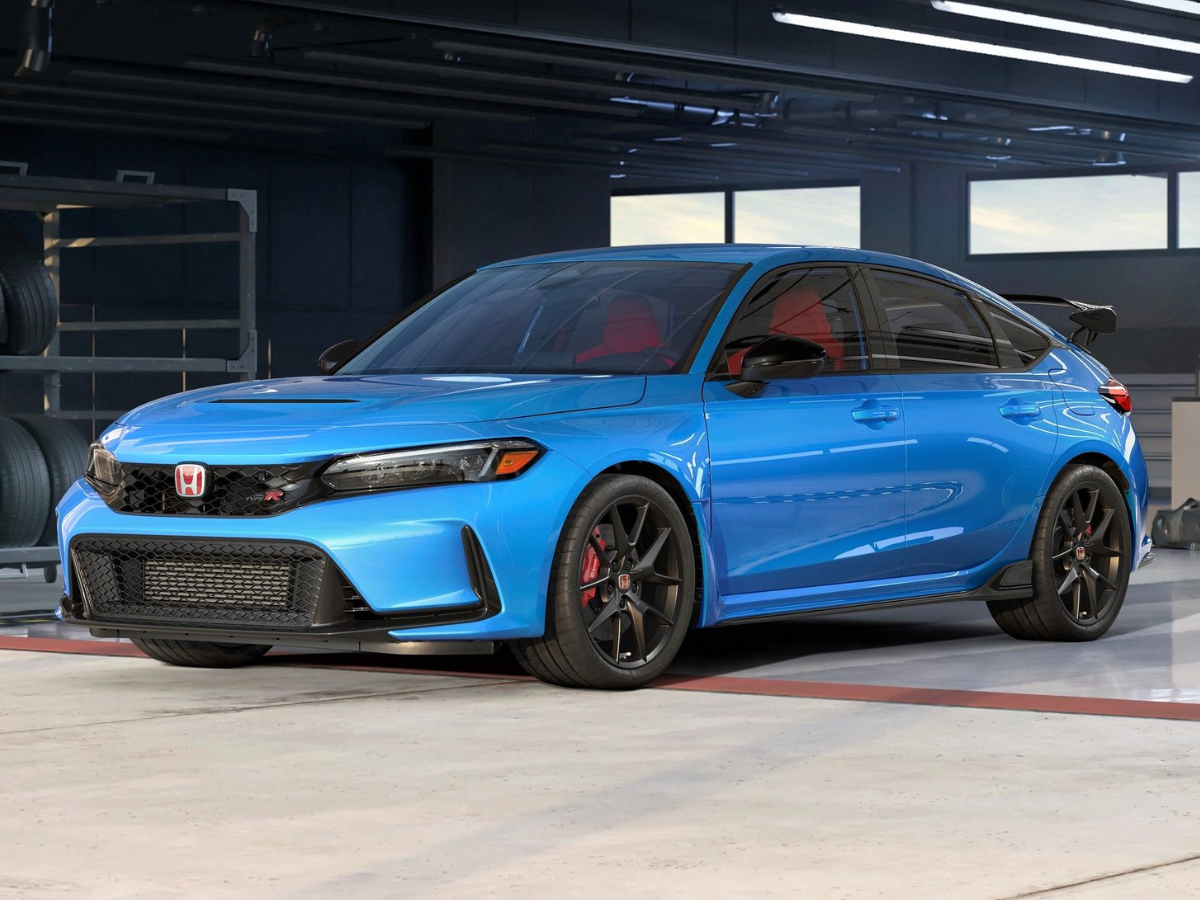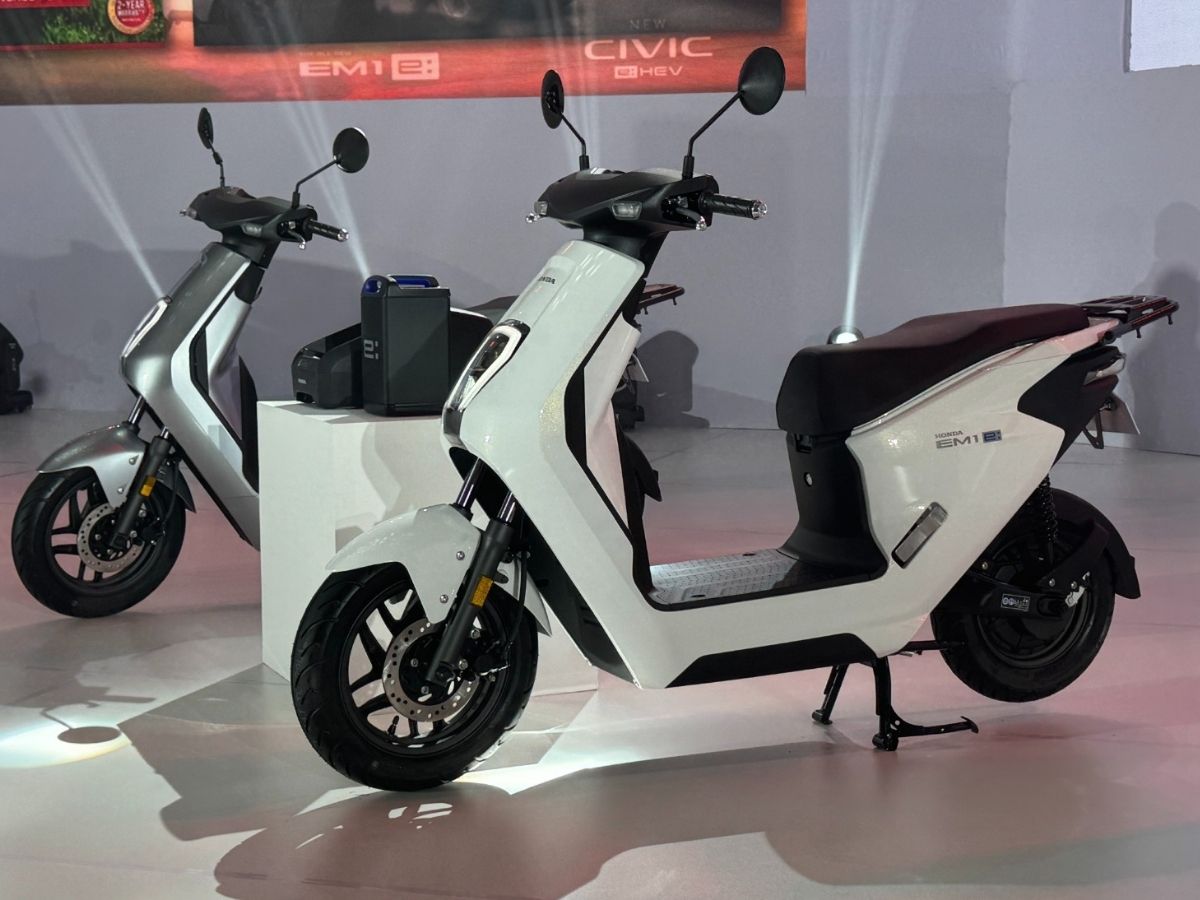


Honda is undertaking a sweeping internal reorganization that will fundamentally change how it plans, develops, and commercializes its cars. The massive internal reform was announced as the global auto industry faces intensifying competition from fast-moving Chinese manufacturers.
According to Honda, the changes will take effect on April 1, 2026, and will reshape the company’s four-wheeled vehicle operations. Moreover, the brand also delved into restructuring the way it operates its motorcycle and power products businesses.
Central to the overhaul is the consolidation of four-wheel vehicle research and development (R&D). Honda will transfer development functions previously housed within its internal automotive business units to Honda R&D Co., Ltd., its wholly owned R&D subsidiary. The company stated that this move is intended to streamline and tighten coordination between product planning, engineering, and manufacturing, enabling faster and more efficient vehicle development.
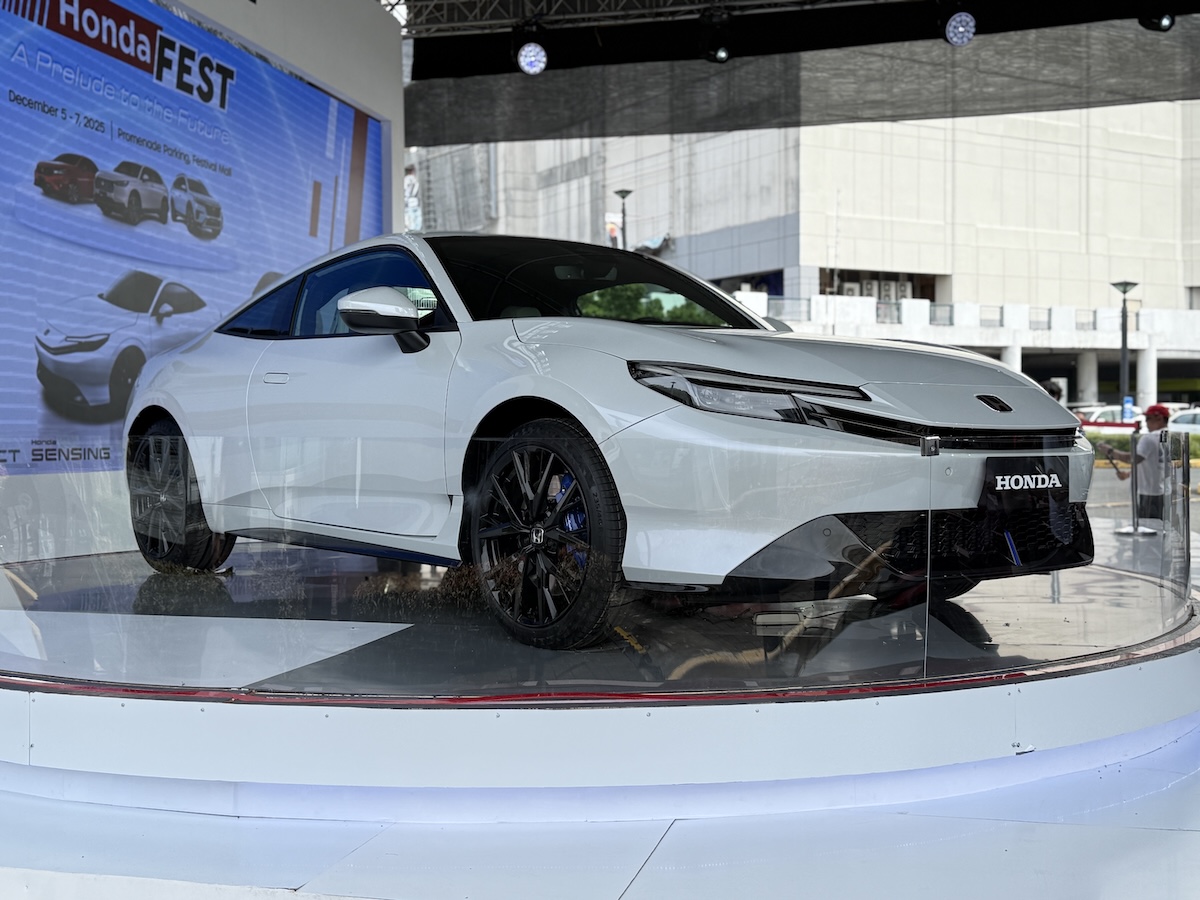
On the business front, Honda is reorganizing its automotive operations to better align strategy and execution. The Automobile Business Strategy Division and the Sales Division will be merged and restructured into two new units – the Business Strategy Division and the Regional Business Division. At the same time, the functions previously handled by the Software-Defined Vehicle (SDV) Business Development Division will be absorbed into the Business Strategy Division. The standalone SDV unit will be dissolved.
The company said that the changes to its business flow are aimed at improving profitability and responsiveness at a time when the global auto industry is undergoing rapid transformation. Honda specifically cited faster-than-anticipated changes in the business environment, including shifts in technology and market competition.
Beyond automobiles, Honda will also apply necessary restructuring to its motorcycle and power products businesses. Separate operational frameworks for internal combustion engine (ICE) models and electrified products will be unified, putting in focus the company’s view that electrification is becoming a standard part of its product lineup as the industry moves forward with the time.
Honda described the reorganization as a continuation of reforms that began in 2020, designed to strengthen its core businesses while preparing for the future. While the company did not name key competitors, the internal overhaul comes at a time when Chinese brands are stepping up with aggressive pricing, rapid development cycles, and strong software integration.
Autocar’s take
To be frank, Honda’s restructuring reads less like internal housekeeping and more like an admission that the old way of building cars is no longer fast enough. In recent years, Chinese automakers have reset expectations on development speed, software integration, and cost discipline. By breaking barriers between R&D, planning, sales, and by eliminating a separate SDV unit, Honda is signalling that speed, integration, and execution now matter more than internal labels.
This is not about chasing trends, but about staying relevant in a market that no longer waits. Whether this decision delivers better cars will only be proven on the road, but structurally, Honda appears to be aligning itself for a tougher and faster era of competition.