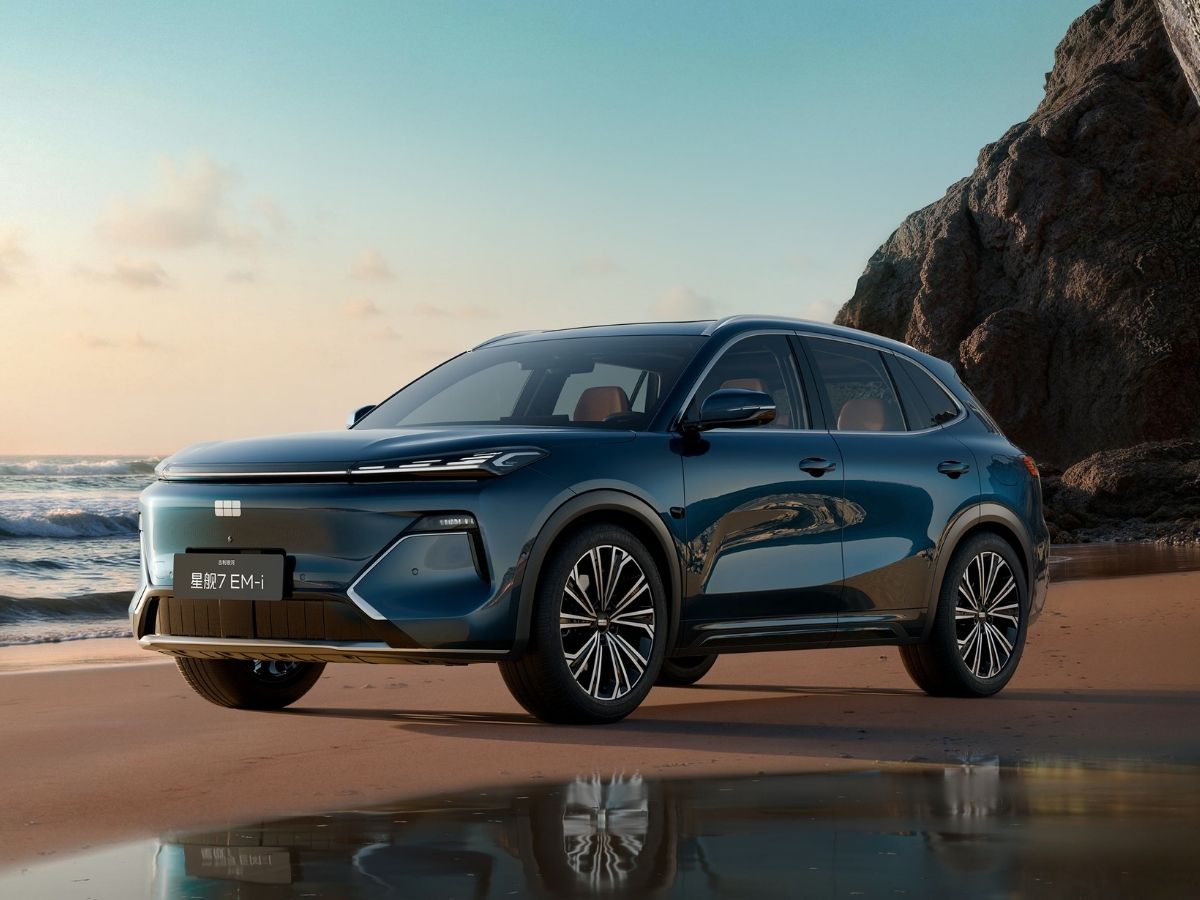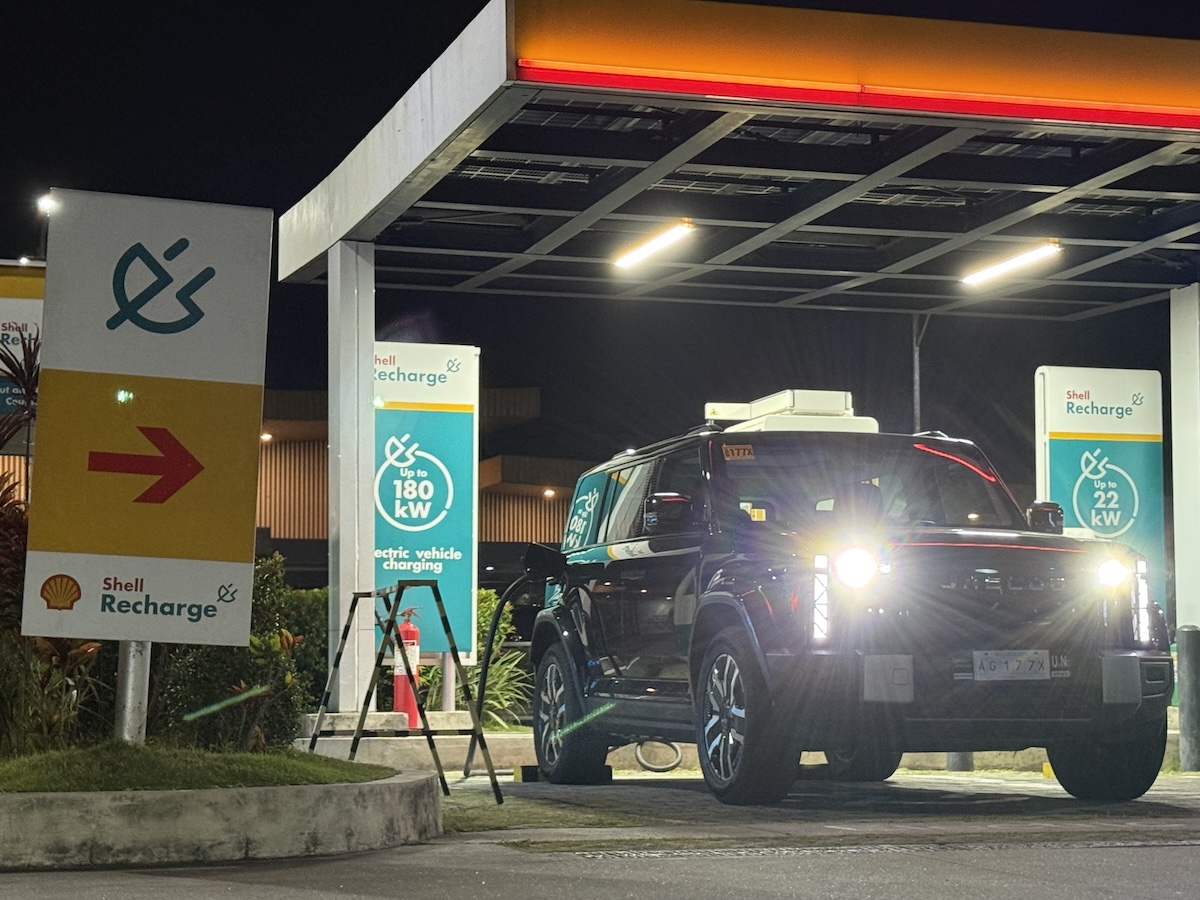


Grab just shifted the needle on its electrification push — reportedly taking on 150 units of the Changan NEVO to bolster its fleet as it doubles down on new-energy options for riders and driver-partners. The move isn’t just about adding a handful of shiny cars; it’s a clear signal that Grab wants to be in the lead for everyday, scalable EV mobility in the Philippines.
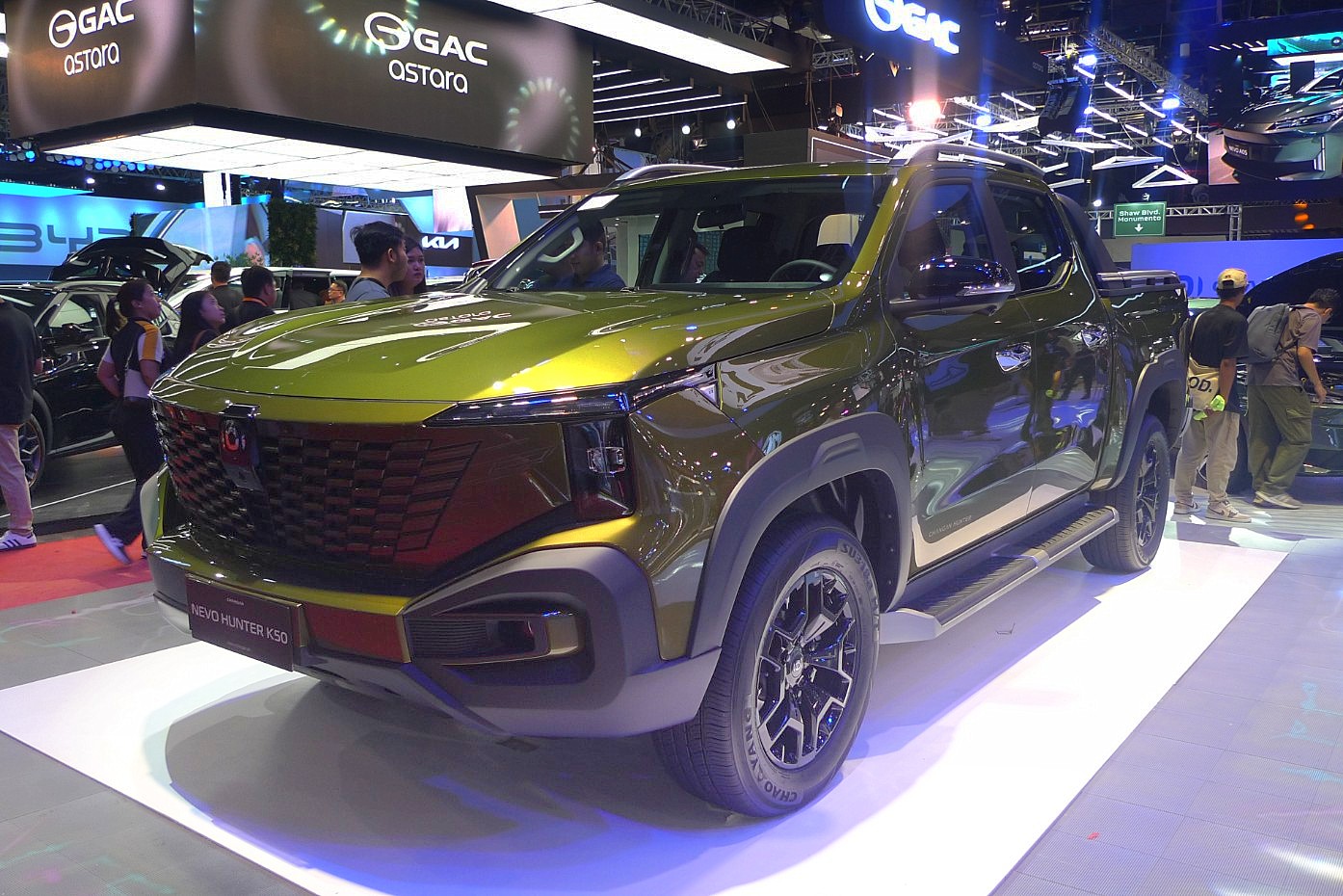
The NEVO family from Changan is built around the brand’s “new energy” strategy, with models spanning plug-in hybrids, range-extended EVs, and full BEV entries in the local line-up. That flexibility matters for fleet operators: vehicles that can run on electric power for city shifts but still fall back on petrol for range give operators predictable uptime while training charging infrastructure catches up. Changan’s NEVO Q05 and Hunter variants have been showcased locally as part of that push, touting competitive EV ranges and hybrid systems that fit real Philippine duty cycles.
For Grab, buying — or contracting — 150 NEVO units is tactical. The company has already been piloting and rolling out electric taxi services and partnerships in the market, including the GrabTaxi Electric initiative and broader EV trials with OEMs. Those programs are about more than green PR: they’re pilots in operations, driver economics, charging logistics, and regulatory integration with the LTFRB. Scaling to scores of NEVOs lets Grab stress-test charging routines, depot operations, and driver acceptance across actual service routes.
There’s also an economics argument. Fleet electrification lowers running cost per kilometer (fuel vs electricity, simpler drivetrains) and can reduce maintenance downtime — a huge factor for vehicles that must be productive for long hours. But the transition isn’t frictionless: charging availability, depot power upgrades, and the cost of replacing battery packs remain real considerations. Choosing a NEVO variant that mixes EV range with an extender or hybrid capability is a pragmatic bridge strategy that keeps cars working while the public charging network scales.
Public perception and policy momentum help, too. Grab’s recent public moves to introduce electric taxi services and its regional EV partnerships have primed regulators, corporate partners, and riders to accept an electric-first future. That ecosystem nudges more drivers and fleet partners to try EVs, especially when paired with financing schemes, warranties, and operational support that Grab typically bundles into its fleet programs.
If the 150-unit figure holds, expect more visible white-and-green NEVOs on Metro Manila roads sooner rather than later — a practical, measured step that shows electrification isn’t a distant headline, it’s a fleet-management decision now. For Grab, the question isn’t just how many EVs it can field, but how quickly the rest of the system — chargers, incentives, and service networks — can be brought up to speed so those EVs run profitably and reliably for drivers and riders alike.