

The Electric Vehicle Association of the Philippines (EVAP) is optimistic that electric vehicle (EV) growth in the country is on the right track amid new investments from public and private sectors.
Among the driving forces behind EV growth in the Philippines is the announcement by the Board of Investments (BoI) earlier this month. The BoI shared that a Chinese delegation is exploring the possibility of establishing facilities for manufacturing EVs and renewable energy equipment. More details have yet to be made public about this, but the BoI is leaning toward the view that this deal will push through.
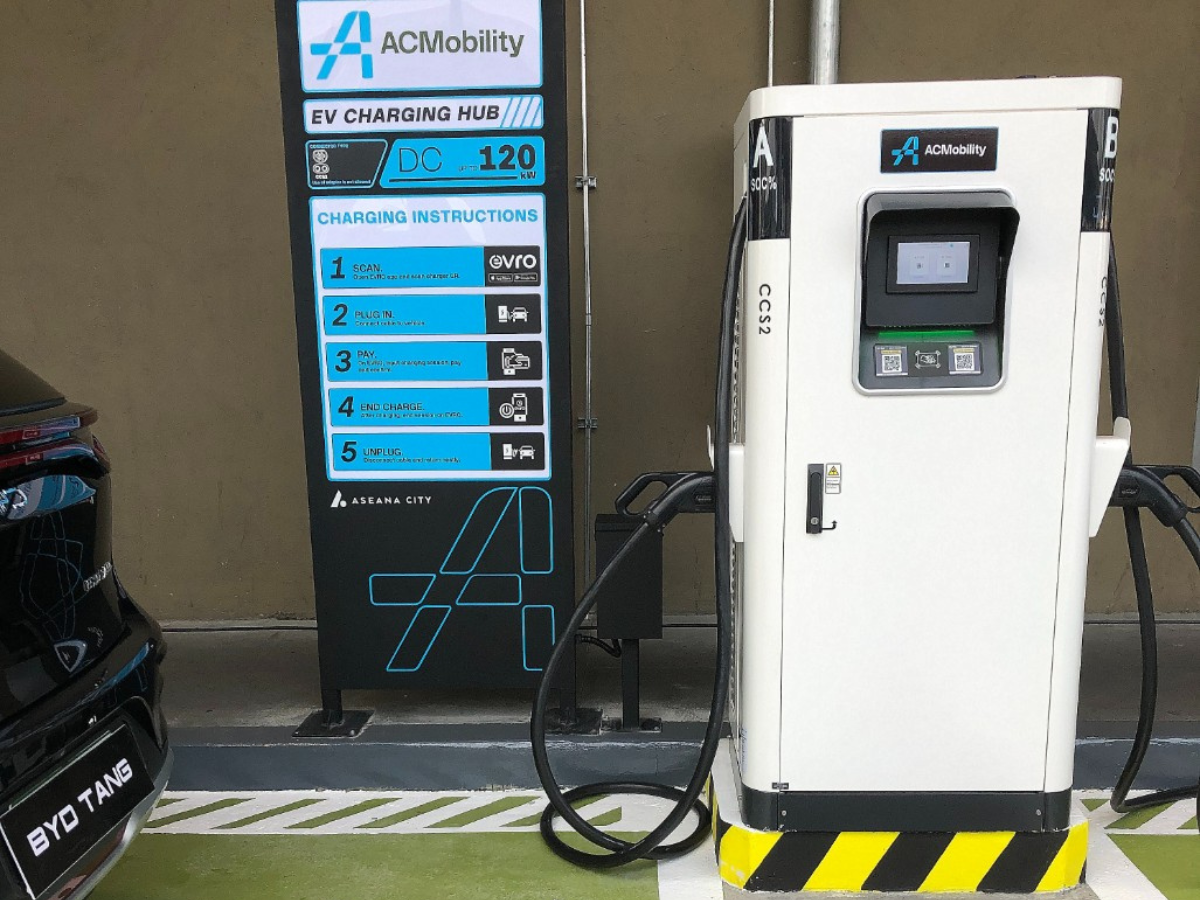
The Department of Energy (DOE) is also making strides in EV growth, as it has been receiving expressions of interest from undisclosed private investors. The DOE said that private investors are expected to roll out 4,000 EV charging stations nationwide over the next two to three years.
Back in June, Mitsubishi Motors Philippines Corporation (MMPC) also showed its intention to allocate an additional P7 billion to the country in the next five years. MMPC said it will heed the government’s push for EVs and renewable energy.
The Department of Trade and Industry also lobbied for the new Electric Vehicle Incentive Strategy (EVIS) last June. The DTI shared that the new EVIS could generate up to P11.4 trillion in economic outputs when it gets the green light. The DTI added that it could also create nearly 700,000 local jobs in EV assembly, battery production, the installation of electric vehicle charging stations, and maintenance services.
Joining the EV push in the Philippines is the Asian Development Bank, as it has agreed to infuse $100 million (about P5.841 billion) into the local EV sector through a financing arrangement with the Ayala Corporation, which operates ACMobility.
Lastly, Australia’s StB GIGA Factory opened the first EV battery facility in the country in September 2024, located in New Clark City. The facility is now operational and will annually produce 2 gigawatt-hours of batteries by 2030, enough to power up to 18,000 EVs, according to EVAP.
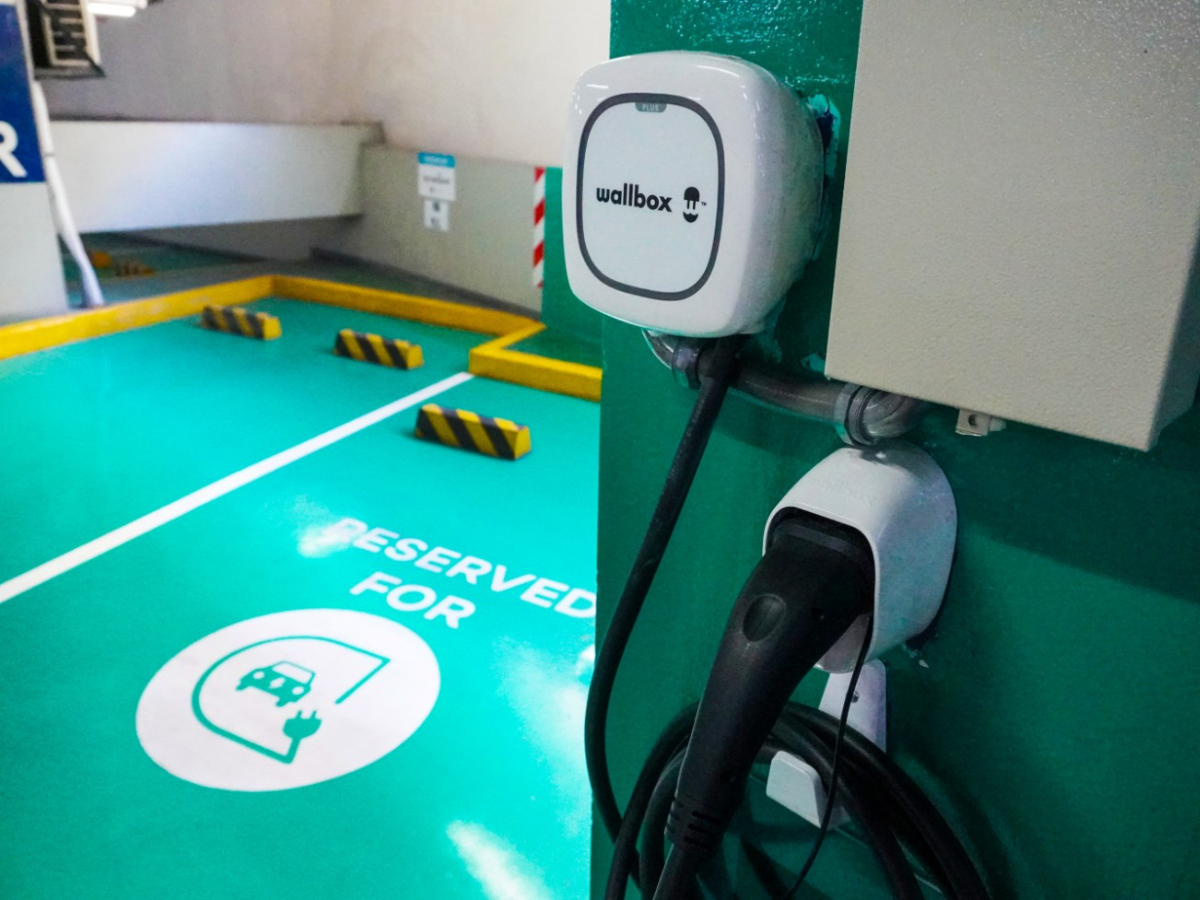
These investments, along with other similar deals and initiatives in the EV sector, are also aligned with the Comprehensive Roadmap for the Electric Vehicle Industry (CREVI), which aims to bolster EV adoption nationwide by deploying up to 7,300 EV charging stations by 2028. The target is to deploy over 20,400 EV charging stations by 2040 to serve a projected 2.5 million EVs on local roads by then.
“EVs require sufficient and reliable charging infrastructure nationwide. At the same time, we should also be at the forefront of developing more efficient and accessible battery technologies. Hence, we are supporting national efforts to establish more partnerships with the private sector and potential investors,” said EVAP President Edmund Araga.
EVAP will share more about the current status of EV growth in the country during the 13th edition of the Philippine Electric Vehicle Summit (PEVS), from October 23 to 25, at the SMX Convention Center Manila. Admission is free. Register now at www.evap.com.ph
EVAP is presenting PEVS 2025 with partners BYD Cars Philippines, Omoda & Jaecoo Motor Philippines Inc, United Asia Automotive Group Inc (UAAGI), GAC Dangdang, and the DOE.