
The Philippine automotive market continued its steady recovery in August 2025, with total vehicle sales reaching 35,926 units, pushing the year-to-date (YTD) tally to 307,882 units, according to the latest report from the Philippine Automotive Dealers Association (PADA).
Despite global supply constraints and localized economic headwinds, the industry remains on track for another growth year, thanks to consistent demand in both the passenger and commercial vehicle segments.
Toyota Still Untouchable
Leading the charge once again is Toyota Motor Philippines, commanding nearly half of the entire market with a 47.54% share. The Japanese carmaker sold 17,023 units in August, bringing its 2025 YTD total to 146,357 units. This performance reflects Toyota’s solid dominance across all categories — from its best-selling Vios and Wigo in the passenger segment to the Hilux and Innova in the commercial market.
While its month-on-month growth slightly slowed to 0.75%, Toyota remains far ahead of all other competitors, reinforcing its reputation as the country’s most trusted auto brand.
Mitsubishi Stays Strong at Second
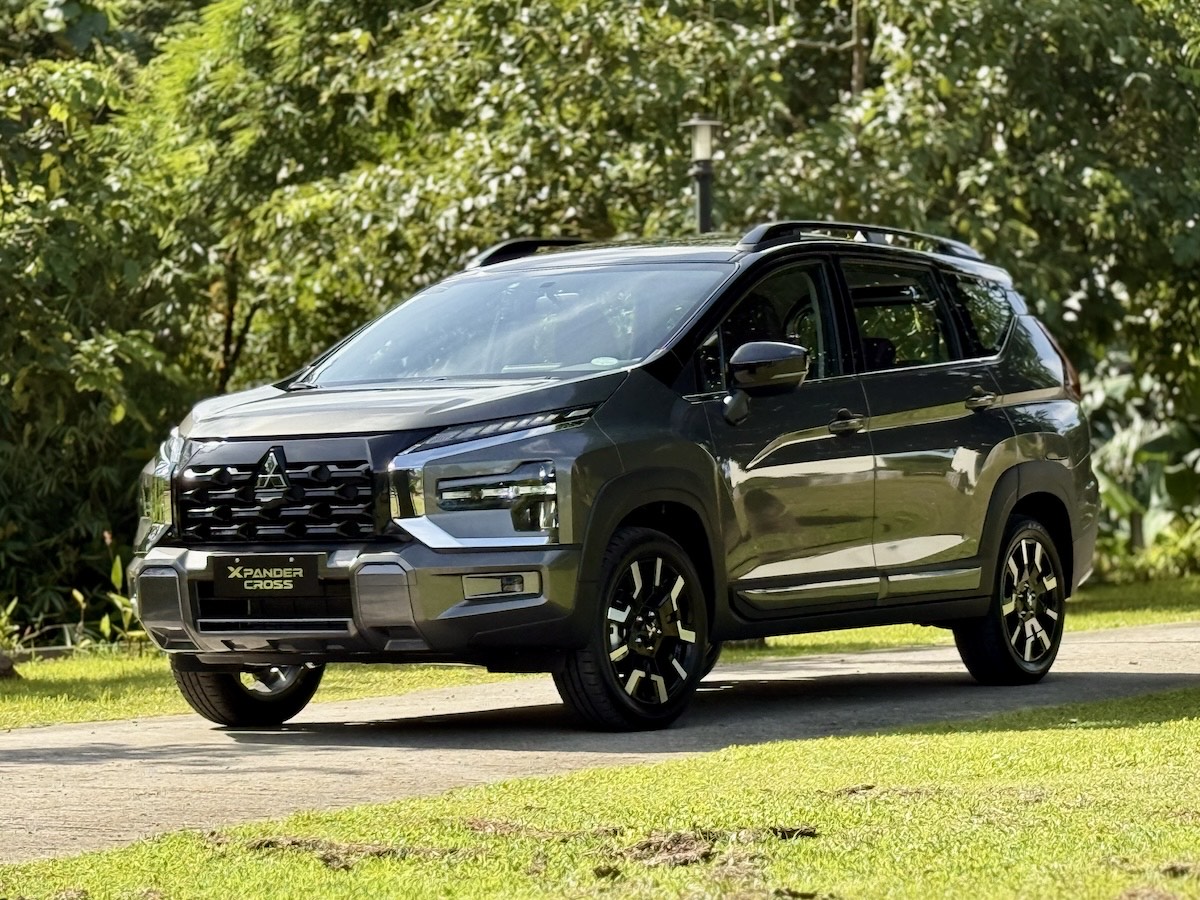
Mitsubishi Motors Philippines retained its spot as the country’s second-largest automaker, selling 6,863 units in August for a YTD total of 58,799. The brand captured 19.10% market share, supported by strong demand for the Xpander MPV and the Strada pickup.
However, Mitsubishi saw a 9.94% dip in August sales, attributed to tighter inventory and price adjustments ahead of the next model year refresh.
Suzuki Gains Momentum
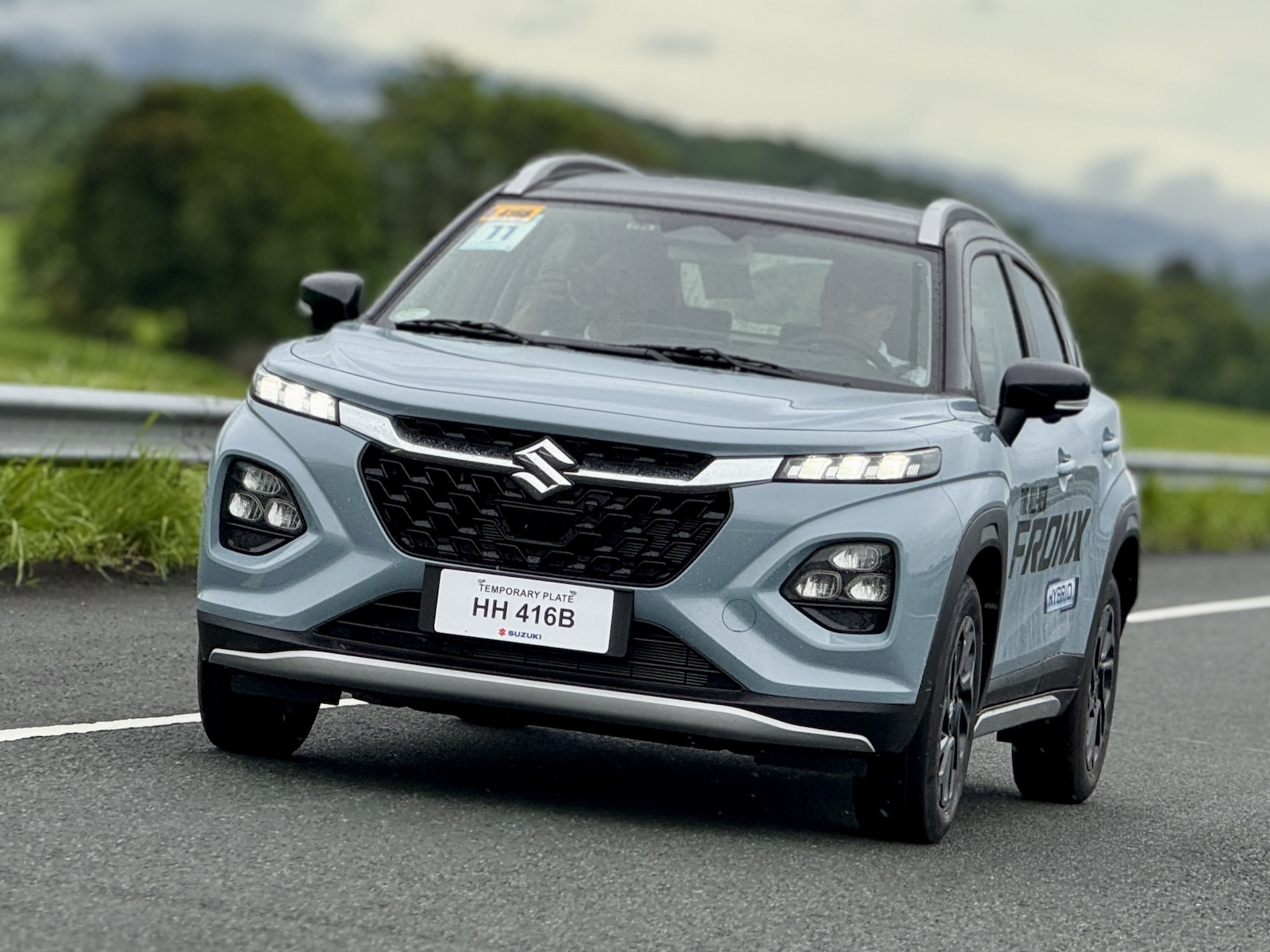
Climbing steadily through the ranks, Suzuki Philippines remains the country’s third best-selling brand, moving 1,897 units in August and 14,519 YTD. Suzuki’s 5.28% market share reflects growing demand for small and affordable vehicles like the S-Presso, Ertiga Hybrid, and Jimny, making it a favorite among first-time buyers.

Ford and Nissan in Tight Race
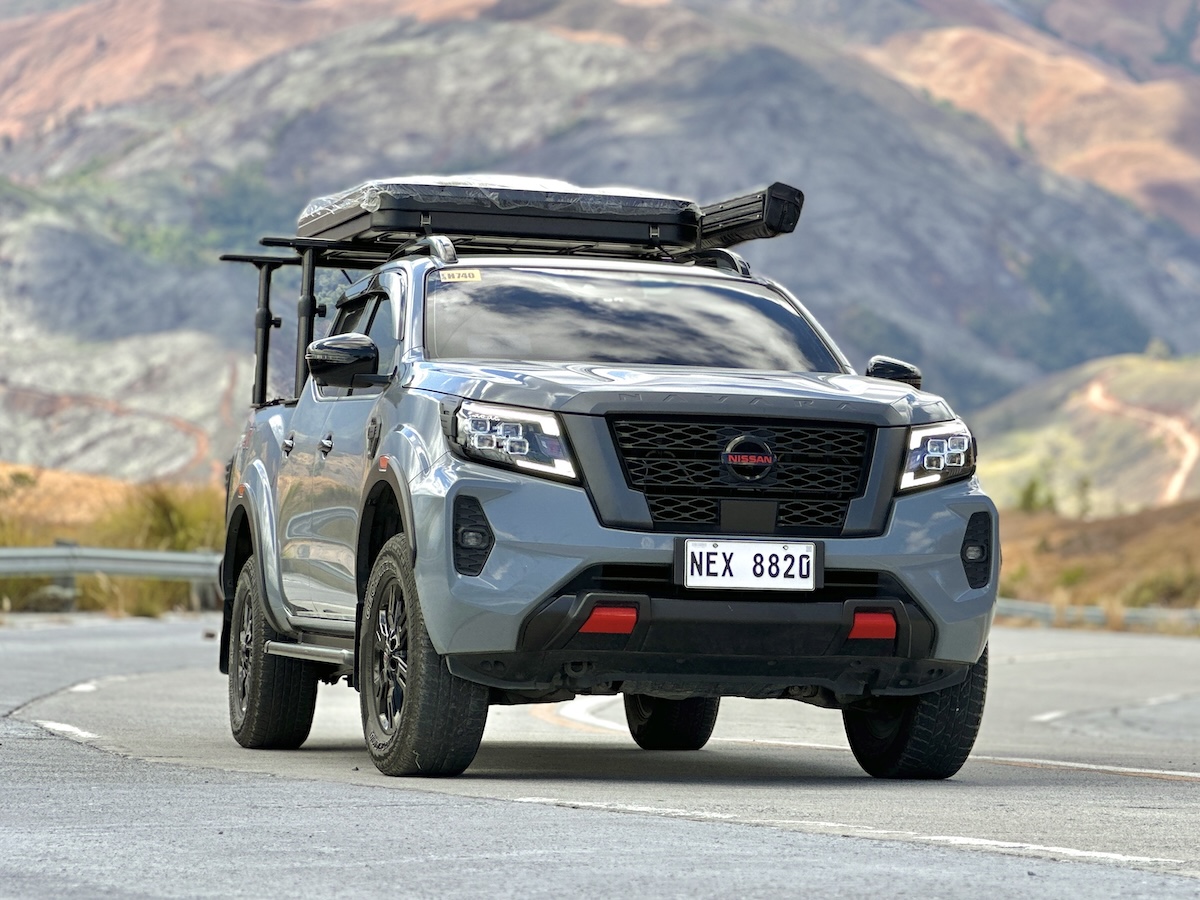
Ford Philippines and Nissan Philippines are in close competition, with Ford posting 1,617 units sold versus Nissan’s 1,531. Ford’s August performance was down slightly (-5.27%), but the brand remains resilient, buoyed by the popularity of the Ranger pickup and Everest SUV.
Nissan, meanwhile, continues to face a challenging year with a sharp 37.54% decline in August, largely due to limited new product launches and stiff competition in the mid-size SUV segment.

Isuzu, Honda, Hyundai Sustain Demand
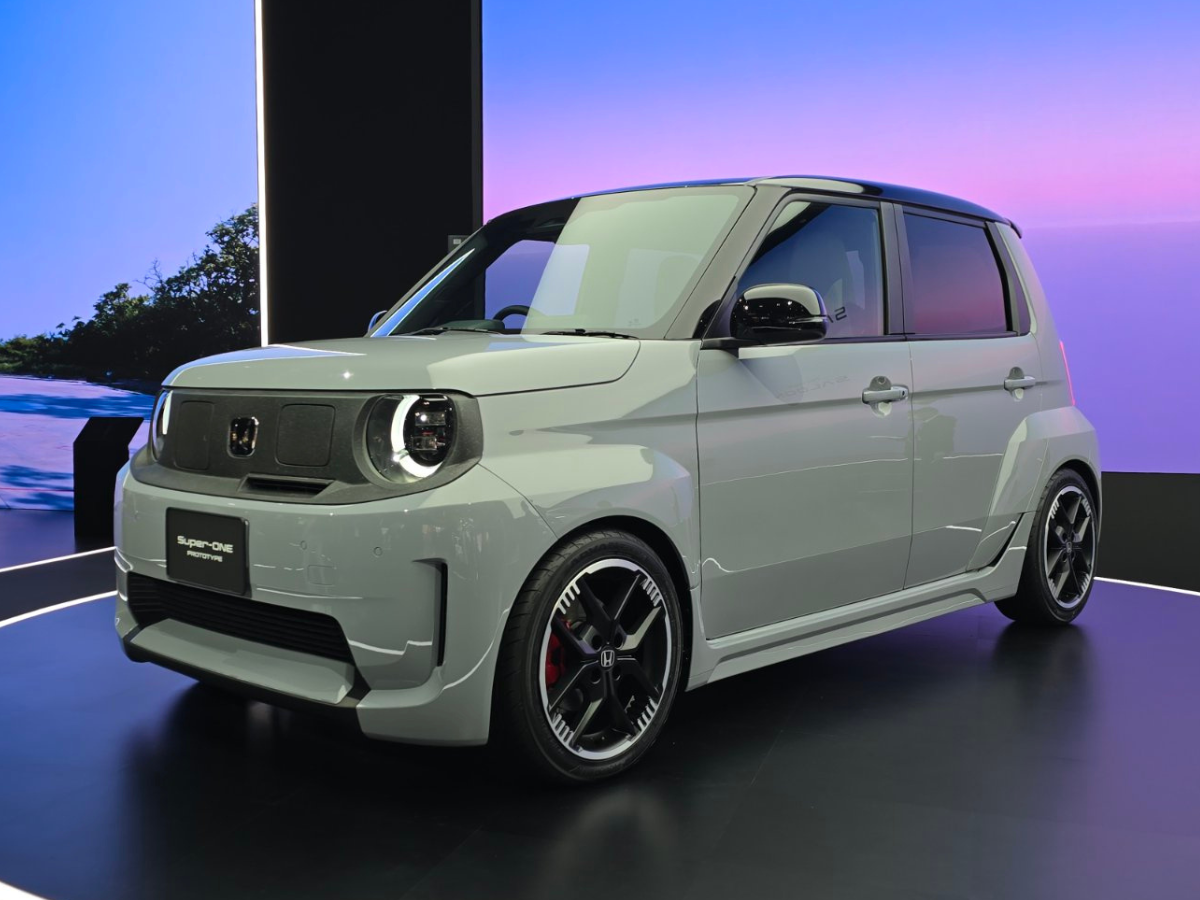
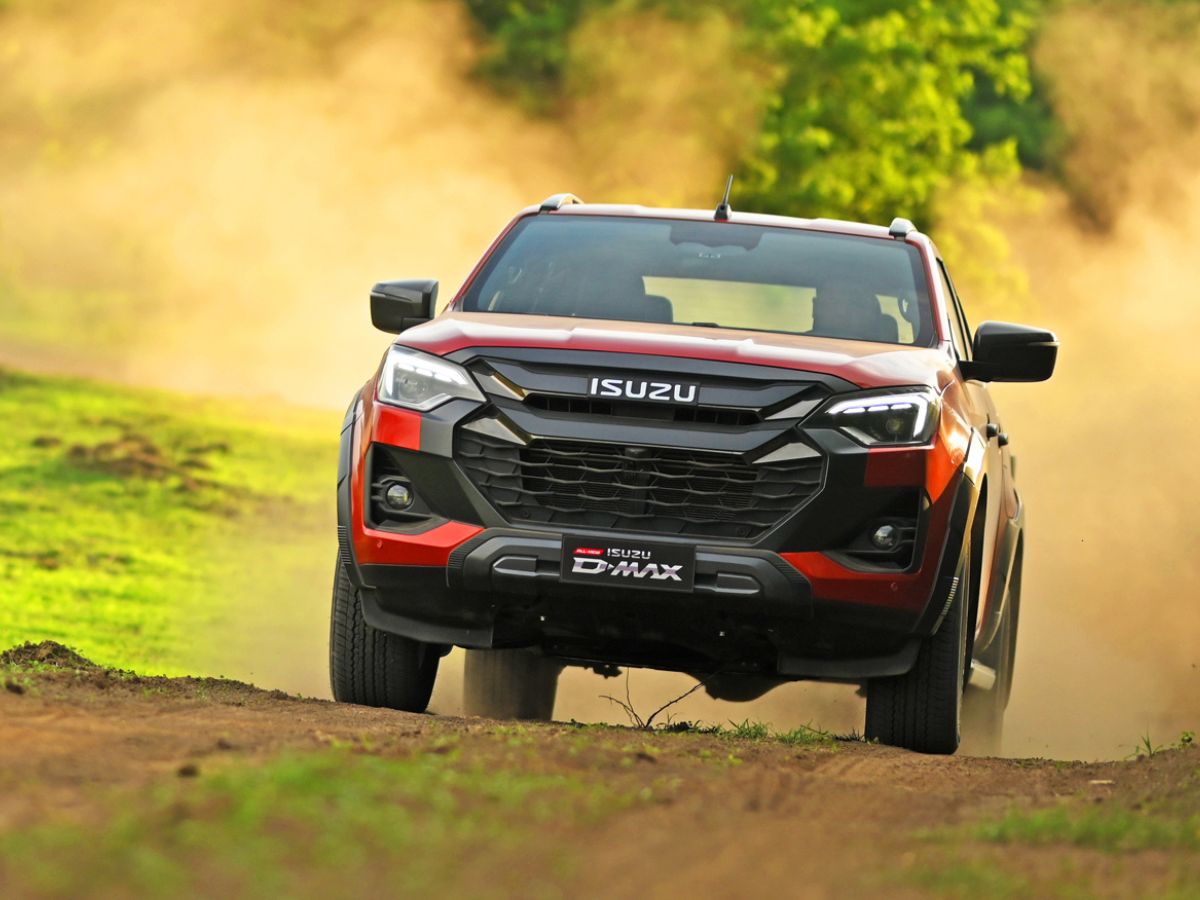
Isuzu Philippines recorded 1,558 units in August, maintaining its strength in commercial vehicles with a 4.34% market share. Honda Cars Philippines, with 1,255 units, continues to benefit from its hybrid push led by the CR-V e:HEV and HR-V Hybrid, bringing its YTD total to 10,893 units.
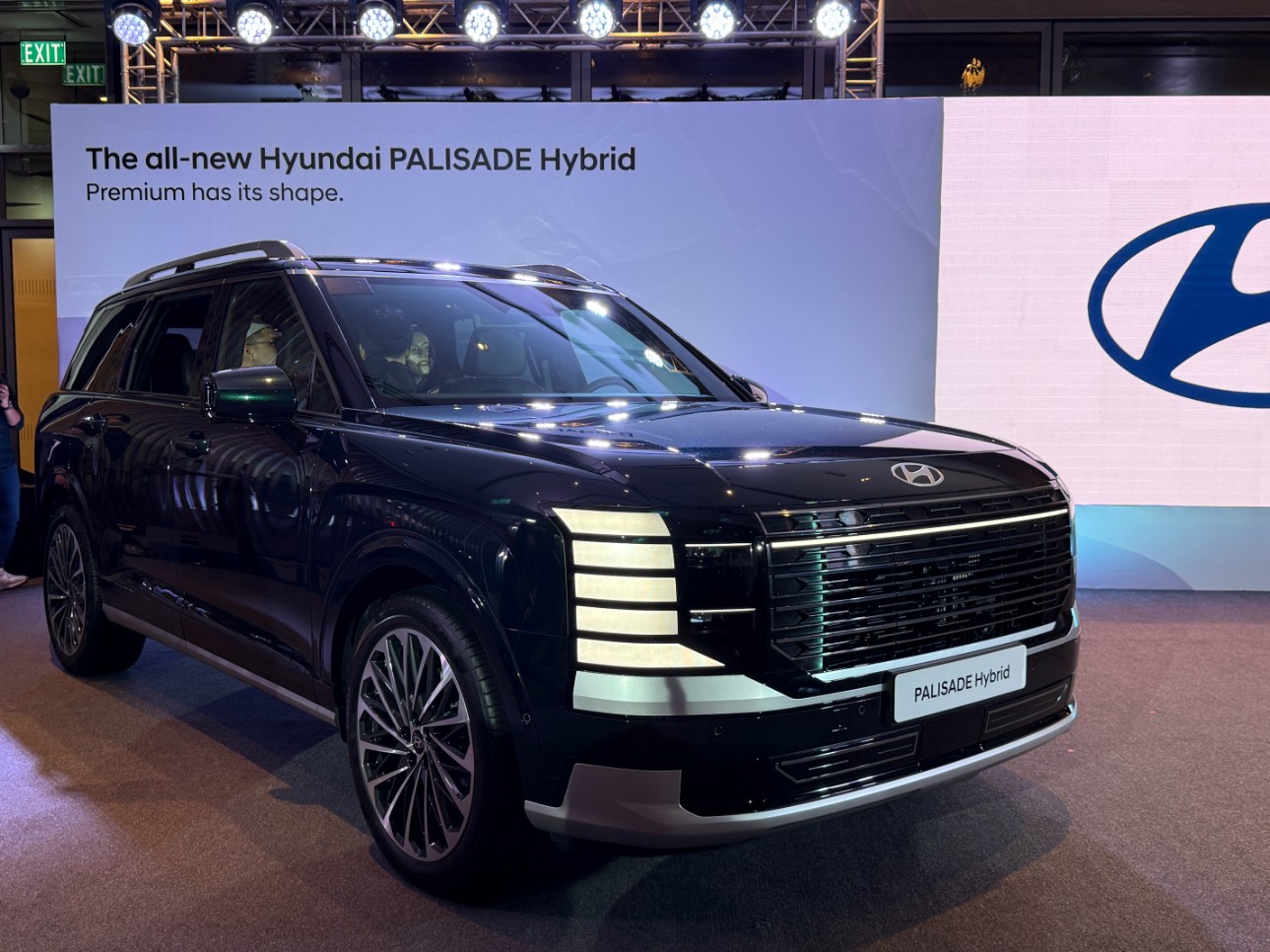
Hyundai Motor Philippines also performed steadily, selling 865 units in August, with strong interest in the Stargazer MPV and Creta compact SUV.

Emerging Players on the Rise
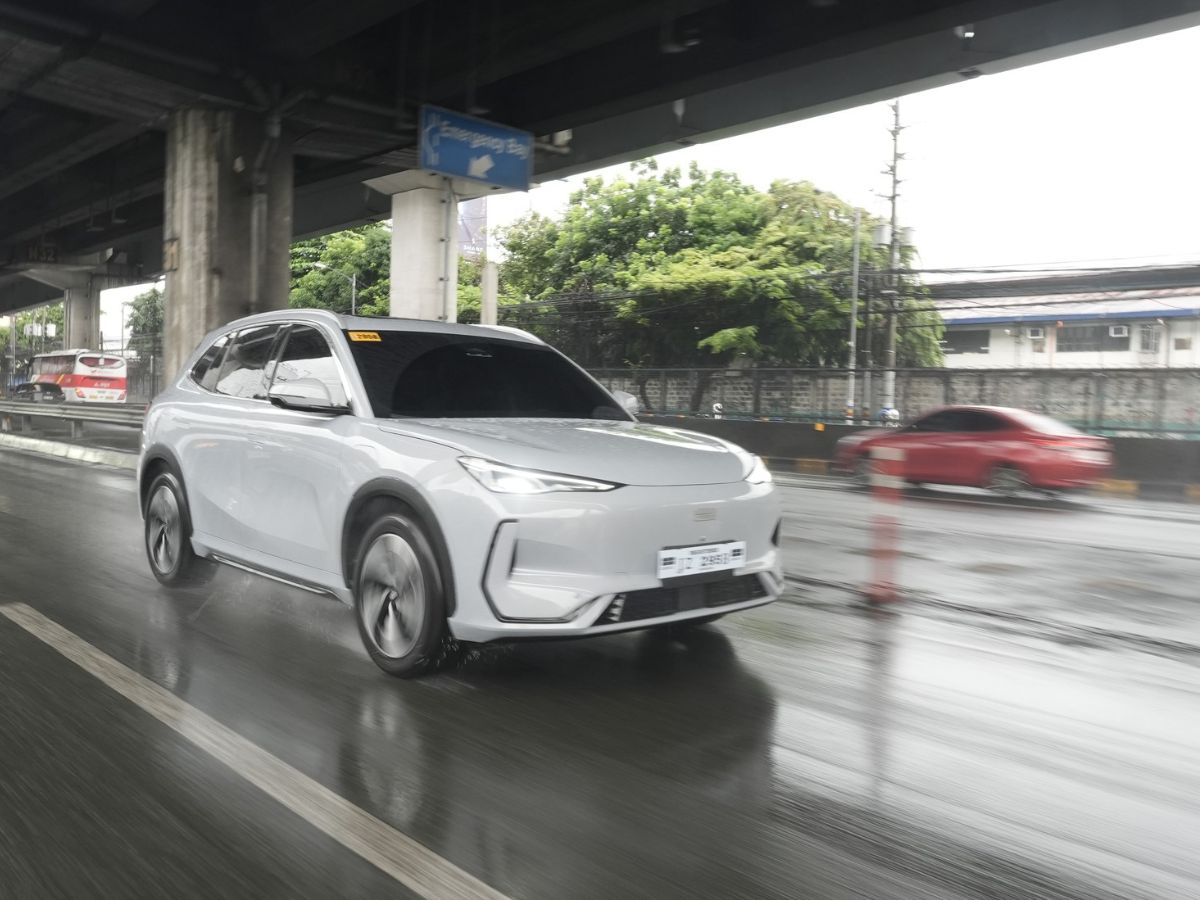
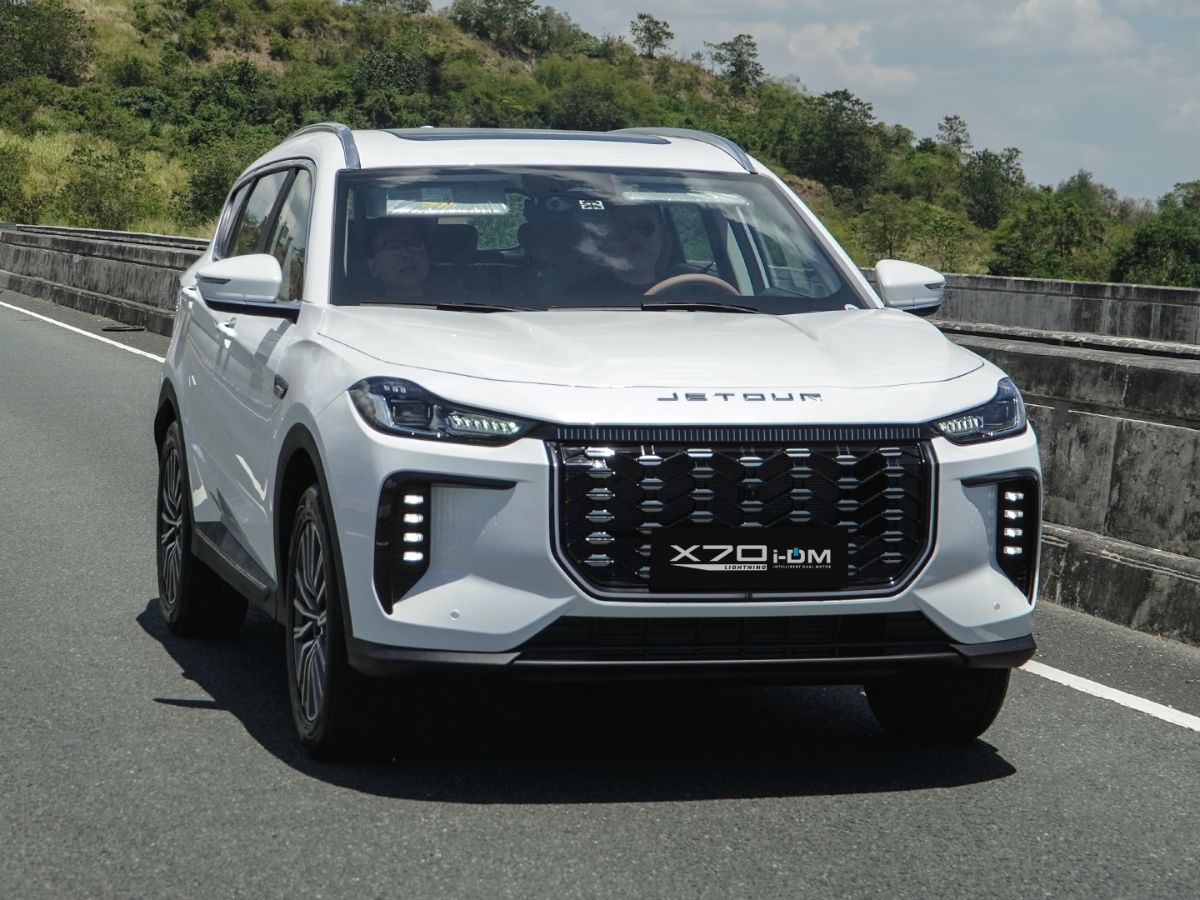
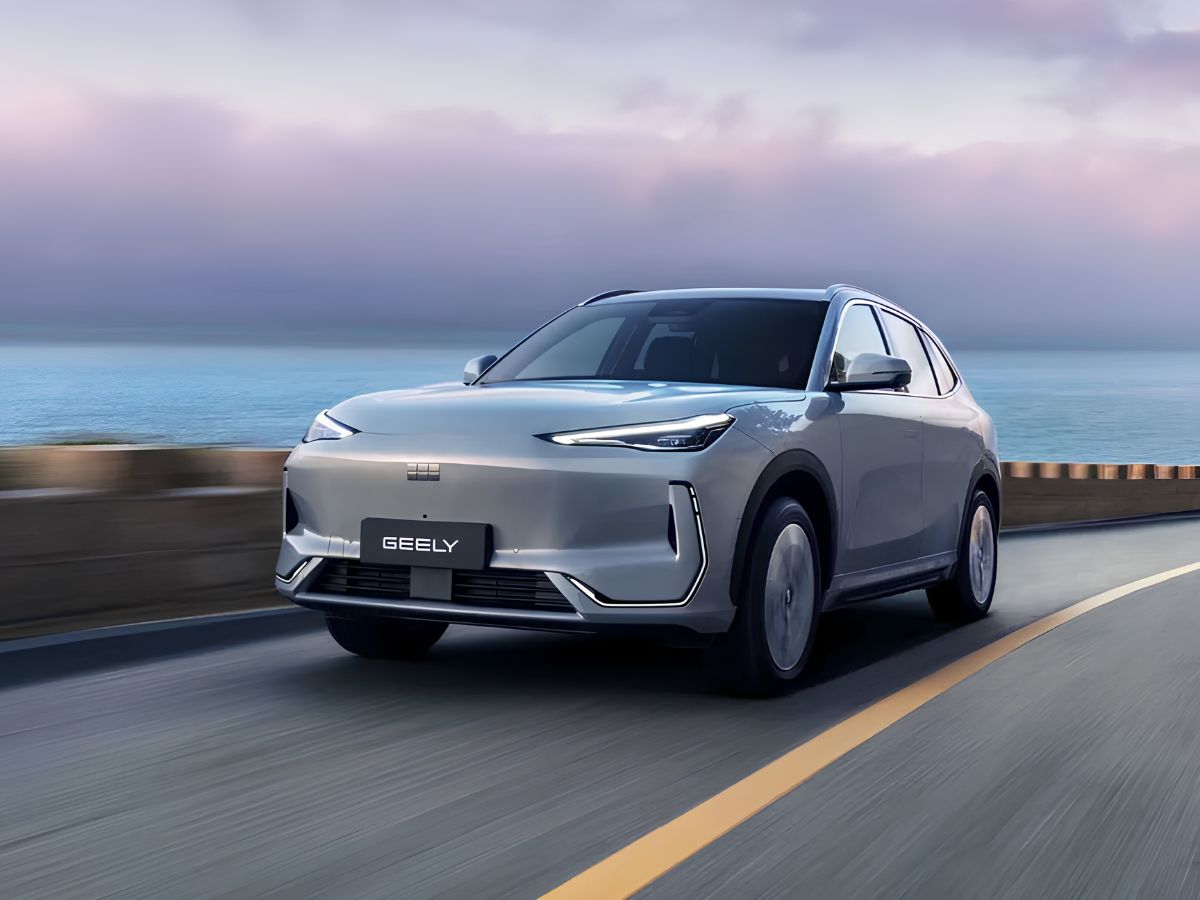
Chinese brands continued their steady penetration of the market. Jetour Auto Philippines moved 184 units in August, achieving a 0.51% market share and a YTD total of 1,092. Geely followed closely with 146 units, while GAC Motor Philippines sold 102 units.
Vietnam’s VinFast, a newcomer in the electric vehicle space, sold 115 units YTD, signaling growing consumer curiosity in EVs despite infrastructure challenges.
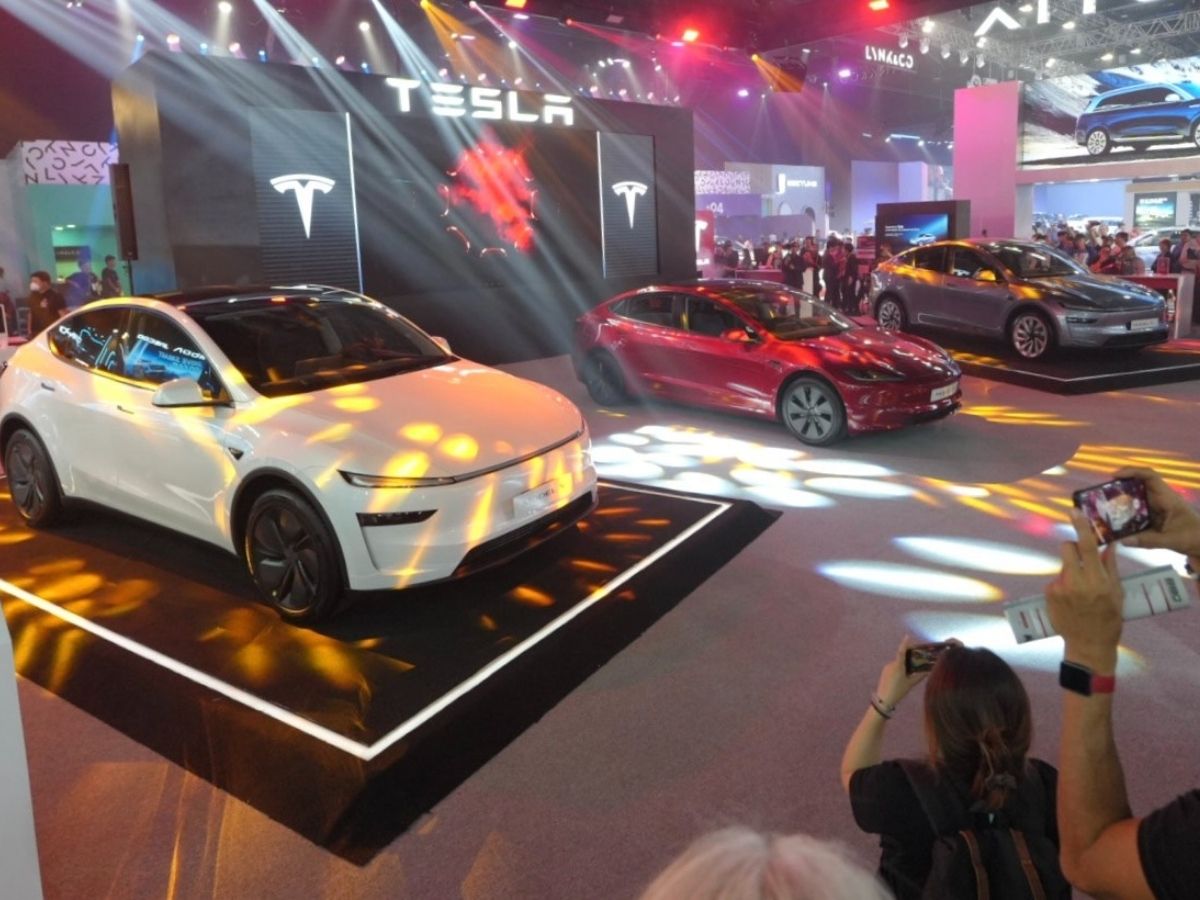
Tesla Philippines also posted 294 units in August, totaling 1,808 for the year — a remarkable feat for a purely EV brand operating with limited showrooms and charging support.

Premium Segment Holds Steady
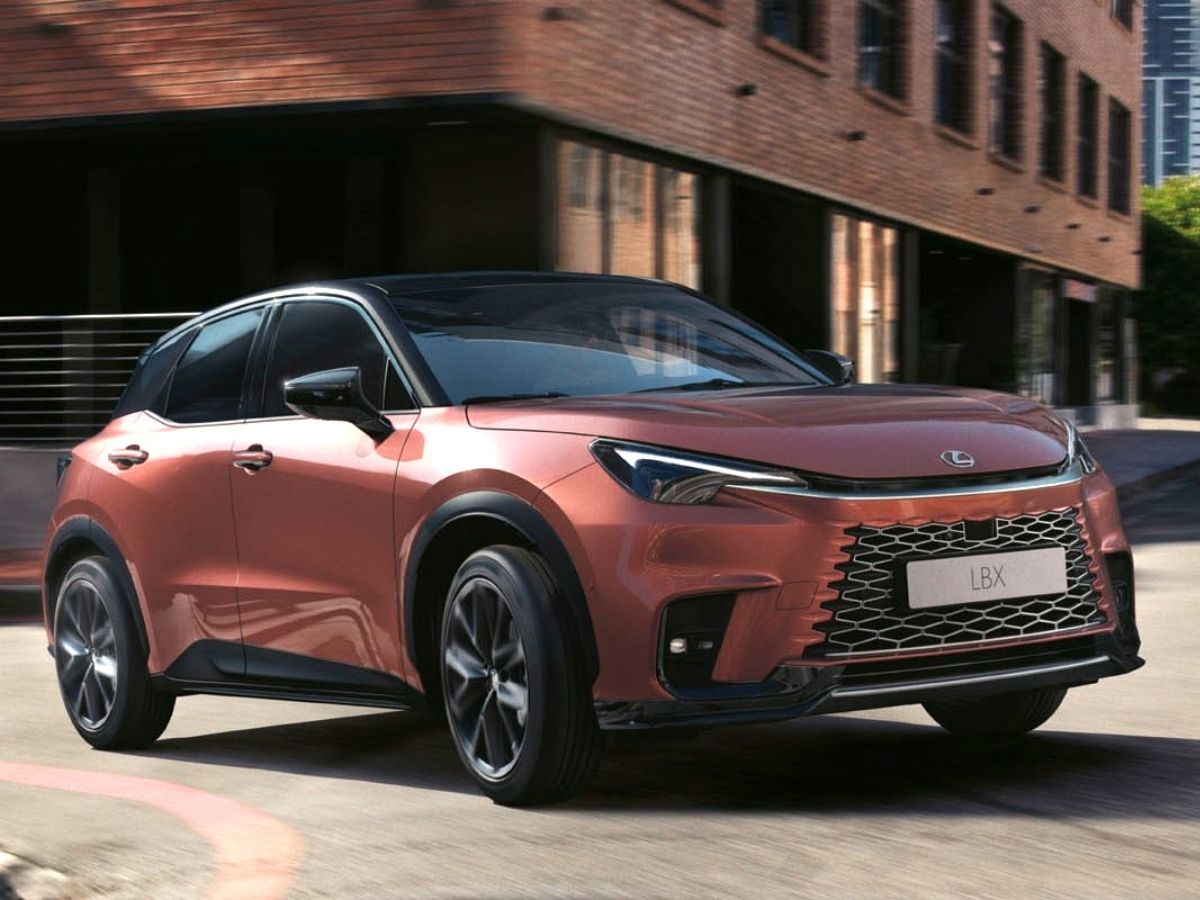
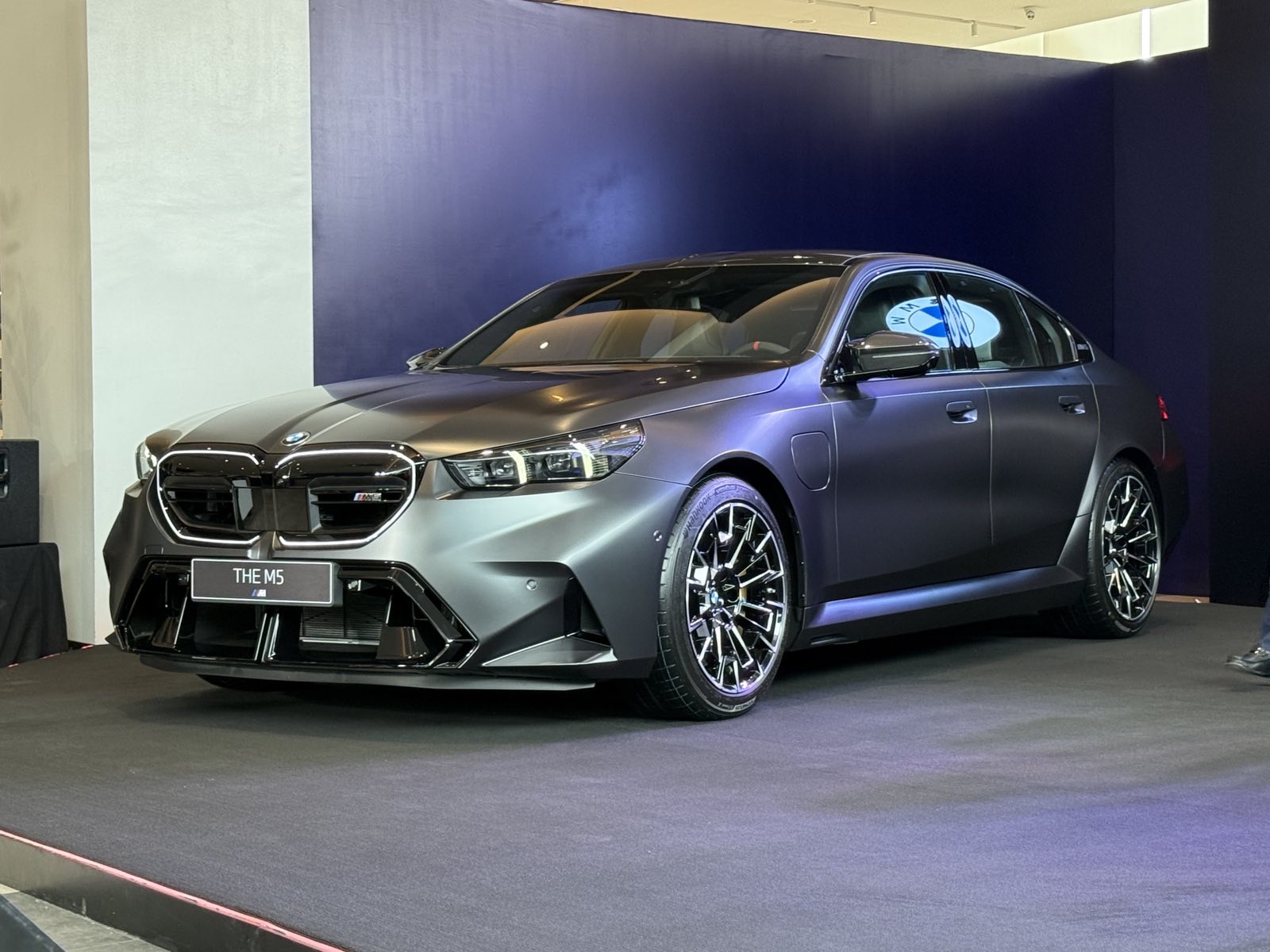
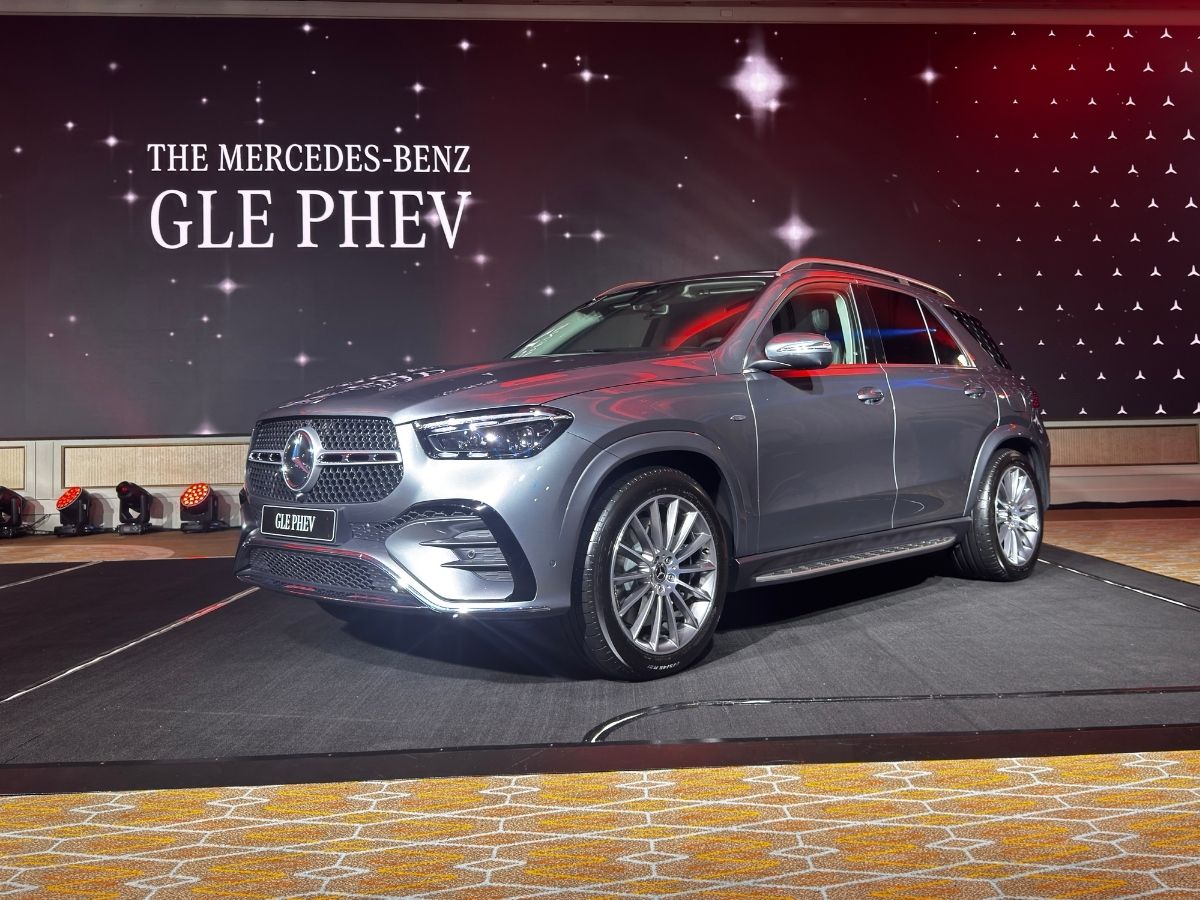
In the luxury market, Lexus continues to lead with 146 units sold in August and a 1,332-unit YTD total, thanks to the introduction of its hybrid and electric lineup. BMW and Mercedes-Benz trailed with 40 and 40 units, respectively.
Ultra-luxury marques such as Ferrari, Rolls-Royce, and McLaren remain niche, with single-digit to zero sales, reflecting the segment’s exclusivity and limited distribution.
Outlook
With the local auto industry surpassing the 300,000-unit mark before the final quarter, analysts expect total 2025 sales to cross 450,000 units, assuming economic stability and continued consumer confidence.
The data reflects a market transitioning toward electrification and hybrid adoption while remaining heavily anchored in multi-purpose vehicles and light commercial trucks — a mirror of the country’s evolving mobility needs.
As automakers gear up for the year-end selling season, brands with strong aftersales support, flexible financing, and hybrid or EV options are expected to lead the next phase of growth in the Philippine automotive market.